Jogahira Castle (Kumage District, Kagoshima Prefecture) Complete Guide | History and Highlights of a Medieval Mountain Castle Remaining on Yakushima Island
What is Jogahira Castle?
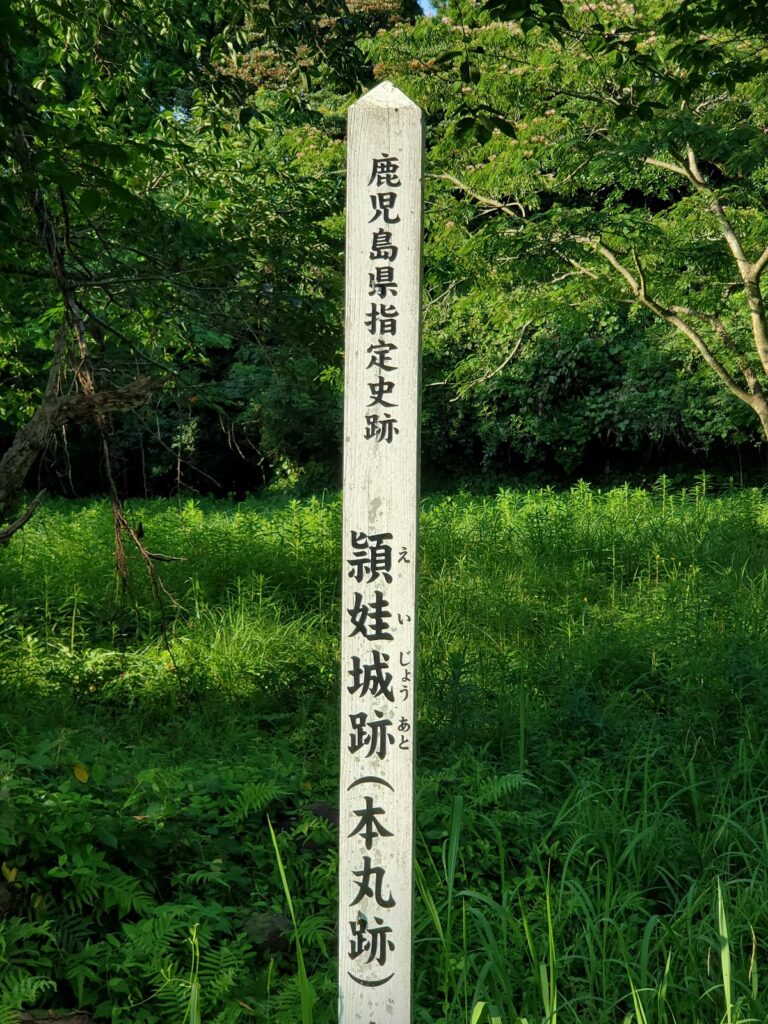
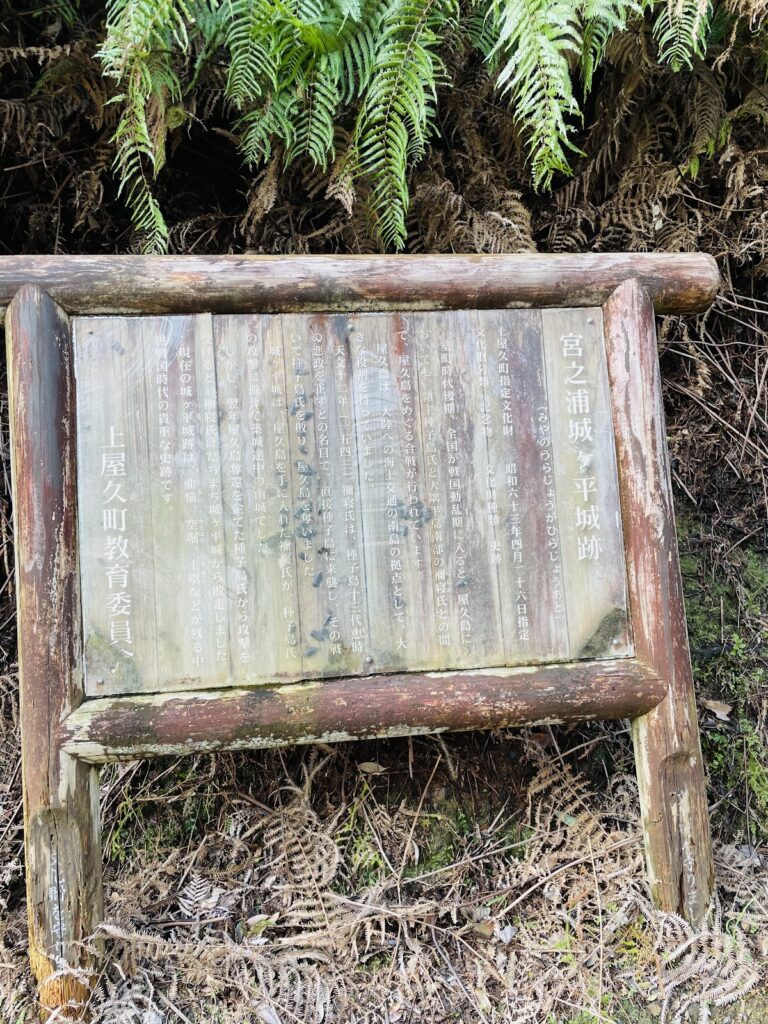
Jogahira Castle is a medieval mountain castle located in the Kojōyashiki area of Miyanoura, Yakushima Town, Kumage District, Kagoshima Prefecture. It is a valuable historical site remaining on Yakushima Island, known as a World Natural Heritage site, and is attracting attention as an important castle ruin that tells the story of the island’s medieval history.
While Yakushima Island is known for its rich natural beauty, it was actually under the control of the Shimazu clan during the medieval period, and several castles were built there. Jogahira Castle is thought to have functioned as a defensive base for the Miyanoura area, and some of its remains can still be seen today.
Historical Background of Jogahira Castle
History of Ōsumi Province and Kumage District
Kumage District, where Jogahira Castle is located, belonged to Ōsumi Province under the ancient Ritsuryo system. Osumi Province was a region centered on the eastern part of present-day Kagoshima Prefecture, and also included islands such as Tanegashima, Yakushima, and Kuchinoerabujima.
Kumage District consisted of four islands: Tanegashima, Yakushima, and their respective outlying islands, Magejima and Kuchinoerabujima. It had long held an important position as a key point for southern maritime traffic. While the current population of Kumage District is approximately 22,500, it also had a significant population during the medieval period and formed its own unique cultural sphere.
The Role of Medieval Castles on Yakushima
Besides Shirogahira Castle, several other castle remains have been confirmed on Yakushima. These castles are thought to have been built primarily for the following purposes:
Function as a Defensive Base: They functioned as defensive bases against invaders and pirates from the sea. Medieval Yakushima was a crucial point for maritime traffic and was frequently attacked by pirates, necessitating defensive facilities in various areas.
Regional Control Bases: Castles were strategically placed throughout Yakushima Island as bases for the Shimazu clan’s rule. It is presumed that Jogahira Castle was one of these control bases in the Miyanoura region.
Supply Storage Center: Yakushima Island possessed abundant timber resources, and it is possible that castles were also used as facilities for managing and storing these supplies.
The Shimazu Clan and Yakushima Island
From the late medieval period to the early modern period, Yakushima Island was under the control of the Shimazu clan of Satsuma Province. The Shimazu clan was a powerful daimyo (feudal lord) that expanded its influence primarily in Kagoshima Prefecture, controlling a vast area of southern Kyushu.
The Shimazu clan considered Yakushima Island an important territory and dispatched magistrates to govern it. It is believed that Jogahira Castle functioned as a regional base within this governing system.
Structure and Remains of Shirogahira Castle
Location and Topography
Shirogahira Castle is located in the mountainous area of the Miyanoura district, built on a hill overlooking the surrounding area. This location is typical of medieval mountain castles and was chosen to ensure a defensive advantage.
Yakushima’s topography consists mostly of steep mountainous areas with limited flat land. Therefore, castle structures skillfully utilize the natural terrain, and Shirogahira Castle also exhibits this characteristic.
Existing Remains
The following elements have been identified as remains of Shirogahira Castle:
Kuruwa (Enclosure) Remains: Multiple traces of enclosures, the main defensive and residential spaces of the castle, have been confirmed. They are arranged in stages, utilizing the undulations of the terrain, exhibiting a typical structure of a medieval mountain castle.
Earthwork Remains: Some earthen mounds, believed to be earthworks, remain. These are defensive structures designed to prevent enemy intrusion and are thought to have been positioned to surround the castle.
Possibility of a Moat: Artificial cuts are visible in part of the terrain, suggesting the possibility of a moat (a structure that cuts through mountain ridges to prevent enemy intrusion).
Scale of the Castle
Shirogahira Castle is not a large-scale castle, but rather a small, local base fortress. While many castle remains exist in Kagoshima Prefecture, island castles tend to be smaller in scale compared to mainland castles.
This indicates that the castle’s purpose was defense within the limited space of the island, and that its primary objectives were regional governance and maritime defense rather than large-scale military operations.
Highlights of Shirogahira Castle
Castle Landscape Integrated with Nature
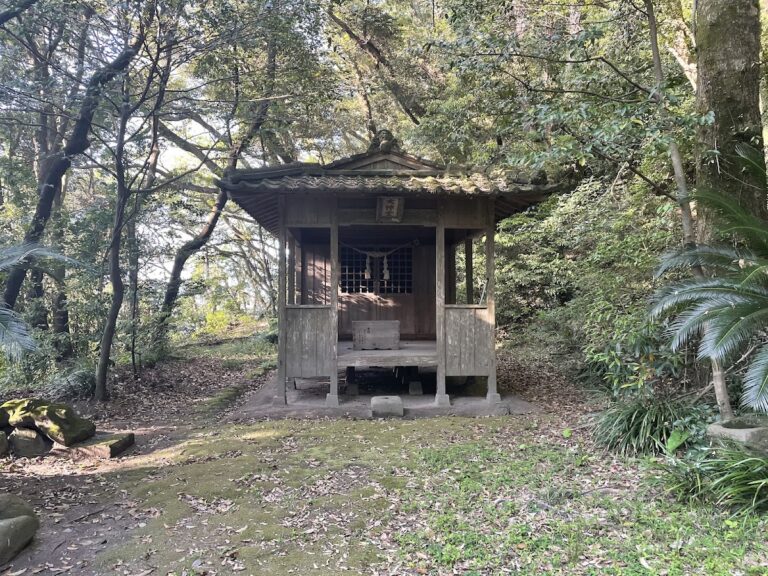
The greatest charm of Shirogahira Castle is its castle landscape integrated with the rich natural environment of Yakushima Island. The remains are covered in forest, allowing visitors to experience medieval history while walking through nature.
Surrounded by the evergreen broadleaf forests unique to Yakushima, the castle ruins possess a distinctive atmosphere unlike anything found elsewhere. Especially during the rainy season and the autumn foliage season, the contrast between the lush green forests and historical remains creates a beautiful landscape.
Exploring Historical Ruins: A Journey of Romance
At Shirogahira Castle, the few remaining ruins allow us to imagine the lives and defensive strategies of the people of the Middle Ages. Considering how the castle lords and samurai defended the castle based on the arrangement of earthworks and baileys is a valuable experience that evokes a sense of historical romance.
For those particularly knowledgeable about castles or interested in Japanese medieval history, this is a valuable opportunity to observe the structure of a castle built in the unique environment of an island.
Surrounding Scenery and Views
From the hilltop of the castle ruins, you can enjoy views of the Miyanoura region. On a clear day, you can see the mountains and coastline of Yakushima, experiencing the scenery that the medieval castle lords must have seen.
This view makes it clear why the castle was chosen as a defensive stronghold. You will understand that it was an ideal location for monitoring approaches from the sea and understanding land movements.
Access Information
Access to Yakushima
To visit Jogahira Castle, you first need to travel to Yakushima Island. There are two main ways to access Yakushima:
By Air: Direct flights operate from Kagoshima Airport to Yakushima Airport, taking approximately 35 minutes. Seasonal flights are also available from Fukuoka Airport and Osaka (Itami) Airport. Yakushima Airport is located in the northeastern part of the island, and it takes about 30 minutes by car to the Miyanoura area.
By Ferry: From Kagoshima Main Port to Miyanoura Port or Anbo Port on Yakushima Island, it takes approximately 2 hours by high-speed boat and approximately 4 hours by ferry. Access to Jogahira Castle is relatively convenient from Miyanoura Port.
Access to Jogahira Castle
Jogahira Castle is located in the Kojōyashiki area of Miyanoura, Yakushima Town. When accessing by car from Miyanoura Port or Yakushima Airport, the following routes are common.
Access by Car: From Miyanoura town center, head south along the prefectural road towards the Kojōyashiki area. There are few clear signs to the castle ruins, so it is recommended to check a map or GPS beforehand. Parking space is limited, so please be careful not to inconvenience local residents if parking on the street.
Public Transportation: Yakushima has a bus service, but access to the castle ruins from the nearest bus stop to Jōgahira Castle is on foot. Bus service is limited, so it is important to check the timetable in advance.
Renting a Car: Renting a car is the most convenient way to sightsee on Yakushima. Rental car companies are located around Miyanoura Port and Yakushima Airport, and advance reservations are possible.
Notes for Visitors
Please note the following points when visiting Jōgahira Castle:
Clothing and Equipment: The castle ruins are located in a mountainous area, and some areas have unstable footing. It is recommended to wear comfortable shoes and clothing suitable for walking. It’s also a good idea to bring insect repellent, a hat, and drinking water.
Weather Check: Yakushima is a region with very high rainfall. Please check the weather before visiting, and be careful as the ground can be slippery in rainy weather.
Protection of Historical Sites: The castle ruins are a valuable historical heritage site. Please observe proper etiquette when visiting, and avoid damaging the ruins or leaving litter.
Visiting Hours: Since there are no lighting facilities at the castle ruins, it is recommended to finish your visit before sunset. Especially in winter, the sun sets early, so please pay attention to your time management.
Nearby Tourist Attractions
Highlights of the Miyanoura Area
The Miyanoura area, where Jogahira Castle is located, has other tourist attractions worth visiting.
Miyanoura Port: Around Miyanoura Port, the gateway to Yakushima, you’ll find a tourist information center, souvenir shops, and restaurants. You can purchase Yakushima’s specialty products such as Yakusugi cedar products, shochu (Japanese distilled spirit), and seafood.
Yakujinja Shrine: Considered the oldest shrine on Yakushima Island, it enshrines the island’s guardian deity. Hundreds of years old cedar trees line the approach to the shrine, creating a sacred atmosphere.
Shidoko Banyan Tree Park: A park where giant banyan trees grow in clusters, allowing visitors to experience Yakushima’s subtropical nature. It’s about a 15-minute drive from Jogahira Castle.
Major Tourist Attractions on Yakushima Island
If you visit Yakushima, you’ll want to enjoy its rich natural beauty, which is registered as a World Natural Heritage site.
Jomon Sugi (Jomon Cedar): The largest Yakusugi cedar on Yakushima Island, estimated to be 7200 years old. While it requires a trek of over 10 hours round trip, its magnificent appearance is well worth seeing.
Shiratani Unsuikyo Gorge: A moss-covered primeval forest said to be the model for the setting of “Princess Mononoke.” It’s relatively easy to access and can be enjoyed with a half-day trek.
Chihiro Falls: A magnificent waterfall with a drop of 60 meters, which can be viewed from an observation deck. It’s easily accessible by car, making it a convenient spot to visit.
Nagata Inakahama: A beautiful sandy beach known as a sea turtle nesting ground. From May to August, there’s a chance to observe sea turtle nesting.
Other Castles in Kumage District
Besides Jogahira Castle, several other castle ruins exist in Kumage District, Kagoshima Prefecture. Those interested in castle tours might consider visiting the following castles:
Castles of Tanegashima: Tanegashima Island has several medieval castles remaining, including Akaogi Castle and Honjo Castle. You can learn about the history of Tanegashima, known as the site of the introduction of firearms, through these castles.
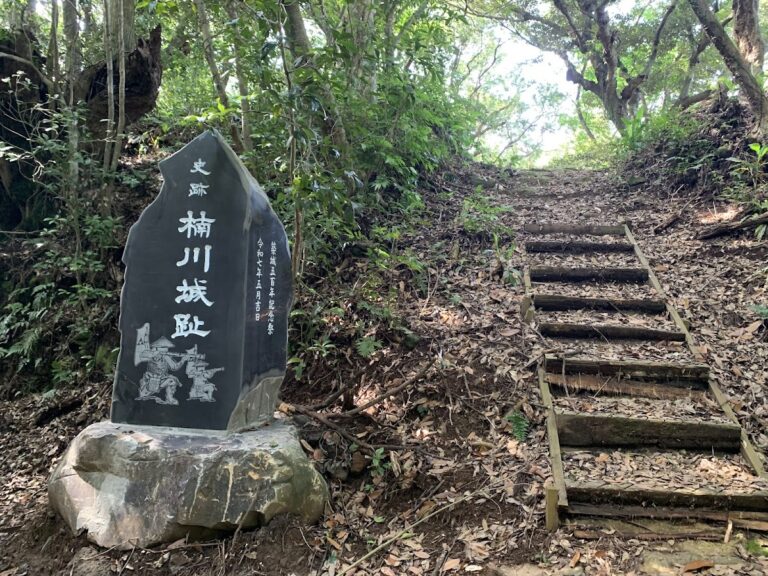
Kusukawa Castle: Another castle ruin on Yakushima Island. Visiting it along with Jogahira Castle will provide a deeper understanding of Yakushima’s medieval history.
Best Season to Visit Jogahira Castle
Seasonal Characteristics
The best season to visit Jogahira Castle varies depending on your purpose.
Spring (March-May): The weather is mild, and the fresh greenery is beautiful. Yakushima’s forests are covered in vibrant green, making it ideal for strolling around the castle ruins. However, it gets crowded during Golden Week, so if you want to avoid the crowds, early April is recommended.
Summer (June-August): Yakushima has a long rainy season, and June sees very heavy rainfall. While sunny days increase from July to August, temperatures and humidity are high, so heatstroke prevention is necessary. This is also a season to enjoy Yakushima’s abundant water flow.
Autumn (September-November): After the typhoon season in September, the weather remains relatively stable. From October to November, temperatures are mild, making it an ideal season for trekking. While the autumn foliage isn’t as spectacular as on the mainland, you can still enjoy the changing colors of the forest. Winter (December-February): This is a quiet time to visit the castle ruins as there are fewer tourists. While temperatures are relatively mild, the shorter daylight hours make it advisable to visit earlier in the day. Snow can fall in the mountainous areas of Yakushima, offering unique winter scenery.
Weather and Preparation
Yakushima is known for its high rainfall, with some saying it rains 35 days a month. It’s recommended to prepare the following before visiting:
- Rainwear or a folding umbrella
- Waterproof shoes or trekking boots
- Change of clothes and a towel
- Insect repellent (especially in summer)
- Sunscreen (UV rays are strong on sunny days)
Jogahira Castle and Kagoshima Prefecture’s Castle Culture
Characteristics of Castles in Kagoshima Prefecture
Kagoshima Prefecture boasts a large number of castle ruins, ranking among the highest in Japan. Kagoshima’s castles have the following characteristics:
Many Mountain Castles: Kagoshima Prefecture’s topography is mountainous, and castles were often built on high ground suitable for defense. Shirogahira Castle is a typical example.
Numerous Castles Related to the Shimazu Clan: Castles related to the Shimazu clan, who ruled Satsuma from the Sengoku period to the Edo period, remain throughout the prefecture.
Traces of the Outer Castle System: The Shimazu clan adopted a unique governing system called “Tojo” (outer castles), stationing samurai in various locations. Traces of facilities related to this system remain throughout the region.
Position in the History of Japanese Castles
Small, regional mountain castles like Shirogahira Castle occupy an important position in the history of Japanese castles. Unlike the large, modern castles with their massive keeps, they strongly retain the characteristics of practical defensive facilities from the medieval period, making them valuable resources for understanding the tactics and regional governance of the time.
Castles on islands, in particular, possess characteristics that differ from those of castles on the mainland, such as defensive systems at strategic points for maritime traffic and castle construction techniques using limited resources, making them highly valuable for research.
Preservation and Future of Jogahira Castle
Value as a Cultural Property
Jogahira Castle is currently recognized as an important historical heritage site in the region. Although it has not received explicit cultural property designation, it is attracting attention among local historians and castle enthusiasts as a valuable relic that tells the story of Yakushima’s medieval history.
Preservation Challenges
Small-scale local castles like Jogahira Castle face the following challenges in terms of preservation and utilization:
Burial of Remains by Vegetation: While Yakushima’s rich natural environment is attractive, if left unattended, the remains will be covered by vegetation and become invisible. Regular maintenance is necessary, but securing budget and manpower remains a challenge.
Low Awareness: While Yakushima is well-known as a natural heritage site, its recognition as a historical heritage site is not. The existence of Jogahira Castle is unknown to a limited number of tourists, and its utilization as a tourist resource is not progressing.
Difficulty of Access: Due to the lack of clear signage and well-maintained viewing paths, it is difficult for general tourists to visit.
Future Prospects
In recent years, “castle tourism” has been gaining attention throughout Japan, and interest is also growing in small-scale castles in rural areas. Jogahira Castle also has the potential to be utilized as a new tourist resource on Yakushima Island.
Diverse possibilities can be considered, such as developing tourist routes that combine natural and historical heritage, and utilizing it for local history education. Furthermore, new forms of preservation and utilization are being considered, such as visualizing the remains using digital technology and recreating the castle as it once was using AR (augmented reality).
Things to Know Before Visiting Jogahira Castle
Recommendation for Pre-Visit Learning
Before visiting Jogahira Castle, the following pre-visit learning will allow you to understand the ruins more deeply.
About Medieval Castles: Learning about the basic structure and defensive mechanisms of medieval mountain castles will deepen your understanding when viewing the ruins at the site. It’s helpful to know basic terms such as baileys, earthworks, and moats.
History of Yakushima: Learning about the history of Yakushima from the medieval to early modern periods, especially the history of the Shimazu clan’s rule, will help you understand the role and importance of the castle.
Related Books: Specialized books such as “The Complete Guide to Japanese Castles,” Volume 18 (Fukuoka, Kumamoto, Kagoshima), contain detailed information about castles in Kagoshima Prefecture. It is recommended to read them before your visit.
Visitor Etiquette
Shirogahira Castle is not a developed tourist attraction, but a local historical heritage site. Please observe the following etiquette when visiting.
- Do not damage the ruins or take away soil or stones.
- Always take your trash with you.
- Avoid actions that may disturb local residents, such as shouting.
- Do not trespass on private property.
- Do not collect plants or animals (Yakushima is a World Natural Heritage site).
Regarding Photography
Photography of the castle ruins is generally permitted, but please note the following:
- Do not step too far into the ruins to avoid damaging them.
- Be considerate of the privacy of local residents.
- Check Yakushima Town regulations and World Heritage site regulations before using a drone.
Summary
Shirogahira Castle is a valuable medieval mountain castle ruin remaining on Yakushima, a World Natural Heritage site. While not a large-scale tourist destination, it is a worthwhile spot for those interested in the history of Japanese castles and Kagoshima Prefecture, as well as those who want to experience not only the nature but also the history and culture of Yakushima.
The castle ruins, quietly nestled amidst Yakushima’s rich nature, create a unique landscape where the activities of medieval people and modern nature harmonize, a sight not found anywhere else. You’ll discover a quiet, historical side of Yakushima, different from the famous tourist spots like the Jomon Cedar and Shiratani Unsuikyo Gorge.
By preparing thoroughly before your visit and observing proper etiquette, you can contribute to preserving this precious historical heritage for future generations. Please plan a trip to enjoy both the nature and history of Yakushima.