Complete Guide to Ito Castle (Fukuoka Prefecture): The Full Picture and Highlights of the Ancient Mountain Castle Built by Kibi no Makibi
What is Ito Castle?: A Chinese-Style Mountain Castle Built During the Nara Period
Ito Castle (also known as Itojo or Itonoki) is an ancient mountain castle located on the western slope of Mt. Takasu in Itoshima City, Fukuoka Prefecture. Built over approximately 12 years, from 756 AD (Tenpyo Shoho 8) to 768 AD (Jingo Keiun 2) during the Nara period, it is known as a rare Chinese-style mountain castle (continental-style mountain castle) in Japan.
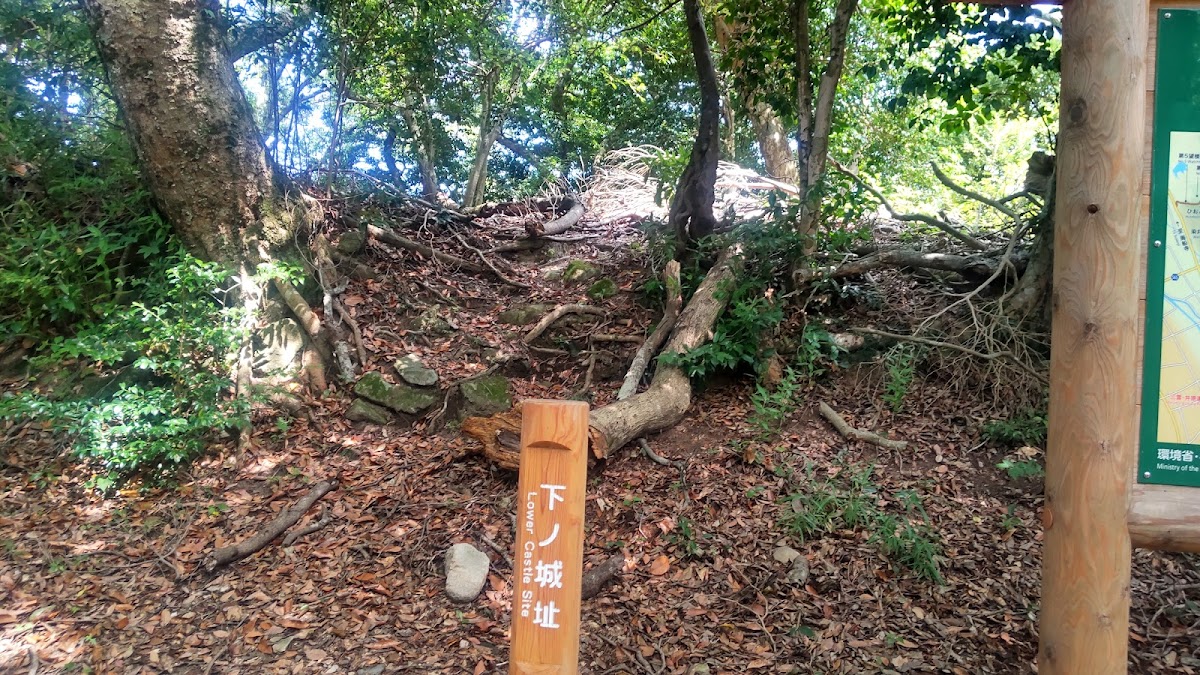
The castle ruins are designated as a national historic site, and remains such as earthworks extending approximately 2.6 km from the ridge north of Mt. Takasu to the western foothills, as well as the remains of eight watchtowers, still exist today. Located on the border between Fukuoka City and Itoshima City, it is characterized by its extensive castle grounds, extending from an altitude of around 300m down to the foot of the mountain.
Historical Background of Ito Castle
In the mid-8th century, relations between Japan and Silla deteriorated, increasing the need to prepare for threats from the Korean Peninsula. The Yamato court considered the defense of the northern coast of Kyushu a matter of urgency and ordered Kibi no Makibi, the Dazaifu Daini (Vice-Governor of Dazaifu), to construct a castle. Kibi no Makibi had experience traveling to Tang China as an envoy and had learned the latest Chinese castle-building techniques. He utilized this knowledge to direct the construction of Ito Castle.
The Shoku Nihongi (Continued Chronicles of Japan) records the details of the castle’s construction, making it an extremely rare ancient mountain castle where the individuals responsible and the construction period are clearly identified. Later, it has been confirmed from historical documents that Saeki no Imaemishi was also involved in its construction.
Structure and Characteristics of Yitu Fortress
Overall View of the Fortress Area
Yitu Fortress was built on a vast area spanning approximately 2 ri (about 8 km) centered around Mount Gaozu. The fortress area is broadly divided into the mountaintop and the foothills, each with different defensive structures.
Structure of the Mountaintop
- Five watchtowers, from the First to the Fifth, are arranged along the ridge.
- The First Watchtower, at an altitude of approximately 300m, is the highest point.
- Foundation stones remain at each watchtower.
- Multiple building remains have been confirmed, including the Ichinozaka foundation stone group.
Structure of the Foothills
- An earthen embankment stretching approximately 2.6km surrounds the foothills.
- Stone walls are placed at key points along the embankment.
- Multiple water gate remains have been confirmed.
- Castle gate remains also remain.
Details of the Watchtower Remains
The watchtower remains, the main highlight of Ito Castle, are located on the ridge extending north from Mount Koso. The First Watchtower is at an altitude of approximately 300m, and from there, the Second, Third, Fourth, and Fifth Watchtowers continue westward.
Foundation stones remain at each watchtower site, indicating that watchtower buildings once stood here. These watchtowers offer a panoramic view of the Genkai Sea, strategically positioned to detect enemy incursions from the sea early. Visiting the watchtowers in order from the first to the fifth allows you to experience the overall structure of the ancient defense system.
Earthworks and Stone Walls
The earthworks surrounding the foothills are a crucial defensive feature of Yitu Castle. On top of the earthworks, which stretch for approximately 2.6 km, stands a massive stone monument inscribed with “Yitu Castle Site,” erected in 1922 (Taisho 11).
Stone walls were strategically placed along the earthworks, providing even stronger defenses. These stone walls incorporate Chinese fortification techniques and have characteristics that differ from traditional Japanese mountain castles. Furthermore, multiple sluice gate remains have been identified, indicating that a drainage system was in place within the castle.
Highlights of Yitu Castle
Traverse from the First to the Fifth Watchtower
The biggest highlight of a visit to Yitu Castle is the ridge walk from the First to the Fifth Watchtower. Starting from the First Watchtower at an altitude of approximately 300m, the route follows the ridge westward, visiting each watchtower site. This popular course allows you to experience ancient ruins while enjoying trekking and hiking.
At each watchtower site, you can see the foundation stones, allowing you to infer the size and layout of the buildings. The views from the ridge are also magnificent; on a clear day, you can enjoy a panoramic view of the Genkai Sea and the beautiful Itoshima Peninsula. The estimated time is approximately 3 hours and 30 minutes, the distance is approximately 7.9km, and the cumulative elevation gain is approximately 506m, making it a trekking course suitable for intermediate hikers.
Earthworks and Historical Monuments
The earthworks at the foot of the mountain are also unmissable historical remains. Walking along the earthen rampart, which stretches for approximately 2.6 km, allows you to experience the traces of large-scale ancient civil engineering work. The stone monument marking the “Ito Castle Ruins,” standing atop the rampart, is a historical monument erected during the Taisho era and a popular photo spot.
Along the rampart, remnants of water gates and stone walls are scattered, demonstrating the diversity of defensive structures. These remains retain many characteristics of Chinese-style mountain castles and are valuable resources for studying the history of Japanese castles.
Ichinosaka Foundation Stone Group
Between the First and Second Watchtowers lies the Ichinosaka Foundation Stone Group, a group of building remains. Numerous foundation stones remain here, suggesting the existence of a considerably large building. While there are various theories about the building’s purpose, it is highly likely that it was used as a barracks or warehouse.
Approach from Koso Shrine
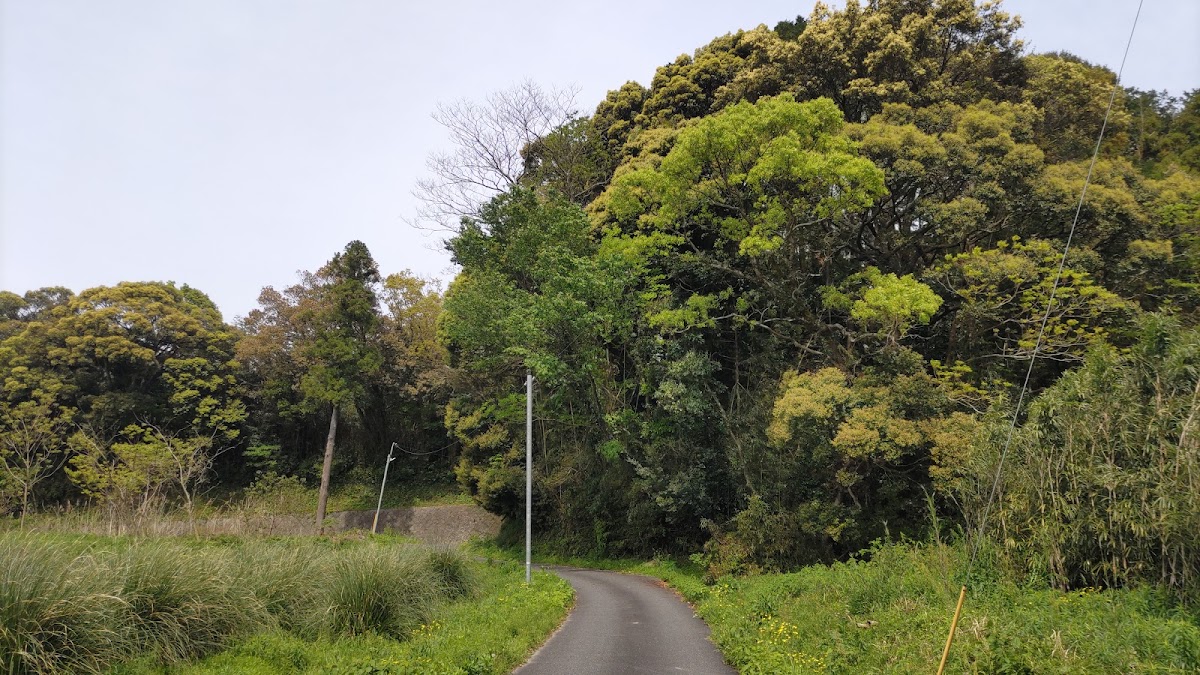
Koso Shrine, one of the access routes to Ito Castle, is a historical point of interest in itself. The hiking trail starting from the shrine is relatively well-maintained, making it safe even for beginners. There is parking available near Koso Shrine, making it a convenient base for those accessing by car.
Access Information
Access by Public Transportation
Using Trains and Buses
- Get off at JR Chikuhi Line “Shusenji Station”
- Take the Kawahara Community Bus (bound for Kawahara) from Shusenji Station
- Get off at “Koso Bus Stop” (approximately 8 minutes)
- Walk from Koso Bus Stop to the trailhead
Since the number of community bus services is limited, it is recommended to check the timetable in advance.
Access by Car
From Fukuoka City
- Approximately 30 minutes via Fukuoka Urban Expressway and Nishi-Kyushu Expressway
- Parking available near Koso Shrine (free)
From Itoshima City Center
- Approximately 15 minutes via Prefectural Road
There are a few parking spaces near Koso Shrine, but they can be full during peak times. Early arrival is especially recommended on weekends and holidays.
Trailheads and Main Routes
Koso Shrine Route (Most Common)
- Use the hiking trail from Koso Shrine
- Relatively well-maintained, suitable for beginners
- A course that starts from the Fifth Watchtower and proceeds to the First Watchtower
Daimon Route
- Directly to the summit from the Daimon area
- Somewhat steep climb, suitable for intermediate hikers
Koraiji Route
- Approach from the Koraiji area
- Convenient for viewing the earthworks
Points to Note and Advice for Visitors
Clothing and Equipment
Ito Castle Ruins is a full-fledged mountain castle, and hiking equipment is necessary.
Essential Equipment
- Trekking shoes or hiking boots
- Drinking water (1 liter or more recommended)
- Hat and sunscreen
- Towel or hand towel
- Rain gear (weather can change quickly)
Helpful Equipment
- Trekking poles
- Snacks (chocolate, nuts, etc.)
- Insect repellent spray (spring to autumn)
- Map or GPS app
- Camera (for photographing ruins and scenery)
Best Time to Visit
Spring (March-May)
- Beautiful fresh greenery, moderate and comfortable temperatures
- Pollen allergy sufferers should take precautions
Autumn (October-November)
- Beautiful autumn foliage, the best time to visit
- Mild temperatures, ideal for hiking
Summer (June-September)
- High heat and humidity, be careful of heatstroke
- Early morning visits are recommended
- Due to the abundance of insects, insect repellent is essential.
Winter (December-February)
- Clear air and excellent views
- Possibility of snow and ice
- Take thorough precautions against the cold
Estimated Time Required
- Visiting all watchtower ruins: 3-4 hours
- Focusing on the earthworks: 1-2 hours
- Visiting only the Fifth Watchtower: Approximately 1 hour
You can choose a route according to your physical strength and interests, but if it’s your first visit, we recommend planning with plenty of time.
Nearby Tourist Attractions
Itokuni Historical Museum
Located about 15 minutes by car from the Ito Castle Ruins, the Itokuni Historical Museum is a facility where you can learn about the ancient history of the Itoshima region. It also has exhibits related to Ito Castle, and visiting before your visit will deepen your understanding of the castle ruins. Artifacts unearthed during excavations and models recreating the castle’s appearance at the time of its construction are also on display.
Basic Information
- Opening Hours: 9:00 AM – 5:00 PM (Last entry at 4:30 PM)
- Closed: Mondays (or the following day if Monday is a public holiday)
- Admission Fee: 200 yen for adults, free for high school students and younger
Raizan Jinkoseki
Like Ito Castle, Raizan Jinkoseki is also an ancient mountain castle site located within Itoshima City. It’s a different type of ancient mountain castle than Ito Castle, and comparing them during your visit will lead to interesting discoveries. It’s located near Raizan Sennyoji Daihioin Temple and is also known as a famous spot for autumn foliage.
Koso Shrine
Koso Shrine, which also serves as the trailhead for Ito Castle, is a shrine that has long attracted local faith. The grounds are quiet and charming, and it’s a local custom to visit the shrine before starting the climb.
Somei no Mizu
Somei no Mizu, known as a famous spring in Itoshima City, is located about 10 minutes by car from the Ito Castle ruins. This spring, with its continuous flow of pure water since ancient times, is cherished by the locals. It’s worth visiting for hydration after hiking or as part of an Itoshima sightseeing trip.
Cultural Value of Ito Castle
History of National Historic Site Designation
Ito Castle ruins have been designated a national historic site in recognition of their historical and academic value. The reasons for this designation include:
- Clear builder and construction period: A rare example with detailed records in the *Shoku Nihongi* (Continued Chronicles of Japan)
- Typical example of a Chinese-style mountain castle: A valuable structure incorporating continental castle construction techniques
- Good state of preservation: Major remains such as earthworks and watchtower ruins remain
- Indicates ancient foreign relations: An important historic site that tells the story of East Asian affairs in the 8th century
Academic Research
Multiple archaeological excavations have been conducted at Ito Castle ruins. Investigations have gradually revealed the structure of the earthworks, the scale of the watchtowers, and the mechanism of the sluice gates. In particular, research estimating the size of buildings from the arrangement of foundation stones and analysis of castle construction techniques have yielded important results in understanding ancient Japanese civil engineering.
In recent years, detailed topographic surveys using laser surveying technology have also been conducted, confirming the existence of previously unknown remains. These latest research findings are periodically made public at the Itokuni Historical Museum and other locations.
Itokuni Castle and Kibi no Makibi
Biography of Kibi no Makibi
Kibi no Makibi (695-775) was a leading scholar and politician of the Nara period. In 717, he traveled to Tang China as part of a Japanese envoy, where he studied Confucianism, military science, astronomy, and music for approximately 17 years. After returning to Japan, he was highly valued by the imperial court and became the Daizai Dainii, responsible for the defense of Kyushu.
The castle construction techniques that Makibi learned in Tang China were utilized in the construction of Itokuni Castle. The influence of the continent is evident throughout, from the Chinese-style earthworks and watchtower placement to the design of the sluice gates. Itu Castle can be considered a building that embodies the knowledge and experience of Kibi no Makibi.
Background of Construction
In the mid-8th century, due to deteriorating relations with Silla, the defense of the northern coast of Kyushu became an urgent necessity. The imperial court needed to mobilize border guards and construct Itu Castle in a short period of time. The fact that it took approximately 12 years to build demonstrates how important this castle was considered.
Kibi no Makibi was in charge of the initial stages of construction, and then Saeki no Imaemon took over and completed it. The involvement of two highly capable officials also indicates the special status of Itu Castle.
How to Enjoy Itu Castle
For History Fans
For those interested in ancient history and castle history, Itu Castle is a must-see spot. Visiting the Itokuni Historical Museum beforehand to gain background knowledge will allow you to more deeply understand the significance of the ruins. Reading the *Shoku Nihongi* and related books beforehand is also recommended.
For Trekking Enthusiasts
The Itokuni Castle Ruins are also attractive as a trekking course. You can enjoy the nature of Mt. Koso while exploring historical ruins. The ridge walk, in particular, offers excellent views and a sense of accomplishment. Those confident in their physical fitness should try the traverse, visiting all five watchtowers from the first to the fifth.
For Photography Enthusiasts
The Itokuni Castle Ruins are also a popular spot for photography. There is no shortage of subjects to photograph, from the massive stone monument atop the earthworks, to the watchtower ruins with their rows of foundation stones, and the view of the Genkai Sea from the ridge. Especially in the evening when the slanted light hits, the ruins stand out three-dimensionally, allowing for impressive photographs.
For Families
If you are visiting with small children, it is recommended to focus on the earthworks at the foot of the mountain. Visiting all the watchtowers might be physically demanding, but the fifth watchtower can be reached in a relatively short time. It’s perfect for a family outing combining history and nature.
Books and Materials on Yitu City
For those who want to learn more about Yitu City, here are some books and materials.
Specialized Books
- *Studies on Ancient Japanese Mountain Castles*: Provides a detailed explanation of ancient mountain castles in general.
- *Shoku Nihongi*: A primary source recording the circumstances surrounding the construction of Ito Castle.
- *Itoshima City History*: Helps understand the position of Ito Castle within local history.
Books for the General Public
- *Walking Through Japan’s Ancient Mountain Castles*: Rich in photographs and easy to understand.
- *Guide to Ancient Mountain Castles of Kyushu*: Includes comprehensive access information.
Online Resources
- Cultural Heritage Online: Detailed information on the Ito Castle ruins.
- Fukuoka Prefecture Cultural Properties Database: Allows viewing of excavation reports.
- Itoshima City Official Website: Latest event information and important notices.
Summary: Experience the Charm of Ito Castle
Ito Castle is a valuable ancient mountain castle built amidst the tense international situation of the Nara period. The Ito Castle ruins, a large-scale defensive structure built over approximately 12 years by the renowned historical figure Kibi no Makibi, still leave a lasting mark on Mount Koso in Itoshima City, Fukuoka Prefecture.
With its approximately 2.6km-long earthen rampart, eight watchtower remains, stone walls, and water gates, the ruins strongly retain the characteristics of a Chinese-style mountain castle, occupying an extremely important position in the history of Japanese castles. Designated a national historic site, this castle ruin is not merely a tourist attraction, but a living historical document that tells the story of ancient Japan’s defense system and international relations.
The Ito Castle ruins, where you can learn about history while enjoying trekking, are an attractive spot for a wide range of people, including history buffs, nature lovers, and photography enthusiasts. When visiting Fukuoka Prefecture or Itoshima City, be sure to visit the Ito Castle ruins and reflect on the lives of ancient people from over 1250 years ago.
Walking along the ridge of Mount Koso and standing on the site of the former watchtower, gazing out at the Genkai Sea, you might be able to get a glimpse of the feelings of the border guards who once looked out across the sea from this very spot. Ito Castle is like a time capsule connecting the past and the present.