

The History and Remains of Iwakuni Jinya (Yamaguchi Prefecture): A Complete Picture of the Jinya Town Ruled by the Kikkawa Clan Until the End of the Edo Period
Table of Contents
- Overview of Iwakuni Jinya
- Transition from Iwakuni Castle to Jinya
- History and Development of Iwakuni Jinya
- Structure and Architecture of the Jinya
- The Kikkawa Clan and the Special Status of the Iwakuni Domain
- From the End of the Edo Period to the Meiji Restoration
- Current Remains and Kikkō Park
- Access to Iwakuni Jinya and Surrounding Sightseeing
Overview of Iwakuni Jinya
Iwakuni Jinya (Iwakuni Jinya) was a jinya (fortified residence) located in Yokoyama, Iwakuni City, Yamaguchi Prefecture. Throughout the Edo period, it functioned as the administrative center of the Iwakuni domain, ruled by the Kikkawa clan. In the Iwakuni domain, which was not officially recognized as a feudal domain, the jinya effectively served as the domain’s administrative center, developing into the political, economic, and cultural center of eastern Suō Province.
The current site of the Iwakuni Jinya (fortified residence) has been developed into Kikko Park, which, along with Kintaikyo Bridge, is one of Iwakuni City’s representative tourist attractions. Within the park, the remains of the Kikkawa family’s residence, gardens, and samurai houses remain, preserving the atmosphere of the Edo period jinya town.
The jinya was located on a flat area along the Nishiki River, with Yokoyama (Shiroyama) rising behind it, at the foot of Iwakuni Castle. This location was intended to create a defensive system integrated with the stronghold on the mountaintop. Even after the mountain castles were abandoned due to the “One Castle Per Province” decree, the jinya continued to exist until the end of the Edo period.
Transition from Iwakuni Castle to Jinya
Construction of Iwakuni Castle and Kikkawa Hiroie
To understand the history of the Iwakuni Jinya, it is necessary to first look at the establishment of Iwakuni Castle. Following the Battle of Sekigahara in 1600, Kikkawa Hiroie, the son of Kikkawa Motoharu (third son of Mori Motonari), was granted the Iwakuni domain of 30,000 koku in Kuga District, Suo Province, as a result of Mori Terumoto’s reduction of his territory to the two provinces of Suo and Nagato.
In 1608, Kikkawa Hiroie began construction of Iwakuni Castle, a full-fledged modern castle, on the mountaintop of Yokoyama (approximately 200 meters above sea level). The mountaintop featured various enclosures including the main keep, second keep, northern keep, and water supply area, with a magnificent four-story, six-tiered keep built in the main keep. Simultaneously, a residence called “Odoi” or “Oyakata” was constructed at the foot of the mountain, serving as the lord’s daily living space and administrative center.
Abolition of the Castle Due to the One Castle Per Province Decree
Iwakuni Castle is believed to have been completed around 1608 (Keicho 13), but just seven years later, in 1615 (Genna 1), the Edo Shogunate issued the One Castle Per Province Decree. This decree allowed only one castle per province, and all castles except Hagi Castle, the main castle of the Choshu Domain (Mori clan), were ordered to be demolished.
Iwakuni Castle was no exception; the fortified section on the mountaintop was abandoned, and the keep and other structures were demolished. However, the earthen fortifications at the foot of the mountain were permitted to be maintained as a fortified residence, and thereafter continued to exist as the residence of the Kikkawa clan. At this point, Iwakuni Castle was divided into two elements: the “abandoned castle site on the mountaintop” and the “fortified residence at the foot of the mountain.”
From Earthen Fortifications to Fortified Residence
After the One Castle Per Province Decree, the earthen fortifications at the foot of the mountain were officially developed as the “Iwakuni Fortified Residence.” A jinya refers to the residence and administrative office of a daimyo or hatamoto (feudal lord or samurai). While not possessing the large-scale defensive structures of a castle, it was equipped with defensive features such as moats, earthworks, and gates.
The Iwakuni Jinya served not only as the residence of the Kikkawa clan but also as the administrative center of the Iwakuni domain. The residences of the vassals were arranged around it, and a merchant district was formed, developing into a castle town centered around the jinya. Connected by the Nishiki River and Kintaikyo Bridge, this jinya town prospered as the center of eastern Suo Province throughout the Edo period.
History and Development of the Iwakuni Jinya
Early Edo Period: Establishment of the Jinya
From 1615 (Genna 1), the Iwakuni Jinya was developed as the residence of successive generations of the Kikkawa clan. The first head, Kikkawa Hiroie, died in 1616 (Genna 2), and the second head, Kikkawa Hiromasa, succeeded him. During this period, the basic structure of the jinya town, including the layout of the jinya buildings and the allocation of residences for the retainers, was solidified.
In 1636 (Kanei 13), the third lord, Kikkawa Hirokazu, is said to have built a bridge across the Nishiki River that would become the Kintai Bridge. This bridge was repeatedly washed away and rebuilt, but in 1673 (Enpo 1), the third lord, Kikkawa Hirokazu, completed the current Kintai Bridge with its distinctive arch structure. This bridge served as an important transportation route connecting the jinya and the castle town, and became a symbol of Iwakuni.
Mid-Edo Period: The Issue of Branch Domain Recognition
Although the Iwakuni domain effectively functioned as an independent domain, it was not officially recognized as such by the Edo shogunate, and was instead positioned as a branch domain of the Choshu Domain (Hagi Domain). Therefore, while the Kikkawa clan was exempted from the obligation of sankin-kotai (alternate attendance), they were also not recognized as having the status of a daimyo (feudal lord) with their own domain, placing them in a unique position.
The Kikkawa family, for generations, lobbied the shogunate to recognize their domain as an independent one. However, due to their complex relationship with the Mori clan, the lords of the Choshu domain, this wish remained unfulfilled throughout the Edo period. Nevertheless, the Iwakuni Jinya (fortified residence) functioned effectively as a domain, with domain administration, a vassal system, and governance of the territory.
Late Edo Period: Cultural Development
In the late Edo period, culture flourished in the Jinya town centered around the Iwakuni Jinya. The Kikkawa family encouraged learning for generations, establishing the domain school “Yorokan” to cultivate talent. The area around Kintaikyo Bridge was also known as a scenic spot, attracting many writers and artists.
Within the Jinya, a study and gardens were maintained, and successive heads of the Kikkawa family protected cultural activities such as tea ceremony and Noh theater. In particular, the collection of ancient documents and works of art passed down through the Kikkawa family is known as the “Kikkawa Family Documents” and is still preserved today as valuable historical materials.
Structure and Architecture of the Jinya (Fortified Residence)
Layout of the Jinya
The Iwakuni Jinya was located on the right bank of the Nishiki River, at the foot of Mount Yokoyama. The grounds were surrounded by moats and earthen ramparts, and had multiple gates. At the center was the residence of the Kikkawa family, surrounded by buildings serving as administrative offices.
The main buildings of the Jinya included the lord’s residence (Goten), administrative offices, guardhouses for retainers, and storehouses for weapons and food. A garden was also maintained, featuring a Japanese-style strolling garden with a pond.
Architectural Style
The architecture of the Iwakuni Jinya exhibits characteristics of samurai architecture from the early to mid-Edo period. The Goten was based on the Shoin-zukuri style, and included high-status rooms and tea rooms. The buildings were built in a simple and robust manner, avoiding excessive ornamentation, but sculptures and paintings were placed in key areas, demonstrating the dignity of the daimyo family.
Architectural Style
The architecture of the Iwakuni Jinya exhibits characteristics of samurai architecture from the early to mid-Edo period. The Goten was based on the Shoin-zukuri style, and included formal reception rooms and tea rooms. The buildings were built in a simple and sturdy manner, avoiding excessive ornamentation, but sculptures and paintings were placed in key areas, demonstrating the dignity of the daimyo family. The gates of the jinya (feudal lord’s residence) employed various architectural styles, such as Yakui-mon and Korai-mon, and combined with stone walls and white plasterwork, they offered both defensive and aesthetic appeal. The parts of the gates and walls remaining in Kikkō Park today demonstrate the high level of architectural skill of the time.
Gardens and Landscape
The garden within the jinya featured a magnificent landscape, incorporating the Yokoyama mountain in the background as borrowed scenery and the clear waters of the Nishiki River. Koi carp swam in the pond, and seasonal flowers were planted, making it a place of relaxation for the feudal lord and his retainers.
A portion of this garden is still preserved in Kikkō Park and is open to the public as “Kikkōen.” As a valuable historical site retaining the appearance of an Edo-period daimyo garden, it attracts many tourists.
The Kikkawa Clan and the Special Position of the Iwakuni Domain
Relationship with the Mōri Clan
The Kikkawa clan was a prestigious family descended from Kikkawa Motoharu, the third son of Mōri Motonari, and held significant influence as a branch of the Mōri clan. At the Battle of Sekigahara, Kikkawa Hiroie’s alleged collusion with the Eastern Army is considered to have led to the Mori clan’s defeat, and this later created a delicate relationship between the Kikkawa clan and the main Mori family.
The Iwakuni domain, with a 30,000 koku stipend, was ostensibly treated as a branch domain of the Choshu domain, but in reality, it managed its territory independently, and its retainers were organized independently. However, in official matters and reports to the shogunate, it was often treated as part of the Choshu domain, and the Kikkawa clan suffered from this ambiguous status for many years.
Desire for Independent Domain
The Kikkawa clan repeatedly petitioned the shogunate to recognize them as an independent domain, but this was not realized due to opposition from the Choshu domain’s lord, the Mori clan. In particular, while the absence of the obligation of sankin-kotai (alternate attendance) was economically advantageous, the lack of recognition of daimyo status was a major source of dissatisfaction for the Kikkawa clan.
Nevertheless, the Iwakuni domain established its own laws, organized its own retainers, and fully possessed the functions of a domain, including tax collection and maintaining public order. The Iwakuni Jinya (fortified residence) continued to function as the de facto domain’s administrative center.
Economy and Industry
The Iwakuni domain flourished as a center for the collection and distribution of goods using the Nishiki River’s water transport. In particular, timber and paper produced in the mountainous upper reaches and salt from the lower reaches were important products. The area around Kintaikyo Bridge also developed as a post town, a key transportation hub.
The Kikkawa clan also focused on promoting industry, developing specialty products and improving distribution. The Iwakuni domain’s finances were relatively stable, which enabled cultural development and the maintenance of the Jinya.
From the End of the Edo Period to the Meiji Restoration
The Turmoil of the End of the Edo Period
During the end of the Edo period, the Choshu domain became the center of the Sonno Joi (Revere the Emperor, Expel the Barbarians) movement, deepening its conflict with the shogunate. The Iwakuni domain, as part of the Choshu domain, was also caught up in this turmoil. The Iwakuni domain faced crises of war, including the Shimonoseki War of 1863, the Kinmon Incident of 1864, and the First and Second Choshu Expeditions.
At the Iwakuni encampment, the Kikkawa clan, while cooperating with the Choshu domain by leading their retainers, also worked to defend the territory and maintain civil administration. Especially during the Second Choshu Expedition, the Iwakuni domain was likely to become a battlefield, leading to a strengthening of the encampment’s defenses.
Establishment of the Iwakuni Domain
In 1868, amidst the chaos of the Meiji Restoration, the long-cherished dream of becoming an independent domain was finally recognized. The Meiji government officially recognized the Iwakuni domain as the “Iwakuni Domain,” and the Kikkawa clan became the official lords.
However, this independence lasted only three years. Following the abolition of the feudal domains in 1871 (Meiji 4), the Iwakuni Domain was abolished and incorporated into Yamaguchi Prefecture via Iwakuni Prefecture. The Iwakuni Jinya (fortified residence) also lost its function as a domain office and was confiscated by the Meiji government.
Dismantling and Transformation of the Jinya
After the Meiji Restoration, many of the buildings of the Iwakuni Jinya were demolished or repurposed. Some buildings were used as schools or government offices, and part of the garden was developed into a park. The Kikkawa family survived as a noble family and retained part of the Jinya site as their residence, but the magnificent appearance of the former Jinya was lost.
Current Remains and Kikkō Park
Development of Kikkō Park
Currently, the Iwakuni Jinya site has been developed into “Kikkō Park,” a place of relaxation for citizens and a tourist attraction. The park covers approximately 13 hectares and includes the former Jinya site as well as surrounding samurai residence sites.
Within the park, Edo-period buildings and remains are preserved, including Kinunkaku, Kikkō Shrine, Iwakuni Chōkokan Museum, Mekata Family Residence, and Kagawa Family Nagaya Gate. The park is also maintained as a garden where visitors can enjoy flowers throughout the seasons, attracting many tourists, especially during the cherry blossom season in spring and the autumn foliage season.
Major Remains
Kikkō Shrine: A shrine dedicated to the ancestors of the Kikkawa clan, located within the site of the former jinya (fortified residence). While the current shrine building dates from the Meiji era onwards, the grounds retain old stone walls and steps, conveying the atmosphere of the jinya era.
Kikkawa Historical Museum: A museum exhibiting ancient documents, artworks, and weapons passed down through the Kikkawa family. It is a valuable facility for learning about the history of the Iwakuni Jinya and the Kikkawa family.
Kinunkaku: A Western-style building constructed during the Meiji era, used as a guesthouse for the Kikkawa family. It is currently open to the public as a museum.
Mekata Family Residence: This was the residence of a middle-ranking samurai of the Iwakuni Domain, and is an important building that preserves the style of samurai residences from the late Edo period.
Kagawa Family Nagaya Gate: This is the nagaya gate of the Kagawa family, chief retainers of the Iwakuni Domain. Its imposing structure demonstrates the status of samurai residences at the time.
Stone Walls and Earthworks
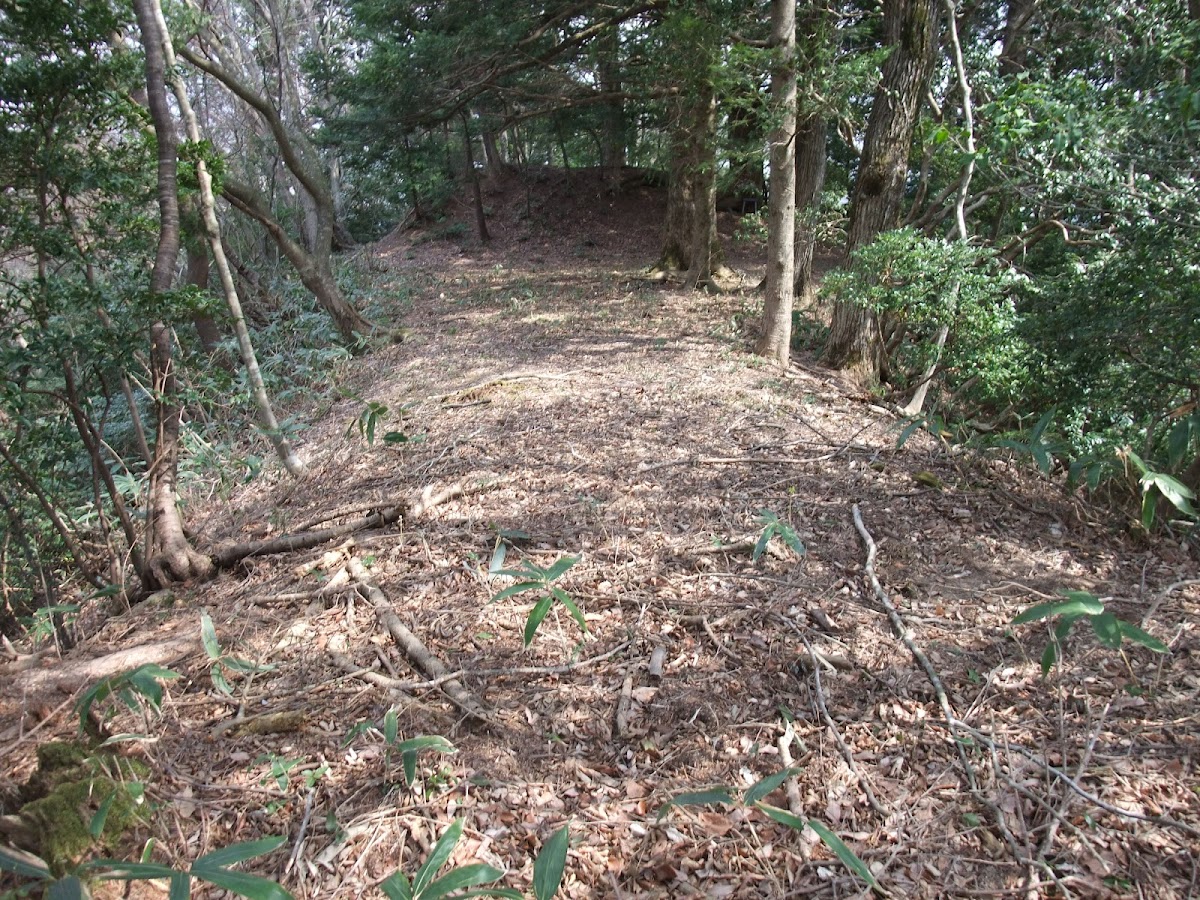
Within Kikkō Park, some of the stone walls and earthworks from the Jinya (fortified residence) era remain. These are valuable remains that show the castle construction techniques of the early Edo period and provide clues to understanding the scale and structure of the Jinya at that time. In particular, at the foot of Yokoyama, the remains of the approach road and stone walls connecting Iwakuni Castle and the Jinya remain, allowing us to understand the integrated defensive system of the mountain castle and Jinya.
Garden (Kikkōen)
Kikkōen, located in a corner of Kikkō Park, is a restoration of a part of the garden from the Jinya era, and is maintained as a Japanese garden with a pond and strolling paths. The garden is planted with seasonal flowers, and the scenery is particularly beautiful during the iris season. From the garden, you can see Yokoyama (Shiroyama) and imagine the landscape of the former Jinya (fortified residence).
Access to Iwakuni Jinya and Nearby Sightseeing
Access Method
To reach the Iwakuni Jinya Ruins (Kikkō Park), take a bus from Iwakuni Station on the JR Sanyo Main Line/Gantoku Line for about 15 minutes, get off at the “Kintaikyo” bus stop, and walk for 5 minutes. It is also about a 10-minute drive from the Sanyo Expressway Iwakuni Interchange. Because it is located very close to Kintaikyo Bridge, it is common to visit it in conjunction with a visit to Kintaikyo Bridge.
Nearby Sightseeing Spots
Kintaikyo Bridge: A representative tourist attraction of Iwakuni, this beautiful arch bridge is counted as one of Japan’s three most famous bridges. Built as an important bridge connecting the Jinya and the castle town, it remains a beloved symbol of Iwakuni today.
Iwakuni Castle: Located on Mount Yokoyama, Iwakuni Castle is a replica castle tower rebuilt in 1962. From the summit, you can enjoy a spectacular view of Kintaikyo Bridge and the Seto Inland Sea. You can reach the summit by ropeway.
Iwakuni Art Museum: This museum primarily exhibits swords, armor, and other military artifacts, offering insights into Iwakuni’s samurai culture.
White Snake Viewing Area: Iwakuni is home to white snakes, designated as a national natural monument, and visitors can observe them at this viewing facility.
Sightseeing Tips
When visiting the Iwakuni Jinya Ruins, we recommend taking a leisurely stroll through the entire Kikkō Park. While visiting the various facilities within the park, you can experience the atmosphere of the Edo-period Jinya town. In particular, the Kikkō Historical Museum offers detailed information on the history of the Iwakuni Jinya and materials related to the Kikkō family, deepening your understanding.
Furthermore, crossing the Kintaikyo Bridge and viewing Kikkō Park from the opposite bank offers a beautiful landscape with the Nishiki River and Yokoyama Mountain as a backdrop. The Iwakuni Jinya Ruins, with its cherry blossoms in spring, fresh greenery in early summer, autumn leaves, and snowscapes in winter, displays a different face in each season, offering new discoveries with every visit.
Summary
The Iwakuni Jinya, built at the foot of the mountain where Iwakuni Castle was abandoned due to the “One Castle Per Province” decree, served as the residence of the Kikkawa clan throughout the Edo period and functioned as the administrative center of the Iwakuni domain. Despite its unique status of not being officially recognized as a domain, it effectively operated as an independent domain, developing into the political, economic, and cultural center of eastern Suō Province.
After the turmoil of the late Edo period, it was finally recognized as an independent Iwakuni domain just before the Meiji Restoration, but it ceased to exist just three years later with the abolition of the feudal domains and establishment of prefectures. Currently, the Jinya ruins have been developed into Kikkō Park, and along with Kintaikyo Bridge, it is a representative tourist attraction of Iwakuni City.
Kikkō Park, with its remaining Edo-period buildings, gardens, and stone walls, is a valuable place that conveys the history of the Iwakuni Jinya (fortified residence). When you visit Yamaguchi Prefecture, be sure to stop by the Iwakuni Jinya site and experience the history and culture of the town ruled by the Kikkawa clan. You will be able to feel the atmosphere of the Edo period amidst the beautiful scenery surrounded by the clear waters of the Nishiki River and the greenery of Yokoyama.

.png)