Complete Guide to Midono Mejiro Castle | A Thorough Explanation of the Place Where Hosokawa Gracia Was Imprisoned
What is Midono Mejiro Castle?
Midono Mejiro Castle is a historical castle site located in Yasaka-cho, Kyotango City, Kyoto Prefecture. This site holds significant importance in Japanese history as the place where Hosokawa Gracia (Akechi Tama, Tamako), known as a tragic heroine of the Sengoku period, was imprisoned.
Also known as Goten Yashiki, this castle site is where Tamako, the wife of Hosokawa Tadaoki, was forced to live in seclusion for about two years immediately after the Honnoji Incident in 1582. Even today, many history enthusiasts are interested in what kind of life she led in this remote mountainous area of the Tango Peninsula.
How to Pronounce Midono Mejiro Castle
The correct pronunciation of “Midono Mejiro Castle” is “Midono Mejiro”. The place name “Ajino” is pronounced “Midono,” and “Mejiro” is pronounced “Mejiro.” The stone monument at the site is inscribed with “Ajino Mejiro Ato” (Ajino Mejiro Ruins), which is correctly pronounced “Midono Mejiro Ato.”
This pronunciation has been established locally for a long time, and along with its counterpart, “Ojiro” (male castle), it is an indispensable part of the history of this region.
The History of Hosokawa Gracia and Ajino Mejiro Castle
The Honnoji Incident and the Circumstances of Her Imprisonment
The Honnoji Incident, in which Akechi Mitsuhide assassinated his lord, Oda Nobunaga, at Honnoji Temple on June 2, 1582 (Tensho 10), is one of the most famous events in Japanese history. This incident drastically altered the fate of Mitsuhide’s daughter, Tama (later Hosokawa Gracia).
Tama’s husband, Hosokawa Tadaoki, fearing his involvement in his father-in-law Akechi Mitsuhide’s rebellion, and also because his wife was the daughter of a rebel, made the agonizing decision to divorce Tama. However, instead of a complete divorce, he chose to confine Tama to “Tanba no Uchiyama Santono,” or Mitono, in the mountains of Tango Province.
Two Years of Seclusion
Life at Mitono Castle was completely different from the glamorous life of a daimyo’s wife that she had previously enjoyed. It is presumed that her days spent in a remote mountain area with only a limited number of ladies-in-waiting were mentally and physically demanding.
The period of confinement lasted approximately two years. During this time, Tama is said to have spent her time reading and praying, and it is believed that the spiritual foundation for her later conversion to Christianity was formed during this period. Her solitary life in the mountains may have deepened her inner self.
In 1584, thanks to the intercession of Toyotomi Hideyoshi, Tama was released from Ajino and allowed to return to her husband, Tadaoki. Afterward, she was baptized into Christianity and received the baptismal name “Gracia” (meaning “grace”).
The Later Life of Hosokawa Gracia
After returning from Ajino, Gracia lived in Osaka. During the Battle of Sekigahara in 1600, she refused to become a hostage of Ishida Mitsunari and met a tragic end at the Hosokawa residence in Osaka. This tragic death elevated her to the status of a legendary figure in history.
Structure and Characteristics of Ajino Women’s Castle
Differences Between Women’s and Men’s Castles
There are two castle ruins in Ajino: “Women’s Castle (Mejiro)” and “Men’s Castle (Ojiro).” These two castles had clearly defined roles.
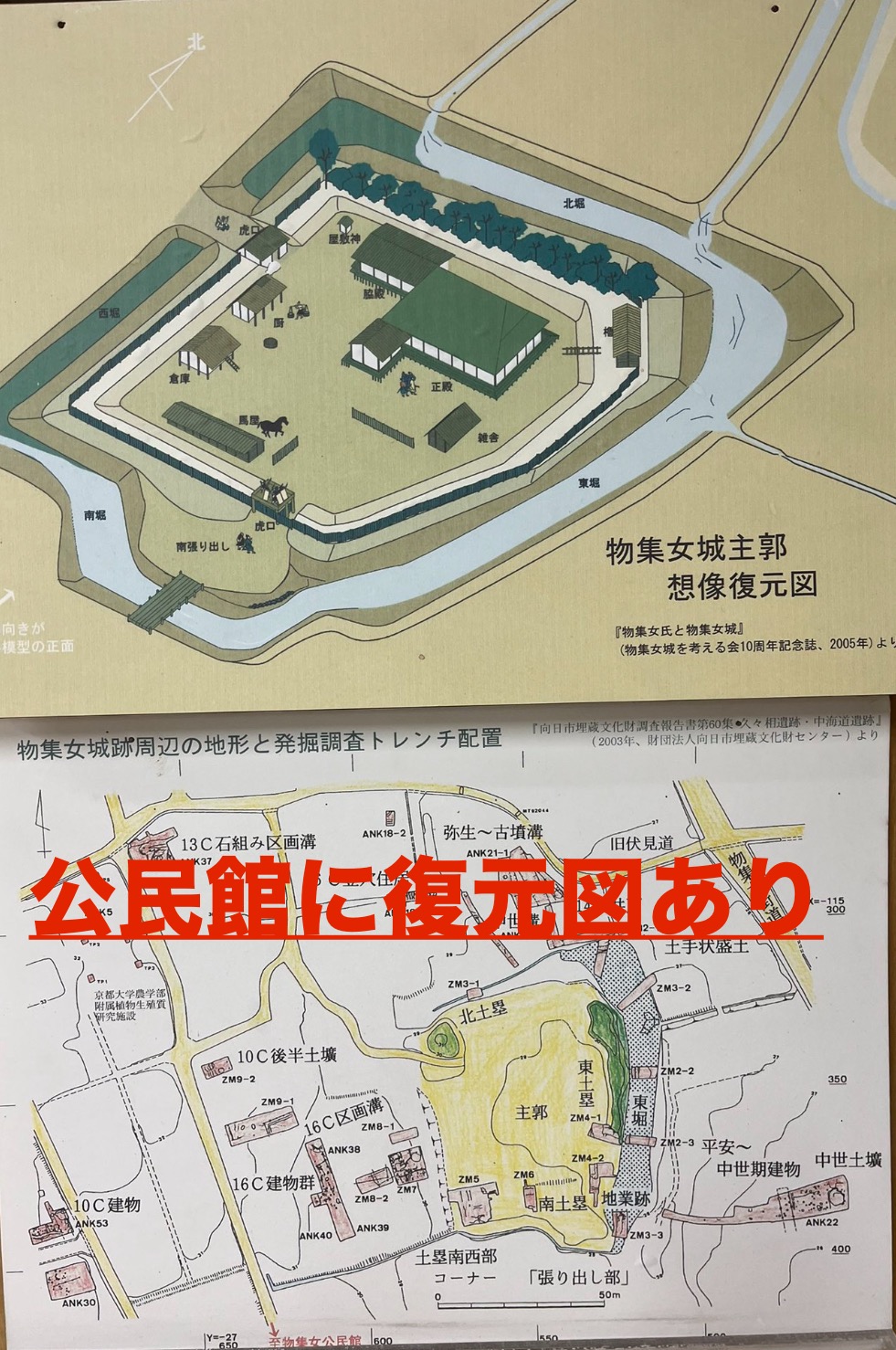
Mejiro (Women’s Castle) is the actual residence of Hosokawa Gracia. Located at the tip of a mountain ridge, it provided a relatively flat living space. As it is also called the Palace Residence, it is believed that buildings for Tama and her ladies-in-waiting were constructed here.
Ojiro (Men’s Castle) was a facility for monitoring and guarding Mejiro. Located a short distance from Mejiro, it was staffed by Hosokawa retainers who monitored Tama’s movements and prevented intrusion from the outside.
This dual structure can be seen as reflecting Hosokawa Tadaoki’s complex feelings of wanting to ensure Tama’s safety while keeping her confined.
Castle Location and Topography
Mitono Mejiro is located in the central, mountainous, and rugged terrain of the Tango Peninsula. Its location in the mountains of Yasaka-cho, Kyotango City, was extremely difficult to access at the time.
The castle ruins were built utilizing the tip of a mountain ridge, showcasing a structure that skillfully takes advantage of the natural terrain. The surrounding area is enclosed by deep valleys and steep slopes, indicating its excellent defensive position.
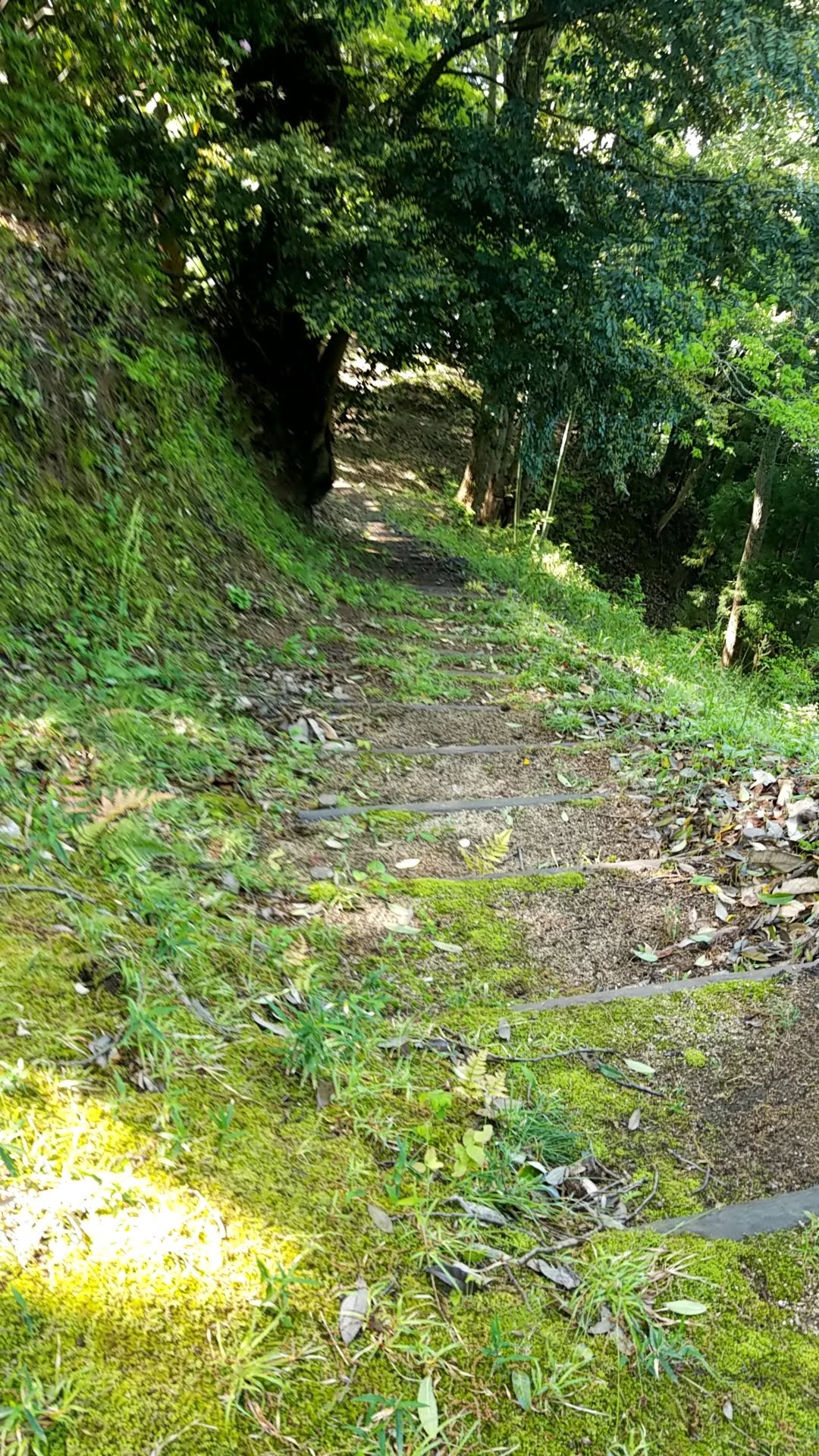
Even today, the path to the Onnajo Castle ruins requires climbing a mountain trail, allowing us to imagine the route by which Tama was brought to this location.
Current Remains
Currently, there are no clear building remains at the Ajino Onnajo Castle ruins, but traces of flat enclosures and earthworks can be seen.
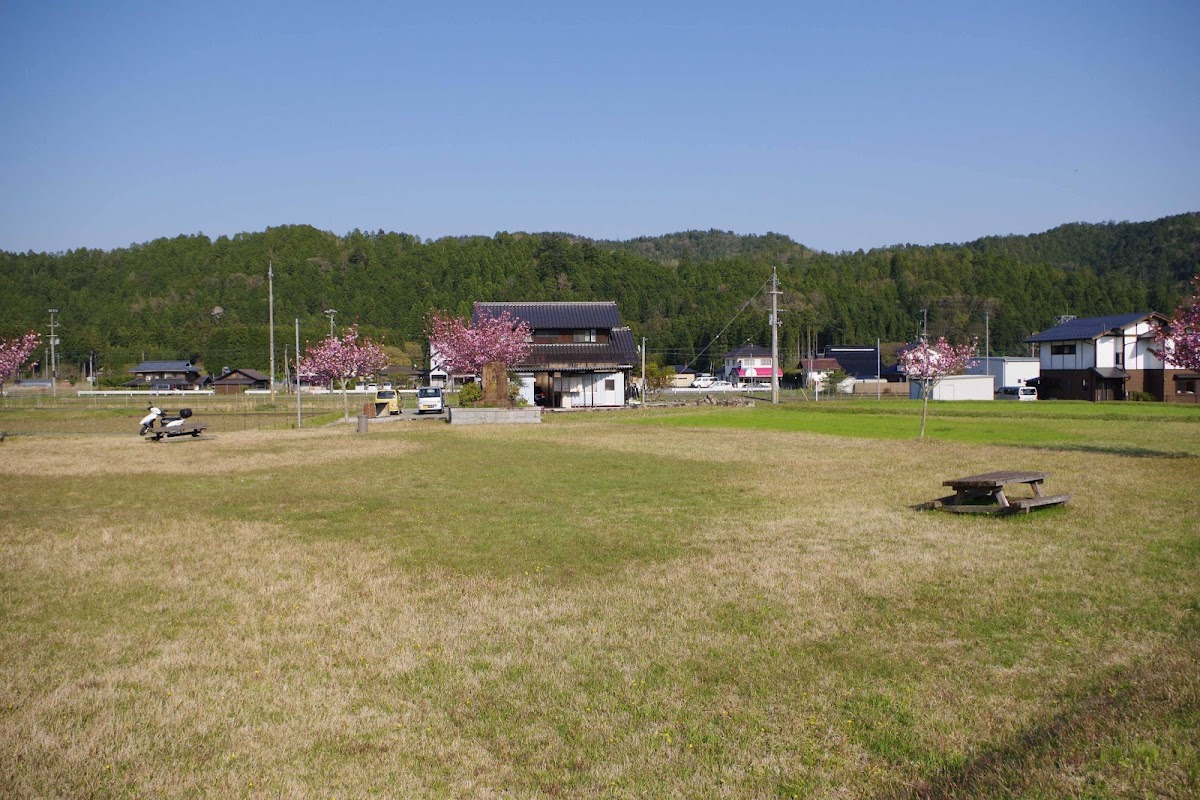
A stone monument inscribed with “Ajino Onnajo Castle Ruins” stands at the castle site, indicating its connection to Hosokawa Gracia. The area around the monument has been maintained, creating a space where visitors can reflect on history.
Because archaeological excavations have been limited, many details about the layout and structure of the buildings remain unknown. Further investigations are expected to yield new discoveries.
Highlights of Mitono Onnajo Castle
Stone Monument and Information Board
The stone monument erected at the site of Onnajo Castle is one of the most important points of interest for visitors. Inscribed with “Ajitono Onnajo Castle Ruins,” this monument is a valuable memorial that conveys the history of Hosokawa Gracia’s time in this area.
An information board is also installed near the monument, providing detailed explanations of the events surrounding the Honnoji Incident, the background of Hosokawa Gracia’s imprisonment, and her life in this area. Understanding the historical background before visiting the castle ruins will allow for a deeper appreciation of the site.
Enclosure Remains and Topography
The enclosure remains of Onnajo Castle are a relatively flat space spread out at the tip of the mountain ridge. It is believed that a palace was built here, and that Tama and her ladies-in-waiting lived here.
Although currently covered with trees, careful observation reveals traces of artificial leveling and remnants of earthworks. It can be said to be a valuable historical site for learning about the structure of mountain castles during the Sengoku period.
Surrounding Scenery
From the Ajino Onnajo Castle Ruins, you can enjoy a panoramic view of the Tango Mountains. The environment, surrounded by deep mountains, allows you to relive the feelings of loneliness and confinement that Tama experienced at the time.
At the same time, you can enjoy the beauty of nature throughout the seasons. The fresh greenery of spring, the deep green of summer, the autumn foliage, and the snowy landscape of winter—the nature of Ajino, which shows different expressions depending on the season, adds further appeal to the historical value of the castle ruins.
Access and Visiting Guide
Location
Address: Ajino, Yasaka-cho, Kyotango City, Kyoto Prefecture
Ajino Onnajo Castle is located in the mountainous area in the central part of the Tango Peninsula. Because it is located far from the center of Kyotango City, advance planning is necessary for a visit.
Access by Car
Visiting by car is the most convenient option. The following route is common:
- From Kyoto City: Take the Kyoto Jukan Expressway north and exit at the Yosa-Amanohashidate IC. After that, it’s about 50 minutes via National Route 176 and the prefectural road.
- From Osaka: Take the Maizuru-Wakasa Expressway, and from Maizuru-Nishi IC, take National Route 27 and National Route 178 for about 1 hour and 30 minutes.
There is a small parking space near the castle ruins, but the number of spaces is limited, so caution is advised on holidays.
Access by Public Transportation
Visiting by public transportation is difficult. The nearest train stations are Mineyama Station or Amino Station on the Kyoto Tango Railway, but there are few bus services from there to the castle ruins, so you will ultimately need to walk or take a taxi.
For groups of history enthusiasts, chartering a taxi or renting a car is recommended.
Visiting Hours and Precautions
- Free Visiting: The castle ruins are open to visitors at all times (however, daytime hours are recommended).
- Estimated Time Required: Approximately 30 minutes for visiting the area around the stone monument, and about 1 hour if you include a stroll around the surrounding area.
- Attire: Comfortable clothing and walking shoes are essential as you will be walking on mountain trails.
- Season: Due to the possibility of snow in winter, visits from spring to autumn are recommended.
- Facilities: There are no facilities such as toilets or vending machines. Preparation is necessary beforehand.
Visiting Otoko-jo Castle
After visiting Onna-jo Castle, we recommend visiting the Otoko-jo Castle ruins as well. Otoko-jo Castle is located a short distance from Onna-jo Castle and is accessible on foot. Visiting both will give you a better understanding of the entire castle system in Ajino.
Nearby Tourist Attractions
Sites Associated with Hosokawa Gracia
After visiting Ajino Onna-jo Castle, consider visiting other sites associated with Hosokawa Gracia in the Tango region.
Miyazu Castle Ruins: The site of Miyazu Castle, ruled by Hosokawa Tadaoki. This is where Gracia lived before being confined to Ajino. It is currently maintained as a park.
Miyazu Catholic Church: A church where you can remember Gracia’s faith. There are also exhibits related to Gracia.
Historical Spots in Tango
Tango Local History Museum: A museum in Kyotango City where you can learn about the history and culture of the Tango region. There are also exhibits related to Hosokawa Gracia, making it ideal for preparation or review before visiting Ajino.
Amanohashidate: One of Japan’s three most scenic views. Located about 40 minutes by car from Ajino, it allows you to combine sightseeing with historical exploration.
Hot Springs and Gourmet Food
The Tango Peninsula is also known for its hot springs. After visiting Ajino, it’s recommended to relax in a nearby hot spring.
- Yuhigaura Onsen: A hot spring resort famous for its beautiful sunsets.
- Kizu Onsen: A historic hot spring resort.
Furthermore, Tango is a region rich in seafood. The snow crab, especially in winter, is exquisite, allowing you to enjoy gourmet food along with historical exploration.
Historical Significance of Mitono Women’s Castle
The Fate of Women in the Sengoku Period
Mitono Women’s Castle is a place that symbolizes the position and fate of women in the Sengoku period. Hosokawa Gracia was imprisoned for reasons beyond her control, namely her father’s rebellion.
This event vividly illustrates the reality that women in the Sengoku period were often treated as political tools. At the same time, Gracia’s strong will and faith, which she displayed throughout her life, convey to the present day the image of a woman who maintained her identity even in the face of adversity.
Importance in the History of Christianity in Japan
Hosokawa Gracia is one of the most famous figures in the history of Christianity in Japan. Her imprisonment in Mitono may have influenced the formation of her later faith.
Her experience of seeking spiritual support amidst loneliness and despair may have laid the foundation for her later attraction to Christianity. In this sense, Mitono Women’s Castle can be said to be an important place that tells the prehistory of Christianity in Japan.
Cultural Influence
The story of Hosokawa Gracia has been depicted in various forms, from novels and plays to films and dramas, from the Edo period to the present day. Her confinement in Ajino forms an important part of that story.
Especially in recent years, her story has become known to younger generations through historical novels and games, and the number of visitors to Ajino Castle has increased. This historical site continues to take on new meaning as it connects with modern culture.
Preservation and Development of Ajino Castle
Current State of Preservation
The Ajino Castle ruins are recognized as a historical site by Kyotango City, and certain preservation measures have been taken. These include the installation of stone monuments and explanatory signs, and the maintenance of minimal hiking trails.
However, it has not received national historical site or other cultural property designation, and large-scale excavations and development have not been carried out. Therefore, many details of the remains remain unclear.
Future Challenges
There are several challenges to further preserving and utilizing Mitono Onna Castle:
- Academic Research: Clarifying the remains through full-scale archaeological excavations
- Maintenance: Maintaining the site while ensuring visitor safety and preserving the historical landscape
- Improved Access: Creating an environment that is more easily accessible to more people
- Information Dissemination: Efforts to spread the story of Hosokawa Gracia more widely
Local history enthusiasts, researchers, and the government are working together to continue efforts to pass on this valuable historical site to future generations.
Visitor Feedback and Evaluation
History enthusiasts who have visited Mitono Onna Castle have shared various impressions.
Many comments include: “I could truly feel Gracia’s solitude in this remote mountain location,” “I reflected on her life in front of the monument,” and “Access is difficult, but it’s a place worth visiting.”
On the other hand, there have also been requests for improvements such as “It would be better if it were more well-maintained” and “The explanations could be more detailed,” and further improvements are expected.
While the castle ruins themselves are limited, the historical significance and surrounding natural environment combine to create a deeply memorable place for visitors.
Summary: The Significance of Visiting Mitono Onnajo Castle
Mitono Onnajo Castle symbolizes a turning point in the life of Hosokawa Gracia. Standing here, one can truly feel how the historical event of the Honnoji Incident drastically altered an individual’s fate.
Gracia’s loneliness and suffering during her two years in the remote mountainous region of Tango, and her strong convictions in the life that followed, speak volumes to us living today.
Access is not easy, but this is precisely why one can gain a deeper understanding of the circumstances of that time. For history buffs and those interested in Hosokawa Gracia, this is a place you should definitely visit.
Spending time contemplating the history of the Sengoku period at the Mitono Onnajo Castle ruins, surrounded by the beautiful nature of Tango, will surely be an unforgettable experience.