Matsushiro Castle (Tokamachi, Niigata Prefecture) Complete Guide | The Charm of the Mountain Castle and Observation Deck Associated with Uesugi Kenshin
Matsushiro Castle, located in Tokamachi City, Niigata Prefecture, is a historical castle site known as a mountain castle used by Uesugi Kenshin during the Sengoku period. Unlike “Matsushiro Castle” in Nagano City, Nagano Prefecture, this one is pronounced “Matsudai-jo.” Currently, an observation deck modeled after the castle tower stands there, attracting many tourists as a tourist spot offering panoramic views of the town of Matsushiro and the Uonuma mountains, and also as an exhibition facility for works from the Echigo-Tsumari Art Triennale.
This article provides detailed information you should know before visiting Matsushiro Castle, including its history, highlights, access methods, fees, and opening hours.
History and Origin of Matsushiro Castle
Construction by the Kazama Clan and Early History
Matsushiro Castle is a mountain castle built in Matsushiro, Kubiki District, Echigo Province (present-day Jōno-koshi, Matsushiro, Tokamachi City, Niigata Prefecture). According to legend, this castle originated as the residence of Kazama Kurozaemonjo Sadakatsu. Built on a strategically important location on the south bank of the Shibukai River, on the summit of Matsushiro Castle Mountain (385m above sea level), it functioned as a base for regional control.
Development and Military Role by Uesugi Kenshin
During the Sengoku period, Uesugi Kenshin, a renowned general of Echigo Province, took notice of Matsushiro Castle. While Kenshin’s main base was Kasugayama Castle, he needed to establish branch castles throughout his territory for effective administration. Matsushiro Castle was developed as one of these important branch castles.
Matsushiro Castle’s military role was to monitor the Mikuni Kaido (also known as the Uesugi Military Road). This road was a crucial transportation route connecting Echigo and the Kanto region, occupying an extremely important position both militarily and economically. It is believed that by raising smoke signals from Matsushiro Castle, enemy movements and emergencies could be quickly transmitted to Kasugayama Castle.
Castle Structure and Characteristics
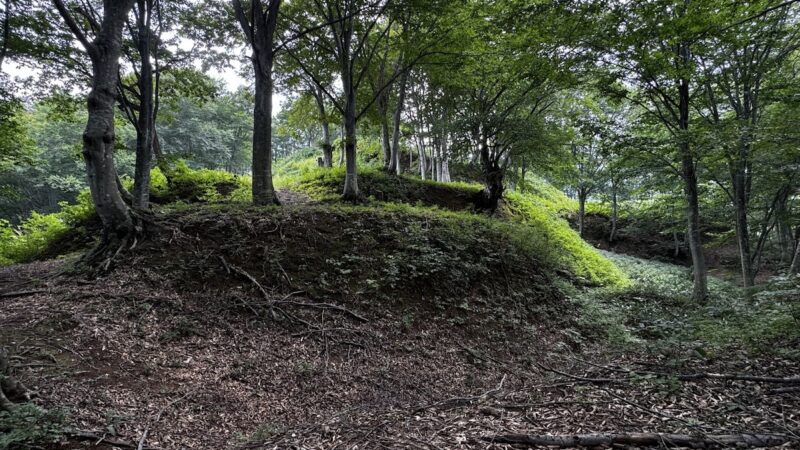
Matsushiro Castle, as a typical mountain castle, had a structure where baileys (kuruwa) were arranged by leveling a narrow ridge. On the mountaintop behind where the replica keep stands, the baileys known as the Honmaru, Ninomaru, and Sannomaru remain. However, due to the structure utilizing the narrow ridge, each bailey is relatively small, suggesting that the castle was primarily intended for surveillance and information transmission rather than for stationing large armies.
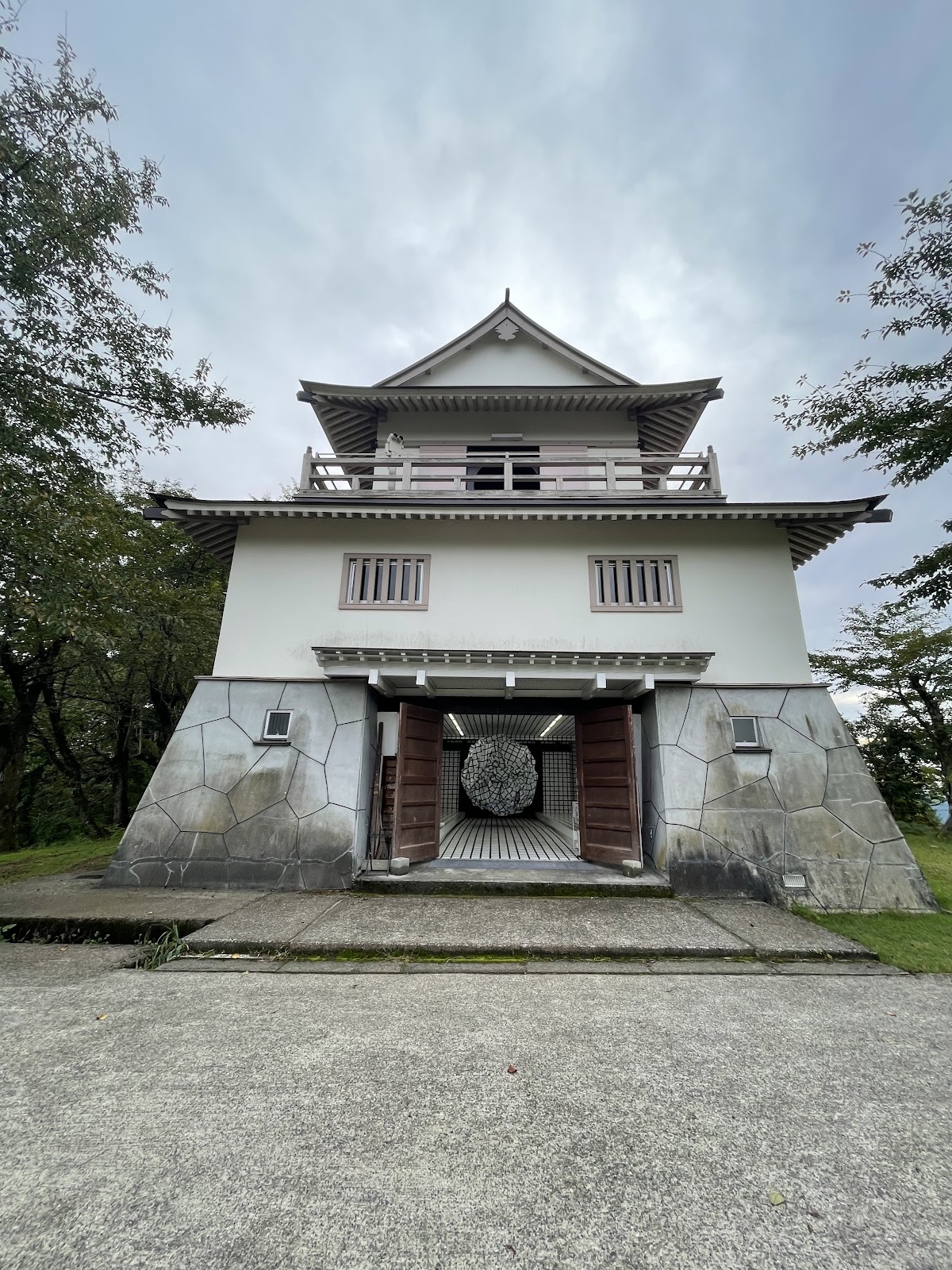
Currently, on the site of the Sannomaru, an observation facility modeled after a keep, built in 1981, stands as a symbol of the castle ruins.
Cultural Value
Matsushiro Castle ruins were designated as a cultural property of the former Matsushiro Town on August 7, 1970, and are currently protected as a designated regional cultural property (monument) of Tokamachi City. It is recognized for its historical and cultural value as a valuable historical site that preserves the remains of a mountain castle from the Sengoku period.
Highlights of Matsushiro Castle Ruins Park
Spectacular Views from the Observation Deck Modeled After the Castle Tower
The greatest attraction of Matsushiro Castle is undoubtedly the 360-degree panoramic view from the observation deck located on the summit of Shiroyama Mountain, 384 meters above sea level. Built in 1981, this observation deck, designed to resemble the castle tower, is a landmark of Matsushiro Castle.
From the observation deck, you can look down on the townscape of the Matsushiro area, and in the distance, enjoy the magnificent mountain ranges of the Uonuma Mountains and Mount Yoneyama. The beautiful scenery of each season—fresh greenery in spring, deep green in summer, vibrant autumn leaves, and snowscapes in winter—captivates visitors. The view on a clear day is particularly breathtaking, allowing you to fully appreciate the natural beauty of the Echigo region.
Artwork Exhibition at the Echigo-Tsumari Art Triennale
Matsushiro Castle is also used as an exhibition venue for the “Echigo-Tsumari Art Triennale,” held every three years. Contemporary art works are displayed inside the castle, offering a unique experience where historical space and contemporary art merge.
The exhibited works are regularly changed, so there are new discoveries with each visit. It’s an interesting transformation from a place that once served a military role as a signal fire castle to a center for art and culture.
Natural Environment Surrounded by Primeval Forests and Terraced Rice Fields
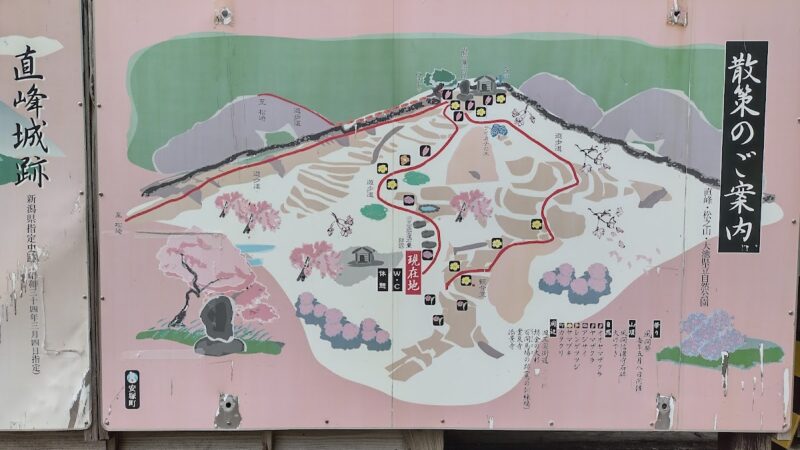
The vast grounds of Matsushiro Castle Ruins Park are surrounded by primeval forests and terraced rice fields, creating a natural environment. The path to the castle hill is well-maintained, allowing visitors to enjoy a leisurely walk while experiencing the forest atmosphere. Beautiful terraced rice fields, reminiscent of Japan’s original landscape, spread out around the area. The water’s reflections and golden scenery, especially during rice planting season and in autumn when the rice stalks ripen, captivate visitors.
The rich natural environment also makes it a charming place to encounter various creatures such as wild birds and insects. This is a truly luxurious spot where you can enjoy both historical exploration and nature observation at the same time.
Castle Ruins that Evoke Historical Romance
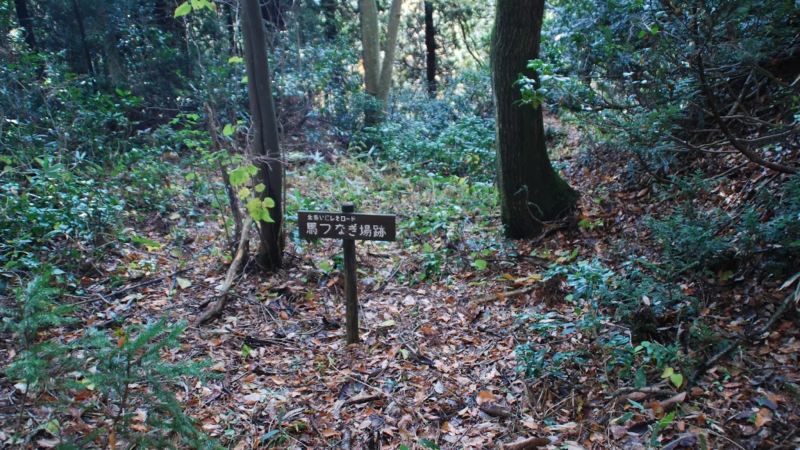
Around the observation deck, remnants of the former castle remain. You can observe the remains of the main keep, second bailey, and third bailey, as well as traces of defensive structures such as earthworks and moats, giving you a real sense of what a mountain castle from the Sengoku period was like.
Walking through the castle ruins, reflecting on the time of Uesugi Kenshin and imagining how this land was used is an irresistible pleasure for history buffs.
Access Methods and Travel Time
Access by Public Transportation
Using the Hokuhoku Line:
- Get off at Matsudai Station on the Hokuhoku Line
- Approximately 15 minutes on foot from the station to the entrance of Matsudai Castle Ruins Park
- Approximately 10 minutes on foot from the entrance to the observation deck
- Total travel time: Approximately 25 minutes from the station
Matsudai Station is an unmanned station, but there are tourist facilities such as “Matsudai Noubutai” nearby, making it a convenient base for sightseeing in the Matsudai area. The walk from the station to the castle ruins offers a pleasant stroll through tranquil rural scenery.
Access by Car
If using the Kan-Etsu Expressway:
- Approximately 30 minutes from Shiozawa-Ishiuchi IC on the Kan-Etsu Expressway via National Route 353
- Approximately 35 minutes from Muikamachi IC on the Kan-Etsu Expressway via National Route 253
If using the Hokuriku Expressway:
- Approximately 60 minutes from Joetsu IC on the Hokuriku Expressway via National Route 253
Parking is available near the entrance to the castle ruins park and is free of charge. However, during the winter months, road closures and parking lot closures may occur due to snow, so prior confirmation is necessary.
About the Ascent Route
From the parking lot or park entrance to the observation deck, it’s approximately a 10-minute walk along a well-maintained trail. While it’s a mountain path, the slope is relatively gentle, and those in good health should be able to climb without difficulty. However, the ground can become slippery during rainy weather or snowmelt, so comfortable walking shoes are recommended.
Opening Hours, Fees, and Closing Days
Opening Hours
Observation Deck Opening Hours:
- Regular Period: 9:00 AM – 5:00 PM
- During the Echigo-Tsumari Art Triennale: 10:00 AM – 5:00 PM (Closed Tuesdays and Wednesdays)
*Separate arrangements apply for overnight stays. Please inquire in advance for details.
Fees
Admission Fees:
- Visiting the Observation Deck Only: Free
- Viewing Echigo-Tsumari Art Triennale Artwork (Inside the Observation Deck): 500 yen
- Holders of Echigo-Tsumari Art Triennale Set Tickets or Noh Stage Tickets: Viewing is possible with presentation of the ticket.
Enjoying the view from the observation deck is free, but viewing the artwork inside requires a fee. During the Echigo-Tsumari Art Triennale and related events, special fee structures may apply. Please check the official website for the latest information.
Regular Closing Days
- Closed during the winter season (generally December to March)
- Closed Tuesdays and Wednesdays during the Echigo-Tsumari Art Triennale (if there are exhibits)
The Matsudai area is a heavy snowfall region, making access to the castle ruins difficult during the winter due to snow accumulation. Therefore, the observation deck is closed during the winter. Please check the season before planning your visit.
Nearby Tourist Attractions
Matsudai Noubutai
Located a 5-minute walk from Matsudai Station, Matsudai Noubutai is one of the core facilities of the Echigo-Tsumari Art Triennale. It features permanent exhibitions, special exhibitions, a restaurant, and shops, serving as a tourist hub in the Matsudai area. Visiting it in conjunction with Matsudai Castle will enhance your sightseeing experience.
Matsudai Rice Terraces
The Matsudai area boasts beautiful rice terraces, offering a landscape that evokes “Japan’s original scenery.” The “Hoshitoge Rice Terraces” are a particularly popular spot for photography enthusiasts, offering breathtaking views of the sea of clouds in the early morning and the scenery at sunset. It’s about a 15-minute drive from Matsushiro Castle.
Kiyotsu Gorge Tunnel
One of Tokamachi City’s representative tourist spots, this 750-meter-long tunnel allows visitors to enjoy the scenery of Kiyotsu Gorge, one of Japan’s three great gorges. Renovated as part of the Echigo-Tsumari Art Triennale, the “Panorama Station” at the very end of the tunnel is particularly popular for its fantastical atmosphere. It’s about a 25-minute drive from Matsushiro Castle.
Bijinbayashi Forest
The “Bijinbayashi Forest,” with its dense growth of beech trees approximately 90 years old, is truly a beautiful forest, living up to its name. The landscape created by the slender beech trees lives up to its name, offering beautiful scenery throughout the seasons. It’s about a 10-minute drive from Matsushiro Castle.
Recommended Points for Visiting
Best Season
The best season to visit Matsushiro Castle is from spring to autumn.
Spring (April-May):
This is a beautiful season of fresh greenery. Enjoy the view from the observation deck in the refreshing air after the snow melts.
Summer (June-August):
The greenery is at its deepest, and the beautiful landscape of water-filled terraced rice paddies unfolds. During years when the Echigo-Tsumari Art Triennale is held, this period is bustling with tourists.
Autumn (September-November):
The autumn foliage season is especially recommended. The Uonuma mountains change color, and the 360-degree panoramic view from the observation deck is breathtakingly beautiful. The golden terraced rice paddies before the harvest are also a highlight.
Clothing and Items to Bring
- Comfortable shoes: While the path to the castle is well-maintained, athletic shoes or trekking shoes are recommended as it is a mountain trail.
- Appropriate clothing for the season: The temperature at the summit is lower than in the lowlands, so it’s a good idea to bring a jacket in spring and autumn.
- Camera: A camera is a must-have item as it’s a scenic spot.
- Drinks: Especially in summer, be sure to bring drinks for hydration.
Estimated time required
- Visiting only the observation deck: 30 minutes to 1 hour
- Including viewing of the Echigo-Tsumari Art Triennale artworks: 1 hour to 1 hour 30 minutes
- Including exploring the surrounding area: 2 hours to 3 hours
Visiting with ample time allows you to slowly enjoy the scenery and reflect on the history.
To fully enjoy the charm of Matsushiro Castle
Learn about the historical background before visiting
Learning about Uesugi Kenshin and Echigo during the Sengoku period beforehand will make your visit to Matsushiro Castle a deeper experience. Understanding its relationship with Kasugayama Castle and the importance of the Mikuni Kaido road will help you appreciate why this castle was built in this location.
Collaboration with the Echigo-Tsumari Art Triennale
During the years of the Echigo-Tsumari Art Triennale and the periods immediately before and after, the art exhibits inside Matsudai Castle are enhanced. This unique experience, a fusion of historical castle ruins and contemporary art, is unlike anything you’ll find elsewhere, so it’s recommended to check the event information and plan your visit accordingly.
Enjoying the Entire Region
Exploring not only Matsudai Castle itself, but also the tourist spots throughout the Matsudai area and Tokamachi City will make for a more fulfilling trip. Enjoy the unique charm of this region, where nature and art blend seamlessly, including terraced rice fields, Bijinbayashi Forest, and Kiyotsu Gorge.
Enjoying Local Cuisine
Tokamachi City is known as the home of “hegi soba” (buckwheat noodles). Enjoying the authentic taste at restaurants within the Matsudai Noubutai (Matsudai Agricultural Stage) or at nearby soba shops is highly recommended. Dishes using local ingredients, including Uonuma Koshihikari rice, are also exquisite.
Accommodation and Access Points
Hotels in the Matsudai/Tokamachi Area
The following accommodations are available near Matsudai Castle:
Around Matsudai Station:
- Scattered farm stays and small inns
- Reservations are difficult to obtain during the Echigo-Tsumari Art Triennale, so early booking is necessary.
Tokamachi City Center:
- A wide variety of options, from business hotels to hot spring inns
- Approximately 20-30 minutes by car to Matsudai Castle
Echigo Yuzawa Onsen:
- Numerous large hot spring hotels
- Approximately 40 minutes by car to Matsudai Castle
- Convenient access by Shinkansen (bullet train)
Benefits of Staying Overnight
Staying in the Matsudai area allows you to visit the terraced rice fields and castle ruins during the quiet hours of the morning and evening. The sea of clouds in the early morning and the scenery at sunset are particularly appealing and difficult to experience on a day trip. Also, the Matsudai Castle observation deck may offer special accommodations for overnight guests, so it’s worth inquiring in advance.
Notes on Visiting Matsudai Castle
Winter Closure
The Matsudai area is one of Japan’s leading heavy snowfall regions. During the winter months (generally December to March), snowfall closes the access road to the castle ruins, and the observation deck is also inaccessible. Please be sure to check the opening period when planning your visit.
Weather Impact
As this is a mountain castle, it is susceptible to weather conditions. Rainy weather can make the ground slippery, and fog can obscure the view. It is recommended to check the weather forecast before visiting and choose a sunny day.
Cell Phone Signal Strength
Due to the mountainous location, cell phone signals may be weak or unavailable in some areas. It is advisable to note down contact information for nearby facilities in advance in case of emergencies.
Insect Repellent Measures
From spring to autumn, and especially during the summer, there are many insects. It is recommended to take precautions against insect bites, such as using insect repellent spray and wearing long-sleeved clothing.
Summary
Matsushiro Castle in Tokamachi City, Niigata Prefecture, is a fascinating tourist spot that blends the historical romance associated with Uesugi Kenshin, breathtaking panoramic views from an altitude of 384m, and contemporary art. While retaining traces of its Sengoku period mountain castle, it has created new value as a stage for the Echigo-Tsumari Art Triennale.
Matsushiro Castle offers beautiful scenery throughout the seasons, from the fresh green of spring to the deep green of summer and the vibrant autumn foliage. The surrounding area also boasts numerous other tourist attractions unique to Tokamachi City, where nature and art harmonize, such as terraced rice fields, Bijinbayashi Forest, and Kiyotsu Gorge.
Matsushiro Castle offers something for everyone—history buffs, nature lovers, and art enthusiasts alike. When visiting Niigata Prefecture, be sure to stop by. The view of the Echigo landscape from the observation deck will surely become an unforgettable memory.
Before visiting, please check opening hours, fees, and seasonal closure information in advance, wear comfortable clothing, and allow ample time for your visit. Matsushiro Castle awaits you.