A Thorough Explanation of the History and Highlights of Sanjoin Castle (Tsukubamirai City, Ibaraki Prefecture)
What is Sanjoin Castle?
Sanjoin Castle is a medieval mountain castle located in Minami-Ota, Tsukubamirai City, Ibaraki Prefecture. Situated on the edge of the Ina Plateau in Hitachi Province, it is known as a multi-bailey castle with a scale of approximately 300 meters north-south and 150 meters east-west.
Built on a plateau bordered by the Kokai River to the west and Ushiku Marsh to the east, the castle is thought to have been surrounded by marshes and wetlands, and it possessed a defensive structure that skillfully utilized the natural terrain. Currently, the area is forested, and the remains such as earthworks and dry moats are well-preserved.
There are no historical records or legends regarding the castle’s construction period or lord, and the details are unknown. However, based on its structure and location, it is presumed to have been the residence of a local powerful family built in the late medieval period.
History of Sanjoin Castle
Background and Era of Construction
The exact construction date of Sanjoin Castle is unknown, but based on the structure of the castle and the characteristics of its remains, it is believed to have been built during the Sengoku period (late 15th to 16th centuries). During this period, powerful daimyo such as the Oda, Yuki, and Satake clans were vying for power in Hitachi Province, and local powerful families also built many castles to protect their respective territories.
The area around the Ina Plateau was a strategically important transportation hub, situated between the Kokai River and Ushiku Marsh, and held a militaryly significant position. It is presumed that Sanjoin Castle also functioned as a base for regional control.
Lords and Changes in Ownership
Unfortunately, there are no reliable historical records regarding the lords of Sanjoin Castle. Based on local traditions and its connection to surrounding castles, it is highly likely that it was the residence of a local powerful family that ruled the Ina region.
During the late Sengoku period in the Kanto region, many small and medium-sized castles were abandoned following Toyotomi Hideyoshi’s siege of Odawara (1590). Sanjoin Castle is believed to have been abandoned around the same time, and it appears to have been out of use by the Edo period.
Archaeological Excavation and Research
Excavations conducted by the Ibaraki Prefectural Educational Foundation have revealed the detailed structure of the Sanjoin Castle ruins. According to the research, the castle had a linear structure consisting of three enclosures, each separated by earthworks and dry moats.
Because the site is still preserved as a forest, the remains are relatively well-preserved, making them valuable resources for castle research.
Structure and Layout of Sanjoin Castle
Location and Topography
Sanjoin Castle is located on the edge of the Ina Plateau, west of the current Ina Higashi Junior High School. The plateau extends in a tongue-like shape to the northwest, and the surrounding area is a wetland. The castle’s layout is characterized by its maximum utilization of this topography.
By utilizing the elevation differences of the plateau, the castle’s function as a natural stronghold was enhanced, making it difficult for attackers to approach. Even today, standing on the edge of the plateau provides a clear view of the surrounding terrain.
Arrangement of Enclosures
Sanjoin Castle is mainly composed of two to three enclosures. The largest enclosure is located in the center of the castle, surrounded by earthen ramparts. Each enclosure is clearly demarcated by large dry moats, exhibiting a typical structure of a series of interconnected enclosures.
The main enclosure is estimated to be approximately 50 meters east-west and 80 meters north-south, a standard size for a castle of a local powerful family in the medieval period. The second and third enclosures are also clearly identifiable, indicating the construction of a tiered defensive line.
Characteristics of Earthen Ramparts
One of the greatest highlights of Sanjoin Castle is its well-preserved earthen ramparts. The ramparts surrounding the main enclosure are approximately 2-3 meters high, with some sections exceeding 4 meters. The tops of the ramparts are flat, suggesting that fences or walls were once installed there.
The earthworks were not merely defensive structures, but also served to clearly define the divisions within the castle. Even today, walking through the woods, the undulations of the earthworks are clearly visible, allowing one to appreciate the castle’s structure at the time.
Structure of the Dry Moats
The dry moats separating each enclosure are an important defensive structure of Sanjoin Castle. The largest dry moat is over 10 meters wide and approximately 5 meters deep, effectively preventing enemy intrusion.
The dry moats are not simple straight lines, but curve to follow the terrain, showing ingenuity in flanking fire. This technique, allowing attacks from the flanks, demonstrates the development of castle-building technology during the Sengoku period.
Even today, there are places where you can walk along the bottom of the dry moats, experiencing their depth and scale. The height of the earthworks viewed from the bottom of the moats is impressive, illustrating the high level of castle-building technology of the time.
Highlights of Sanjoin Castle
Main Enclosure and Earthworks
When visiting Sanjoin Castle, first explore the main enclosure and the earthworks surrounding it. The main enclosure is the central part of the castle and is presumed to be the location of the lord’s residence. The enclosure is relatively flat, and although no building foundations have been found, it allows us to imagine the living space of the time.
The earthen ramparts surrounding the main enclosure are well-preserved, and walking around them gives a real sense of the castle’s scale. There are places where you can walk on top of the ramparts, offering panoramic views of the surrounding terrain.
Large Dry Moat
The large dry moat separating the main enclosure from the second enclosure is the most impressive structure of Sanjoin Castle. The wide and deep moat remains clearly visible today and is a popular spot for photography.
Looking up from the bottom of the moat, the height of the earthen ramparts on both sides is striking, giving a real sense of the castle’s strong defenses as a medieval fortress. Depending on the season, fallen leaves accumulate in the moat, creating a mystical atmosphere.
Connection to Asama Shrine
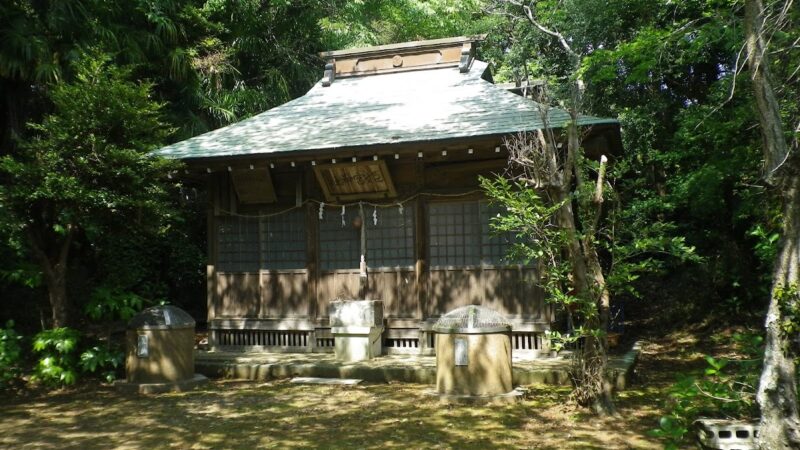
Asama Shrine is located near Sanjoin Castle, and a connection between the castle and the shrine has been suggested. In medieval castles, it was common to place shrines within or near the castle grounds, playing an important role as places to pray for military success.
Visiting Asama Shrine allows for a deeper understanding of the religious aspects of the castle and the beliefs of the people of that time.
Preservation of the Remains
Sanjoin Castle is currently preserved as a forest, thus escaping destruction by development. Therefore, the remains such as earthworks, dry moats, and baileys remain in a form close to their original state, making them valuable resources for the study of medieval castles.
In particular, the cross-sections of the earthworks and the shapes of the dry moats provide important information for understanding the castle construction techniques of the time. Visitors can experience the reality of a Sengoku period castle through the almost untouched remains.
Access to Sanjoin Castle
Location
Address: Minami-Ota, Tsukubamirai City, Ibaraki Prefecture
Sanjoin Castle is located west of Ina Higashi Junior High School. Access to the castle ruins is more convenient by private car than by public transport.
Access by Car
- Approximately 10 minutes from the Joban Expressway “Yawara IC”
- Accessible via a prefectural road from National Route 294
- Caution is advised as there is no designated parking area, especially on-street parking.
Access by Public Transportation
- Approximately 15 minutes by taxi from Tsukuba Express “Miraihei Station”
- Bus service is infrequent, so it is recommended to check the timetable in advance.
Points to Note When Visiting
Sanjoin Castle is not a well-maintained tourist facility, but a historical site located in a forest. Please note the following points when visiting:
- Clothing: Long sleeves, long pants, and comfortable walking shoes are essential as you will be walking through the forest.
- Season: In summer, vegetation can be overgrown, making it difficult to see the remains. Recommended time to visit: Autumn to Spring
- Insect repellent: Bring insect repellent spray as there are many insects such as mosquitoes and ticks.
- Safety: Watch your step as some parts of the earthworks and dry moats can be slippery.
- Manners: Please follow any “No Trespassing” signs, as some areas may be private property.
Nearby Castles and Tourist Spots
Moriya Castle
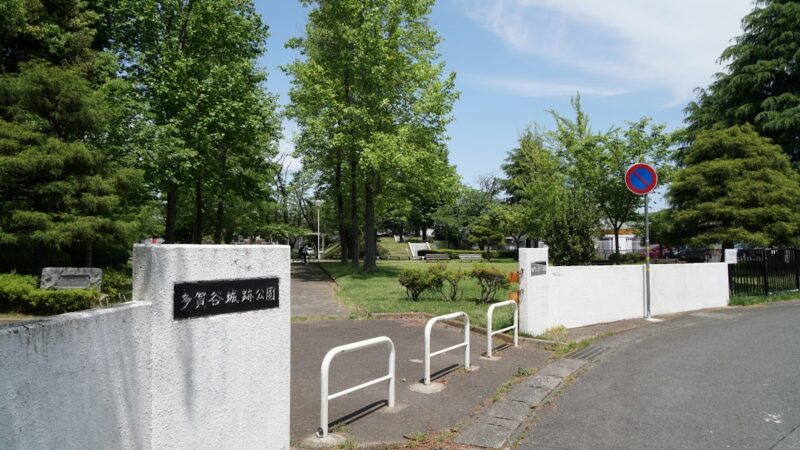
Located approximately 10 kilometers northeast of Sanjoin Castle, Moriya Castle is an ancient castle said to have been built by a family of Taira no Masakado. During the Sengoku period, it became the residence of the Soma clan and was abandoned after the Siege of Odawara. Currently, it is maintained as Moriya Castle Ruins Park, where visitors can see the remains of earthworks and dry moats.
Itabashi Castle
Itabashi Castle is a medieval castle located south of Sanjoin Castle, also built on the Ina Plateau. Although small in scale, remnants such as earthworks and moats remain, and visiting them together with Sanjoin Castle allows you to understand the regional castle network.
Mito Castle
Mito Castle, a representative castle of Ibaraki Prefecture, is located in the center of Mito City, about 40 kilometers north of Sanjoin Castle. During the Edo period, it flourished as the residence of the Mito Tokugawa family, one of the three main branches of the Tokugawa clan. Currently, remnants such as the Kodokan and the Otemon Gate are open to the public.
Tsuchiura Castle
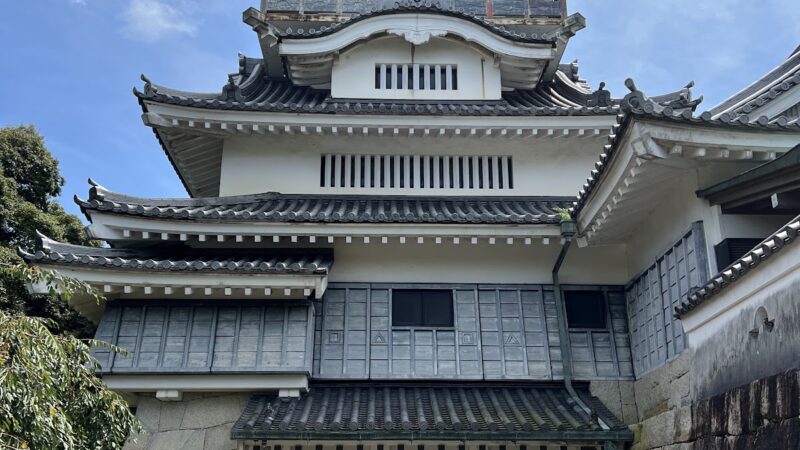
Tsuchiura Castle is located in Tsuchiura City, about 20 kilometers east of Sanjoin Castle, and is a flatland castle facing Lake Kasumigaura. The main keep’s turret gate and earthworks have been restored, and a museum is also located on the premises. It is an essential spot for a castle tour of Ibaraki Prefecture.
Kasama Castle
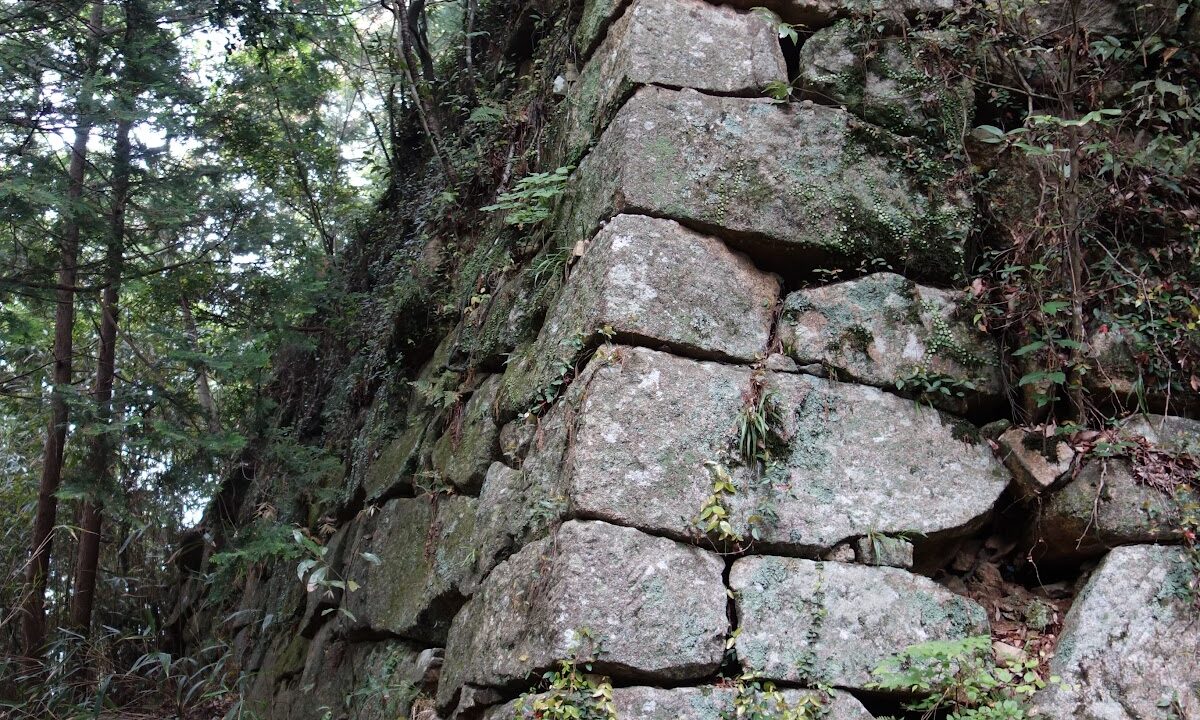
Kasama Castle is a mountain castle located in Kasama City, about 35 kilometers northwest of Sanjoin Castle, and is known as the residence of the Kasama clan. From the main keep ruins at the mountaintop, you can enjoy a panoramic view of the Kanto Plain, and the remains such as stone walls and moats are also worth seeing.
The Charm and Value of Visiting Sanjoin Castle
The Charm of Its Undeveloped Nature
Sanjoin Castle is a “raw castle ruin” that has not been developed as a tourist destination. Because there are no signposts or walking paths, visiting may be somewhat difficult, but this makes it a valuable place to experience remains that are close to their original appearance.
One of the charms of Sanjoin Castle is the sense of exploration that you can’t experience at developed castle ruins. Walking along the earthworks and dry moats and discovering things on foot will be a special experience for castle enthusiasts.
Photography Tips
Sanjoin Castle is also a suitable spot for photography. The following points are especially recommended:
- Large Dry Moat: The impressive composition of the earthworks viewed from the bottom of the moat
- View from the Top of the Earthworks: A panoramic view of the surrounding terrain
- Autumn Foliage Season: The contrast between the colorful trees and the ruins is beautiful in autumn
- Early Morning Light: A fantastical atmosphere created by the morning sun filtering through the trees
From the Perspective of Castle Research
Sanjoin Castle provides important material for studying medieval castles in the Kanto region. You can learn concretely about Sengoku period castle construction techniques, such as the multi-bailey structure, the defensive system using earthworks and dry moats, and the layout that utilizes the terrain.
In particular, because historical records are scarce, there is a fascinating aspect to deciphering the castle’s history from the ruins themselves. Imagining the intentions of the builder and the tactics of the time from the height of the earthworks and the shape of the dry moats is a true pleasure of castle research.
Evaluation and Reviews of Sanjoin Castle
Evaluation by Castle Enthusiasts
Sanjoin Castle has a certain level of reputation among castle enthusiasts. Castle information websites such as Kojodan (Castle Attack Group) give it an average rating of 2.00 and an average visit time of approximately 17 minutes, recognizing it as a small but worthwhile castle site.
Visitors have given positive feedback such as “The earthworks and dry moats are well-preserved” and “It’s fun to search for the remains in a natural setting.” However, some have also commented that “The location is difficult to find” and “It’s difficult to visit because it’s not well-maintained.”
Estimated Visiting Time
A leisurely visit to Sanjoin Castle takes about 30 minutes to an hour. If you focus on the main enclosure, the second enclosure, and the large dry moat, and enjoy taking photos, allow about an hour.
If you plan to visit Sanjoin Castle along with nearby Itabashi Castle or other historical sites, it is recommended to allocate about half a day.
Castle Culture of Ibaraki Prefecture and the Position of Sanjoin Castle
Castle Groups of Hitachi Province
Numerous castles were built in Ibaraki Prefecture (formerly Hitachi Province) from the medieval to the early modern period. From the residences of powerful daimyo such as the Satake, Oda, and Yuki clans to smaller castles of local powerful families, the number reaches several hundred.
Sanjoin Castle is classified as a small to medium-sized castle within this group of Hitachi Province castles, but its well-preserved remains give it an important position in understanding the region’s castle culture.
Castle Network of the Ina Plateau
In addition to Sanjoin Castle, several other medieval castles existed around the Ina Plateau. These castles are thought to have formed a network of regional control, coordinating with each other to establish a defensive system.
When visiting Sanjoin Castle, being aware of this overall castle layout in the region will lead to a deeper understanding.
A Recommendation to Visit Sanjoin Castle
Sanjoin Castle is not a famous tourist destination, but it is a historical site worth visiting for castle enthusiasts and history buffs. Because it is a simple, undeveloped ruin, you can experience firsthand the reality of a castle from the Sengoku period (Warring States period).
By walking along the earthworks, standing at the bottom of the dry moats, and observing the surrounding terrain, you can experience how people of that time utilized the landscape and built defensive structures. As part of a castle tour in Ibaraki Prefecture, be sure to visit Sanjoin Castle.
For those interested in medieval castles in the Kanto region, photography enthusiasts, and those who enjoy historical exploration, Sanjoin Castle is a hidden gem. By visiting it along with other nearby castles such as Moriya Castle, Itabashi Castle, Mito Castle, Tsuchiura Castle, and Kasama Castle, you can fully enjoy the rich castle culture of Ibaraki Prefecture.
Summary
Sanjoin Castle (Tsukubamirai City, Ibaraki Prefecture) is a medieval mountain castle built on the edge of the Ina Plateau. This is a multi-bailey castle measuring approximately 300 meters north-south and 150 meters east-west, with well-preserved earthworks and dry moats.
While there are no historical records regarding the construction period or the castle’s lord, it is presumed to have been built by a local powerful family during the Sengoku period (Warring States period). Currently preserved as a forest, its lack of development makes it a valuable historical site where visitors can experience remains that closely resemble their original appearance.
Although access is somewhat inconvenient, it is a worthwhile place for castle enthusiasts. Visit it along with nearby castles such as Moriya Castle, Itabashi Castle, Mito Castle, Tsuchiura Castle, and Kasama Castle to fully appreciate Ibaraki Prefecture’s rich castle culture.