Beppu Castle (Saitama Prefecture) Complete Guide: The History of the Narita Clan’s Residence and Higashi-Beppu Shrine
What is Beppu Castle?: A Medieval Castle Site Remaining in Kumagaya City, Saitama Prefecture
Beppu Castle (Beppu-jo) is a flatland castle located in Higashi-Beppu, Kumagaya City, Saitama Prefecture, that existed from the late Heian period to the Sengoku period. Also known as Beppu Clan Castle, Beppu Clan Residence, and Higashi-Beppu Residence, it is currently preserved as the grounds of Higashi-Beppu Shrine.
Among the medieval castle sites remaining in Saitama Prefecture, it is known as a valuable historical site with well-preserved earthworks and moats. While there are slight variations in its dimensions depending on the document (approximately 100-118 meters east-west and 90-163 meters north-south), it exhibits the typical form of a samurai residence with a nearly square layout.
History of Beppu Castle: From the Narita Clan to the Fall of the Hojo Clan
Late Heian Period: The Establishment of the Beppu Clan
The history of Beppu Castle dates back to the late Heian period. It is said to have begun when Narita Jiro Yukitaka, the second son of Narita Suketaka, moved to Beppu and adopted the name Beppu. The Narita clan was a powerful samurai group in northern Musashi Province, based at Oshi Castle, and the Beppu clan, as a branch of this family, ruled Beppu-go.
In the generation of Yukitaka’s sons, Taro Yoshitaka established the Higashi-Beppu clan, and Jiro Yukisuke established the Nishi-Beppu clan, thus dividing Beppu-go into east and west. The residence of the Higashi-Beppu clan is the site of the current Beppu Castle, which is now the location of Higashi-Beppu Shrine.
From the Muromachi Period to the Sengoku Period: The Development of the Beppu Clan
Throughout the Muromachi period, the Beppu clan maintained its power in northern Musashi Province as a prominent branch of the Narita clan. During the Sengoku period, Beppu Owari-no-kami Nagakiyo is recorded as the castle lord.
The Beppu clan, along with the Narita clan, engaged in diplomatic maneuvering to survive amidst powerful forces such as the Kanto Kanrei Uesugi clan and the Later Hojo clan. Ultimately, they chose to submit to the Hojo clan, becoming their allies along with the Narita clan.
1590: The Siege of Odawara and the Abandonment of the Castle
The history of Beppu Castle came to an end with Toyotomi Hideyoshi’s Siege of Odawara in 1590. The Narita and Beppu clans, who sided with the Hojo clan, were attacked by Toyotomi’s army led by Ishida Mitsunari.
In the Battle of Oshi Castle, Oshi Castle, the base of the Narita clan, continued to resist even during a water siege. However, with the surrender of Odawara Castle and the fall of the Hojo clan, the Beppu clan also declined, and Beppu Castle was abandoned. Beppu Akikiyo and others, who were the lords of the castle, disappeared from the historical stage after this battle.
Structure and Layout of Beppu Castle
Basic Structure: Square Residence Style
Beppu Castle has the typical form of a medieval square residence. The main enclosure measures approximately 100 meters east-west and 90 meters north-south, and is surrounded on all four sides by earthen ramparts and moats. This style was commonly used for samurai residences from the late Heian period to the Kamakura and Muromachi periods, and its design combines both defense and living space.
Characteristics of the Earthen Ramp
The earthen ramparts of Beppu Castle still maintain a height of approximately 2 meters, and are in good condition as remnants of a medieval castle. The earthen ramparts surround the castle on all four sides, with the eastern and northern ramparts being particularly well-preserved.
The top of the ramparts is flat, suggesting that fences or walls were once erected there. The ramparts were constructed using soil excavated from the surrounding moat, creating a structure where the moat and ramparts work together to enhance defensive capabilities.
Moat Structure
The moat surrounding Beppu Castle is a dry moat approximately 5 meters wide and 2.3 meters deep. It currently does not contain water, allowing for observation of the remains in a dry state.
The moat surrounds the castle on all four sides, with the southern and western moats being particularly clearly preserved. The moat bottom is not V-shaped, but rather a somewhat flat, box-shaped moat, characteristic of moats from the late Heian period to the Kamakura period.
Entrance/Exit Arrangement
Beppu Castle had entrance/exit points (koguchi) on three sides: east, south, and west. These gates were not simple openings, but rather structures designed to prevent enemy intrusion.
The current approach to Higashi-Beppu Shrine is thought to utilize the location of the former gates, and can be seen as a break in the earthworks. While the exact structure of the gates is unknown due to later modifications, it has been suggested that they were of the “staggered gate” type, where the earthworks were curved to prevent a straight advance.
Higashi-Beppu Shrine and Beppu Castle Ruins
History of Higashi-Beppu Shrine
Higashi-Beppu Shrine currently stands in the center of Beppu Castle. This shrine is said to have been established by inviting the deity from Kasuga Shrine as the tutelary deity of the Beppu clan, and it functioned as the guardian shrine of the castle until its fall in 1590.
Even after the fall of the Beppu clan, the shrine continued to be a center of local faith and is still protected by local residents today. Because the shrine grounds are located in the center of the castle ruins, it is a valuable place where visitors can see the castle ruins while paying their respects.
Remains of the Castle on the Shrine Grounds
The remains of Beppu Castle are well-preserved within the grounds of Higashi Beppu Shrine and its surroundings. Elements that allow visitors to experience the structure of a medieval castle are all present, including earthworks surrounding the shrine buildings, a moat enclosing the outer perimeter of the grounds, and traces of a fortified entrance.
Particularly noteworthy is the excellent state of preservation of the remains due to the shrine’s meticulous maintenance. Regular maintenance, such as grass cutting, is carried out, allowing for clear observation of the earthworks and moat’s shape.
Stone Monument and Information Board at Beppu Castle Site
A stone monument marking the “Beppu Castle Site” stands within the grounds of Higashi Beppu Shrine, indicating that this is a historical castle site. An information board, installed by the Kumagaya City Board of Education, also provides basic information about the history and structure of Beppu Castle.
These information facilities are important sources of information for castle enthusiasts and history lovers visiting the site.
Highlights of Beppu Castle
Well-Preserved Earthworks and Moat
The greatest highlight of Beppu Castle is undoubtedly its well-preserved earthworks and moat. While many medieval castle sites in Saitama Prefecture have lost their remains due to residential and agricultural development, Beppu Castle has been preserved as Higashi Beppu Shrine, retaining much of its original form.
Walking along the earthworks allows you to imagine the view seen by the medieval castle lord. Furthermore, descending to the bottom of the moat and looking up allows you to appreciate the defensive strength of the combination of earthworks and moat.
Typical Form of a Square Residence
Beppu Castle exhibits a typical form of a samurai residence from the late Heian period to the Muromachi period. Its simple structure, surrounded on all four sides by earthworks and a moat, is the basic form of early medieval castles.
It reveals a simple yet solid defensive philosophy, different from the complex layouts of castles from the Sengoku period. It is a valuable historical site for learning about the development of castle architecture.
Beppu Castle is a typical example of a square-shaped residence. ### Surrounding Environment and Scenery
While the area surrounding Beppu Castle ruins is a residential area, the grounds of Higashi-Beppu Shrine maintain a quiet and peaceful atmosphere. The shrine’s forest remains, making it a valuable green space in the increasingly urbanized city of Kumagaya.
Cherry blossoms bloom in spring, and the autumn leaves are beautiful, allowing visitors to enjoy the changing seasons. It’s an attractive spot not only for viewing the castle ruins but also as a place for a stroll.
Access and Visiting Information for Beppu Castle
Location
Address: Higashi-Beppu, Kumagaya City, Saitama Prefecture
Beppu Castle Ruins (Higashi-Beppu Shrine) are located approximately 4 kilometers northeast of Kumagaya city center.
Access by Public Transportation
The nearest station is Kumagaya Station on the JR Takasaki Line and Chichibu Railway.
- By bus from Kumagaya Station North Exit: Take the Kokusai Juo Bus bound for “Inuzuka” or “Ota Station,” get off at the “Higashi Beppu” bus stop, and walk for about 5 minutes.
- By taxi from Kumagaya Station: Approximately 15 minutes.
- Walking from Kumagaya Station: Approximately 50 minutes (approx. 4 km).
Since bus services are limited, it is recommended to check the timetable in advance.
Access by car
- From Kan-Etsu Expressway “Higashimatsuyama IC”: Approximately 30 minutes.
- From Kan-Etsu Expressway “Hanazono IC”: Approximately 25 minutes.
- From National Route 17: Approximately 15 minutes via the prefectural road from the Kumagaya city center.
When using car navigation, it is recommended to search for “Higashi Beppu Shrine” or “Higashi Beppu, Kumagaya City.”
Parking Information
Higashi Beppu Shrine has parking spaces for visitors. However, since the parking lot is not large, caution is advised when visiting with large vehicles or in large groups. Please observe proper shrine etiquette and be considerate of nearby residents.
Please use the designated parking spaces as street parking is a nuisance to surrounding residents.
Manners and Precautions During Visits
Remember that Beppu Castle Ruins are part of the grounds of Higashi Beppu Shrine and a religious facility. Please observe the following points during your visit:
- Observe proper shrine etiquette and visit quietly.
- Do not damage the remains of the earthworks or moats.
- Always take your trash with you.
- Do not trespass on private property.
- Take photographs within reasonable limits.
When shrine festivals or events are taking place, it is important to refrain from visiting or to be considerate so as not to disturb them.
Related Historical Sites Around Beppu Castle
Oshi Castle (Gyoda City, Saitama Prefecture)
Oshi Castle, the base of the Narita clan, the main branch of the Beppu clan, is located approximately 10 kilometers northeast of Beppu Castle. Oshi Castle, famous for being featured in the film “Nobou no Shiro” (The Floating Castle), is known as a formidable fortress that withstood Ishida Mitsunari’s water siege.
Currently, it is maintained as the Gyoda City Local History Museum, and the restored three-story turret is a symbol of the city. Visiting it together with Beppu Castle will allow you to gain a deeper understanding of the history of the Narita clan.
Nishibeppu Castle Ruins
When the Beppu clan split into east and west, Nishibeppu Castle became the residence of the Nishibeppu clan. It is believed to have been located about 1 kilometer west of Higashibeppu Castle (Beppu Castle), but currently, very few remains exist, and its exact location is unclear.
Narita Clan Residence Ruins (Kumagaya City)
The Narita Clan Residence Ruins, considered to be the early base of the Narita clan, are also located in Kumagaya City. It is an interesting historical site for exploring the roots of the Beppu clan.
Kumagaya Castle Ruins
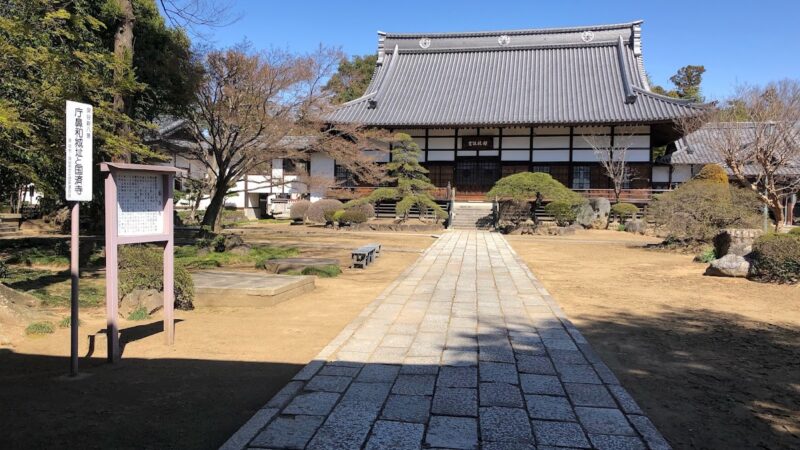
Located in the heart of Kumagaya City, the Kumagaya Castle ruins were the residence of the Kumagaya clan, famous for Kumagaya Jiro Naozane. Currently, the site is part of the grounds of Yukokuji Temple, with only a portion of the earthworks remaining. Similar to Beppu Castle, it would be interesting to compare and contrast it with other medieval samurai residences.
Historical Significance of Beppu Castle
Remains Revealing the Reality of Medieval Samurai Groups
Beppu Castle is a valuable remains that reveals the reality of small and medium-sized samurai groups that were active from the late Heian period to the Sengoku period. While less prominent than large mountain castles or early modern castles, it provides important clues to understanding where medieval samurai lived and how they governed their territories.
Evidence Showing the Expansion of the Narita Clan
Beppu Castle also serves as evidence that the Narita clan was not a single force, but a samurai group encompassing many branches and illegitimate families. The Beppu, Kisai, and Oda clans, among others, branched off from the Narita clan and established castles and residences in their respective territories, seemingly supporting the main family.
Between the Hojo Clan and the Toyotomi Regime
The abandonment of the castle in 1590 (Tensho 18) symbolizes a turning point in history, marking the end of the Sengoku period and the beginning of the early modern period. The history of the Beppu clan, who served the powerful Hojo clan of the Kanto region, and their subsequent decline before the nationwide regime of Toyotomi Hideyoshi, illustrates how small regional forces were tossed about by the tides of the times.
Recommended Plan for Visiting Beppu Castle
Half-Day Course: Beppu Castle Only Visit
A thorough visit to the Beppu Castle ruins alone takes approximately 1-2 hours.
- Visit Higashi-Beppu Shrine
- Check the history on the information board in the shrine grounds
- Walk around the earthworks to check the layout
- Observe the condition of the moat
- Confirm the location of the gate
- Take photographs
One-Day Course: Narita Clan Related Historical Sites Tour
A one-day course visiting Beppu Castle and historical sites related to the Narita clan is also recommended.
Morning:
- Visit Beppu Castle Ruins (1-2 hours)
- Stroll around Nishi-Beppu Castle Ruins (30 minutes)
Afternoon:
- Visit Oshi Castle and Gyoda City Local History Museum (2-3 hours)
- Visit Narita Clan Residence Ruins (30 minutes)
If you have a car, you can tour efficiently.
Kumagaya City Historical Sites Tour Course
A course visiting medieval historical sites in Kumagaya City is also available.
- Beppu Castle Ruins
- Kumagaya Castle Ruins (Kumagaya Temple)
- Statue of Kumagaya Naozane (in front of Kumagaya Station)
- Kumagaya City Library (Local History Corner)
Materials and Research on Beppu Castle
Local History Research and Beppu Castle
Beppu Castle is covered in local history research of Saitama Prefecture and Kumagaya City. Basic information is contained in municipal histories such as the “Kumagaya City History” and the “Saitama Prefecture History,” which can be viewed at libraries.
Position in Castle Research
In the field of castle research, Beppu Castle is sometimes introduced as a typical example of a medieval square-shaped residence. It is a subject of comparative research for understanding the structure of samurai residences from the late Heian period to the Muromachi period.
Online Information Sources
Castle information websites such as Kojodan, Shirobito, and Jokaku Hourouki allow you to see photos, evaluations, and visit records from people who have actually visited. These sites are useful for gathering information before visiting.
Summary: The Charm and Value of Beppu Castle
Beppu Castle (Kumagaya City, Saitama Prefecture), though not large in scale, is a valuable historical site that preserves well-preserved remains of a medieval samurai residence. The history of the Beppu clan, a branch of the Narita clan, its transformation from the late Heian period to its abandonment in 1590, and the remaining earthworks and moats offer important clues for studying Japanese medieval history.
The Beppu Castle ruins, protected by the local community as Higashi-Beppu Shrine, continue to quietly convey history even in today’s increasingly urbanized world. It is a place you should definitely visit when touring castles in Saitama Prefecture or exploring historical sites related to the Narita clan.
If you have the opportunity to visit Kumagaya City, why not stop by Higashi-Beppu Shrine and reflect on the era in which medieval samurai lived? The well-preserved earthworks and moats will surely transport you to a world hundreds of years ago.