Complete Guide to Saginuma Castle (Narashino City, Chiba Prefecture): A Thorough Explanation of the Heian Period Castle Site Associated with Minamoto no Yoritomo
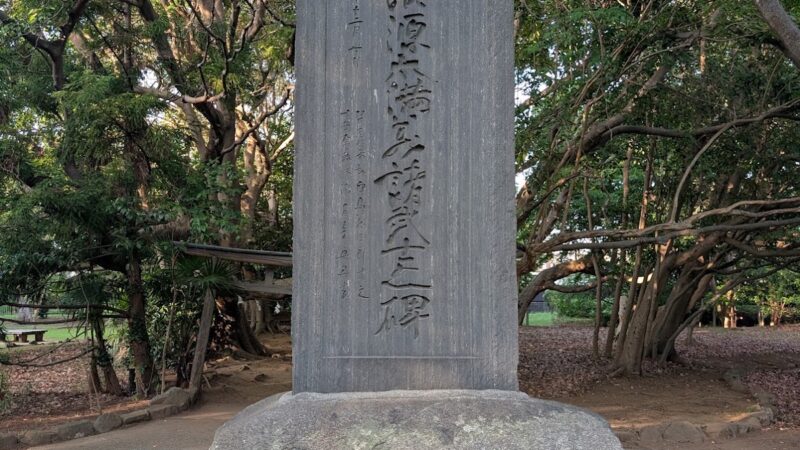
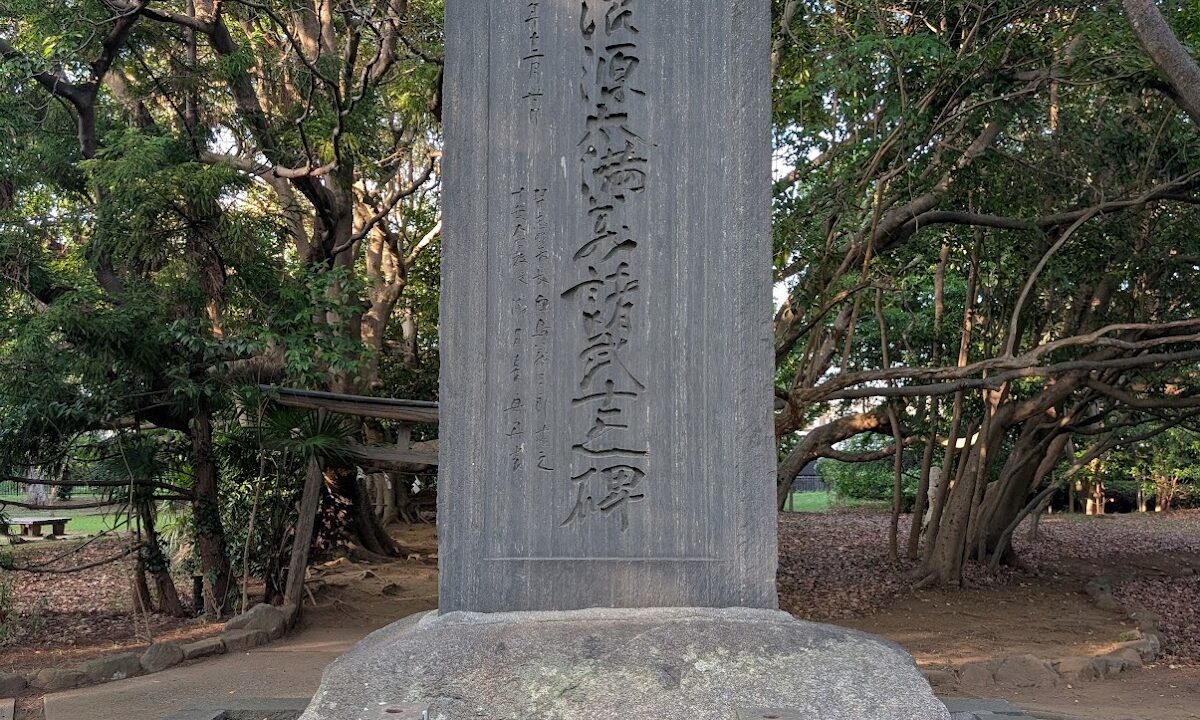
Saginuma Castle, located in Saginuma, Narashino City, Chiba Prefecture, is a historic castle site believed to have been built in the late Heian period. Also known as “Saginuma-kan,” it is an important historical site recorded in the *Azuma Kagami* as the place where Minamoto no Yoritomo assembled his army after raising his own ranks. Currently, it is maintained as Saginuma Castle Ruins Park, serving as a place of relaxation for local residents while preserving the history of the past.
History of Saginuma Castle: A Base for a Powerful Clan Continuing from the Heian Period
Background of Construction and the Saginuma Clan
While the construction period of Saginuma Castle is estimated to be the late Heian period, the exact date is unknown. The castle is believed to have been built by Saginuma Taro Genta Mitsuyoshi (also known as Mitsuyoshi), and is thought to have been the residence of the Saginuma clan, a powerful local family that ruled this region.
The Saginuma clan was a family that ruled a part of Shimosa Province as vassals of the Chiba clan, and their sphere of influence was around present-day Tsudanuma. There are records indicating that they ruled this region from the time of Emperor Fushimi (1287-1298), suggesting that they were a powerful family that maintained a certain level of influence throughout the Kamakura period.
“Saginuma Imperial Inn” as described in the Azuma Kagami
Saginuma Castle holds historical significance because it is mentioned as “Saginuma-kan” in the Azuma Kagami, the official history of the Kamakura Shogunate. In 1180, after being defeated at the Battle of Ishibashiyama, Minamoto no Yoritomo fled to the Boso Peninsula, and “Saginuma Imperial Inn” appears as a place where he stopped to plan his resurgence.
It is believed that Yoritomo gathered his troops and reorganized his forces in this area, making it one of the important turning points in the subsequent establishment of the Kamakura Shogunate. While it is thought that this “Saginuma Imperial Inn” is located at the same site as the current Saginuma Castle ruins, no definitive evidence has been found.
From the Medieval to the Early Modern Period: Changes in the Castle
The name of the Saginuma clan appears in records from the Shoō era (1288-1293), but detailed history after that is scarce, and many points remain unclear. There are no clear records of the state of Saginuma Castle during the Sengoku period or the Edo period, and it is uncertain when it was abandoned.
Given its location on the Shimōsa Plateau, it is possible that it was used in some form throughout the medieval period, but no records of large-scale renovations or battles have been confirmed.
Structure and Layout of Saginuma Castle
Basic Structure of the Castle
Saginuma Castle is classified as a multi-bailey flatland castle. Located approximately 300 meters south of Narashino City Hall, Saginuma Castle sits on a slightly elevated area of the Shimousa Plateau, utilizing the slightly higher terrain compared to its surroundings.
A “hirayama castle” (hilltop castle) is a castle built on a small hill or plateau in a flat area, and Saginuma Castle is a typical example of this form. By utilizing the edge of the Shimousa Plateau, the castle cleverly leveraged the natural terrain for defense.
Confirmed Remains
The following remains have been confirmed:
Kuruwa (Enclosure)
A flat area at the center of the castle, where buildings and warehouses were located. It is believed that Saginuma Castle employed a linear arrangement of multiple kuruwa.
Koshikuruwa (Lower Enclosure)
A small enclosure located around the main kuruwa, on the slopes. It served to enhance defensive capabilities and was used as a lookout or waiting area.
Earthworks
These are defensive structures built by piling up earth, serving to prevent enemy intrusion and conceal the interior from outside view. Traces of these earthworks can still be seen in some areas today.
Cut Slopes
These are defensive structures created by artificially excavating steep slopes. They were designed to prevent enemies from easily climbing and were constructed around castle fortifications.
However, the current Saginuma Castle Ruins Park has undergone significant topographical alteration during its development as a park, and no definitively identifiable castle remains have been discovered. Therefore, much of the detailed layout (the castle’s blueprint) remains speculative.
Relationship with Saginuma Kofun
Saginuma Kofun No. B is preserved within Saginuma Castle Ruins Park. This is an ancient burial mound predating the construction of the castle, indicating that this area was an important strategic point in antiquity. It has been suggested that the existing burial mound may have been utilized as part of the topography when the castle was built.
The presence of ancient burial mounds indicates that this area was a strategically important transportation hub and a residential area for influential figures since ancient times, and it is thought to be one of the reasons why the Saginuma clan chose this location as their base during the Heian period.
Location and Access Information
Basic Information
Location
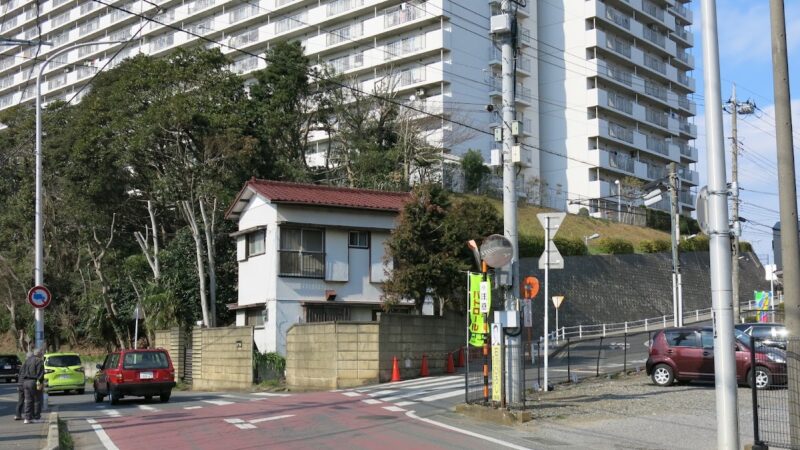
1-9 Saginuma, Narashino City, Chiba Prefecture, and other locations
Facility Name
Saginuma Castle Ruins Park
Area
10,503 square meters
Management
Narashino City
Access by Public Transportation
Using Keisei Electric Railway
- Get off at Keisei Tsudanuma Station on the Keisei Main Line, approximately 10 minutes on foot
- The easiest route is to head south from the station towards Narashino City Hall
- The park is located approximately 300 meters south of City Hall
Using JR
- Get off at Tsudanuma Station on the JR Sobu Line, approximately 15-20 minutes on foot
- The most common route is via Keisei Tsudanuma Station
Access by Car
Access from Major Roads
- Approximately 10 minutes from the Hanawa Interchange on the Keiyo Expressway
- Approximately 15 minutes from the Higashi-Kanto Expressway “Wangan Narashino Interchange”
Parking Information
There is no dedicated parking lot for Saginuma Castle Ruins Park. We recommend using nearby coin-operated parking lots or accessing the park by public transport. There are several paid parking lots around Narashino City Hall.
Location in relation to surrounding facilities
Saginuma Castle Ruins Park is located in the center of Narashino City, and the following facilities are nearby:
- Narashino City Hall (approximately 300 meters north)
- Keisei Tsudanuma Station (approximately 800 meters north)
- Tsudanuma Station (approximately 1.2 kilometers northwest)
Despite being in an urban area, it maintains a relatively quiet environment.
Current state of Saginuma Castle Ruins Park: Highlights and Facilities
Park Development Status
Currently, Saginuma Castle Ruins Park is developed as a place of relaxation for local residents. Centered around a large plaza, the park also features a multi-purpose playground for children, combining the functions of a historical park with those of an urban park.
Main Facilities and Amenities
- Plaza (Open space usable for multiple purposes)
- Multi-purpose playground (for children)
- Benches and rest areas
- Saginuma Kofun B Tumulus (Preservation and exhibition)
- Information boards and explanatory signs
Scenic Appeal
One of the features of Saginuma Castle Ruins Park is the view of Mount Fuji on clear days. Taking advantage of its location on a slightly elevated area of the Shimosa Plateau, the view to the west is unobstructed, allowing visitors to see the silhouette of Mount Fuji in the distance on clear winter days.
This excellent view is thought to have been important even during the time when the castle functioned. Its location overlooking the surrounding area was likely utilized for military surveillance.
Elements that Evoke a Sense of History
Information boards explaining the history of Saginuma Castle are installed within the park, allowing visitors to learn about the castle’s historical background. Furthermore, the preservation of the Saginuma Kofun B tumulus allows us to experience the continuity of this region’s history from ancient to medieval times.
A careful observation of the topography reveals traces of its former status as a castle site, such as its location on a slightly elevated plateau and gentle slope.
Historical Significance of Saginuma Castle
Contribution to Minamoto no Yoritomo and the Establishment of the Kamakura Shogunate
The most important historical significance of Saginuma Castle lies in its role as one of the bases for Minamoto no Yoritomo’s resurgence. In 1180, Yoritomo, who raised an army to overthrow the Taira clan, suffered a crushing defeat in his first battle, the Battle of Ishibashiyama.
Having narrowly escaped to the Boso Peninsula, Yoritomo regained his strength with the support of local powerful families, including Chiba Tsunetane. It is believed that he stopped at the “Saginuma Imperial Inn” during this process, where he gathered troops and prepared his forces, as recorded in the “Azuma Kagami.”
Without this resurgence on the Boso Peninsula, the subsequent establishment of the Kamakura Shogunate might never have happened. In that sense, Saginuma Castle can be considered an important location involved in a turning point in Japanese history.
A Corner of the Chiba Clan’s Influence in Shimosa Province
The Saginuma clan, as vassals of the Chiba clan, governed an important area of Shimosa Province. The Chiba clan was a major powerful family representing the Boso Peninsula and played a crucial role in the establishment of the Kamakura Shogunate.
Saginuma Castle served as a key base within the Chiba clan’s influence, playing a vital role in regional control. It is believed that controlling the strategically important transportation hub around Tsudanuma contributed to the Chiba clan’s maintenance of power.
Its Position within the Castle Cluster of the Shimosa Plateau
Many castles were built on the Shimosa Plateau throughout the medieval period. Saginuma Castle is presumed to have functioned as one of these castles within the regional defense network and governing system.
Several other castle ruins have been confirmed in the vicinity of Narashino City, suggesting that these may have worked together to defend the region. Saginuma Castle is thought to have been an important base controlling the Tsudanuma area within this network of castles.
Visitor Guide: Enjoying Saginuma Castle Ruins Park
Points to Note
Observing the Topography
Observe the topography of the entire park and confirm that it is located on a plateau higher than the surrounding area. You can appreciate the advantageous location of the castle ruins.
Saginuma Tumulus No. B
Visit the tumulus preserved within the park and feel the depth of this region’s ancient history.
Information Boards and Lectures
Carefully reading the installed information boards will help you understand the historical background of Saginuma Castle.
Enjoying the View
On clear days, you can see Mount Fuji from the park. Clear winter days are especially recommended.
Best Time to Visit
Spring (March-May)
The pleasant weather makes it ideal for strolling through the park. The scenery is especially beautiful during the cherry blossom and other flowering seasons.
Autumn (September-November)
The cool and comfortable weather makes long walks enjoyable. The surrounding scenery is also beautiful during the autumn foliage season.
Winter (December-February)
The clear air makes it the perfect season to view Mount Fuji. Mornings on sunny days are especially recommended.
Estimated Time Required
- Park Stroll Only: Approximately 30 minutes
- Carefully Reading Information Boards and Observing the Topography: Approximately 1 hour
- Visiting Surrounding Historical Sites as well: Approximately 2-3 hours
Notes
- There is no dedicated parking lot, so we recommend using public transportation.
- You can freely stroll through the park, but please do not enter restricted areas to protect the historical remains.
- In summer, there is little shade, so we recommend bringing a hat and drinks.
Surrounding Historical Spots
Historical Sites in Narashino City
Mimomi Hongō Park
A park located in Mimomi, Narashino City, believed to be the site of a medieval manor house. Similar to Saginuma Castle, it is thought to be one of the castles within the Chiba clan’s sphere of influence.
Narashino City Local History Museum
A facility where you can learn about the history and culture of Narashino City. It also exhibits materials related to historical sites in the city, including Saginuma Castle.
Castle Ruins in Neighboring Cities
Chiba Castle (Inohana Castle)
This was the base of the Chiba clan, located in Chuo Ward, Chiba City. Visiting the castle of the Chiba clan, the lords of the Saginuma clan, allows for a deeper understanding of the power dynamics at the time.
Funabashi Castle
This castle was located in Funabashi City and was also one of the important strongholds in Shimosa Province.
Current Status and Challenges of Saginuma Castle Research
Status of Archaeological Investigations
Regarding Saginuma Castle, no full-scale excavation has been conducted, so there is insufficient archaeological evidence. The topography has been altered during the development of the park, making it difficult to clearly identify any remains.
Future investigations using new technologies such as non-destructive testing may reveal a more detailed structure of the castle.
Limitations of Documentary Sources
While it is certain that the “Saginuma Imperial Inn” is mentioned in the “Azuma Kagami,” there is no definitive evidence that it completely matches the current Saginuma Castle site. The scarcity of historical materials concerning the Saginuma clan and Saginuma Castle since the Shoo era (1290-1292) makes research difficult.
Future Research Possibilities
With advancements in local history research, there is a possibility of discovering previously overlooked historical materials. Furthermore, comparative studies with surrounding castle ruins are expected to clarify the characteristics and role of Saginuma Castle.
Introducing new research methods, such as topographic analysis using GIS (Geographic Information System) and comparison with old maps, would also be effective.
Significance of Saginuma Castle in the Region
Narashino City’s Identity
Saginuma Castle is one of the important legacies symbolizing the history of Narashino City. While the current Narashino City area is a relatively new city that developed after the Meiji era, the land has a continuous history dating back to ancient times.
The existence of Saginuma Castle indicates that this region was an important base from the Middle Ages, playing a crucial role in shaping the region’s historical identity.
Utilization as an Educational Resource
Saginuma Castle Ruins Park is a valuable educational resource for local children to learn about their local history. Visiting the historical site and observing the topography allows for a more immersive historical learning experience than what can be gained from textbooks.
Narashino City incorporates Saginuma Castle into its local history education program, fostering a sense of attachment to the region.
Potential as a Tourism Resource
Currently, Saginuma Castle is primarily used by local residents, but leveraging its historical value as a site associated with Minamoto no Yoritomo could attract tourists from a wider area.
Developing historical walking routes in conjunction with surrounding historical sites and improving signage could enhance its function as a hub for historical tourism.
Summary: The Charm and Value of Saginuma Castle
Saginuma Castle (Narashino City, Chiba Prefecture) is a historic castle site built in the late Heian period. It is an important historical site recorded in the *Azuma Kagami* as the place where Minamoto no Yoritomo attempted his comeback. Currently, it is maintained as Saginuma Castle Ruins Park, a place of relaxation for local residents.
Although clear remains have not been confirmed, its location on the Shimousa Plateau, its relationship with the Saginuma Kofun (ancient burial mound), and records in historical documents undoubtedly indicate that this area was an important base during the medieval period.
Saginuma Castle Ruins Park, located at 1-chome, Saginuma, Narashino City, Chiba Prefecture, is easily accessible, just a 10-minute walk from Keisei Tsudanuma Station. On clear days, Mount Fuji can be seen from the park, making it an attractive spot where you can enjoy both historical exploration and nature appreciation.
For history buffs tracing the footsteps of Minamoto no Yoritomo, those interested in the history of the Chiba clan and Shimosa Province, or anyone wanting to learn about local history, Saginuma Castle is a historical site well worth visiting. Why not reflect on the turning point in Japanese history, from the Heian period to the Kamakura period, in this castle park that stands quietly amidst a modern city?