A Thorough Explanation of the History and Remains of Komegasaki Castle (Funabashi City, Chiba Prefecture) | The Complete Picture of a Medieval Castle
What is Komegasaki Castle?
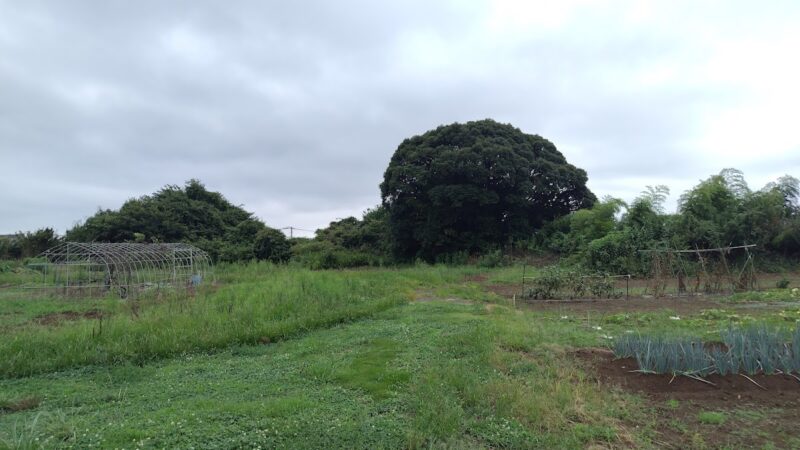
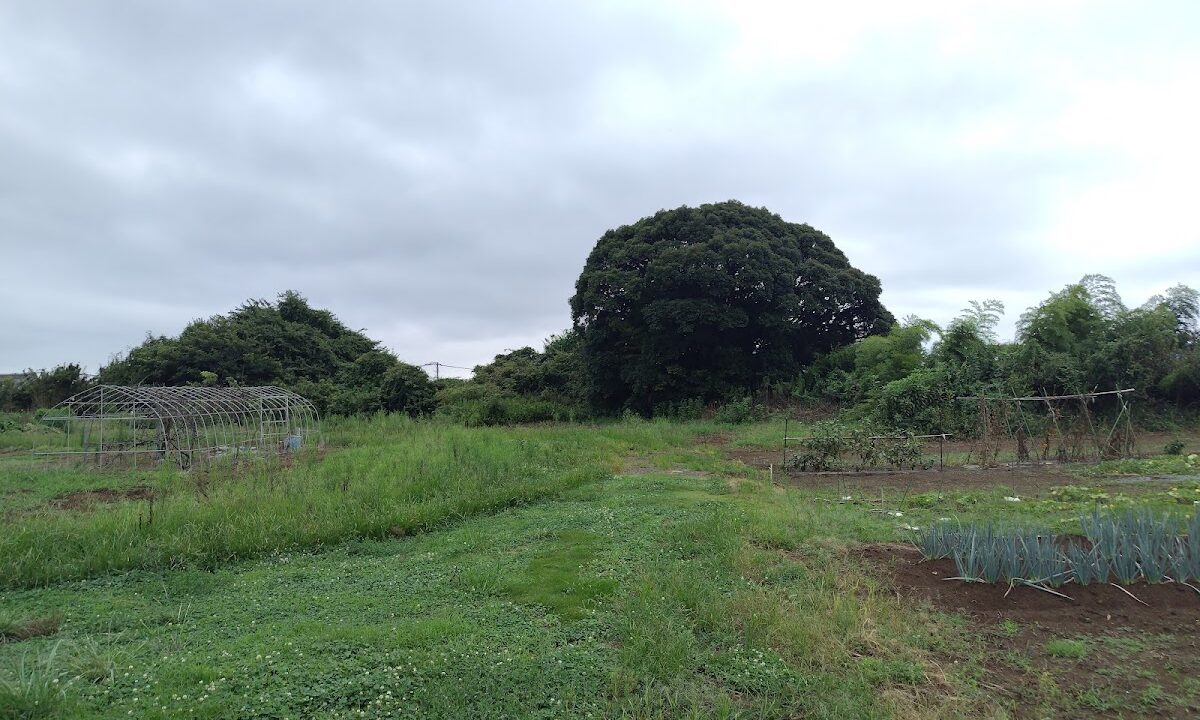
Komegasaki Castle (also written as Komegasaki-jo or Komegasaki-jo) was a medieval Japanese castle that once existed in Jounouchi, Komegasaki-cho, Funabashi City, Chiba Prefecture. Currently, the area is largely agricultural land, and the Oohi Shrine is located where the castle’s center is believed to have been. While many details regarding the exact construction date and lords remain unknown, the place name “Jounouchi” and the faint remains of earthworks indicate the former existence of a castle in this location.
Komegasaki Castle is classified as a single-enclosure flatland castle, exhibiting a typical form of medieval castle without a keep structure. It is believed to have been built during the Kamakura period, and the name of the Natsumi clan is recorded as one of its main lords.
Basic Information on Yonegasaki Castle
Location and Geographical Characteristics
Location: Jōnouchi, Yonegasaki-machi, Funabashi City, Chiba Prefecture
Former Province: Shimōsa Province
Castle Structure: Single-enclosure hilltop castle
Keep Structure: None
Builder: Unknown
Year of Construction: Kamakura period (estimated)
Main Lord: Natsumi clan
Renovator: Unknown
Year of Abandonment: Unknown
Remains: Earthworks (partial)
Common Name/Alternate Name: Yonegasaki Castle
Yonegasaki Castle was located on a slight hill in the northwestern part of Funabashi City. This location is thought to have had defensive advantages as a medieval castle and was a strategic location overlooking the surrounding area. While the current topography has changed significantly due to land improvement projects in the 1960s, it is presumed that the difference in elevation with the surrounding area was more pronounced in the past.
Castle Structure and Scale
Yonegasaki Castle is classified as a single-enclosure hilltop castle. A single-enclosure castle refers to a relatively simple structure centered around a main enclosure (honmaru). This is a typical form for castles built by local powerful families during the medieval period, and it is thought to have had a stronger character as a regional administrative stronghold rather than a large-scale castle.
There is no keep structure, which is consistent with castles from the Kamakura to Muromachi periods. Keeps appeared in Japanese castles from the late Sengoku period to the Azuchi-Momoyama period; such structures did not yet exist during the Kamakura period, when Yonegasaki Castle is believed to have been built.
History of Yonegasaki Castle
Construction during the Kamakura Period
The construction period of Yonegasaki Castle is estimated to be the Kamakura period. However, due to the lack of reliable historical records, the builder remains unknown. However, based on the historical context of the region, it is considered certain that this castle had a deep connection with the Natsumi clan.
During the Kamakura period, Shimosa Province was a region where samurai groups, primarily the Chiba clan, held significant power. The Chiba clan and their retainers built castles and residences throughout the area, using them as bases for managing their territories. Yonegasaki Castle is presumed to have been one such medieval castle, playing an important role in regional governance.
The Natsumi Clan and Yonegasaki Castle
The Natsumi clan is said to have been the main lord of Yonegasaki Castle. The Natsumi clan was a powerful medieval family based in the Natsumi district of Funabashi City, with Natsumi Castle as their base. Natsumi Castle and Yonegasaki Castle are geographically close, suggesting that the Natsumi clan either built Yonegasaki Castle as they expanded their territory, or seized an existing castle.
Detailed historical records regarding the Natsumi clan’s lineage and activities are scarce, leaving many aspects unclear. However, local traditions and place names indicate that this family held a certain level of power in this region. Yonegasaki Castle is presumed to have been one of the important military bases under the rule of the Natsumi clan.
Transition from Medieval to Early Modern Period
There are no clear records regarding the year Yonegasaki Castle was abandoned. After the Sengoku period and into the Edo period, many medieval castles ceased to function and were abandoned. Similarly, it is thought that Yonegasaki Castle lost its military function sometime between the late Sengoku period and the early Edo period.
From the Edo period onward, the castle site was used for farmland, and traces of the castle gradually disappeared. Nevertheless, the place name “Jōnouchi” (meaning “inside the castle”) remains, preserving the memory of the castle’s former existence in the region.
Current Yonegasaki Castle Site
Relationship between Ōhi Shrine and the Castle Site
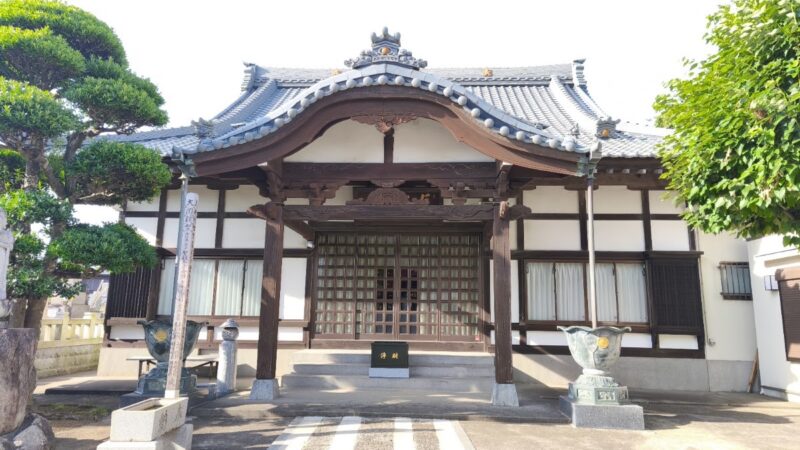
Currently, Ōhi Shrine is enshrined in what is believed to be the central part of Yonegasaki Castle. This shrine is said to have a close relationship with Ise Grand Shrine and is a center of local faith.
It is not uncommon for shrines to be built on the sites of medieval castles. There are various patterns, such as shrines that were worshipped as guardian deities of the castle continuing to serve as local tutelary shrines after the castle’s abandonment, or new shrines being built as part of land use on the castle site. While it is unclear when the Ofuhi Shrine was established in this location, its connection to the castle site is an interesting element in considering the region’s history.
Remaining Structures
The remains of Yonegasaki Castle that can be confirmed today are mainly parts of the earthworks. Slight traces of the earthworks can be seen to the south and west of the Ofuhi Shrine. These earthworks are remnants of what once functioned as defensive structures of the castle.
Earthworks are defensive embankments built by piling up earth, and are one of the basic defensive structures in medieval castles. They served to prevent enemy intrusion and ensure visibility from within the castle. The earthworks of Yonegasaki Castle have changed significantly from their original form due to years of weathering and human intervention, but they remain valuable castle remains. ### Land Improvement and Loss of Remains in the Showa Period
Many of the remains of Yonegasaki Castle were lost due to land improvement projects carried out from the 1960s (around 1965) to 1970 (1970). During this period, agricultural land development and housing development progressed throughout Japan, resulting in the destruction of many castle remains.
In the case of Yonegasaki Castle, soil from the castle site was removed for landfill, drastically altering the topography. As a result, most of the remains that showed the overall structure of the castle were lost, and only traces of earthworks remain today. Because there are few clear records indicating the existence of a castle, the place name “Jōnouchi” and the remaining earthworks are among the few pieces of evidence indicating the presence of a castle in this area.
Relationship with Surrounding Castles
Location Relationship with Natsumi Castle
Natsumi Castle is the castle most closely related to Yonegasaki Castle. Natsumi Castle is considered the base of the Natsumi clan and is located not far from Yonegasaki Castle. The general view regarding the relationship between the two castles is that Natsumi Castle was the main castle and Yonegasaki Castle was a subsidiary castle.
Medieval feudal lords effectively governed their territories by placing subsidiary castles in key locations within their domains, in addition to their main castle. Yonegasaki Castle is thought to have functioned as one of the strategic strongholds within the Natsumi clan’s territory.
Other Castles in Funabashi City
Besides Yonegasaki Castle, several other medieval castles existed within Funabashi City. Representative examples include Takane Castle, Kanasugi Castle, and Saginuma Castle. These castles are important historical sites that show the sphere of influence of the Chiba clan and their relatives and retainers in Shimosa Province.
Takane Castle was located in Takane-cho, Funabashi City, and is considered to have been the residence of the Takagi clan, a branch of the Chiba clan. Kanasugi Castle was a castle located in the Kanasugi district of Funabashi City. While details are unclear, it is presumed to have been a base for regional control. Saginuma Castle was a castle located in an area near Narashino City, and is also thought to be the site of a medieval local lord’s residence.
These castles, though not large in scale, are valuable historical relics that illustrate the realities of regional control in Shimosa Province during the medieval period. Yonegasaki Castle is one such example, occupying an important position in regional history research.
Historical Significance of Yonegasaki Castle
Value in Medieval Castle Research
While Yonegasaki Castle faces research limitations due to the lack of detailed historical records, it serves as a valuable example for understanding the realities of castles and residences of local lords during the medieval period. Unlike large-scale castles or those of famous Sengoku-era daimyo, it preserves the image of a small, locally rooted castle.
In the history of Japanese castles, research on large castles of the Sengoku period and early modern castles of the Edo period is relatively advanced. However, many aspects of medieval castles from the Kamakura to Muromachi periods remain unclear due to a lack of historical records. Research on small castles like Yonegasaki Castle provides clues to understanding the realities of medieval regional communities and samurai groups.
Importance in Local History
Yonegasaki Castle is an important historical heritage site when considering the history of Funabashi City. The area that is now Funabashi City was a region where multiple powerful clans vied for power during the medieval period. How did these local clans, including the Natsumi clan, govern their territories, and what kind of society did they form? Yonegasaki Castle offers one clue to answering these questions.
The fact that the place name “Jōnouchi” (城乃内) still exists today is evidence that the region’s historical memory is being preserved. Even if many physical remains are lost, Yonegasaki Castle demonstrates the importance of preserving history in the form of place names.
Access and Visiting Yonegasaki Castle
Location and Transportation Access
Yonegasaki Castle ruins are located in Yonegasaki-cho, Funabashi City, Chiba Prefecture. The nearest stations are Takane-Kido Station or Takane-Kodan Station on the Shin-Keisei Line, and the site is accessible on foot from there. However, the castle ruins are located within a residential and agricultural area, and there are no clear signs, so it is recommended to check the location on a map before visiting.
Using the Ofuhi Shrine as a landmark will make it easier to find the central part of the castle ruins. Remains of earthworks are said to be found in the southern and western parts of the area around the shrine.
Precautions During Visits
Yonegasaki Castle ruins are not a specially maintained historical park, but are still used as living space and farmland. Please note the following points when visiting.
- Do not trespass on private property
- Do not damage crops or equipment
- Be considerate of the lives of local residents
- Take your trash with you
- Do not damage historical remains
Although much of the castle remains have been lost, the few remaining earthworks are a valuable historical heritage. To pass it on to future generations, please be mindful of proper etiquette during your visit.
Overview
Yonegasaki Castle was a medieval castle located in Yonegasaki-cho, Funabashi City, Chiba Prefecture. It is estimated to have been built during the Kamakura period, and it is said that the Natsumi clan were its lords. It had a single-enclosure flatland castle structure and did not have a keep. Currently, the site is occupied by the Ofuhi Shrine, and small remnants of earthworks can be seen to the south and west of the shrine.
Although most of the castle remains were lost due to land improvement projects in the 1960s, the remaining place name “Jōnouchi” (meaning “castle within”) confirms that a castle once existed in this area. Many details regarding the exact construction and abandonment dates of the castle, as well as its builder, remain unknown, and further research is needed.
Yonegasaki Castle is a valuable historical site that demonstrates the reality of regional control by local powerful families during the medieval period, and it occupies an important position in considering the history of Funabashi City. Along with the surrounding castles of Natsumi Castle, Takane Castle, Kanasugi Castle, and Saginuma Castle, it is thought to have formed part of the castle network within the Chiba clan’s sphere of influence in Shimosa Province.
References
Research on Yonegasaki Castle is limited due to the constraints of historical sources, but the following materials are helpful:
- “Medieval Castles of Chiba Prefecture” (various castle research books)
- “History of Funabashi City” (Funabashi City History Compilation Committee)
- Descriptions of Yonegasaki Castle on various castle research websites
- Castle survey reports within Chiba Prefecture
- Studies related to the Natsumi clan in regional history research
Currently, research on small-scale medieval castles like Yonegasaki Castle is less advanced compared to larger castles. However, by carefully investigating local legends, place names, and the few remaining structures, the appearance of medieval local communities is gradually becoming clear. Further research is expected to shed light on the true nature of Yonegasaki Castle and the Natsumi clan.
Summary
Yonegasaki Castle was a medieval castle located in Funabashi City, Chiba Prefecture, and is estimated to have been built during the Kamakura period. Known as the castle of the Natsumi clan, it had the structure of a single-enclosure flatland castle. While much of the remains have been lost, a small earthen embankment remains around the Ofuhi Shrine, and the place name “Jōnouchi” (meaning “inside the castle”) conveys its historical memory.
Although many aspects of its detailed history remain unknown, it holds significant importance in local history research as a valuable historical site illustrating the reality of regional rule by local powerful families during the medieval period. When visiting Funabashi City, why not pay a visit to this historic castle site?