Kogane Castle (Matsudo City, Chiba Prefecture) Complete Guide | A Thorough Explanation of the History and Highlights of a Massive Sengoku Period Castle
Located in the northern part of Matsudo City, Chiba Prefecture, Kogane Castle was one of the largest castles in Shimosa Province during the Sengoku period. Despite being only about 30km northeast of central Tokyo, it remains a valuable historical site that still retains traces of its past, attracting many history enthusiasts and tourists. This article provides a detailed explanation of Kogane Castle, from its history and highlights to access methods.
What is Kogane Castle? | One of the Largest Sengoku Period Castles in Shimosa Province
Kogane Castle was a flatland castle located near Otaniguchi, Matsudo City, Chiba Prefecture (formerly Katsushika District, Shimosa Province). Built on a hill approximately 20m above sea level, it was strategically situated overlooking the lowlands of the old Tone River, Nakagawa River, and Arakawa River basins.
The castle grounds extended approximately 800m east-west and 700m north-south, and it was a large-scale fortress with 12 baileys (kuruwa). This scale was the largest in the northwestern part of Shimosa Province at the time, befitting the center of the vast territory known as Kogane-ryo.
Also known as “Otaniguchi Castle” and “Kaika Castle,” it served as the political and military center of Kogane-ryo, which far exceeded the area of present-day Matsudo City.
History of Kogane Castle | From Construction to Abandonment
Construction History and Builder
While the prevailing theory is that Kogane Castle was built by Takagi Taneyoshi, there is also a theory that it was built by the Hara clan. It is believed to have been built during the mid-Sengoku period, and played an important role as a defensive base in the power struggles of the Sengoku daimyo in the Kanto region.
As the Residence of Three Generations of the Takagi Clan
Kogane Castle flourished as the residence of three generations of the Takagi clan. The Takagi clan, while subordinate to the Hojo clan, expanded their power as a powerful warlord in this region. The castle’s structure clearly exhibits characteristics of the Hojo clan, and the remains confirm that it developed under the influence of the Later Hojo clan.
The Kogane domain encompassed not only present-day Matsudo City but also a vast area including surrounding regions, and Kogane Castle functioned as its center of governance. Branch castles such as Negiuchi Castle were also strategically located within the domain, creating a defensive network that monitored the roads and protected Kogane Castle and Kogane-juku (a post town).
Toyotomi Hideyoshi’s Siege of Odawara and the Fall of Kogane Castle
In 1590 (Tensho 18), when Toyotomi Hideyoshi launched his Siege of Odawara, Kogane Castle, belonging to the Takagi clan who were subordinate to the Hojo clan, became a target. Faced with the overwhelming military power of the Toyotomi army, Kogane Castle fell, marking the end of the Takagi clan’s rule.
This Siege of Odawara effectively ended the Sengoku period in the Kanto region, and Tokugawa Ieyasu entered the Kanto region.
The Era of Tokugawa Ieyasu’s Fifth Son, Nobuyoshi
After its fall, Kogane Castle briefly became the residence of Takeda Nobuyoshi, the fifth son of Tokugawa Ieyasu. Although born the fifth son of Tokugawa Ieyasu, Nobuyoshi played the important role of inheriting the Takeda clan’s name.
However, Nobuyoshi eventually moved from Kogane Castle to Hon-Sakura Castle and finally to Mito Castle. With Nobuyoshi’s transfer, Kogane Castle was abandoned, ending its historical role.
Kogane After the Abandonment
After the castle’s abandonment, the area of Kogane developed into the post town of “Kogane-juku” on the Mito Highway during the Edo period. As the third post town after Senju-juku, it bustled with travelers, marking a new chapter in its history as a post town.
In 1889 (Meiji 22) during the Meiji era, Kogane Town was formed through the merger of Kazusa-uchi Village, Koda Village, Nakakanesugi Village, Hiraga Village, Tonohiraga Village, Higashihiraga Village, Kubohiraga Village, and Kosugi Town.
Structure and Characteristics of Kogane Castle | A Typical Hojo-Style Castle
Basic Structure of the Castle
Kogane Castle was a flatland castle built on a hill approximately 20 meters above sea level, boasting a large-scale layout with 12 baileys. The castle grounds were vast, measuring approximately 800 meters east-west and 700 meters north-south, making it the largest castle in northwestern Shimosa Province.
By skillfully utilizing the hilly terrain and situated in a location overlooking the lowlands of the old Tone River, Nakagawa River, and Arakawa River basins, it possessed excellent strategic locations for monitoring and defending the surrounding area.
Shoji-bori and Une-bori | Characteristics of Hojo-style Castles
The most distinctive feature of Kogane Castle is the shoji-bori and une-bori discovered through archaeological excavations. These are defensive structures that the Later Hojo clan excelled at, and they possess high historical value as unique remains of Hojo-style castles.
Shoji-bori is a structure in which the bottom of the moat is left unexcavated in a grid pattern, which was effective in making it difficult for enemies to invade. It greatly restricted the movement of enemy soldiers attempting to move within the moat, creating a situation advantageous to the defenders.
Une-bori is a structure in which ridge-like undulations are created at the bottom of the moat, which was also effective in preventing enemy invading. These techniques are characteristics commonly found in Hojo-style castles, including Odawara Castle.
Earthworks and Dry Moats
Earthworks and dry moats were also important elements as defensive structures of castles. Earthen ramparts are earthen walls built by piling up soil, which prevented enemy intrusion and further enhanced defensive capabilities by allowing fences or walls to be built on top.
Dry moats are moats that do not contain water and are a common defensive structure found in castles in the Kanto region. Kogane Castle also had multiple dry moats, which served to separate the castle’s baileys.
Otani-guchi Historical Park | The Current State of Kogane Castle Ruins
Park Development
Currently, the central part of Kogane Castle has been developed as “Otani-guchi Historical Park” and is open to the public. Even in modern times, with the progress of residential development, this park remains a valuable place where visitors can actually see the remains of a Sengoku period castle.
Within the park, remains such as shoji moats and une moats discovered through archaeological excavations are preserved and displayed, allowing visitors to observe the castle technology of the time up close. It is a space where you can reflect on the history of the Sengoku period while walking along the well-maintained promenades.
Main Historical Remains You Can Visit
The main historical remains you can see at Otaniguchi Historical Park include the following:
- Remains of Shoji-bori (Screen Moat): The Shoji-bori discovered during archaeological excavations has been restored and is on display, allowing you to see the grid-like structure of the moat bottom.
- Remains of Une-bori (Ridge Moat): You can also see the structure of the moat with its ridge-like undulations.
- Traces of Earthworks: Traces of earthworks remain in some areas, allowing you to imagine the scale of the defensive facilities at the time.
- Traces of Dry Moats: You can also see traces of dry moats that separated the baileys.
Information Boards and Explanations
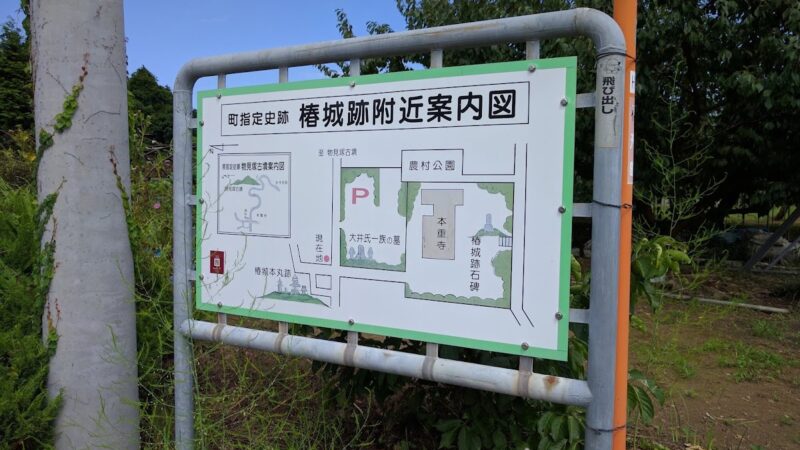
Information boards explaining the history and structure of Kogane Castle are installed in the park, making it easy for first-time visitors to understand. The results of archaeological excavations and the changes in the castle’s layout are also explained in detail.
Surrounding Historical Spots | Exploring Historical Sites of the Kogane Domain
Negiuchi Castle Ruins
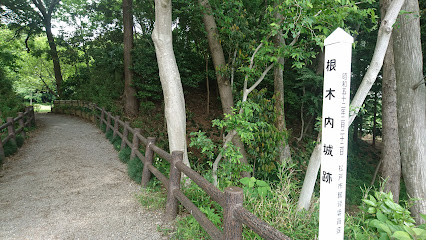
Negiuchi Castle, which functioned as a branch castle of Kogane Castle, also exists within Matsudo City. It is believed that this site played a role in protecting Kogane Castle and Kogane-juku while monitoring the highway, making it an important historical site for understanding the defense system of the Kogane domain.
Negiuchi Castle was also one of the large castles, and it worked in conjunction with Kogane Castle to defend the region. Although it is now a residential area, some remains still exist.
Ancient Temples of the Sengoku Period
Several temples dating back to the Sengoku period exist around Kogane. These temples have deep connections with the Takagi clan and local warlords, and are valuable resources that convey the faith and culture of that time.
Visiting these temples along with the castle remains allows for a deeper understanding of the overall picture of the Kogane domain during the Sengoku period.
Traces of Kogane-juku
Some traces of Kogane-juku, which flourished as a post town on the Mito Highway during the Edo period, remain in the current townscape. Strolling around and searching for historical sites and buildings that tell the history of the post town era is one way to enjoy the history of Kogane.
How to Access Kogane Castle
Access by Train
Kogane Castle Ruins (Otaniguchi Historical Park) can be visited using public transportation.
Nearest Stations:
- Approximately 20 minutes on foot from Kita-Kogane Station on the JR Joban Line
- Approximately 15 minutes on foot from Koganejo-shi Station on the Ryutetsu Nagareyama Line
Koganejo-shi Station, as its name suggests, derives its name from Kogane Castle, and the Ryutetsu Nagareyama Line is a popular local line deeply rooted in the community. The walk from the station to the castle ruins takes you through a residential area, allowing you to reflect on history.
Kita-Kogane Station is on the Joban Line and is easily accessible from central Tokyo. It’s approximately 30 minutes from Ueno Station by rapid train and approximately 5 minutes from Matsudo Station by local train.
Access by Car
If you are visiting by private car, you can access the site using National Route 6 or prefectural roads. However, since Otani-guchi Historical Park has limited dedicated parking, we recommend using nearby coin-operated parking lots or public transportation.
From Tokyo, it’s about a 15-minute drive from the Nagareyama Interchange on the Joban Expressway.
Combining with Nearby Facilities
When visiting Kogane Castle Ruins, we also recommend combining it with a visit to the Matsudo City Museum. The museum has detailed exhibits on Kogane Castle and Negiuchi Castle, and regular explanations by curators are held. Learning about the historical background before visiting the site will lead to a deeper understanding.
Geography of Matsudo City and Kogane
Location and Characteristics of Matsudo City
Matsudo City, Chiba Prefecture, is located in the northwestern part of Chiba Prefecture, bordering Tokyo and Saitama Prefectures. It is approximately 20-30 km from central Tokyo and has developed as a commuter town for the Tokyo metropolitan area.
The city area has a varied topography, ranging from the lowlands along the Edogawa River to the plateau in the north. With a population of approximately 500,000, it is the fourth largest city in Chiba Prefecture, after Chiba City, Funabashi City, and Ichikawa City.
Characteristics of the Kogane District
Kogane is a district located in the northern part of Matsudo City. Historically, it flourished as the center of the Kogane domain. While it has developed into a residential area, traces of its history remain in places.
The name Kogane is also written as “金々” (Kinkin), and its name appears in records from the Muromachi period. There are various theories about the origin of the name, but it has been passed down as a name symbolizing the prosperity of this region.
History as a Transportation Hub
Kogane has long held an important position as a transportation hub. During the Sengoku period, Kogane Castle was built as a strategically important military base, and during the Edo period, it developed as a post town on the Mito Highway.
Even today, it is a conveniently located area with convenient transportation, served by the JR Joban Line and the Ryutetsu Nagareyama Line, as well as major roads such as National Route 6. This geographical advantage has consistently supported the development of Kogane from ancient times to the present day.
Historical Significance of Kogane Castle | Its Place in the Sengoku Period History of the Kanto Region
Importance in Shimosa Province
Kogane Castle, as one of the largest castles in northwestern Shimosa Province, served as the political and military center of the region. As a base for governing the vast Kogane territory and as an important branch castle within the Hojo clan’s sphere of influence, it significantly impacted the power dynamics of the Kanto region during the Sengoku period.
Shimosa Province encompassed the area from northern Chiba Prefecture to southwestern Ibaraki Prefecture, and was an important region including the fertile plains of the Tone River system. Kogane Castle was located at its western edge, controlling a strategically important location near the borders with Musashi and Hitachi Provinces.
Dissemination of Hojo Clan Castle Construction Technology
The remains of Kogane Castle, such as the shoji-bori and une-bori moats, are typical examples of castle construction technology developed and advanced by the Later Hojo clan. The introduction of these technologies to Kogane Castle is important evidence that the Hojo clan’s influence extended to this region.
Kogane Castle, which strongly retains the characteristics of Hojo-style castles, provides valuable material for the study of castles in the Sengoku period and occupies an important position in understanding the history of Japanese castles.
Progress of Excavation and Research
Excavation surveys by the Matsudo City Board of Education are gradually revealing the structure and changes of Kogane Castle. The detection of remains such as shoji-bori and une-bori has been a major achievement in clarifying the actual state of the castle, which could not be understood from historical documents alone.
Continued investigations and research are currently underway, and new discoveries are expected. These research results are made public at the Matsudo City Museum and other venues, and are widely shared with citizens and researchers.
Points to Note When Visiting Kogane Castle
Estimated Visiting Time
A visit to Otani-guchi Historical Park takes about one hour, even if you carefully observe the remains. We recommend taking your time to explore the remains of the moat and earthworks while reading the information boards.
If you plan to combine your visit with other nearby historical sites or the Matsudo City Museum, it’s best to allocate about half a day.
Best Season for Visiting
As Kogane Castle Ruins is an outdoor historical site, visiting during the pleasant weather of spring or autumn is ideal. The seasons of fresh greenery and autumn foliage are particularly recommended, as the combination of natural beauty and historical atmosphere is especially appealing.
During summer, the sun is strong and it can be hot, so we recommend bringing a hat and drinks. Winter is relatively less crowded, allowing for a more relaxed visit.
Useful Items to Bring
- Camera: For photographing the ruins
- Comfortable shoes: For walking around the park
- Drinks: Essential, especially in summer
- Map or guidebook: For obtaining more detailed information
- Binoculars: Useful for observing the surrounding terrain
Photography Tips
By photographing the Shoji-bori and Une-bori ruins from different angles, you can take photos that clearly show their structure. Taking photos with the information boards will make it easier to understand the locations and explanations when reviewing the photos later.
We recommend taking both wide-angle photos to capture the overall atmosphere of the park and close-up photos to capture the details of the ruins.
Kogane Castle and the History and Culture of Matsudo City
Exhibits at the Matsudo City Museum
The Matsudo City Museum has a permanent exhibition on Kogane Castle and Negiuchi Castle, and detailed explanations by curators are regularly provided. Artifacts unearthed during excavations and reconstructed models of the castles are also on display, making it very useful for understanding the true nature of Kogane Castle. The museum also offers a guided program on the theme of “Kogane Castle and Negiuchi Castle,” providing an opportunity to hear directly from experts.
Local Legends
The Kogane area has various legends related to Kogane Castle and the Takagi clan. Stories passed down by local elders and historical traces remaining in place names—memories of the region not recorded in historical documents—are still preserved today.
While these legends do not necessarily coincide with historical facts, they are valuable resources for understanding how local people perceived and passed down history.
The Memory of Kogane Castle in the Modern Age
The station name “Koganejo-shi Station” on the Ryutetsu Nagareyama Line is a symbolic representation of the fact that Kogane Castle once stood in this area. Furthermore, the history of Kogane Castle is covered in local school education, providing local children with opportunities to learn about their local history.
Every year, guided tours and lectures are held by local history enthusiasts, demonstrating the important role Kogane Castle’s history plays in the modern local community.
Summary | Experience the Romance of Sengoku Period History at Kogane Castle
Kogane Castle in Matsudo City, Chiba Prefecture, is a historically significant site that flourished as the residence of three generations of the Takagi clan, and was one of the largest castles in Shimosa Province during the Sengoku period. Although it fell during Toyotomi Hideyoshi’s siege of Odawara and later became the residence of Tokugawa Ieyasu’s fifth son, Nobuyoshi, it is now maintained as the Otani-guchi Historical Park, where visitors can see remnants characteristic of Hojo-style castles, such as shoji-bori and une-bori moats.
Located approximately 30km from central Tokyo, it is a valuable place to observe Sengoku period castle technology up close, making it a recommended spot not only for history enthusiasts but also for general tourists.
Nearby, related historical sites such as the ruins of Negiuchi Castle and Sengoku period temples are scattered, allowing visitors to experience the history of the entire Kogane domain. Visiting the Matsudo City Museum beforehand will allow you to gain a deeper understanding of Kogane Castle’s history.
It’s easily accessible from Kita-Kogane Station on the JR Joban Line and Koganejo-shi Station on the Ryutetsu Nagareyama Line, making a day trip perfectly feasible. Why not visit the Kogane Castle ruins during the pleasant spring or autumn seasons, seeking the historical romance of the Sengoku period? As a hidden historical spot in Chiba Prefecture, you’re sure to have a fulfilling experience.