Uesakura Castle, Yoshinogawa City (Tokushima Prefecture) | The Complete Picture of the Mountain Castle that Was the Residence of Shinohara Nagafusa and the Stage of the Battle of Kawashima
What is Uesakura Castle?
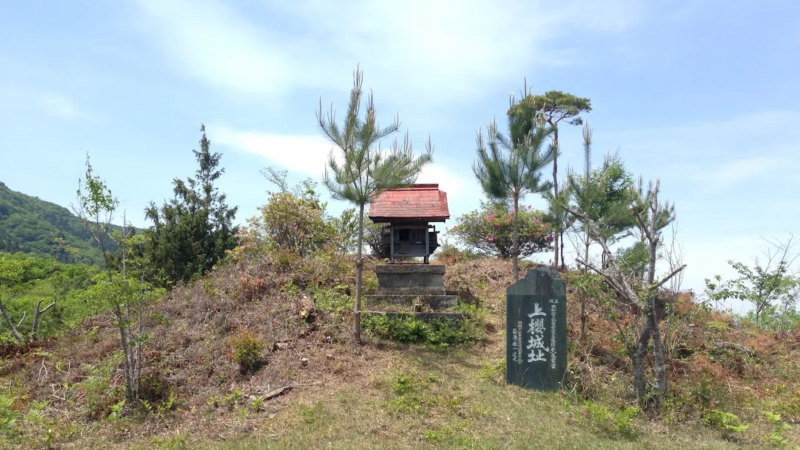
Uesakura Castle is a Sengoku period mountain castle site located in Kuwamura, Kawashima-cho, Yoshinogawa City, Tokushima Prefecture. Built on Maeyama, a mountain 142 meters above sea level, in the Tokushima Plain area along the Yoshino River and on the northern side of the Shikoku Mountains, this castle is protected as a Tokushima Prefecture designated historical site. It is also known as Uesakura Castle, Kamizakura Castle, and Kawashima Minami Castle, and belonged to the former Oe District.
Located about 1 kilometer south of Kawashima Castle, this mountain castle was the residence of Shinohara Nagafusa, a well-known retainer of the Miyoshi clan, and was an important military base in Awa Province during the Sengoku period. From the castle grounds, built on a mountain approximately 120 meters above sea level, one could see the plains of the middle reaches of the Yoshino River, indicating its strategic location for monitoring important transportation points.
History and Background of Kami-Sakura Castle
Legend of Castle Construction during the Nanboku-cho Period
Regarding the origins of Kami-Sakura Castle, a legend remains that at the beginning of the Nanboku-cho period, a local lord, Kawamura Koshirō, built a fort on Mount Kami-Sakura. This period was a time of conflict between the Southern and Northern Courts, with samurai vying for power throughout the country. In Awa Province, the construction of mountain castles by local powerful families was also flourishing.
The Sengoku Period and the Era of Shinohara Nagafusa
Kami-Sakura Castle first appears on the historical stage during the Sengoku period of the 16th century. This castle was developed as the residence of Shinohara Nagafusa, a senior retainer of Miyoshi Sanekyu (Miyoshi Yoshikata), the younger brother of Miyoshi Nagayoshi. Shinohara Nagafusa was a central figure in the Miyoshi clan’s rule of Awa Province, and he governed the Yoshino River basin from Kami-Sakura Castle.
In 1562 (Eiroku 5), Shinohara Nagafusa served as the vanguard in the Battle of Kumeda, but suffered a tragedy when his commander, Miyoshi Sanekyu, was killed in battle against Hatakeyama Takamasa. Following this defeat, Nagafusa shaved his head and became a monk, assisting Miyoshi Nagaharu, Sanekyu’s son.
Nagafusa continued to maintain the Miyoshi clan’s power from his base at Kami-Sakura Castle, but his relationship with Miyoshi Nagaharu gradually deteriorated. In 1572 (Genki 3), the conflict between Nagafusa and Nagaharu finally escalated into armed conflict.
The Battle of Kawashima and the Fall of Kami-Sakura Castle
The Battle of Kawashima, which occurred in 1572 (Genki 3), is recorded as the largest battle in the history of Awa Province. Miyoshi Nagaharu, along with Sogō Masayasu and others, besieged Kami-Sakura Castle with approximately 7,000 troops gathered from Awa, Sanuki, Awaji, and Kii provinces.
In this battle, Miyoshi Nagaharu’s forces launched a full-scale attack against Kami-Sakura Castle, defended by Shinohara Nagafusa. After several days of fierce fighting, Kami-Sakura Castle fell, and Shinohara Nagafusa committed suicide. This battle was the culmination of a power struggle within the Miyoshi clan and a crucial turning point in the Sengoku period history of Awa Province.
After Nagafusa’s death, Hosokawa Saneyuki became the lord of the castle, but the military importance of Kami-Sakura Castle gradually declined. Eventually, the castle was abandoned, and only its remains survived for posterity.
The Castle Structure of Kami-Sakura Castle
Dual Structure of Old and New Castles
A distinctive feature of Kami-Sakura Castle is the existence of two castle areas: the “old castle” and the “new castle.” This tells the story of the castle’s expansion and renovation history, and is a valuable example for understanding the evolution of castle construction techniques during the Sengoku period.
The old castle is thought to be the initial part of the fortress and had a relatively simple structure. On the other hand, the new castle was developed during the time of Shinohara Nagafusa and possessed more advanced defensive capabilities. The differences in the layout and structure of the two provide important clues to how mountain castles developed during the Sengoku period.
Layout of the Main Enclosure and Baileys
At the center of Kami-Sakura Castle is the main enclosure (honmaru), surrounded by multiple baileys (kuruwa). The main enclosure was the most important area, housing the lord’s residence and command post, and was heavily fortified.
The remains of the baileys are still clearly visible in the terrain today, with flat areas arranged in a stepped pattern. It is believed that these baileys housed soldier garrisons, armories, and food storage facilities. The layout of the baileys cleverly utilizes the terrain and was designed to effectively defend against enemy attacks.
Remains of Defensive Structures
At the Kami-Sakura Castle ruins, the remains of defensive structures characteristic of mountain castles from the Sengoku period are well-preserved.
Dry moats were important defensive structures protecting the castle, serving to prevent enemy incursions. Multiple dry moats have been identified at Kami-Sakura Castle, positioned to separate the baileys. These moats varied in depth and width, effectively acting as barriers to restrict the movements of attackers.
Earthworks were defensive walls constructed by piling up earth, built along the edges of the baileys. From the top of the earthworks, it was possible to attack the enemy with bows and arrows or firearms, and they also functioned as shields against enemy arrows and bullets. Even today, some earthworks remain as clear elevations, allowing us to estimate their original scale.
Watchtower bases were platforms for constructing watchtowers and armories, strategically placed within the castle. From these bases, a wide view of the surrounding terrain was possible, making them important monitoring points for early detection of enemy movements.
These remains indicate that Kami-Sakura Castle was not merely a residence, but a fully functioning military facility.
Castle Scale and Characteristics
It is estimated that Kami-Sakura Castle extended approximately 200 meters north-south and 150 meters east-west, centered on the mountaintop at an elevation of 142 meters. While it falls into the category of a medium-sized mountain castle, it possessed sufficient size and functionality to monitor the Yoshino River basin.
Rugged mountains loomed behind the castle, making a frontal attack the primary option for attackers. Taking advantage of this topographical feature, a multi-layered defensive structure was positioned in front of the castle. Furthermore, the castle offered a panoramic view of the road along the Yoshino River, giving it control over a strategically and economically important transportation route.
Basic Information on Kamizakura Castle
Location and Former Province
- Location: Kuwamura, Kawashima-cho, Yoshinogawa City, Tokushima Prefecture
- Former Province: Awa Province
- Former County: Oe County
Common Names/Alternate Names
- Uezakura Castle
- Kamizakura Castle
- Kawashima Minami Castle
Castle Classification and Designation
- Castle Classification: Mountain Castle
- Construction Period: Early Nanboku-cho period (tradition), fully developed during the Sengoku period
- Main Lords: Shinohara Nagafusa, Hosokawa Saneyuki
- Cultural Property Designation: Tokushima Prefecture Designated Historic Site
Geographical Characteristics
- Elevation: 142 meters
- Relative Height: Approximately 120 meters
- Topography: Isolated hill along the Yoshino River
- View: Panoramic view of the plains in the middle reaches of the Yoshino River
Access to Kami-Sakura Castle Ruins
Access by Public Transportation
When visiting Kami-Sakura Castle Ruins, the following routes are convenient if using public transportation.
By JR:
- Get off at JR Tokushima Line “Kamojima Station”
- Approximately 15 minutes by taxi from the station
- Or approximately 50 minutes on foot (approximately 4 kilometers)
By Local Bus:
- Take a Tokushima Bus bound for Kawashima
- Get off at the “Kawashima” bus stop, then approximately 30 minutes on foot
Access by Car
Access by private car or rental car is the most convenient.
From Tokushima City:
- Head west on National Route 192
- Towards Kawashima-cho, Yoshinogawa City
- Estimated time: Approximately 30 minutes from central Tokushima City
If using the expressway:
- Exit at Wakimachi IC on the Tokushima Expressway
- Approximately 20 minutes via National Route 192
Parking Information:
- Parking available at Kamizakura Forest Park
- Several parking spaces available near the castle ruins trailhead
Climbing Route
The hiking trail to the castle ruins is well-maintained and relatively easy.
- Approximately 20-30 minutes from the trailhead to the castle ruins at the summit.
- The hiking trail forks midway, leading to the old castle and the new castle.
- Enjoy a magnificent view of the Yoshino River basin from the summit.
- When hiking, comfortable shoes and bringing drinking water are recommended.
Precautions for Visiting
- As it is a mountain castle, the ground can become slippery during and after rain.
- Insect repellent is necessary in summer.
- Please be careful not to damage the earthworks or baileys to protect the remains.
- Toilets are located within Kami-Sakura Forest Park.
- Visiting during daylight hours is recommended.
Tourist Attractions Around Kami-Sakura Castle
Kami-Sakura Forest Park
This forest park, adjacent to the Kami-Sakura Castle ruins, is a popular viewpoint offering panoramic views of Yoshinogawa City. Walking paths are maintained within the park, allowing visitors to enjoy the changing seasons. The cherry blossoms are beautiful in spring, making it well worth a visit in conjunction with the castle ruins.
Kawashima Castle Ruins
Located approximately 1 kilometer north of Kami-Sakura Castle, the Kawashima Castle Ruins are another important historical site related to the Miyoshi clan. This castle, which defended the Yoshino River basin in conjunction with Kami-Sakura Castle, offers a deeper understanding of the defensive system of the time when visiting both castles.
Taisho Pond Park
This park is a popular recreational spot for the citizens of Yoshinogawa City. It features a beautiful pier, a playground, and a softball field. It’s an ideal resting spot after visiting the Kami-Sakura Castle Ruins.
Yoshino River
Known as one of Japan’s three most turbulent rivers, the Yoshino River is a major river representing Tokushima Prefecture. Kami-Sakura Castle was built in a position to monitor the Yoshino River, and the mountain where the castle ruins are located can be viewed from the riverside cycling path and riverbank.
Historical Significance of Kami-Sakura Castle
The Role of the Miyoshi Clan in Awa Province
Kami-Sakura Castle was an important military base in the Awa Province rule of the Miyoshi clan, who wielded vast power from the Kinai region to Shikoku during the Sengoku period. By appointing the capable warrior Shinohara Nagafusa as the castle lord, the Miyoshi clan gained control of transportation and logistics in the Yoshino River basin, solidifying their foundation for governing Awa Province.
The Site of the Battle of Kawashima
The Battle of Kawashima in 1572 was a large-scale battle that arose as a result of escalating internal conflict within the Miyoshi clan. This battle was not merely a siege, but a decisive confrontation over control of Awa Province, and its outcome led to the decline of the Miyoshi clan’s power. The fall of Kami-Sakura Castle was a symbolic event marking a major shift in the power structure of the Sengoku period.
Value in Mountain Castle Research
The Kami-Sakura Castle ruins are a valuable historical site that well preserves the structure of a mountain castle from the Sengoku period. The double structure of the old and new castles, the dry moats, earthworks, and watchtower bases are important resources for studying the castle construction techniques and tactics of the time. Because it is protected as a Tokushima Prefecture designated historical site, continued research and investigation are expected in the future.
Points to Note When Visiting Kami-Sakura Castle
Tips for a Historical Visit
When visiting the Kami-Sakura Castle ruins, paying attention to the following points will allow you to feel the history more deeply.
- Arrangement of Enclosures: Observe the stepped arrangement of enclosures and imagine the defensive ingenuity.
- Depth of Dry Moats: By actually seeing the dry moats, you can experience the difficulty of siege warfare.
- View: The view from the main keep is the same view that the castle lord saw. Enjoy a panoramic view of the Yoshino River basin and understand the strategic importance of its location.
- Preservation of the Ruins: Observe the remaining earthworks and watchtower bases, and reflect on the structures that existed over 400 years ago.
Seasonal Charms
Spring (March-May): Enjoy cherry blossom viewing in conjunction with Kami-Sakura Forest Park. The fresh greenery is also beautiful, making it an ideal season for hiking.
Summer (June-August): The greenery becomes denser, allowing you to enjoy forest bathing. However, be prepared for the heat and insects.
Autumn (September-November): The autumn foliage is beautiful, and the weather is suitable for hiking. The view from the castle ruins is especially spectacular on clear autumn days.
Winter (December-February): The fallen leaves make the ruins easier to see. The air is clear, allowing for excellent long-distance views, and the view from the castle is magnificent.
Recommended Photo Spots
- Panoramic view of the Yoshino River basin from the main keep ruins
- Cross-section of the dry moat (conveying the impressive defensive structure)
- Ridge of the earthworks (expressing the atmosphere of a Sengoku period mountain castle)
- Flat area of the bailey ruins (showing the scale of the castle)
- Mountain shape of the castle ruins viewed from the hiking trail
References and Related Materials
For those who want to learn more about Kami-Sakura Castle, the following materials are helpful.
Main References
- “Tokushima Prefecture History,” edited by Tokushima Prefecture
- “Comprehensive Survey of Japanese Castles,” Shin Jinbutsu Oraisha
- “Medieval Castles and Residences of Awa,” Tokushima Prefectural Board of Education
- Cultural property-related materials published by Yoshinogawa City Board of Education
- “Studies on the Miyoshi Clan,” various collections of papers
Related Historical Sites
To gain a deeper understanding of the history of Kami-Sakura Castle, we recommend visiting the following related historical sites.
- Kawashima Castle Ruins: A castle of the Miyoshi clan, paired with Kami-Sakura Castle.
- Katsuzui Castle Ruins: The base of the Miyoshi clan.
- Ichinomiya Castle Ruins: A major mountain castle in Awa Province.
- Ushiki Castle Ruins: A Sengoku period castle in the Yoshino River basin.
Related Historical Figures
- Shinohara Nagafusa: Lord of Kami-Sakura Castle, a senior retainer of the Miyoshi clan.
- Miyoshi Saneyasu (Yoshikata): Younger brother of Miyoshi Nagayoshi, ruler of Awa Province.
- Miyoshi Nagaharu: Son of Saneyasu, opposed to Nagafusa.
- Sogawa Masayasu: A member of the Miyoshi clan, fought on Nagaharu’s side in the Battle of Kawashima.
- Hosokawa Masayuki: Lord of the castle after Nagafusa’s death.
Summary
Kami-Sakura Castle is a valuable Sengoku period mountain castle ruin remaining in Yoshinogawa City, Tokushima Prefecture. Built on a hill 142 meters above sea level, this castle served as the residence of Shinohara Nagafusa, a senior retainer of the Miyoshi clan, and played a crucial role in protecting a vital transportation and logistics hub in the Yoshino River basin.
Until its fall in the Battle of Kawashima in 1572, Kami-Sakura Castle was a key base supporting the Miyoshi clan’s power in Awa Province. The remaining structures, including baileys, dry moats, earthworks, and watchtower bases, vividly convey the structure of a Sengoku period mountain castle and are protected as a Tokushima Prefecture designated historical site.
From the castle ruins, you can enjoy a panoramic view of the plains in the middle reaches of the Yoshino River, experiencing the scenery that the castle lords of the time saw. It’s an attractive spot not only for history buffs but also for hikers and nature lovers.
When visiting Yoshinogawa City, be sure to visit the Kami-Sakura Castle ruins and reflect on the history of Awa during the Sengoku period. The scenery, woven from the changing seasons and history, is sure to deeply impress visitors.