Complete Guide to Kai Ueno Castle, Ichikawa Misato Town (Yamanashi Prefecture) | The Charm of the Castle Associated with Ichijo Nobutatsu and the Kabuki Culture Park
Located in Ueno, Ichikawa Misato Town, Nishiyatsushiro District, Yamanashi Prefecture, Kai Ueno Castle is a historic castle site that served as the residence of Ichijo Nobutatsu, the half-brother of Takeda Shingen, during the Sengoku period. Currently, it has been developed as a Kabuki Culture Park, and is a popular tourist spot featuring a replica castle tower and a historical museum, attracting many history enthusiasts and tourists. This article will introduce the charm of Kai Ueno Castle in its entirety, from its history and highlights to access information.
History of Kai Ueno Castle and Ichijo Nobutatsu
The Origins of the Ichijo Clan Residence (Ueno Castle)
Kai Ueno Castle is a hill castle also known as “Ichijo Clan Residence,” “Ichijo Clan Mansion,” and “Ichijo Clan Ruins.” Built on a hill approximately 280m above sea level and 30m above ground, this castle was the Sengoku period base of the Ichijo clan in Yatsushiro District, Kai Province.
While there are no clear records of the exact construction date, it is certain that the Ichijo clan, a branch of the Kai Takeda clan, ruled this area during the Sengoku period. Its location, harmonizing with the surrounding hilly terrain, provided excellent conditions for both defense and governance.
Ichijo Nobutatsu, one of the Twenty-Four Generals of Takeda
Ichijo Nobutatsu was born the son of Takeda Nobutora and was the half-brother of Takeda Shingen. He was one of the Twenty-Four Generals of Takeda, leading 200 mounted warriors to defend the southern territories of Kai Province.
Nobutatsu succeeded to the Ichijo clan and governed the Kawachi territory (present-day Ichikawa-Misato Town area) from his base at Ueno Castle. As a senior retainer of the Takeda family, he enjoyed Shingen’s deep trust and is known for his active contributions in both military and administrative affairs.
The Tensho-Jingo War and the End of Ueno Castle
In 1582 (Tensho 10), when the Takeda clan was destroyed by Oda Nobunaga’s conquest of Kai Province and the Honnoji Incident, Kai Province entered a period of turmoil. This is known as the “Tensho-Jingo War.”
Amidst this chaos, Tokugawa Ieyasu began his invasion of Kai Province. Ichijo Nobutatsu holed up in Ueno Castle and fought against the Tokugawa army, but it is said that he and his son, Nobunari, were killed in battle. This marked the end of the history of the Kai Ichijo clan.
Kabuki Culture Park Furusato Kaikan (Kai Ueno Castle)
Overview of the Mock Castle Tower and Park
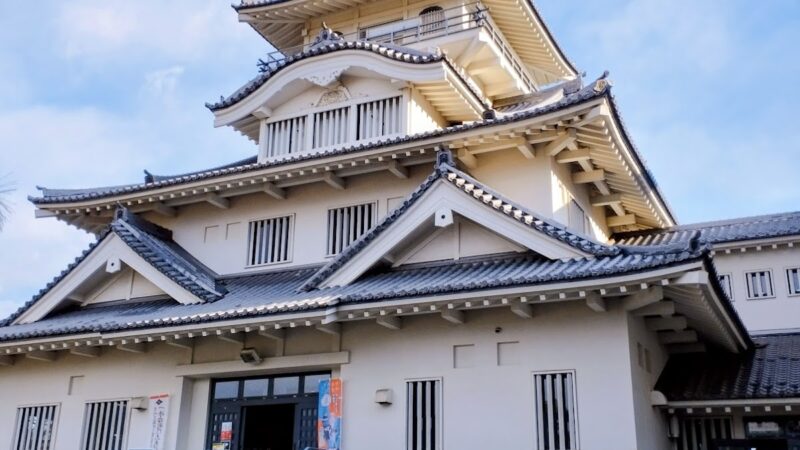
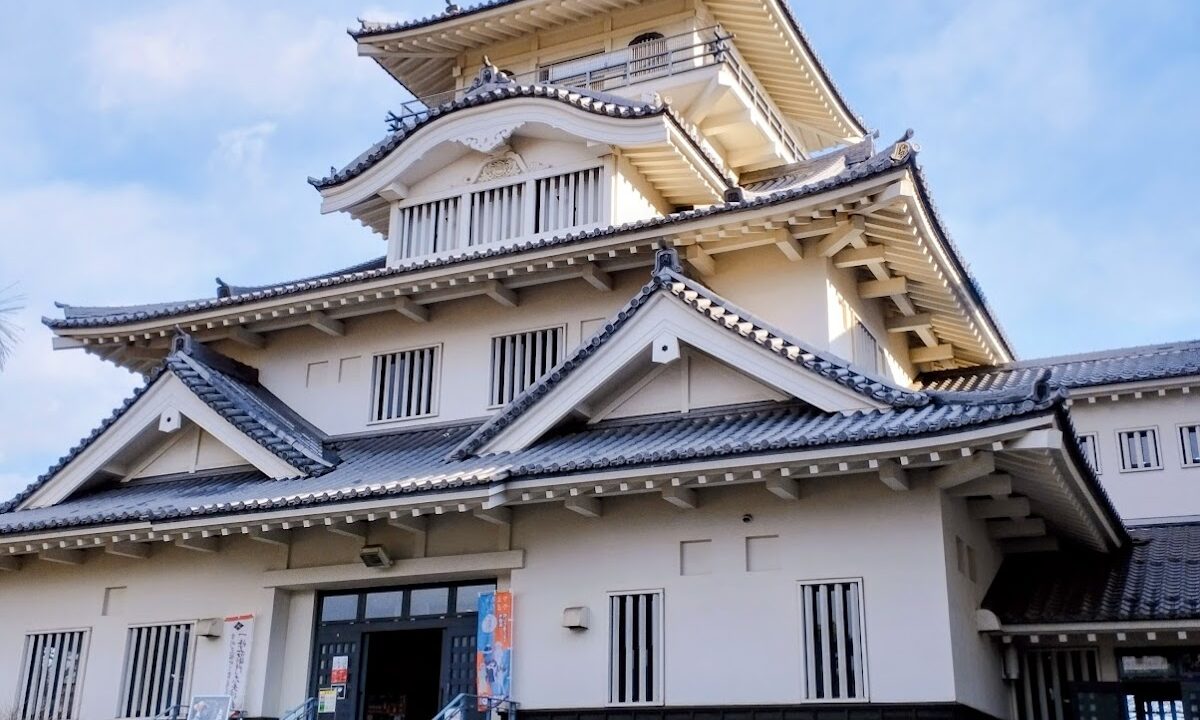
The current site of Kai Ueno Castle has been developed as the “Kabuki Culture Park.” Within the approximately 20,000 square meter site, the “Furusato Kaikan” (Hometown Hall) has been built, featuring a replica castle tower. Its castle-like exterior welcomes visitors.
While this replica castle tower is not based on historical fact, it creates the atmosphere of a castle ruin and also functions as an observation deck. From the tower, visitors can enjoy panoramic views of the town of Ichikawa-Misato and the surrounding mountains, and its excellent scenery is highly praised.
Highlights of the Ichijo Nobutatsu Special Exhibition
The Kabuki Culture Park Furusato Kaikan has changed its exhibits and is currently displaying items related to “Ichijo Nobutatsu” as a special exhibition. The exhibits include the following:
- Items related to Ichijo Nobutatsu: Weapons and documents associated with Nobutatsu
- Armor and Helmet Collection: A close-up view of Sengoku period armor
- Historical Documents and Materials: Ancient documents and illustrations related to the Ichijo and Takeda clans
- Takeda Clan Related Materials: Exhibits related to Takeda Shingen and the Takeda retainers
These exhibits are valuable resources for gaining a deeper understanding of the history of Kai Province and the Ichijo clan during the Sengoku period. The explanations are easy to understand not only for history enthusiasts but also for first-time visitors to the castle ruins.
Armor, Helmet, Ninja, and Kimono Dressing Experience
In addition to viewing the exhibits, visitors can also experience dressing in armor, helmets, ninja uniforms, and kimonos (reservations required, fee applies). This experience program is particularly popular with families and history buffs.
Features of the Kimono Dressing Experience:
- You can actually wear authentic armor and kimono.
- A perfect photo spot for commemorative photos.
- An experiential content that lets you feel like a samurai from the Sengoku period.
- Children’s costumes are also available, so the whole family can enjoy it.
If you wish to participate in the experience, advance reservations are required. Please contact the Ichikawa Misato Town Tourist Information Center before your visit.
Sales of Castle Stamps
Kai Ueno Castle (Kabuki Culture Park Furusato Kaikan) sells “castle stamps.” Castle stamps are popular items that are increasingly collected by enthusiasts as souvenirs of visits to castle ruins.
The castle stamps of Kai Ueno Castle feature designs related to Ichijo Nobutatsu and the Takeda clan, making them valuable collector’s items. Why not get one as a memento of your visit?
Kesaki Shrine and Castle Ruins
The Original Castle Site: Kesaki Shrine
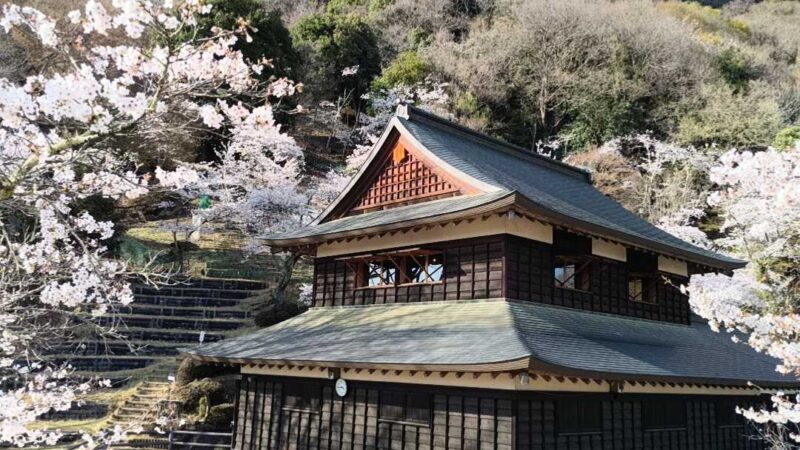
Kesaki Shrine, located adjacent to the north side of Kabuki Culture Park, is considered to be the actual site of Ueno Castle. A stone monument marking “Ueno Castle Ruins” stands within the shrine grounds, indicating that this was the location of the Ichijo clan’s residence.
Kesaki Shrine is a shrine that has long been revered by locals. While retaining traces of its castle site, it remains a quiet place for worship. When visiting Kabuki Culture Park, be sure to also visit this shrine to experience the atmosphere of the original castle site.
Remaining Ruins and Topography
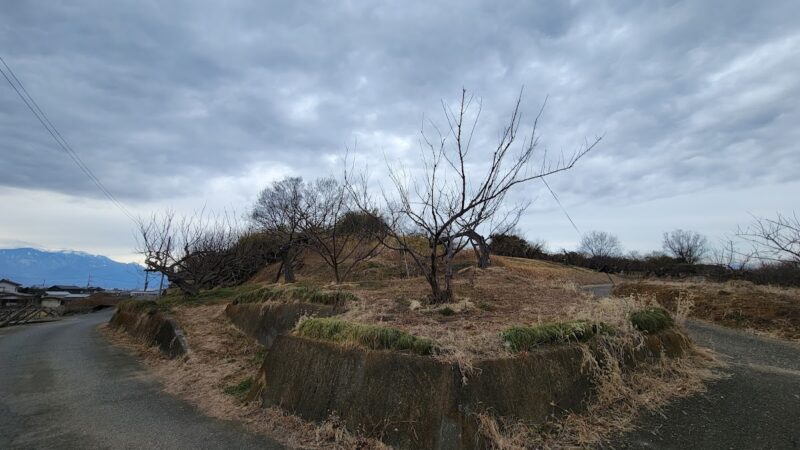
Because Ueno Castle was built as a hill castle, traces of the terrain’s undulations and baileys can still be seen today. However, very few clear remains such as stone walls or moats remain.
A stroll around the castle ruins reveals the following topographical features:
- Flat surface on the plateau: The presumed location of the residence
- Surrounding slopes: A defensive line utilizing the natural terrain
- Location with good views: A strategic position for monitoring the surrounding area
While modest as a historical site, it is a valuable place where you can feel the atmosphere of a residence from the Sengoku period.
Facilities and Highlights of Kabuki Culture Park
Birthplace of the Ichikawa Danjuro Family
Ichikawa Misato Town is known as the birthplace of the prestigious Kabuki family, the Ichikawa Danjuro family. Since the first Ichikawa Danjuro (Horikoshi Juro) was from this area, the town is dedicated to the preservation and promotion of Kabuki culture.
Kabuki Culture Park is a cultural facility developed based on this historical background, and is a unique tourist spot that fuses the historical resource of the castle ruins with Kabuki culture.
Cultural Museum and Exhibits
The Cultural Museum within the park features exhibits on Kabuki and the history and culture of Ichikawa Misato Town. The main exhibits are as follows:
- History of the Ichikawa Danjuro Family: The lineage of a prestigious Kabuki family, continuing from the first generation.
- Kabuki Costumes and Props: Valuable items actually used on stage.
- Local Traditional Crafts: Ichikawa Misato Town’s seal-making industry, washi paper, etc.
- History of the Ichijo and Takeda Clans: Materials related to Kai Province during the Sengoku period.
The exhibits are well worth seeing for Kabuki fans and anyone interested in Japanese culture.
Relaxation Forest and Interaction Plaza
In addition to the exhibition facilities, Kabuki Cultural Park also features “Relaxation Forest” and “Interaction Plaza,” where visitors can enjoy nature.
Features of Ikoi-no-Mori Park:
- Walking trails where you can enjoy nature in all four seasons
- An ideal environment for strolling and picnics
- A popular spot for bird watching
Fureai Hiroba (Interaction Plaza):
- A grassy area where families can relax
- Playground equipment for children is also available
- Used as a venue for events
Besides visiting the castle ruins, this park offers a space to relax in nature, making it enjoyable throughout the day.
Transportation Access and Tourist Information
Access by Train
From JR Minobu Line “Kai-Ueno Station”:
- Approximately 8 minutes on foot
- Signposts are available from the station to Kabuki Culture Park
- Relatively easy access
Since the Minobu Line has limited train service, it is recommended to check the timetable in advance.
Access by Car and Parking
From the Chuo Expressway:
- Approximately 20 minutes from Kofu-Minami Interchange
- Easily accessible via National Route 52
Parking Information:
- Free parking available in front of Kabuki Culture Park
- Accommodates approximately 50 regular cars
- Large buses can also be parked
From the parking lot, you can walk to the replica castle tower and Kewari Shrine. The estimated sightseeing time is approximately 1-2 hours. If you plan to thoroughly view the exhibits or enjoy a kimono-wearing experience, it’s advisable to allow more time.
Opening Hours and Admission Fees
Kabuki Culture Park Furusato Kaikan:
- Opening Hours: 9:00 AM – 5:00 PM (Last entry 4:30 PM)
- Closed: Mondays (or the following day if Monday is a public holiday), New Year holidays
- Admission Fee: 300 yen for adults, 150 yen for elementary and junior high school students (group discounts available)
Notes:
- Kimono dressing experience requires advance reservation (additional fee applies)
- Exhibition contents may change during special exhibition periods
- Please check the Ichikawa Misato Town official website for the latest information
Nearby Tourist Attractions
When visiting Kai Ueno Castle, we recommend also visiting other tourist attractions in Ichikawa Misato Town.
Ichikawa Daimon Fireworks
- Ichikawa Misato Town is famous as a fireworks production area.
- Learn about the history of fireworks at the Fireworks Museum.
Daimon Hirin Park
- One of Japan’s three major Hirin Parks.
- A park where you can experience calligraphy culture.
Mitama no Yu
- Day-trip hot spring facility.
- Perfect for relaxing after sightseeing.
The Charm and Points to Note When Visiting Kai Ueno Castle
Value for History Fans
Kai Ueno Castle is an important historical site that tells the history of Kai Province during the Sengoku period, as it was the residence of the Ichijo clan, a branch of the Takeda clan. Through Ichijo Nobutatsu, the half-brother of Takeda Shingen, you can learn about the Takeda clan’s retainers and their domain management.
Although it is a replica keep, it has been maintained to give a sense of the castle ruins, and the exhibits of items related to Ichijo Nobutatsu are particularly valuable and unique.
The Appeal of Experiential Tourism
The experience of trying on samurai armor and kimonos is highly regarded as an experiential form of tourism that goes beyond mere sightseeing. By actually wearing the armor, visitors can not only experience what it was like to be a Sengoku period warlord, but also gain a real understanding of the hardships faced by samurai during that time through the weight and difficulty of movement.
It’s also a popular spot for taking Instagrammable photos, and is particularly well-received by younger generations and international tourists.
Fusion with Kabuki Culture
A major characteristic of Kai Ueno Castle is the fusion of two seemingly disparate elements: castle ruins and Kabuki culture. The cultural background as the birthplace of the Ichikawa Danjuro family and the historical background as the residence of Ichijo Nobutatsu combine to create a multifaceted tourist destination.
The facility’s design, which can be enjoyed from the perspectives of both those interested in Kabuki and those interested in castles, has attracted attention from various fields.
A Family-Friendly Environment
Besides historical exhibits, the park boasts numerous facilities for children, such as a relaxation area and a play area, making it ideal for family visits. Children’s costumes are also available for the kimono dressing experience, making it an activity the whole family can enjoy.
A Family-Friendly Environment
In addition to historical exhibits, the park offers a variety of facilities for children, including a relaxation area and a play area, making it perfect for families. ## Points to Note and Recommended Time to Visit
Best Season
While Kai Ueno Castle can be visited year-round, the following times are particularly recommended:
Spring (March-May):
- The park is vibrant with cherry blossoms.
- The weather is mild, making it ideal for strolling.
Autumn (October-November):
- The autumn foliage is beautiful.
- The view from the castle tower is exceptional.
- The pleasant temperature makes it ideal for sightseeing.
Summer (August):
- The Ichikawa Misato Fireworks Festival is held during this time.
- Visiting in conjunction with the fireworks is also recommended.
Estimated Time Required
- Exhibition Viewing Only: Approximately 30-40 minutes
- Exhibition Viewing + Castle Ruins Stroll: Approximately 1 hour
- Including Kimono Dressing Experience: Approximately 1 hour 30 minutes to 2 hours
- Including Surrounding Area Sightseeing: Half a day to a full day
Planning your visit with ample time will allow you to enjoy a more fulfilling sightseeing experience.
Photography Tips
- Exterior of the Replica Castle Tower: Take a full view from near the entrance to the Kabuki Culture Park.
- View from the Castle Tower: The townscape of Ichikawa-Misato and the surrounding mountains.
- Castle Ruins Monument at Kewari Shrine: A must-see photo spot for history buffs.
- During the Kimono Dressing Experience: Take commemorative photos in armor or kimono.
Summary: The Overall Charm of Kai Ueno Castle
Kai Ueno Castle in Ichikawa-Misato, Yamanashi Prefecture, is a castle ruin that tells the history of the Sengoku period, yet it has been modernized as a Kabuki Culture Park, making it a multifaceted tourist spot.
Its historical value as the former residence of Ichijo Nobutatsu, the half-brother of Takeda Shingen, its cultural background as the birthplace of the Ichikawa Danjuro family, and its modern tourist elements such as the replica castle tower and interactive facilities combine to attract a wide range of visitors.
The park offers plenty to see and do, including the sale of castle stamps, hands-on experiences such as kimono dressing, and special exhibitions of items related to Ichijo Nobutatsu. Its convenient location, just an 8-minute walk from Kai-Ueno Station on the JR Minobu Line, is another attractive feature.
Whether you want to experience the history of Kai Province during the Sengoku period, are interested in Kabuki culture, or are looking for a family-friendly tourist destination, this will be a highly satisfying visit. When visiting Yamanashi Prefecture, be sure to add Kai-Ueno Castle and Kabuki Culture Park to your list of places to visit.