Mitake Castle (Ome City, Tokyo) Complete Guide | The History of the 929m High Mountain Castle and Musashi Mitake Shrine
What is Mitake Castle? | A Mountain Castle in Ome City, Tokyo
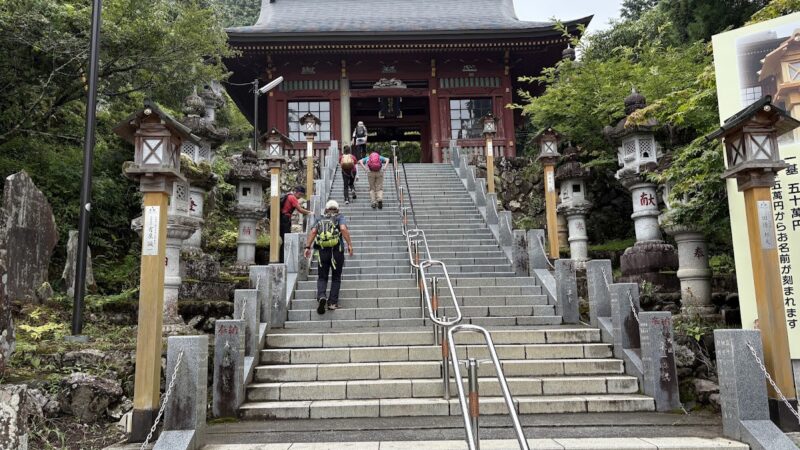
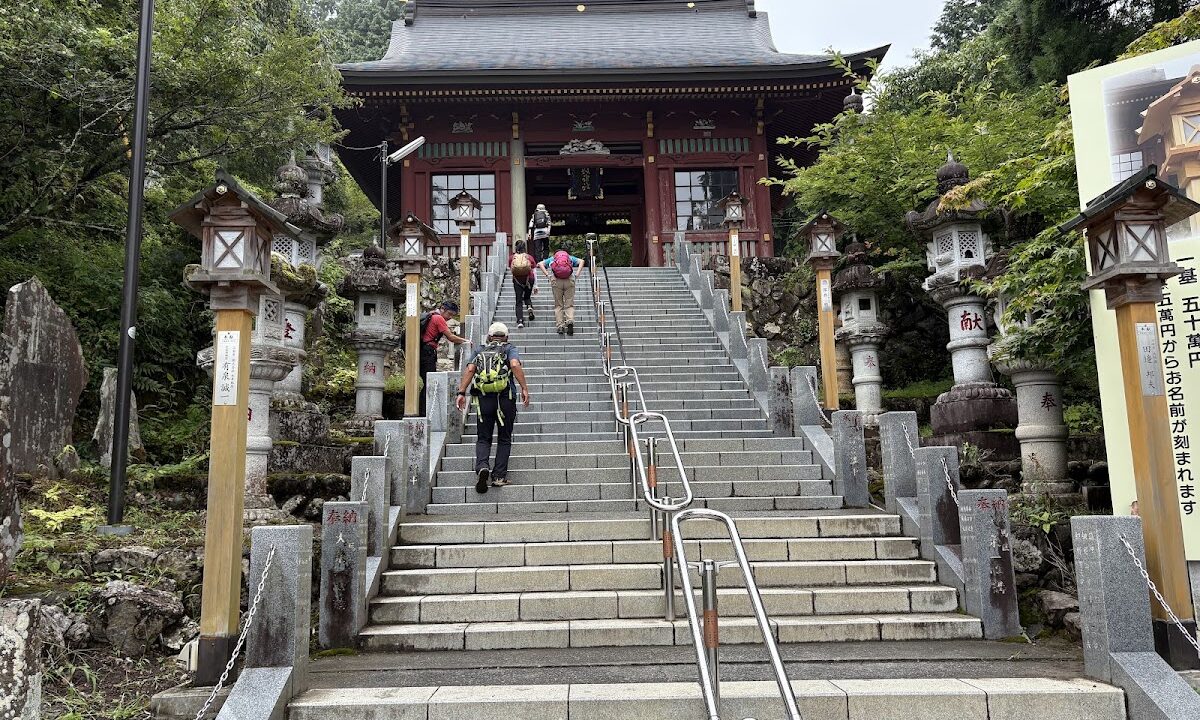
Mitake Castle is a mountain castle located on Mount Mitake in Ome City, Tokyo. Also written as 御嶽城 or 御岳山城, it is known as a mountain castle boasting an astonishing height of 929m above sea level and a relative height of 679m. Currently, Musashi Mitake Shrine stands on the castle site, and the entire shrine area is considered to be the site of the castle.
Located in the former Musashi Province, this mountain castle was built on the summit of Mount Mitake, which has long been an object of mountain worship. Unlike typical flatland or hill castles, its most distinctive feature is its location at an altitude of over 900m. As part of the Chichibu-Tama-Kai National Park, it is a historical heritage site blessed with a rich natural environment.
Basic Information on Mitake Castle
- Location: Mount Mitake, Ome City, Tokyo
- Elevation: 929m
- Relative Height: 679m
- Castle Classification: Mountain Castle
- Other Names: Mitake Castle, Mitakeyama Castle
- Current Status: Within the grounds of Musashi Mitake Shrine
- Construction Period: Unknown (Estimated to be medieval)
- Builder: Unknown
History and Construction Background of Mitake Castle
Fusion of Mountain Worship and Castle
Mount Mitake has been revered as a sacred site of mountain worship since ancient times. The history of this faith is very old, and it is said that Musashi Mitake Shrine was founded in 91 BC. It also flourished as a sacred site for mountain asceticism, and many ascetics visited for training.
There are no clear records regarding when Mitake Castle was built as a castle. However, examples of mountain religious sites functioning as military bases during the Middle Ages can be found throughout Japan. In the case of Mount Mitake, it is highly likely that it was utilized as a natural stronghold due to its religious authority and strategic value.
Musashi Province and Mount Mitake in the Sengoku Period
During the Sengoku period, Musashi Province was the front line of conflict between powerful clans such as the Hojo, Uesugi, and Takeda. The area around Ome City was no exception, and numerous mountain castles were built in the Tama region. Mount Mitake’s elevation of 929 meters made it an excellent location for monitoring enemy movements from afar, and it may have also functioned as a signal fire station.
Its high elevation also offered defensive advantages. The steep terrain made enemy attacks difficult, and with the cooperation of mountain ascetics, it is presumed that a defense utilizing the terrain’s advantages was possible.
Changes After the Edo Period
In the Edo period, Mount Mitake lost its military function as a castle, and it once again developed as a mountain of pure religious significance. Musashi Mitake Shrine received the reverence of the Tokugawa family and attracted many worshippers. It was particularly known for its “Oinu-sama” (wolf) worship, drawing visitors from all over the Kanto region.
Even after the Meiji era, it flourished as a center of mountain worship, and today it is a representative tourist spot in Tokyo, attracting many hikers and tourists throughout the year.
Structure and Remains of Mitake Castle
Current Status of Castle Remains
Due to the passage of time and the development of Musashi Mitake Shrine, the remains of Mitake Castle are not clearly preserved. However, castle-like elements can be found in the topography and layout of the mountaintop.
The entire shrine grounds are believed to be the site of a castle, and the following characteristics can be observed:
- Kuruwa (enclosure): The flat areas around the shrine buildings and approach may have been former enclosures.
- Natural Fortress: The surrounding steep terrain itself functioned as a defensive structure.
- Approach Path: Possibly planned as a defensive route.
- Stone Walls: Further investigation is needed to determine if the stone walls found in some areas are related to the castle.
Topographical Characteristics of the Summit
The summit of Mount Mitake has a relatively large flat area, which is thought to be one reason why it was used as a castle. The current appearance, with the Musashi Mitake Shrine buildings, lodgings, and visitor center, also indicates a certain amount of space.
At an altitude of 929m, it is also an excellent viewpoint offering panoramic views of the Kanto Plain. On clear days, it is possible to see as far as central Tokyo and even Mount Fuji, making it extremely valuable as a military surveillance base.
Surrounding Defensive Lines
There are several hiking trails to Mount Mitake, but all are steep and difficult. Even the main route along the cable car from Takimoto Station requires considerable physical strength on foot. This natural ruggedness can be considered the greatest defensive feature.
Relationship between Musashi Mitake Shrine and Mitake Castle
History and Origins of the Shrine
Musashi Mitake Shrine is an ancient shrine located on the summit of Mount Mitake. The main deities enshrined are Kushimachi-no-Mikoto, Ōnamuchi-no-Mikoto, Sukunahikona-no-Mikoto, and Yamato Takeru-no-Mikoto.
According to shrine tradition, it was founded in the 7th year of Emperor Sujin’s reign (91 BC), and there is a legend that Yamato Takeru-no-Mikoto visited the shrine during his eastern expedition. This long history speaks to the religious and political importance of Mount Mitake.
Characteristics of the “Oinu-sama” Worship
A major characteristic of Musashi Mitake Shrine is the “Oinu-sama” worship, which considers wolves (mountain dogs) as divine messengers. Wolves were revered as protectors of crops from animals that would damage them, and were also worshipped as gods of protection against theft and fire.
During the Edo period, this belief spread throughout the Kanto region, and many religious organizations were formed. Even today, numerous wolf statues and votive tablets are dedicated at the shrine, preserving this unique form of worship.
Temple Lodgings and Mountain Worship
Dozens of temple lodgings (shukubo) still operate on Mount Mitake. These lodgings served not only as accommodations for pilgrims but also as centers of Shugendo (mountain asceticism). The existence of these lodgings is important evidence that Mount Mitake was not merely a fortress but a religious sacred site.
Many of these lodgings have a history dating back to the Edo period and offer traditional temple lodging experiences, such as vegetarian meals and morning prayers.
How to Access Mitake Castle
Access by Train and Cable Car
The most common way to access Mitake Castle (Musashi Mitake Shrine) is by train and cable car.
Access by Train:
- Get off at JR Ome Line “Mitake Station”
- From the station, take the Nishi Tokyo Bus to the “Cable-shita” bus stop (approximately 10 minutes)
- From the bus stop, it’s a short walk to Takimoto Station (cable car station)
Using the Cable Car:
- Approximately 6 minutes from Takimoto Station to Mitakeyama Station
- Elevation difference is approximately 423m
- Steep gradient with a maximum gradient of 22 degrees
- Operating hours: 7:30~18:30 (varies seasonally)
- Fare: 600 yen one way, 1,130 yen round trip (as of 2024)
From Mitakeyama Station, it’s approximately a 25-minute walk to Musashi Mitake Shrine. Along the way, you’ll find the Mitake Visitor Center, where you can obtain tourist information.
Access by Car and Parking
If you’re visiting by car, there are several parking lots around Takimoto Station.
- Parking around Takimoto Station: Several private parking lots available (approximately 800-1,500 yen per day)
- Mitake Exchange Center Parking: Located in front of JR Mitake Station
- Access Road: Approximately 30 minutes from the Ken-O Expressway “Ome IC”
Parking lots can get crowded on weekends, during the autumn foliage season, and during the New Year’s pilgrimage period, so early arrival is recommended.
Access by Hiking
Those confident in their physical fitness can hike up without using the cable car.
Main Hiking Routes:
- Omotesando Route from Takimoto Station: Approximately 90 minutes, elevation difference approximately 400m
- Via Otsukayama: A more nature-rich route
- Via Nanayo Falls: A route where you can enjoy the waterfall while climbing
All routes have steep sections, so appropriate equipment and physical fitness are necessary.
Highlights of Mitake Castle and Mount Mitake
Grounds of Musashi Mitake Shrine
The grounds of Musashi Mitake Shrine, located on the site of Mitake Castle, offer many points of interest.
Main Highlights:
- Worship Hall/Main Shrine: A magnificent shrine building preserving the architectural style of the Edo period.
- Jindai Zelkova Tree: A natural monument estimated to be approximately 1,000 years old.
- Treasure Hall: Houses national treasures and important cultural properties.
- Wolf Statues: Statues of divine messengers placed throughout the shrine grounds.
Mitake Visitor Center
Located on the path from Mitakeyama Station to the shrine, the Mitake Visitor Center has a resident nature interpreter who provides information on the nature of Mount Mitake and hiking trails. It is recommended to stop by during your visit to check the latest hiking trail information and seasonal highlights.
Nagao-daira Viewpoint
Nagao-daira, about a 15-minute walk from Musashi Mitake Shrine, is a spectacular viewpoint offering panoramic views of the Kanto Plain. On a clear day, you can see the skyscrapers of central Tokyo and even Mount Fuji, giving you a real sense of why Mitake Castle was such an excellent surveillance base.
Nanayo Falls
Located about 30 minutes from Musashi Mitake Shrine, Nanayo Falls is a beautiful waterfall that cascades down in eight stages. Known as a place for waterfall asceticism, it continues the traditions of Shugendo (mountain asceticism). It’s a popular healing spot rich in negative ions.
Tengu Rock
Further along from Nagaohira, Tengu Rock is a challenging area with massive, strangely shaped rocks. This area, also used as a training ground for Shugendo practitioners, is a place where you can feel the beauty of nature’s formations and a spiritual atmosphere.
Trekking Courses on Mount Mitake
Beginner-Friendly Course
Cable Car Pilgrimage Course (Approx. 2 hours):
- Takimoto Station → (Cable Car) → Mount Mitake Station
- Visit the Mitake Visitor Center
- Visit Musashi Mitake Shrine
- Enjoy the view at Nagaohira
- Return via the same route
This course is recommended for those who are not confident in their physical fitness or for families. Many sections are paved, making it an easy route to walk.
Intermediate-Friendly Course
Nanadai Falls Loop Course (Approx. 4 hours):
- From Mount Mitake Station to Musashi Mitake Shrine
- Via Nagaohira to Nanadai Falls
- Via Tengu Rock to the shrine
- Descend by cable car
This course is for those who want to enjoy nature more deeply. It has moderate ups and downs, providing a sense of accomplishment.
Advanced Course
Mt. Otake Traverse Course (Estimated time: 6-7 hours):
- Begin hiking on foot from Takimoto Station
- Visit Musashi Mitake Shrine
- Traverse to Mt. Otake (elevation 1,266m)
- Descend
This course requires full-fledged mountaineering equipment. The view from Mt. Otake is magnificent and popular with experienced hikers.
Seasons and Nature of Mt. Mitake
Spring on Mt. Mitake
From late April to May, Mt. Mitake is beautiful with its fresh greenery. Wildflowers are abundant, with a variety of flowers blooming, including dogtooth violets, epimedium, and anemones. It is also known as a habitat for Anemone flaccida, which begins preparing for summer.
Summer on Mt. Mitake
From late July to August, Anemone flaccida is in full bloom. The lovely purple flowers are also known as “forest fairies,” attracting many photography enthusiasts. Due to its high altitude, it’s cooler than the city center, making it a popular summer retreat.
Autumn at Mount Mitake (Autumn Leaves)
From late October to mid-November, Mount Mitake becomes a famous spot for autumn foliage. The view from the cable car is magnificent, with maple, beech, and other trees coloring the mountain. It gets particularly crowded during the autumn foliage season, so visiting early in the morning is recommended.
Winter at Mount Mitake
Many visitors come to see the first sunrise of the year on January 1st. During winter, there is a possibility of snow and ice, so equipment such as crampons is necessary. Because the air is clear, the view on a clear day is considered the most beautiful of the year.
Tourist Spots Around Mount Mitake
Mitake Valley
The Mitake Valley, which spreads around JR Mitake Station, is a beautiful valley created by the clear waters of the Tama River. The area features well-maintained walking trails and offers activities such as canoeing and rafting. It’s also known as a famous spot for autumn foliage.
Ome City Mitake Exchange Center
Located in front of JR Mitake Station, this facility provides tourist information, a bouldering facility, and sells local products. It also has electric vehicle chargers, making it a convenient base for drives.
Sawanoi Sake Brewery
A long-established sake brewery located along the Mitake Valley. Brewery tours and tastings are available, and the attached restaurant serves local sake and cuisine. The beautiful Japanese garden is also a highlight.
Mitake Mountain Temple Lodgings and Gourmet Food
Temple Lodging Experience
Temple lodgings on Mount Mitake are not merely accommodations, but valuable places to experience the culture of mountain worship.
Features of the Temple Lodgings:
- Vegetarian cuisine or meals using mountain ingredients
- Morning service (optional)
- Early morning worship to witness the sunrise
- Approximately 8,000 to 12,000 yen per night with two meals
Reservations can be made by contacting each temple lodging directly or by checking the Musashi Mitake Shrine website.
Local Specialties
**Kusamochi (rice cake with mugwort) and Yomogi Manju (mugwort buns): Traditional Japanese sweets served at teahouses along the approach to the temple.
Mountain Vegetable Cuisine: Enjoy dishes made with seasonal mountain vegetables at temple lodgings and restaurants.
Soba Noodles: Many delicious soba noodle restaurants are scattered around Mount Mitake.
Tofu Dishes: Dishes made with tofu using pure water.
Points to Note When Visiting Mitake Castle and Mount Mitake
Clothing and Equipment
- Hiking boots or comfortable sneakers: The approach to the temple has many stone steps.
- Warm clothing: Due to the high altitude, it gets cold in the mornings and evenings even in summer.
- Rain gear: The weather is unpredictable in this mountainous area.
- Drinking water: Vending machines are limited.
- Winter: Crampons and warm clothing are essential.
Best Season
- Fresh Greenery: May
- Renge-shoma (Japanese anemone): Late July to August
- Autumn Foliage: Late October to Mid-November
- First Sunrise of the Year: January 1st (Expect crowds)
Manners and Precautions
- Remember that shrines are sacred places.
- Always take your trash with you.
- Stay on the hiking trails.
- Do not feed wild animals.
- Observe the rules of the temple lodgings.
Historical Value and Future Prospects of Mitake Castle
Mitake Castle, while lacking clear castle remains, is a unique historical heritage site where mountain worship and castle architecture are fused. Its altitude of 929m is among the highest of all mountain castles in Japan, and its location alone gives it significant historical value.
In modern times, Mount Mitake is a valuable natural recreational area for Tokyo residents and a cultural heritage site that conveys the tradition of mountain worship. Ome City and the Tokyo Metropolitan Government are working to preserve this valuable resource while also utilizing it as a tourist attraction.
Multifaceted initiatives are underway at the Mitake Visitor Center, including nature commentary activities, trail maintenance, and the preservation of the temple lodging culture. It is hoped that these efforts will continue to convey the charm of Mount Mitake, where history, nature, and faith harmonize, to even more people.
Summary
Mitake Castle in Ome City, Tokyo, is a mountain fortress situated at an astonishing altitude of 929 meters. Currently located within the grounds of Musashi Mitake Shrine, while there are few clearly defined castle remains, its location and historical background make it a unique cultural heritage site where mountain worship and military facilities are fused.
While relatively easy to access via cable car from JR Ome Line Mitake Station, there are also plenty of challenging hiking trails, catering to visitors of all levels. With its seasonal natural beauty, cultural experiences at temple lodgings, and panoramic views of the Kanto Plain, Mount Mitake, a representative mountain tourist destination in Tokyo, will undoubtedly continue to attract many visitors.
Mitake Castle and Mount Mitake are open to everyone, from history buffs and hikers to nature lovers and pilgrims seeking peace of mind. We encourage you to visit this 929-meter-high mountain castle and experience the harmony of history, nature, and faith.