Complete Guide to Miwa Castle (Machida City) | The Remains of a Hojo Clan Mountain Castle in Tokyo and the History of Miwa Town
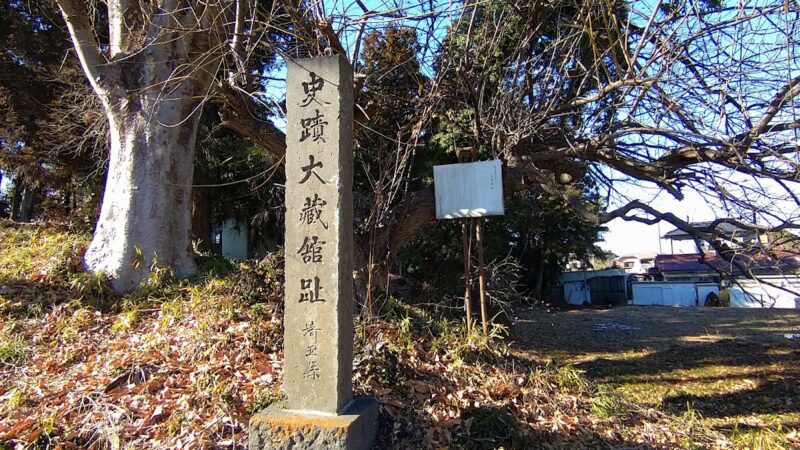
Miwa Castle, located in Miwa Town, Machida City, Tokyo, is a mountain castle believed to have functioned as a branch castle of the Hojo clan during the Sengoku period (Warring States period). Also known as “Sawayama Castle” and “Musashi Miwa Castle,” its remains, such as earthworks and dry moats, remain in excellent condition. This article provides a comprehensive explanation of the history and culture of Miwa Town, Machida City, Tokyo, from the historical background of Miwa Castle to specific points of interest, access methods, and the charm of the surrounding area.
What is Miwa Castle? | A Sengoku Period Mountain Castle Remaining in Machida City, Tokyo
Basic Information on Miwa Castle
Miwa Castle is a medieval mountain castle located in Miwa Town, Machida City, Tokyo. It was built on a hilly area in the easternmost part of Machida City, near the border with Yokohama City, Kanagawa Prefecture. The castle site is currently located near Sawayato Nature Park, in the area surrounding the TBS Midoriyama Studio.
Location: Miwa-cho, Machida City, Tokyo (Postal Code 195-0054)
Other Names: Shiroyama, Sawayama Castle, Musashi Miwa Castle
Castle Structure: Mountain Castle
Construction Period: Unknown (Estimated to be the Sengoku period)
Lord: Estimated to be a samurai under the Hojo clan
Historical Background of Miwa Castle
There are few clear historical records regarding the detailed construction date and lord of Miwa Castle, and much of the information is based on estimation. However, since there is a description of Miwa Castle in a letter from Hojo Ujiteru, it is considered certain that it functioned as a branch castle of the Hojo clan during the Sengoku period.
Hojo Ujiteru was the third son of Hojo Ujiyasu and a samurai based at Hachioji Castle. His territory extended from the Tama region to the northern part of Sagami Province, and Miwa Castle is thought to have been an important base protecting the eastern edge of the Hojo clan’s sphere of influence in this region.
In the vicinity of Machida City, there are several other castle ruins dating from the Kamakura period to the Sengoku period, including Oyamada Castle and Onoji Castle, indicating that this region has been considered militarily important since ancient times. It is presumed that Miwa Castle also played a part in this network of castles in southern Musashi Province.
Highlights of Miwa Castle | Ruins and Castle Structure
Existing Ruins
The following ruins can still be seen at the Miwa Castle site:
Earthworks: Earthen embankments built as defensive structures for the castle can be seen in multiple locations. While the height varies depending on the location, many parts remain clearly visible, making them valuable ruins for understanding the castle structure of the time.
Dry Moats: Moats dug to prevent enemy intrusion remain in good condition. The dry moats around the main enclosure are particularly deep, demonstrating their function as defensive structures.
Enclosures (Kuruwa): Multiple levels of enclosures, which are flat areas within the castle, can be seen. The structure of the castle, with its central enclosure and tiered arrangement of baileys, suggests that it was a small but systematically designed fortress.
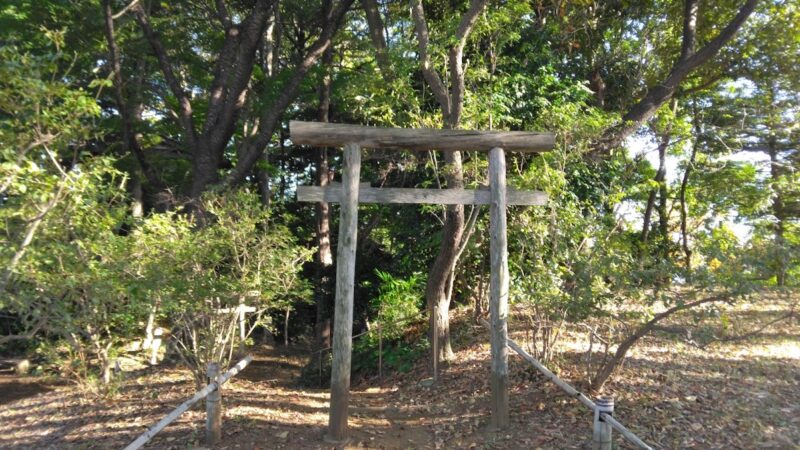
Tiger’s Mouth Entrance: Traces of the castle’s entrance gate remain, and the area where the cemetery now stands is believed to be the former gate.
Notes for Visitors
Please note that Miwa Castle Ruins are private property. Currently, thanks to the owner’s generosity, a portion is open to visitors, but the following points must be observed:
- Group visits are prohibited
- Please visit individually or in small groups and maintain a quiet atmosphere
- Do not damage the remains or leave litter
- Always be mindful that it is private property and be considerate of the owner and nearby residents
- Photography is permitted, but please be considerate of the privacy of surrounding houses and other residents.
The average visit time is approximately 26 minutes, and despite its compact size, it offers a full experience of the atmosphere of a Sengoku period mountain castle.
Castle Evaluation and Visitor Feedback
According to data from Kojodan (a castle-building website), the average rating for Miwa Castle is ★★☆☆☆ (2.38), with 131 visitors to date. The slightly lower rating is likely due to the small scale of the remains and the limited viewing area due to it being on private land.
However, it is a valuable site for viewing well-preserved mountain castle remains within Tokyo, making it a worthwhile spot for castle enthusiasts and history buffs. The excellent preservation of the earthworks and dry moats, in particular, is highly praised.
How to Access Miwa Castle
Access by Public Transportation
The nearest stations to Miwa Castle are as follows:
Odakyu Odawara Line “Tsurukawa Station”
- Approximately 40 minutes on foot from the station, or by bus
- Take a bus from Tsurukawa Station bound for “Nara Kita Danchi” or “Kodomo no Kuni”
- Get off at the “Miwa Iriguchi” bus stop, then approximately 15 minutes on foot
Odakyu Odawara Line “Tamagawa Gakuenmae Station”
- Approximately 50 minutes on foot from the station, or by bus
- There are also buses from Tamagawa Gakuenmae Station
Kodomo no Kuni Line “Kodomo no Kuni Station”
- Approximately 25 minutes on foot from the station
- It’s easy to find if you use TBS Midoriyama Studio as a landmark
Access by Car
If traveling by car, it’s convenient to set your navigation system to “TBS Midoriyama Studio” in Miwa-cho, Machida City. However, since there is no dedicated parking lot around the castle ruins, we recommend using the parking lots of the following facilities:
- Miwa no Mori Visitor Center Parking Lot (Free)
- Kodomo no Kuni Parking Lot (Paid)
The castle ruins are within walking distance from these parking lots.
Notes on Map Search
Searching for “Miwa-cho, Machida City, Tokyo” on a map will display the entire town area. Miwa Castle Ruins are specifically located near “Sawayato Nature Park” and around the TBS Midoriyama Studio, so searching using these landmarks will give you a more accurate location.
History and Culture of Miwa-cho | Burial Mounds and Temples
Geographical Characteristics of Miwa-cho
Miwa-cho is located in the easternmost part of Machida City, Tokyo, bordering Nogaya to the north, Asao Ward, Kawasaki City, Kanagawa Prefecture to the east, Miwa Midoriyama to the west, and Aoba Ward, Yokohama City, to the south. It is a hilly area with a rich natural environment.
Machida City boasts a particularly large amount of green space, including Miwa Green Space (21.1 hectares), which, along with Yokohama City’s “Jike Furusato Village” and “Kodomo no Kuni,” forms a large green belt.
Kofun (ancient burial mounds) of Miwa Town
Numerous horizontal burial mounds dating from the late Kofun period (6th-7th centuries) have been discovered in Miwa Town, and three groups of these mounds are designated as cultural properties of the city:
Shirasaka Horizontal Burial Mound Group
Located in the northern part of Miwa Town, this group of burial mounds has confirmed the presence of multiple horizontal tombs.
Nishitayato Horizontal Burial Mound Group
This group of horizontal burial mounds was constructed utilizing the valley topography and is an important site for understanding the burial culture of the Kofun period.
Shimo-Miwa Horizontal Burial Mound Group
This is the most valuable group of burial mounds, located in a hard-to-find mountainous area. It is an extremely rare burial mound with carvings on the interior walls of the first and third of the four horizontal burial mounds lined up together. These carvings are valuable historical materials that convey the beliefs and aesthetic sensibilities of the time.
The existence of these burial mounds indicates that the Miwa region was inhabited by people and had a certain level of power from the Kofun period (Tumulus period). This area was an important strategic point even before Miwa Castle was built.
Temples and Shrines of Miwa Town
Miwa Town has many temples and shrines with a long history. These temples and shrines serve as centers of local faith and also play a role in preserving historical cultural assets.
According to official information from Machida City, the Miwa region is described as an area that “preserves many burial mounds and temples/shrines,” making it an ideal area for historical walks.
Miwa Forest Green Space and Visitor Center
Miwa Forest Visitor Center
When visiting the Miwa Castle ruins, the “Miwa Forest Visitor Center” is a place you should stop by. This center is located at the entrance to Miwa Green Space and is equipped with the following facilities:
- Restrooms
- Rest Area
- Local History Exhibition Room
- Information Corner
- Vending Machines
The Local History Exhibition Room, in particular, features exhibits on the history and nature of the Miwa region, and provides information on Miwa Castle and the surrounding burial mounds. Visiting before or after visiting the castle ruins will allow you to gain a deeper understanding of the region’s history.
The Charm of Miwa Green Space
Miwa Green Space is a 21.1-hectare urban planning green space located on the border with Yokohama City, where a rich natural environment is preserved. Together with the adjacent “Jike Furusato Village” and “Kodomo no Kuni” in Yokohama City, as well as the surrounding farmland and temple forests, it forms a large green belt, attracting many visitors for walks and nature observation.
Walking trails are maintained within the green space, allowing you to enjoy hiking while appreciating the changing seasons. The combination of Miwa Castle ruins and Miwa Green Space offers a great opportunity to enjoy both nature and history, which is a major attraction of the Miwa region.
Miwa Green Space is a 21.1-hectare urban planning green space located on the border with Yokohama City, where a rich natural environment is preserved. ## Other Castle Ruins in Machida City
If you visit Miwa Castle, why not explore other castle ruins in Machida City?
Oyamada Castle
Located in the northern part of Machida City, Oyamada Castle was the residence of the Oyamada clan from the Kamakura period to the Sengoku period. Currently, it is maintained as Oyamada Green Space, and the remains of the moats and baileys are well preserved.
Onoji Castle
Located in Onoji-cho, Onoji Castle is also an important historical site with remaining medieval castle ruins. Like Oyamada Castle, it is thought to be a castle associated with the Oyamada clan.
Machida City’s Castle Network
Many castles were built around Machida City from the Kamakura period onwards, forming a defensive line for southern Musashi Province. These castles are scattered throughout the Tama region along the Odakyu Line and constitute an important group of ruins for understanding the political and military situation of the time.
Miwa Castle is located at the eastern end of this network and is thought to have played a role in defense against attacks from Sagami Province.
Tourist Attractions Around Miwa Town
Kodomo no Kuni (Children’s Land)
Located in Aoba Ward, Yokohama City, adjacent to Miwa Town, is Kodomo no Kuni, a vast park. A popular destination for families, it’s ideal to visit in conjunction with a tour of Miwa Castle.
TBS Midoriyama Studio
Near the Miwa Castle ruins is the TBS Midoriyama Studio, where many television programs are filmed. While studio tours are not available, it’s a convenient landmark for exploring the surrounding area.
Jike Furusato Village
Jike Furusato Village in Aoba Ward, Yokohama City, is an area where traditional rural landscapes are preserved, adjacent to Miwa Green Space. The beautiful scenery of rice paddies and groves of trees offers a sense of peace and tranquility to visitors.
Model Course for Visiting Miwa Castle
Here is a model course for efficiently visiting Miwa Castle and the surrounding area:
Half-Day Course (Approx. 3-4 hours)
- Depart by bus from Tsurukawa Station (Approx. 15 minutes)
- Gather information and take a break at Miwa no Mori Visitor Center (30 minutes)
- Walk through Miwa Green Space towards the castle ruins (30 minutes)
- Visit Miwa Castle Ruins (30 minutes)
- Visit Shimo-Miwa Cave Tombs (if time and energy allow) (40 minutes)
- Return by bus towards Kodomo-no-Kuni Station or Tsurukawa Station
Full-Day Course (Approx. 6-7 hours)
In addition to the above half-day course:
- Stroll through Jike Furusato Village
- Play at Kodomo-no-Kuni
- Combining a visit to temples and shrines around Miwa Town with other activities will allow you to enjoy a fulfilling day filled with nature and history.
Best time to visit Miwa Castle
Spring (March-May)
The fresh greenery is beautiful, the weather is mild, and it’s the perfect season for a stroll. The trees in Miwa Green Space are budding, allowing you to enjoy the vibrant nature.
Autumn (October-November)
The autumn leaves are beautiful, and the forests around the castle ruins are ablaze with color. The temperature is comfortable, making it suitable for longer walks.
Periods Requiring Caution
- Summer: There are many insects, and the vegetation can make it difficult to see the ruins.
- Winter: The ruins become easier to see due to fallen leaves, but cold weather precautions are necessary.
- Rainy Weather: The mountain paths become slippery, so it is best to avoid visiting.
Items to Bring and Clothing When Visiting Miwa Castle
Recommended Clothing
- Comfortable clothing (because it is a mountain castle)
- Comfortable walking shoes (sneakers or trekking shoes)
- Long-sleeved shirt and long pants (to protect skin from insect bites and vegetation)
- Hat (for sun protection)
Useful Items to Bring
- Drinking water
- Towel
- Insect repellent spray (especially in spring and summer)
- Camera
- Map or smartphone (with GPS function)
- Basic first-aid kit
Basic Information about Miwa-machi, Machida City, Tokyo
Address and Postal Code
- Address: Miwa-machi, Machida City, Tokyo
- Postal Code: 195-0054
- Reading: Tokyo-Machida-shi Miwa-machi
Transportation Access
Access to Miwa-machi is mainly via Tsurukawa Station or Tamagawa-Gakuenmae Station on the Odakyu Odawara Line. Bus routes are also extensive, providing access from Machida City and Yokohama City.
Surrounding Facilities
The area around Miwa-machi boasts numerous facilities for enjoying nature, including the Miwa Forest Visitor Center, Sawayato Nature Park, Kodomo-no-Kuni (Children’s Land), and Jike Furusato Village.
Historical Value of Miwa Castle and Machida City
Although small in scale, Miwa Castle holds historical significance as a valuable Sengoku period mountain castle ruin remaining within Tokyo.
Academic Value
Miwa Castle occupies an important position in understanding the Hojo clan’s branch castle network. It is attracting attention from researchers as material evidence showing the extent of the sphere of influence of Hojo Ujiteru, whose base was Hachioji Castle. ### Significance in Local History
When discussing the history of Machida City, castle ruins, including Miwa Castle, are indispensable elements. These ruins tell the story of Miwa Town, which was consistently an important area from the Kofun period to the Sengoku period.
Preservation Challenges
Because it is privately owned, balancing the preservation and public access of the ruins is a challenge. While respecting the current situation where viewing is possible thanks to the goodwill of the owner, it is necessary to consider methods for future preservation and utilization.
Summary | The Charms of Miwa Castle and Miwa Town
Miwa Castle in Miwa Town, Machida City, Tokyo, is a valuable historical site with well-preserved remains of a mountain castle from the Sengoku period. Visitors can see the remains such as earthworks and dry moats up close, and truly appreciate its role as a branch castle of the Hojo clan.
Miwa Town is a region with diverse attractions, including not only the castle ruins, but also a group of horizontal burial mounds from the Kofun period, the Miwa Green Space with its rich natural environment, and historical temples and shrines. Located within Tokyo, this area offers a unique landscape where rural scenery and historical remains harmonize beautifully.
When visiting, please remember that it is private property and observe proper etiquette. Visiting the Miwa Forest Visitor Center beforehand will allow you to gain a deeper understanding of the area’s history and nature.
It is easily accessible from central Tokyo, with stations on the Odakyu Odawara Line (Tsurukawa Station and Tamagawa Gakuenmae Station). For a weekend historical stroll or nature observation, be sure to visit Miwa Castle and Miwa Town. The history of Musashi Province and its rich natural beauty will warmly welcome visitors.