Morito Castle (Mima City, Tokushima Prefecture): A Complete Guide to its History and Highlights | Visiting the Ruins of the Kiyahira Clan’s Mountain Castle
What is Morito Castle? | An Overview of a Medieval Mountain Castle Remaining in Mima City, Tokushima Prefecture
Morito Castle is a medieval mountain castle located in Kiyahira, Mima City, Tokushima Prefecture. Situated on a gently sloping ridge extending south from Mt. Shōzen (1,229 meters above sea level), on a plateau jutting out towards the Anabuki River, it possesses typical locational features for a Sengoku period mountain castle.
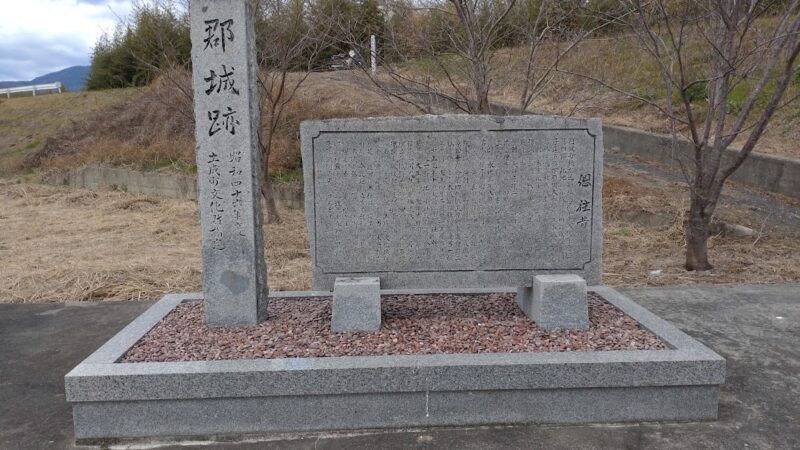
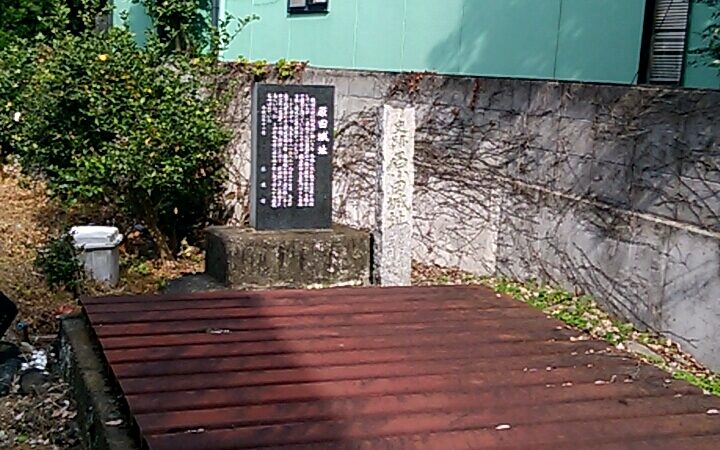
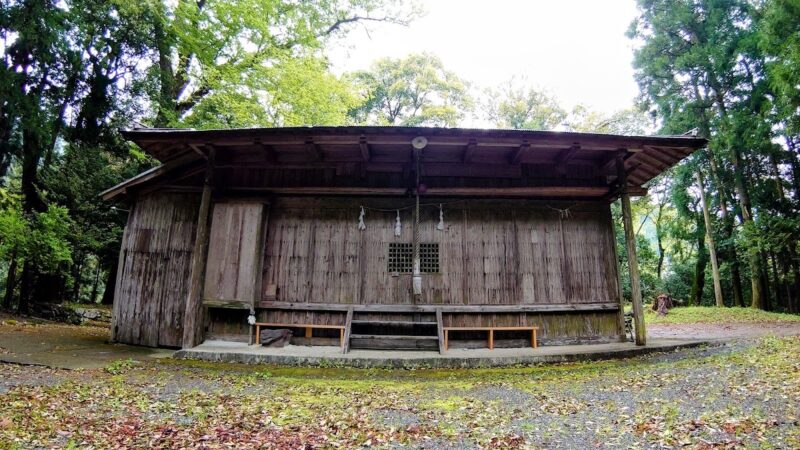
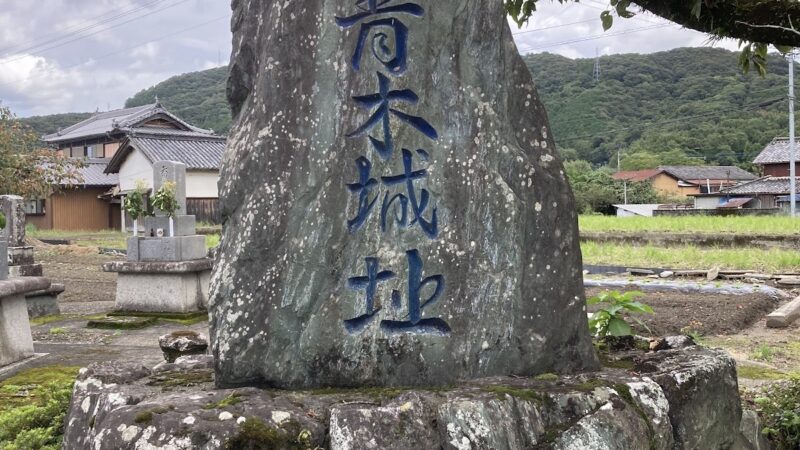
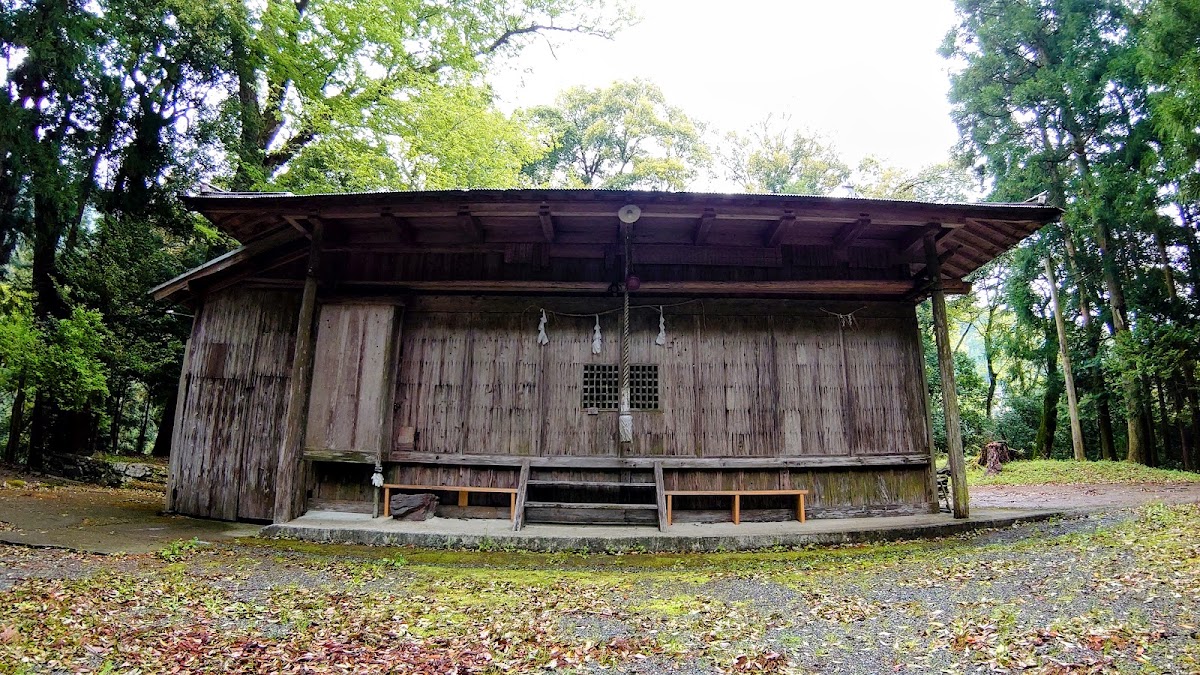
Currently, the castle ruins are within the grounds of Morito Hachiman Shrine (Shōhachiman Shrine), and visitors can observe the remains of the medieval mountain castle by visiting the shrine. Among the many medieval castles remaining in Tokushima Prefecture, its excellent state of preservation makes it a historical site of interest to history enthusiasts and castle researchers.
Mima City is located in the western part of Tokushima Prefecture, with the Yoshino River, known as “Shikoku Saburo,” flowing east to west through its approximate center. Furthermore, the Anabuki River, considered the cleanest river in Japan and originating from Mount Tsurugi (one of Japan’s 100 Famous Mountains), flows north to south through the area. Morito Castle was built in the mountainous region of the Anabuki River basin. Surrounded by pure water and lush greenery, it’s a precious place where you can feel the historical romance of the Middle Ages.
History of the Koyadaira Clan | A Mountain Castle Built by Descendants of Taira no Tomomori
Legend of the Taira Clan Refugees and the Establishment of the Koyadaira Clan
The lords of Morito Castle were the Koyadaira clan. The Koyadaira clan are said to be descendants of Taira no Tomomori, and it is believed that they were founded by members of the Taira clan who fled to this area after the fall of the Taira clan.
Taira no Tomomori was the fourth son of Taira no Kiyomori and is said to have drowned himself at the Battle of Dan-no-ura when the Taira clan was annihilated. However, similar to the legends of Taira clan refugees remaining in various regions, there is a tradition in the Koyadaira area that Tomomori’s family fled there. The place name Kiyahira itself can be interpreted as a combination of “Koya” and “Taira,” suggesting a connection to the Taira clan.
The Kiyahira Clan during the Nanboku-cho Period | Battles as a Southern Court Supporter
During the Nanboku-cho period (1336-1392), the Kiyahira clan acted as a supporter of the Southern Court. During this time, the Hosokawa clan, as the Northern Court’s shugo (provincial governor), expanded their power in Awa Province, including the area of present-day Tokushima Prefecture. Records show that the Kiyahira clan, as a Southern Court base, continued their resistance centered around Morito Castle, fiercely fighting against the Northern Court’s shugo, the Hosokawa clan.
During the turbulent Nanboku-cho period, the forces of the Southern and Northern Courts were intricately intertwined within Awa Province, with Southern Court samurai groups continuing their resistance, particularly in mountainous areas. The Kiyahira clan is believed to have played a part in this, employing siege tactics utilizing the rugged mountainous terrain.
The Kiyahira Clan After the Sengoku Period
Even after the end of the Nanboku-cho period (Northern and Southern Courts period), the Kiyahira clan continued to exist as a powerful local family. During the Sengoku period, while under the influence of the Miyoshi clan, who ruled Awa Province, and later the Chosokabe clan, who advanced from Tosa Province, it is presumed that they maintained their regional control over Kiyahira.
After Toyotomi Hideyoshi’s conquest of Shikoku, the Hachisuka clan took control of Tokushima, but small lords in mountainous areas like Kiyahira were gradually incorporated into the Edo period’s governing system. The exact time when Morito Castle was abandoned is unclear, but it is believed that by the early Edo period, it had already lost its military function, and the Morito Hachiman Shrine was developed as a place of worship.
Morito Castle’s Layout and Remains | Deciphering the Structure of a Mountain Castle
Location and Utilization of Topography
Morito Castle was built on a gentle slope of a ridge extending south from Mt. Shōzen, which is 1,229 meters above sea level. Utilizing a plateau-like terrain jutting out towards the Anabuki River, the castle is a natural stronghold surrounded on three sides by steep valleys.
This location is typical of medieval mountain castles, offering defensive advantages that made enemy incursions difficult. Furthermore, its excellent view overlooking the Anabuki River basin suggests it also functioned as a base for monitoring roads and controlling the territory.
Arrangement of Enclosures
The layout of Morito Castle is based on a linear structure with multiple enclosures (flat areas) arranged along the ridge. The main enclosure (honmaru) is located at the highest point, and the second and third enclosures are arranged in a stepped fashion along the ridge from there.
Currently, the site is the grounds of Morito Hachiman Shrine, and the flat areas used for the shrine buildings and grounds are thought to be the remains of the former enclosures. By observing the changes in elevation and flat areas while climbing the shrine’s approach, one can imagine the original layout of the enclosures.
Defensive Structures such as Moats and Earthworks
Important defensive structures for medieval mountain castles include moats (dry moats cutting across ridges) and earthworks (retaining walls made of piled-up earth). At Morito Castle, traces of moats can be found at key points on the ridge, indicating measures taken to prevent enemy intrusion.
Regarding the earthworks, while some parts are unclear due to years of weathering and shrine maintenance, there are reports of partially remaining earthwork-like elevations along the edges of the baileys. These remains indicate that Morito Castle was not merely a lookout post, but a full-fledged mountain castle equipped with defensive structures designed for actual combat.
Preservation Status and Current Condition
The Morito Castle site is currently preserved as a sacred space within the grounds of Morito Hachiman Shrine, thus escaping development and destruction, and maintaining a relatively good state of preservation. The shrine manages the site, including mowing the grass, making it easy to observe the remains.
However, since detailed archaeological excavations have not been conducted, many aspects of the castle’s structure and the remains buried underground remain unclear. Further academic research may reveal more historical facts.
Morito Hachiman Shrine (Sho Hachiman Shrine) | A Shrine Located on the Castle Site
History and Origin of the Shrine
Morito Hachiman Shrine is a shrine located on the site of Morito Castle, also known as Sho Hachiman Shrine. It is a shrine dedicated to Hachiman, and has long been revered as the local guardian deity.
Hachiman is a god of war, and therefore has strong ties to samurai families. It is highly likely that the shrine was revered as a place to pray for military success from the time when the Kiyahira clan used Morito Castle as their residence, and is thought to have played a role as a guardian deity of the castle.
Grounds and Highlights
The grounds of Morito Hachiman Shrine are developed around the site of the main enclosure of Morito Castle. As you ascend the approach to the shrine, you are first greeted by a torii gate, beyond which a stone staircase continues. Climbing these steps allows you to experience the changes in terrain and elevation of the castle grounds.
The shrine building, though simple, possesses a solemn atmosphere, surrounded by trees such as cedar and cypress. From the grounds, you can see the Anabuki River gorge and the mountains on the opposite bank, allowing you to imagine how the former castle lords surveyed their territory from this spot.
Festivals and Community Connections
At Morito Hachiman Shrine, festivals are held throughout the year by local residents. In particular, the autumn grand festival brings together local people for traditional Shinto rituals.
These festivals are not merely religious events; they also play a role in strengthening community bonds. Furthermore, they function as a place to pass on the history of Morito Castle and the traditions of the Kiyahira clan to future generations, making them an important base for preserving the region’s history and culture.
History and Culture of the Kiyahira Area, Mima City
Geography and Natural Environment of Kiyahira
The Kiyahira area is a mountainous region located in the southern part of Mima City, spreading across the northern foothills of Mt. Tsurugi. On March 1, 2005, the former Kiyahira Village merged with Anabuki Town, Waki Town, and Mima Town to form Mima City.
It is a mountainous area with high elevations, where snowfall is seen in winter, and forestry has flourished there since ancient times. Located in the headwaters of the Anabuki River, it is characterized by a natural environment blessed with clear streams and abundant forests. It is also known as one of the trailheads to Mt. Tsurugi, and is a region visited by hikers and nature lovers.
Legends of the Heike Fugitives and Folk Culture
In addition to the legends of the Heike fugitives related to the Kiyahira clan of Mori-enjo, many other traditions related to the Heike remain in the Kiyahira area. Place names, shrine histories, and folk customs all show connections to the Taira clan, and the legend that this region was a hidden village for Taira refugees remains strong.
In terms of folk culture, traditional events and customs unique to mountainous areas have been preserved, forming a unique cultural sphere distinct from urban areas. Mountain god worship related to forestry and the tradition of slash-and-burn agriculture were also once seen.
Main Historical Sites and Tourist Resources of Kiyahira
Besides the Morito Castle Ruins, the Kiyahira area has other historical sights. Along the hiking trail to Mt. Tsurugi, old stone Buddha statues and shrines are scattered, showing traces of Shugendo (mountain asceticism). Furthermore, the Kiyahira settlement retains old houses and stone walls, preserving the traditional landscape of a mountain village.
Tourism that takes advantage of the natural environment is also thriving, and the area serves as a base for river activities and stream fishing in the Anabuki River, as well as for climbing Mt. Tsurugi. You can enjoy the beauty of nature in every season, and many tourists visit especially during the autumn foliage season.
History and Major Tourist Attractions of Mima City
Overview and Geography of Mima City
Mima City is located in the western, northwestern region of Tokushima Prefecture. It was formed on March 1, 2005, through the merger of three towns and one village in Mima District: Anabuki Town, Waki Town, Mima Town, and Kiyahira Village. The city area is long from east to west, with the Yoshino River flowing through the north and mountainous terrain including Mt. Tsurugi in the south.
The population is approximately 28,000 (as of 2024), making it a medium-sized municipality in Tokushima Prefecture. Agriculture and forestry are the main industries, and in recent years, efforts have been made to promote tourism and encourage migration and settlement.
Waki-cho Minami-machi “Udatsu Townscape”
A representative tourist attraction in Mima City is the traditional building preservation district of Waki-cho Minami-machi, commonly known as the “Udatsu Townscape.” This merchant town flourished from the Edo period to the Meiji period as a center of indigo trading, and is lined with the mansions of wealthy merchants, each equipped with a firewall called an “udatsu.”
Designated as a National Important Preservation District for Groups of Traditional Buildings, 85 traditional buildings are preserved along a street approximately 430 meters long. The landscape, with its white-walled storehouses, lattice doors, and merchant houses with udatsu, is a valuable cultural heritage that conveys the prosperity of the Edo period.
Anabuki River and Nature Tourism
Known as “Japan’s cleanest river,” the Anabuki River is a representative natural tourism resource of Mima City. Originating from Mount Tsurugi, it is known for its crystal-clear waters and is bustling with tourists enjoying river activities and stream fishing in the summer.
The area around the “Fureai Hiroba” (Community Plaza) is particularly well-maintained, allowing families to safely enjoy river activities. The emerald-green pools and the beautiful white rock faces of the gorge captivate visitors.
Other Tourist Spots
Mima City has many other tourist spots. Mima Town, known as a temple town, is dotted with historical temples such as Anraku-ji and Gansho-ji. At the roadside station “Ai Land Udatsu,” you can purchase local specialties and indigo-dyed products.
Mima City also occupies an important position as a starting point for climbing Mt. Tsurugi, serving as an access point to the Mt. Tsurugi sightseeing lift. Many hikers and climbers visit to enjoy the changing seasons.
Access and Visiting Information for Morien Castle
Access by Car
The most convenient way to access Morien Castle Ruins (Morien Hachiman Shrine) is by private car. From the Mima Interchange on the Tokushima Expressway, head south on National Route 438 (towards the Mt. Tsurugi Super Forest Road) towards the Kiyahira area.
The journey from Mima IC takes approximately 40-50 minutes. National Route 438 is a mountain road with many curves and narrow sections, so careful driving is necessary. Especially during winter, there is a possibility of snow and ice, so we recommend checking road conditions in advance.
There is a small parking space around Morien Hachiman Shrine, but it is difficult for large vehicles to enter. You will need to use the parking lot for worshippers and walk to the shrine from there.
Access by Public Transportation
If using public transportation, the nearest station is Anabuki Station on the JR Tokushima Line, but bus services from there to the Kiyahira area are limited and infrequent, so you need to check the timetable in advance.
While the Mima City Community Bus operates on some routes, there are no buses that provide direct access to the vicinity of Morien Hachiman Shrine. Visiting using only public transportation is difficult, so we recommend considering renting a car or arranging a taxi.
Points to Note and Clothing for Visitors
Since the Morien Castle Ruins are located within the shrine grounds in a mountainous area, the following points should be noted when visiting:
Clothing: Since you will be walking on mountain paths, comfortable clothing and walking shoes (trekking shoes or athletic shoes) are essential. Even in summer, long sleeves and long pants are recommended as insect repellent.
What to bring: Bring drinking water, a towel, insect repellent spray, and rain gear. Since cell phone reception may be weak in some areas, it’s important to check a map beforehand.
Season: Spring to autumn is the best time to visit. In winter, snow and icy roads may make access difficult.
Manners: Remember that you are on shrine grounds and observe proper etiquette. To protect the ruins, please be careful not to climb on the earthworks or stone walls, or damage the remains.
Combining with surrounding sightseeing
When visiting Morito Castle Ruins, combining it with other sightseeing spots in Mima City will make your trip more fulfilling.
The “Udatsu townscape” of Wakimachi is a must-see, and visiting it along with Morito Castle Ruins will allow you to understand the history of Mima City from multiple perspectives. Furthermore, by combining activities like playing in the Anabuki River or hiking Mount Tsurugi, you can enjoy both nature and history.
The Kiyahira area also has farm restaurants and direct sales outlets where you can savor dishes made with local ingredients. Some facilities offer experiential programs such as soba noodle making, so it’s a good idea to research and make reservations in advance.
The Positioning of Medieval Mountain Castles and Morito Castle in Tokushima Prefecture
Major Medieval Mountain Castles in Tokushima Prefecture
Numerous medieval mountain castle ruins remain in Tokushima Prefecture. Awa Province was ruled by the Miyoshi clan during the Sengoku period, and many mountain castles were built to support their rule.
Representative mountain castles include Katsuzui Castle (Aizumi Town), Ichinomiya Castle (Tokushima City), and Shiroji Castle (Miyoshi City), all of which were the bases of the Miyoshi clan. Many castles were also built to resist the invasions of the Chosokabe clan, and the remains of medieval castles are scattered throughout the prefecture.
Characteristics and Historical Significance of Morito Castle
Unlike the castles of the Sengoku period, Morito Castle is a mountain castle with a long history dating back to the Nanboku-cho period. As the residence of the local powerful clan, the Kiyahira clan, it served as a base for regional control and also functioned as a military base for the Southern Court.
While not a large-scale castle, its layout, which skillfully utilizes the mountainous terrain, and its excellent state of preservation make it a valuable example in the study of medieval mountain castles. In particular, its preservation as a shrine grounds has minimized later alterations, and its relatively well-preserved appearance from the time of its construction is highly valued.
Castle Research and Future Prospects
Since detailed academic research on Morito Castle has not yet been sufficiently conducted, there is potential for new discoveries through future research. It is hoped that the true nature of the Kiyahira clan and the situation in Awa Province during the Nanboku-cho period will become clearer through the creation of layout maps, archaeological excavations, and careful examination of historical documents.
As a regional historical heritage site, it is important to pass it on to future generations while striking a balance between appropriate preservation and utilization. While utilizing it as a tourist resource, care must also be taken to avoid compromising its academic value.
Information on relocation and settlement in Mima City and regional development
Mima City’s relocation support system
Mima City is focusing on promoting relocation and settlement as a measure against population decline. As part of Tokushima Prefecture’s “Try living in Tokushima!” project, various support systems are available.
A diverse range of support menus are in place, including a relocation subsidy system, a vacant house bank system, housing acquisition support, and business startup support, creating a comprehensive support system for those wishing to relocate from urban areas. Support for families with children is particularly strong, with systems in place to reduce childcare fees and provide medical expense subsidies.
Living environment and attractions of Mima City
Mima City is a region that combines a rich natural environment with reasonable convenience. It is accessible to Tokushima City in about an hour by car and Takamatsu City in about an hour and a half, making travel to and from urban areas relatively easy.
The clear waters of the Yoshino River and Anabuki River, the mountains of Mt. Tsurugi, and the natural scenery that changes with the seasons offer a rich living environment that cannot be found in urban areas. Opportunities to engage in agriculture and forestry are also available, making it an attractive option for those who desire rural living.
Regional Development and Tourism Development
Mima City is focusing on tourism development centered around its “Udatsu Townscape.” Multifaceted initiatives are underway, including the preservation and utilization of traditional buildings, the holding of events, and the development of local specialty products.
Efforts are also being made to pass on traditional indigo dyeing techniques and to develop experiential tourism programs that utilize the region’s history and culture. Historical heritage sites like Morien Castle are expected to be further utilized as one of these tourism resources.
Summary | The History of Mima City as Told by Morien Castle
Morien Castle is the site of a medieval mountain castle remaining in Kiyahira, Mima City, Tokushima Prefecture, and was the residence of the Kiyahira clan, who are said to be descendants of Taira no Tomomori. During the Nanboku-chō period (Northern and Southern Courts period), Morito Castle served as a base for the Southern Court, fighting against the Hosokawa clan, the provincial governors of the Northern Court, and played a crucial role in the region’s history.
Currently, it is preserved as the grounds of the Morito Hachiman Shrine, allowing visitors to observe the remains of a medieval mountain castle in excellent condition. Its location on a ridge extending from Mt. Shōzen (1,229 meters above sea level), the view overlooking the Anabuki River, and the remains of baileys and moats all convey the appearance of the mountain castle in its heyday.
Mima City boasts diverse tourist resources, including its historic “udatsu” townscape and the clear waters of the Anabuki River. Visiting the Morito Castle ruins allows visitors to experience the multifaceted history of Mima City, including the legend of the Heike refugees, the turmoil of the Nanboku-chō period, and the history of local mountain clans.
With its rich natural environment and historical romance, Morito Castle is a place worth visiting not only for castle enthusiasts, but also for history buffs, hiking lovers, and anyone who wants to experience the deep history and culture of Mima City. When you visit Mima City, be sure to stop by the Morito Castle Ruins and experience the unique charm of a medieval mountain castle.