Complete Guide to Kitsuregawa Jinya Ruins (Tochigi Prefecture): The History and Highlights of a Prestigious Jinya of Ashikaga Descendants
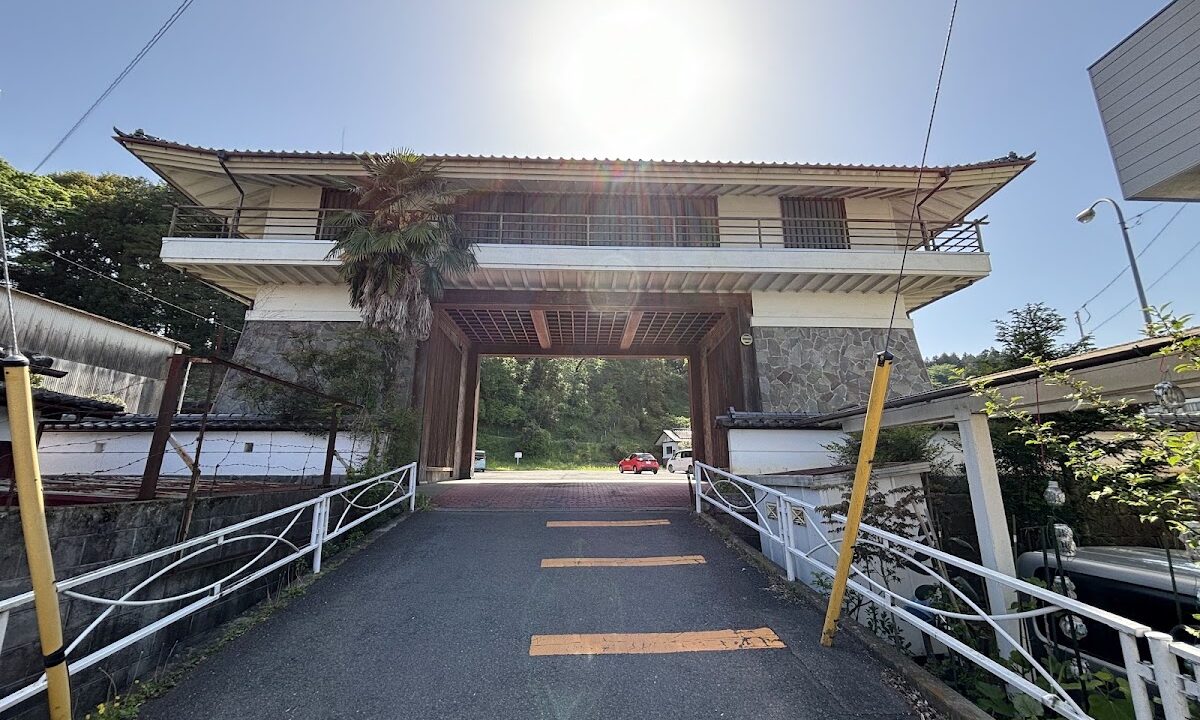
Located in Kitsuregawa, Sakura City, Tochigi Prefecture, the Kitsuregawa Jinya Ruins are the site of the administrative center of the Kitsuregawa Domain, which held a unique position throughout the Edo period. The Kitsuregawa clan, descendants of the Ashikaga shogunate, received exceptional treatment despite having a mere 5,000 koku territory, being exempted from the sankin-kotai system (alternate attendance system) and granted status equivalent to that of a daimyo (feudal lord). Currently, it houses the “Sakura City Kitsuregawa Government Building,” and its restored main gate conveys its history to the present day.
Historical Background of Kitsuregawa Jinya
The Establishment of the Kitsuregawa Clan, Inheriting the Ashikaga Name
To understand the history of Kitsuregawa Jinya, it is necessary to first understand the unique origins of the Kitsuregawa clan. After Toyotomi Hideyoshi unified Japan, Ashikaga Kunichika, the nephew of Ashikaga Yoshiaki (the last shogun of the Muromachi shogunate), married the daughter of the Ashikaga clan, the Koga Kubo (governor of Koga Province). Through Hideyoshi’s arrangement, he was granted 3,000 koku (later 5,000 koku) in Kitsuregawa, Shimotsuke Province.
However, Ashikaga Kunichika died suddenly shortly after entering Kitsuregawa Castle. His successor was Kitsuregawa Yoriuji, who was descended from the Ashikaga clan of the Koga Kubo. Yoriuji was adopted by Ashikaga Kunichika, thus integrating the bloodlines of both families and adopting the name Kitsuregawa. This unique combination of inheriting two Ashikaga bloodlines contributed to the high status of the Kitsuregawa clan later on.
Special Status in the Edo Shogunate
After the Battle of Sekigahara, Tokugawa Ieyasu respected the Kitsuregawa clan, descendants of the Ashikaga clan, and officially recognized them as the Kitsuregawa Domain. Normally, lords with less than 10,000 koku were not recognized as “han” (domains) and were treated as “hatamoto” (direct retainers of the shogun). However, the Kitsuregawa clan, despite having only 5,000 koku, was treated as the “Kitsuregawa Domain.”
Even more surprisingly, they were granted the following exceptional privileges:
- Exemption from Sankin-kōtai (alternate attendance system): They were exempt from the Sankin-kōtai, a mandatory duty for daimyo, and did not need to regularly travel to Edo.
- Treatment as a Provincial Lord: Despite having only 5,000 koku, they were granted the same status as a daimyo with 100,000 koku.
- Use of the Ashikaga Family Crest: They were permitted to use the Ashikaga family crest (the two horizontal lines).
- Use of the Imperial Palace Title: They were sometimes called the “Kitsuregawa Imperial Palace.”
These privileges were a political consideration by the Tokugawa shogunate to ensure the continuation of the Ashikaga shogunate’s name.
Construction of the Kitsuregawa Jinya
During the time of Kitsuregawa Yorishi, the original residence, Kitsuregawa Castle (also known as Kuragasaki Castle or Okuragasaki Castle), was a mountain castle on a hill. However, it was inconvenient for peacetime administration and daily life, so Yorishi built a jinya (fortified residence) at the northern foot of Kitsuregawa Castle and moved the functions of the domain’s administrative office there.
The jinya was built at the location of the current Sakura City Kitsuregawa Government Office, with Kitsuregawa Castle situated on the hill behind it, a layout that balanced defense and convenience. The jinya housed the lord’s residence, administrative offices, and vassal quarters, functioning as the political and administrative center of the Kitsuregawa domain.
Structure and Scale of the Kitsuregawa Jinya
Basic Structure of the Jinya
The Kitsuregawa Jinya had a typical Edo period jinya (fortified residence) form. While it lacked the large stone walls and keeps of a castle, the residence of the feudal lord and buildings housing administrative functions were arranged within a residential area demarcated by moats, earthworks, and gates.
The main facilities of the jinya (fortified residence) included the following:
- Otemon (Main Gate): The main gate of the jinya; the current reconstruction indicates its location.
- Goyobori (Official Moat): A moat surrounding the jinya, serving both defensive and demarcative purposes.
- Goten (Palace): The feudal lord’s residence, where administrative affairs were conducted.
- Government Offices: Various offices responsible for the administration of the domain were located here.
- Retainer Residences: Residences of senior retainers were located around the jinya.
Scale and Characteristics of the Jinya
Despite being a small domain with a 5,000 koku (unit of rice production) yield, the Kitsuregawa Jinya possessed a dignity befitting the status of the Ashikaga clan. The Ashikaga clan’s crest, the Futatsu Hikiryō-mon (two parallel lines), was used in the design of the buildings, and special care was taken in the decoration of the gates and buildings.
The site of the jinya (fortified residence) corresponds to the current Kitsuregawa City Hall and its surroundings, and is thought to have occupied a relatively large area. Behind it lay the hill where the Kitsuregawa Castle ruins are located, maintaining a system that allowed for a siege to the mountain castle in times of emergency.
Highlights of the Current Kitsuregawa Jinya Site
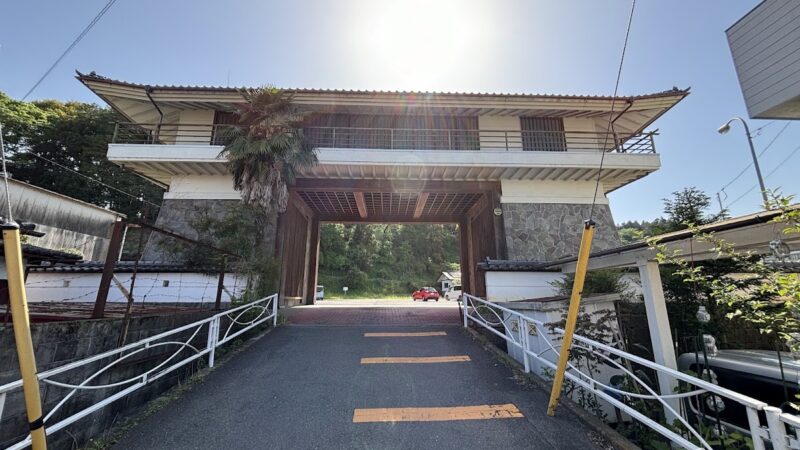
Restored Otemon Gate
The biggest highlight of the Kitsuregawa Jinya site is the restored Otemon Gate at the entrance to the Sakura City Kitsuregawa City Hall. This gate was built as a monument to indicate the existence of the jinya on this site.
The restored Otemon Gate has a magnificent structure in the style of a turret gate, and at first glance, it boasts an imposing appearance more like a castle gate than a jinya gate. However, this is not a restoration based on strict historical research, but rather should be understood as a symbolic structure to convey the history of the Kitsuregawa Jinya to future generations.
Standing before the Otemon Gate, one can truly feel that this was once a prestigious jinya of the descendants of the Ashikaga clan. The area around the gate has been maintained, creating a space where visitors can reflect on history. ### Sakura City Kitsuregawa Government Building (Former Jinya Site)
Currently, the former site of the Kitsuregawa Jinya (fortified residence) is occupied by the Sakura City Kitsuregawa Government Building (formerly the Kitsuregawa Town Hall). The building’s grounds and parking lot correspond to the former Jinya site, and unfortunately, very few remains from the Jinya era are left.
However, standing here and observing the surrounding terrain and the hills behind, one can imagine the location and layout of the Jinya at that time. While the government building itself is modern, considering that this area was the political center of the Kitsuregawa Domain throughout the Edo period, one can feel the weight of history.
Relocated and Existing Castle Gate
As a valuable relic of the Kitsuregawa Jinya, a castle gate has been relocated and is still standing at a private residence in the city. This gate retains the Ashikaga clan’s family crest, the Futatsu Hikiryō crest, and some of the original decorations, making it a valuable historical document that reveals the actual architectural style of the Kitsuregawa Jinya.
However, since it has been relocated to a private residence, consideration is required when visiting. It’s important to respect privacy and only view the exterior from a distance.
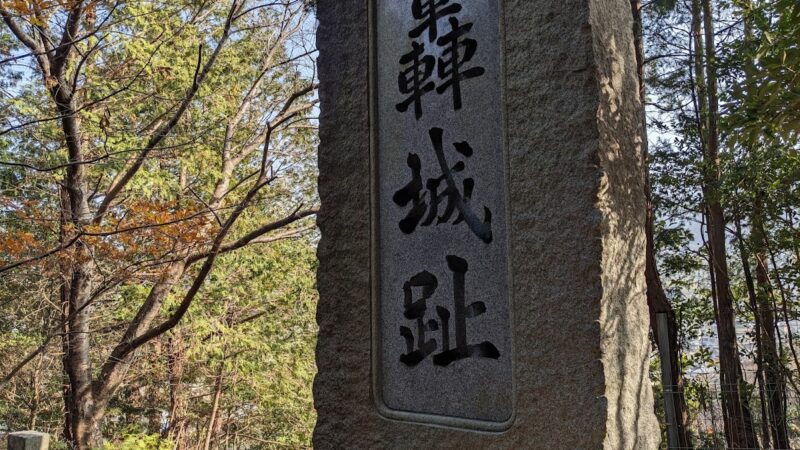
Omaruyama Park (Kitsuregawa Castle Ruins)
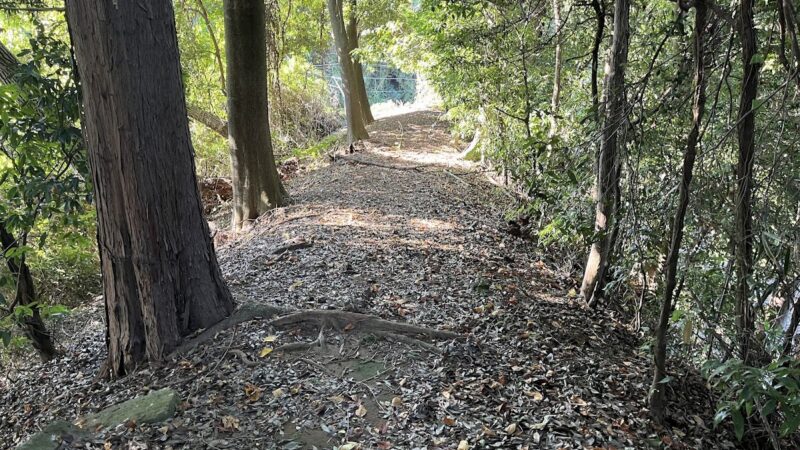
Behind the Kitsuregawa Jinya (fortified residence) ruins, on the western hillside, lies the Kitsuregawa Castle ruins, now developed as “Omaruyama Park.” It’s just a few minutes’ walk from the Jinya ruins, and you can climb the hill, which is approximately 50 meters high.
Kitsuregawa Castle was a mountain castle used from the Kamakura period to the Sengoku period, and is believed to have been built by the Shioya clan, a branch of the Utsunomiya clan. Remains such as baileys and moats remain, making it a fascinating historical site for castle enthusiasts.
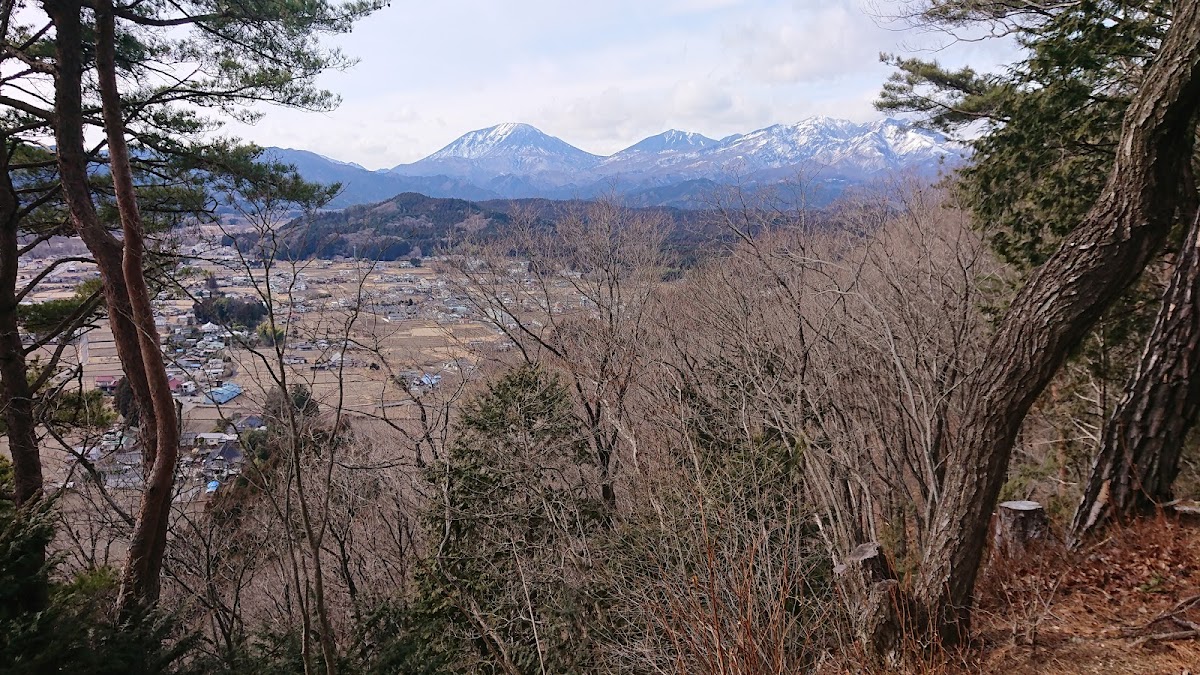
From the park, you can enjoy a panoramic view of Kitsuregawa town and confirm the location of the Jinya ruins. To understand the relationship between the Jinya and the mountain castle, we highly recommend visiting Omaruyama Park.
Ryukoji Temple and the Mausoleum of the Kitsuregawa Ashikaga Clan
Located a few minutes’ walk from the Kitsuregawa Jinya (fortified residence) ruins, Ryukoji Temple is the family temple of the Kitsuregawa Ashikaga clan. Within its grounds are the mausoleums of successive generations of the Kitsuregawa Ashikaga clan, and a magnificent entrance gate stands proudly.
The tombstones of the successive feudal lords are neatly arranged, demonstrating the high status of the Ashikaga clan. Visiting the mausoleums allows for a deeper understanding of the Kitsuregawa clan’s history. Ryukoji Temple is a quiet and peaceful temple, an important spot where one can feel the history of Kitsuregawa.
Kitsuregawa Shrine
Kitsuregawa Shrine is also located near the Jinya ruins. Founded in 1563, this shrine enshrines Susanoo-no-Mikoto, Kushinadahime, and Washinadahime-no-Mikoto.
It is known for its “Abare Mikoshi” (wild portable shrine) during the summer Tenno Festival, and local traditions continue to be passed down. Kitsuregawa is a place well worth visiting to experience its history and culture.
Kitsuregawa’s Townscape and Historical Environment
A Post Town on the Oshu Kaido Road
Kitsuregawa flourished as a post town on the Oshu Kaido road during the Edo period. The combination of its status as a jinya town (fortified residence) of the Ashikaga clan and its function as a post town on the highway created a unique townscape.
Daimyo (feudal lords) sometimes stayed there during their sankin-kotai (alternate attendance) journeys, and facilities as a post town were well-developed. Even today, areas retain the atmosphere of the old townscape, allowing visitors to enjoy historical walks.
Kitsuregawa Onsen (Hot Springs)
The current Kitsuregawa district of Sakura City is also known for Kitsuregawa Onsen. It’s possible to combine historical exploration with hot springs, allowing visitors to enjoy a relaxing soak in the hot springs after visiting the jinya ruins and castle ruins.
Day-trip bathing facilities are also available in the hot spring area, making it easily accessible. The charm of Kitsuregawa lies in its combination of history and hot springs.
Access Information
Location
Kitsuregawa Jinya Ruins (Sakura City Kitsuregawa Government Building)
4420-1 Kitsuregawa, Sakura City, Tochigi Prefecture
Access by Public Transportation
- From JR Utsunomiya Line “Ujiie Station”: Approximately 15 minutes by taxi or by bus
- Route Bus: Take a bus bound for Kitsuregawa from Ujiie Station, get off at “Kitsuregawa” and walk a few minutes.
Access by Car
- From Tohoku Expressway “Yaita IC”: Approximately 20 minutes
- From Tohoku Expressway “Utsunomiya IC”: Approximately 30 minutes
- Parking: Parking is available at the Sakura City Kitsuregawa Government Building (Please be considerate when visiting as it is a public facility).
Notes for Visitors
The Kitsuregawa Jinya Ruins are currently used as the city hall building, so only the exterior can be viewed. While you can freely explore the area around the restored Otemon Gate, please be considerate of operations when entering the building’s interior.
There are no specific restrictions on visiting hours, but it is recommended to avoid early morning and late-night visits and instead visit during reasonable hours.
Nearby Attractions
Omaruyama Park (Kitsuregawa Castle Ruins)
As mentioned above, the Kitsuregawa Castle Ruins, located behind the Jinya (fortified residence) ruins, are a must-see. You can understand the relationship between the mountain castle ruins and the Jinya while viewing them.
Ryukoji Temple (Kitsuregawa Ashikaga Clan’s Family Temple)
This temple houses the tombs of successive generations of the Kitsuregawa Ashikaga clan, allowing you to gain a deep understanding of the Kitsuregawa clan’s history. It’s a place where you can reflect on history in a quiet environment.
Kitsuregawa’s Old Townscape
Kitsuregawa, which flourished as a post town on the Oshu Kaido road, still retains some of its old townscape. You can feel the atmosphere of the Edo period by tracing historical buildings and streets.
Ujiie District
The Ujiie district, another central area of Sakura City, also boasts historical attractions. Located approximately 8 kilometers from Kitsuregawa, it’s possible to visit both together.
Significance of Visiting the Kitsuregawa Jinya Ruins
A Jinya with a Unique History
The Kitsuregawa Jinya Ruins are a place with an extremely unique history among Japanese jinya (fortified residences). Despite having a mere 5,000 koku (a unit of rice production), the Kitsuregawa clan, descendants of the Ashikaga clan, received treatment equivalent to that of a daimyo (feudal lord). Their administrative center, the jinya, symbolizes the unique nature of the Edo shogunate’s political system.
Although very few remains exist, standing on this site allows one to appreciate how highly the Tokugawa shogunate valued the Ashikaga clan’s legacy and the importance of “family status” in Japanese samurai society.
History Living in the Modern Age
The fact that the jinya ruins are still used as the city hall building today is proof that history lives on in the modern age. Examples of Edo-period political centers continuing to function as modern administrative centers can be found throughout Japan, and Kitsuregawa is one such example.
The restored Otemon Gate is a testament to the local people’s respect for their history and a manifestation of their commitment to passing on that history to future generations.
Points for Historical Exploration
When visiting the Kitsuregawa Jinya Ruins, keeping the following points in mind will lead to a deeper understanding:
- Prepare for the history of the Ashikaga clan: Understanding the lineage from the Muromachi Shogunate to the Koga Kubo and then to the Kitsuregawa clan will allow for a deeper understanding of the historical significance of the Jinya.
- Visit surrounding facilities together: Since there are few remains at the Jinya Ruins alone, visiting them together with Omaruyama Park (Kitsuregawa Castle Ruins), Ryukoji Temple, Kitsuregawa Shrine, etc., will allow for a more comprehensive understanding of Kitsuregawa’s history.
- Observe the topography: By observing the topography, such as the relationship between the Jinya and the mountain castle behind it, and its relationship to the surrounding townscape, you can imagine what it was like at the time.
- Interact with local people: If possible, listening to the history and legends of Kitsuregawa from local people will allow you to experience a more living history.
Summary
Although the Kitsuregawa Jinya Ruins have few remains, they are an important historical site that occupies a unique position in Japanese history. This site, which served as the administrative center of the Kitsuregawa clan—descendants of the Ashikaga clan who enjoyed exceptional treatment—continued to function throughout the Edo period, testifying to the importance of family status in samurai society and the political considerations of the Tokugawa shogunate.
By visiting the site of the former jinya (fortified residence), now used as the Sakura City Kitsuregawa Government Building, the reconstructed main gate, and the surrounding historical sites, you can experience the history of the small but dignified Kitsuregawa domain.
When visiting Tochigi Prefecture, be sure to visit the Kitsuregawa Jinya site and reflect on the unique history of the Kitsuregawa clan, descendants of the Ashikaga. Kitsuregawa holds many attractions as a place for historical exploration that can be enjoyed along with hot springs.