Complete Guide to the History and Highlights of Kunozan Castle | A Fortress on Suruga Bay Built by Takeda Shingen
Kunozan Castle was a mountain castle that once existed in Negoya, Suruga Ward, Shizuoka City, Shizuoka Prefecture. Currently, it is the Kunozan Toshogu Shrine, a place visited by many worshippers. Built on a cliff 216 meters above sea level overlooking Suruga Bay, this castle functioned as an important military base for Suruga Province during the Sengoku period (Warring States period).
Location and Geographical Characteristics of Kunozan Castle
Kunozan Castle is located on a steep spur ridge facing Suruga Bay, on the southeastern part of Mount Udo (Nihondaira), which rises independently in the Shizuoka Plain. It boasts an excellent location overlooking Suruga Bay from its summit at an altitude of approximately 216 meters (some sources say 210 meters), and is a natural stronghold surrounded on three sides by cliffs.
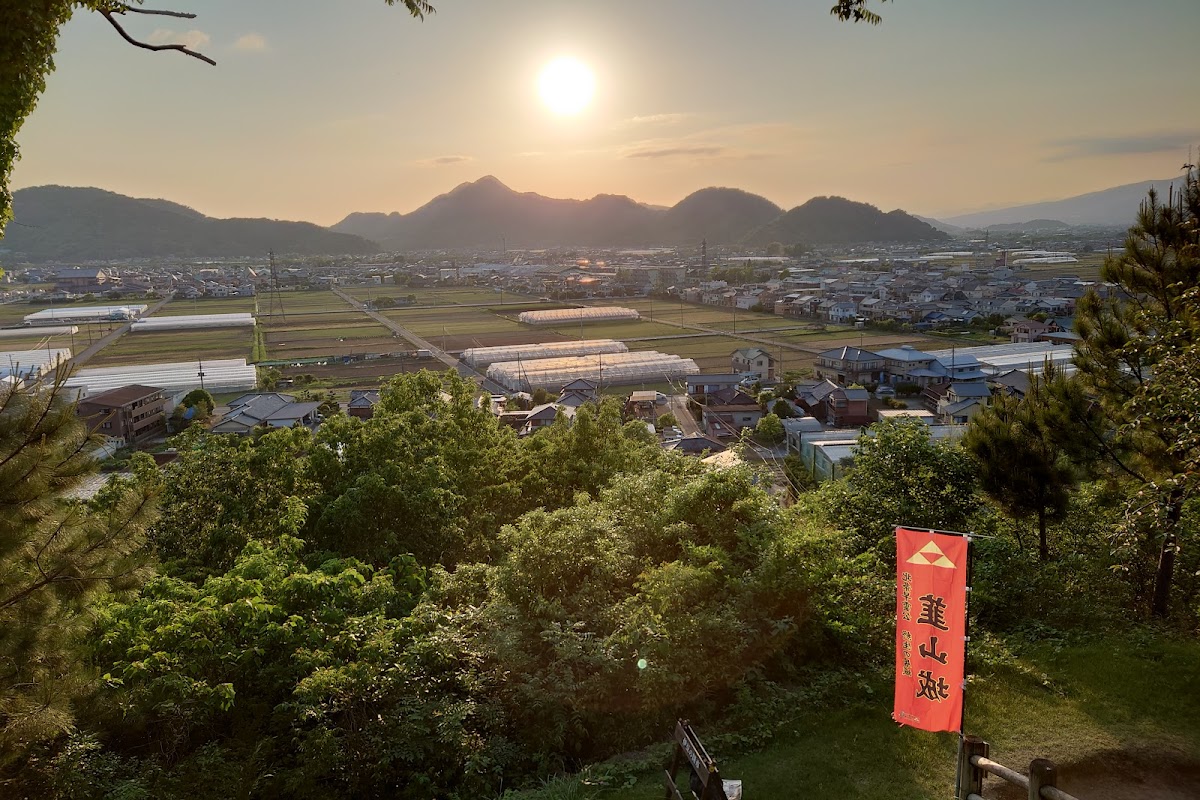
The area boasts a scenic view overlooking Suruga Bay, and on clear days, the Izu Peninsula and Mount Fuji can be seen. This geographical characteristic was the reason it was chosen as an important strategic base during the Sengoku period (Warring States period). Even today, the steepness of the terrain can be experienced from the Nihondaira Ropeway and the 1159 stone steps of the Omotesando (main approach).
History Before Kunozan Castle | The Era of Kunoji Temple
Before Kunozan Castle was built, there was an ancient temple called Kunoji Temple, believed to have been established during the reign of Empress Suiko (early 7th century). Kunoji Temple, also known as Fudarakusan Kunoji, was a historically significant temple, said to have been visited by Gyoki during the Nara period.
From the Heian period to the Sengoku period, Kunoji Temple flourished as an important Buddhist facility in Suruga Province. During the Imagawa clan’s rule, it is believed to have been under their patronage and functioned as one of the religious centers of Suruga Province. Some research suggests that Kunozan may have already been used militarily during the Imagawa period.
Construction of Kunōzan Castle by Takeda Shingen
Invasion of Suruga in 1568
In December 1568, Takeda Shingen, a powerful daimyo of Kai Province, launched an invasion of Suruga Province. Having driven Imagawa Ujizane out of Sunpu, Takeda Shingen focused on the strategic value of Kunōzan to monitor maritime traffic in Suruga Bay and secure his control over Suruga Province.
Shingen relocated Kunōji Temple to Kitayabe (present-day Shimizu Ward, Shizuoka City, the site of the current Tesshūji Temple) and began large-scale construction to fortify Kunōzan. This decision was based on a clear strategy: to control the sea routes for transporting supplies and monitor the movements of the Imagawa and Hōjō clans through Suruga Bay.
Recognition as one of the “Three Great Castles of the Takeda Clan”
The Koyo Gunkan, a military treatise of the Koshu school, records that Kunōzan Castle was counted as one of the “Three Great Castles of the Takeda Clan,” alongside “Kunō in Suruga, Iwadono in Koshu, and Iwagutsu (Azuma) in Kōzuke.” This indicates that it was recognized as the most formidable castle within the territory controlled by the Takeda clan.
When constructing Kunōzan Castle, Takeda Shingen arranged multiple baileys (kuruma) in a terraced fashion from the mountaintop to the middle slopes, making maximum use of the steep terrain. He skillfully combined stone walls and earthworks to create a strong fortress that could be defended even with a small force.
Tokugawa Ieyasu and Kunōzan Castle
Tokugawa Clan’s Rule in 1582
In March 1582, following the defeat of the Takeda clan in the Kōshū campaign by the combined forces of Oda Nobunaga and Tokugawa Ieyasu, Suruga Province came under the control of Tokugawa Ieyasu. Kunōzan Castle naturally fell under Tokugawa control, and Matsudaira Katsutoshi, Ieyasu’s half-brother, was appointed as its lord.
In 1590, after Toyotomi Hideyoshi’s siege of Odawara, Ieyasu was transferred to the Kantō region. Matsushita Yoshitsuna, a retainer of Nakamura Kazushi (lord of Sunpu Castle), became the lord of Kunōzan Castle. Matsushita Yoshitsuna had served Ieyasu during his childhood, suggesting that a trustworthy person was appointed.
Ieyasu’s Feelings Towards Kunōzan
In 1607, Tokugawa Ieyasu, who had retired to Sunpu Castle as the retired shogun, is said to have remarked, “I consider Kunōzan Castle to be the main keep of Sunpu Castle.” This statement indicates that Kunōzan Castle held an extremely important position in the defense of Sunpu.
On April 17, 1616, at the age of 75, Ieyasu died at Sunpu Castle. According to his will, he was buried at Kunōzan. This is evidence of Ieyasu’s special regard for the Kunōzan area and was a decision of significant importance in Japanese history.
Construction of Kunozan Toshogu Shrine and the End of the Castle
Founding of the Toshogu Shrine in 1617
After Ieyasu’s death, the Toshogu Shrine (later Kunozan Toshogu Shrine) was constructed on Kunozan in December 1617 by order of the second shogun, Tokugawa Hidetada. This construction project was a major undertaking that staked the prestige of the Edo shogunate, mobilizing daimyo from all over the country, and was completed in a remarkably short period of just 1 year and 7 months.
With the construction of the Toshogu Shrine, Kunozan Castle was abandoned. Ieyasu’s tomb was established in the former Atago Kuruwa (enclosure), and many of the castle’s remains were transformed into the grounds of the Toshogu Shrine. However, even today, traces of the castle can be seen in various places, such as stone steps, stone walls, and the layout of the enclosures.
Architectural Value of Kunozan Toshogu Shrine
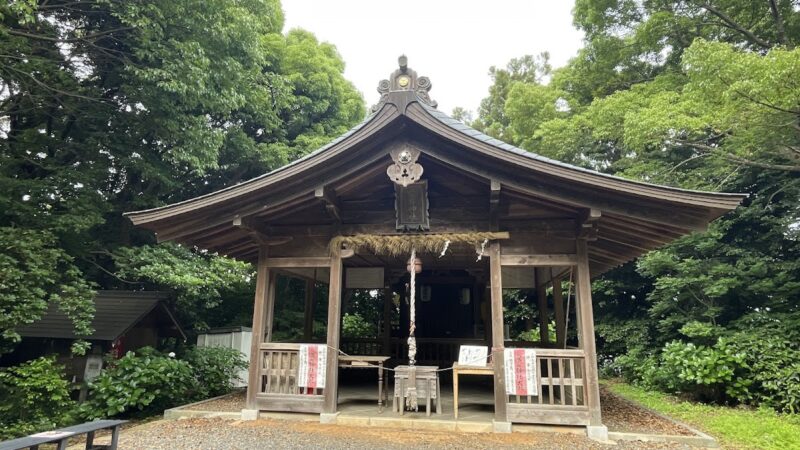
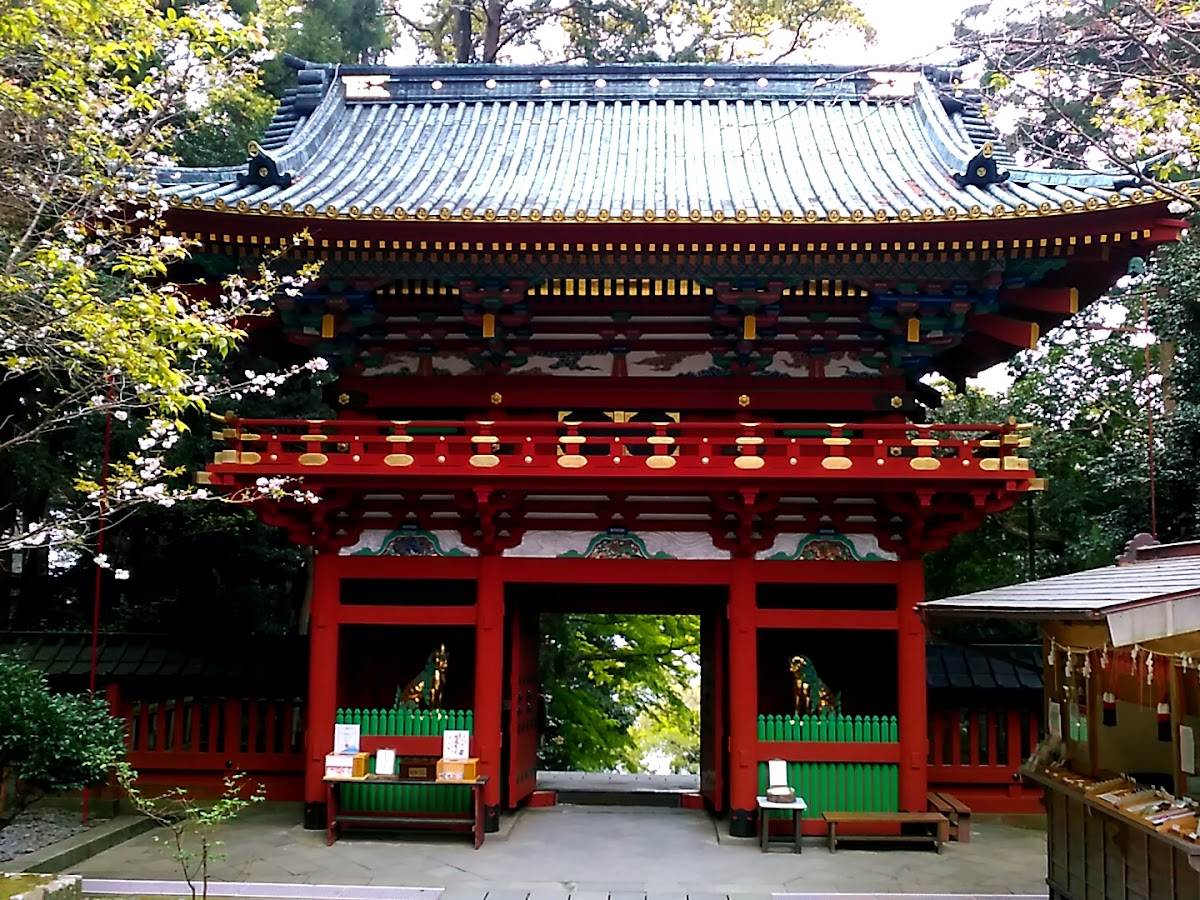
The shrine buildings of Kunozan Toshogu Shrine are designated as a National Treasure, representing the perfection of the Gongen-zukuri architectural style. The lavish and opulent decorations, featuring vividly colored carvings, lacquer work, and extensive use of gold leaf, represent the pinnacle of early Edo period architectural technology. Completed earlier than Nikko Toshogu Shrine, this shrine served as the prototype for later Toshogu shrine architecture.
Structure and Remains of Kunozan Castle
Castle Layout and Enclosure Arrangement
Kunozan Castle is a typical mountain castle with the main enclosure (Honmaru) at the summit, surrounded by terraced enclosures along the slopes. Major enclosures include the Honmaru (Atago Enclosure), the Second Enclosure, and the Third Enclosure, each demarcated by stone walls and steep slopes.
The current grounds of Kunozan Toshogu Shrine are built on the remains of the former castle, allowing us to infer the original layout from the arrangement of the shrine buildings. The stone steps of Omotesando, in particular, retain the remnants of the castle’s main approach, conveying the steep, defensive design of the time.
Existing Remains and Highlights
Although altered as Kunozan Toshogu Shrine, the following castle remains and points of interest remain:
Stone Walls and Cut Slopes: Stone walls from the Takeda and Tokugawa periods remain throughout the Toshogu Shrine grounds. The rough-hewn stone walls, in particular, are valuable remnants demonstrating the techniques of the Sengoku period.
Elevation Differences: The flat area where the shrine buildings stand is the site of former baileys. The defensive layout utilizing elevation differences can still be seen.
First Gate: The Toshogu Shrine’s gatehouse is built on a location that served as the castle’s entrance, allowing visitors to feel the remnants of castle architecture.
The Stone Steps of Omotesando: The 1159 stone steps are a remnant of the main approach to the castle. Climbing these steep steps allows you to experience the difficulty of attacking the castle.
Historical Significance of Kunozan Castle
Role as a Key to Suruga’s Control
Kunozan Castle held an extremely important position for monitoring and controlling maritime traffic in Suruga Bay. Takeda Shingen’s decision to fortify this site immediately after his invasion of Suruga was a strategic decision to secure his control over the province.
Controlling the sea routes for transporting supplies was critically important for managing a domain during the Sengoku period. From Kunozan Castle, one could overlook the entire Suruga Bay, monitor ship movements, and, if necessary, block maritime traffic.
Significance as the Final Resting Place of Tokugawa Ieyasu
Ieyasu’s choice of Kunozan as his burial place speaks to the spiritual and strategic importance of this location. Kunozan was a strategically important location protecting Sunpu, and also a sacred site offering a view of Mount Fuji.
With the establishment of Ieyasu’s mausoleum, Kunozan became one of the spiritual pillars of the Edo shogunate, a sacred place visited by successive shoguns and daimyo. While its character shifted from a military base to a mausoleum, Kunozan remained an important place throughout the Edo period.
Kunozan Castle and Surrounding Historical Sites
Relationship with Sunpu Castle
As Ieyasu himself described it as the “main keep” of Sunpu Castle, Kunozan Castle played a crucial role in Sunpu’s defense. Located approximately 10 kilometers southeast of Sunpu Castle, it functioned as a frontline fortress against threats from Suruga Bay.
The road connecting Sunpu Castle and Kunozan Castle was a strategically and economically important route. Even today, historical sites reminiscent of that era are scattered along the road from Shizuoka City to Kunozan.
Relationship with Nihondaira
Nihondaira (elevation 307 meters), towering behind Kunozan, is also known as Udo-yama and held an important position as the hinterland for Kunozan Castle. Currently, the Nihondaira Ropeway connects Kunozan Toshogu Shrine and Nihondaira, and is used by many tourists.
From the summit of Nihondaira, you can enjoy a panoramic view of Suruga Bay, Mount Fuji, and the Southern Alps, truly appreciating the excellent location from which Kunozan Castle was built.
Visitor Guide | How to Visit Kunozan Castle (Kunozan Toshogu Shrine)
Opening Hours and Admission Fees
Kunozan Toshogu Shrine is open from 9:00 AM to 5:00 PM from April 1st to October 31st, and from 9:00 AM to 4:00 PM from November 1st to March 31st (last entry is 30 minutes before closing). It is open year-round.
Admission fees are 500 yen for adults and 200 yen for elementary and junior high school students. A combined ticket for the museum is also available, costing 800 yen for adults and 300 yen for elementary and junior high school students. The Kunozan Toshogu Museum displays valuable cultural artifacts, including relics of Ieyasu, armor, and swords.
Access Methods
There are mainly three routes to access Kunozan Toshogu Shrine (Kunozan Castle Ruins).
Omotesando Route (Stone Steps): This is the most historical route to the castle. From the Kunozan-shita bus stop, you climb 1159 stone steps. The climb takes about 20 minutes, but requires considerable stamina. However, these steps are the remnants of the castle’s main approach, making this the most recommended route for castle enthusiasts.
Nihondaira Ropeway: The ropeway takes about 5 minutes from the summit of Nihondaira to Kunozan Toshogu Shrine. This is recommended for those who are not confident in their physical fitness or who want to save time. You can enjoy a spectacular view of Suruga Bay from the ropeway. Round trip 1250 yen, one way 600 yen.
Back Approach Route: This route involves climbing a relatively gentle slope from the parking lot at the foot of Kunozan. It’s easier than the main approach route, but still requires a certain level of physical fitness.
Access by Car: Approximately 30 minutes from the Shizuoka IC or Shimizu IC on the Tomei Expressway. There is a paid parking lot at the foot of Kunozan (500 yen for regular cars). There is also a parking lot at Nihondaira, from which you can use the ropeway.
Public Transportation: Approximately 40 minutes by Shizutetsu Justline bus bound for “Kunozan-shita” from JR Shizuoka Station; get off at the last stop. Alternatively, you can take a bus from Shizuoka Station to Nihondaira and then use the ropeway.
Points to Note and Estimated Time Required
If you want to thoroughly explore the grounds of Kunozan Toshogu Shrine, allow 1.5 to 2 hours. If you also plan to visit the museum, add another 30 minutes to 1 hour.
When viewing the castle ruins, pay attention to the following points:
- Experience the steep defensive design as you climb the stone steps.
- Observe the elevation changes and layout of each enclosure.
- Observe the differences in stone wall construction methods (rough-stone masonry, fitted stone masonry, etc.).
- Imagine the relationship between the shrine’s layout and the former enclosures.
- Overlook Suruga Bay from the shrine grounds and appreciate its strategic location for maritime surveillance.
Nearby Tourist Attractions
Around Kunozan Toshogu Shrine, there are numerous tourist farms where you can pick strawberries, especially famous for “stone wall strawberries” from winter to spring. There are also many restaurants along Suruga Bay where you can enjoy fresh seafood.
At the summit of Nihondaira, there is an observation facility called Nihondaira Yume Terrace, offering a 360-degree panoramic view. It’s the perfect place to get a bird’s-eye view of Kunozan Castle’s location.
Kunozan Castle Stamp and Related Goods
Kunozan Toshogu Shrine distributes Kunozan Castle stamps. This design commemorates the castle’s history during the Takeda clan era and is popular among castle enthusiasts and castle stamp collectors.
The castle stamp can be purchased at the shrine office for 300 yen. Why not get one as a memento of your visit or as proof of your castle tour?
Summary | The Charm of Kunozan Castle
Kunozan Castle, one of the “Three Famous Castles of the Takeda Clan” built by Takeda Shingen, played a crucial role in Suruga Province during the Sengoku period. Its excellent location overlooking Suruga Bay gave it strategic value in monitoring maritime traffic, and it was such a vital point that Tokugawa Ieyasu even described it as the “main keep of Sunpu Castle.”
Currently, Kunozan Toshogu Shrine, the site of Ieyasu’s death and a national treasure, attracts many visitors, but its foundation lies in the history of a sturdy mountain castle from the Sengoku period. Climbing the 1159 stone steps, observing the layout of the castle grounds, and enjoying the panoramic view overlooking Suruga Bay, you can relive the scenery seen by figures like Takeda Shingen and Tokugawa Ieyasu.
When visiting Shizuoka Prefecture, be sure to visit the ruins of Kunozan Castle (Kunozan Toshogu Shrine) and experience the layered history of Japan, spanning from the Sengoku period to the Edo period. A unique historical site awaits you, where the remains of a castle and the solemnity of a mausoleum are seamlessly blended.