A Complete Guide to the History and Highlights of Sunpu Castle | The Beloved Residence of the Shogun Tokugawa Ieyasu
What is Sunpu Castle?: Overview and Historical Significance
Sunpu Castle (Sunpu-jo) is a representative flatland castle of Japan, located in Aoi-ku, Shizuoka City, Shizuoka Prefecture. It is also known as Fuchu Castle (Fuchu-jo), Suruga Fuchu Castle (Suruga Fuchu-jo), and Shizuoka Castle (Shizuoka-jo).
The name “Sunpu” is an abbreviation of “Suruga Fuchu,” an old term meaning the provincial capital of Suruga Province (present-day central Shizuoka Prefecture). This area, adjacent to the Tokaido road, has long been considered a strategically important location for protecting the eastern provinces.
The most distinctive feature of Sunpu Castle is that it served as Tokugawa Ieyasu’s base twice during his lifetime. He resided there during the “Five Provinces Domain Era” in the Tensho period and during the “Shogun Era” in the Keicho period. In the early Edo period, it became the center of Shogunate politics (Sunpu government), influencing Japanese politics. Ieyasu passed away in the second bailey of Sunpu Castle, making it truly the site of his final moments.
Currently, the main bailey and the second bailey have been developed into Sunpu Castle Park, a place of relaxation for citizens and a tourist spot that conveys the weight of history cherished by the unifier of Japan.
History of Sunpu Castle: From the Imagawa Clan to Tokugawa Ieyasu and the Edo Period
The Imagawa Clan Era: Beginning with Sunpu-kan
The predecessor of Sunpu Castle is said to be Sunpu-kan, the residence of the Imagawa clan, the shugo (military governor) of Suruga Province. During the time of Imagawa Yoshimoto, this area flourished as the Imagawa clan’s base. However, there are various theories regarding the exact location of the residence, and research continues.
In 1568 (Eiroku 11), Sunpu-kan was burned down in an attack by Takeda Shingen, effectively ending the Imagawa clan. Amidst the turmoil of the Sengoku period, Sunpu temporarily came under the control of the Takeda clan.
Tensho Period: Ieyasu’s Era of Five Provinces (First Castle Construction)
In 1582, after the fall of the Takeda clan, Tokugawa Ieyasu gained control of Suruga Province. Ieyasu renovated the castle in 1585 and moved from Hamamatsu Castle to Sunpu Castle the following year. During this period, Ieyasu, as a daimyo controlling five provinces—Suruga, Totomi, Mikawa, Kai, and Shinano—expanded his power from Sunpu Castle.
However, in 1590, Ieyasu was transferred to the Kanto region by order of Toyotomi Hideyoshi, and Nakamura Kazushi became the lord of Sunpu Castle. Later, after Naito Nobunari, Naito Nobunari again became the lord of the castle after the Battle of Sekigahara in 1600.
Keicho Period: Sunpu Castle During the Retired Shogun Era (Second Construction)
In 1603 (Keicho 8), Tokugawa Ieyasu became Shogun, but just two years later, in 1605 (Keicho 10), he relinquished the shogunate to his third son, Hidetada, and retired to Sunpu Castle as the retired Shogun.
This “retirement” was merely nominal; in reality, Ieyasu exerted political influence over Japan from Sunpu Castle, establishing a system known as “Retired Shogun Politics.” From 1607 (Keicho 12), a large-scale reconstruction of Sunpu Castle began through a nationwide construction project, mobilizing daimyo (feudal lords) from across the country.
The Sunpu Castle built during this period boasted one of the largest scales in castle history. In particular, the castle tower base was approximately 68 meters square, one of the largest in Japan, and the tower built upon it is believed to have surpassed even the Edo Castle tower in grandeur.
On April 17, 1616 (Genna 2), Ieyasu passed away at the age of 75 in the second bailey of Sunpu Castle.
Edo Period: The Era of Sunpu Castle Warden and Sunpu Guards
After Ieyasu’s death, Sunpu Castle became a direct territory of the Tokugawa shogunate, and the Sunpu Domain was established. The castle lord was appointed from the shogun’s family or a senior retainer, and the Sunpu Castle Warden was responsible for managing the castle.
The Sunpu Castle Warden was an important position, responsible not only for the maintenance and management of the castle, but also for governing Suruga Province and monitoring the western provinces for the shogunate. Successive Sunpu Castle Wardens were powerful figures selected from among the fudai daimyo (hereditary vassals) and hatamoto (direct retainers of the shogun).
Furthermore, a system called Sunpu Guards was established. This was a position where multiple daimyo were appointed to guard Sunpu Castle on a rotating basis. This system ensured that Sunpu Castle was always under a strict security system.
In 1635, the castle keep was destroyed by fire, and it was never rebuilt. However, the castle’s importance remained unchanged, and it continued to function as a strategic point on the Tokaido road throughout the Edo period.
From the Meiji Era onward: From Castle to Park
After the Meiji Restoration, Sunpu Castle was sold to the army and used as a military facility. After World War II, it became the property of Shizuoka City, and the main keep and second bailey were developed into a park.
In 1951, a citizen survey led to the name “Sunpu Park,” and it has been used as a place of relaxation for citizens. Then, in 2012, it was renamed “Sunpu Castle Park,” and its historical value as the residence of Ieyasu during his time as Shogun has been re-evaluated.
Sunpu Castle’s Layout: Triple Moat and Ring-Shaped Structure
The layout (design and structure) of Sunpu Castle was a magnificent and noteworthy feature in the history of Japanese castles. ### Concentric Flatland Castle
Sunpu Castle is a flatland castle with a structure called a concentric layout (rinkaku-shiki). A concentric layout is a type of castle where the second and third baileys are arranged concentrically around the central main bailey (honmaru), and is known for its high defensive capabilities.
At Sunpu Castle, the second and third baileys were arranged around the main bailey, with moats and stone walls surrounding each. This triple moat is the most distinctive feature of Sunpu Castle and represented the highest level of defensive protection for its time.
Structure of the Main Bailey
The main bailey had a castle tower base, upon which a magnificent castle tower was built. Excavations have revealed that the castle tower base, measuring approximately 68 meters square, is one of the largest in Japan. This surpasses the size of the castle tower bases of Edo Castle and Osaka Castle.
In addition to the castle tower, the main bailey also contained the Honmaru Palace. The Honmaru Palace served as Ieyasu’s residence and the place where he conducted his official duties.
Ninomaru and Sannomaru
Ninomaru (second bailey) housed the palace where Ieyasu spent his later years, and where he met his end. Ninomaru was a crucial defensive line protecting the main bailey, and was equipped with numerous turrets and gates.
Sannomaru (third bailey) formed the boundary with the castle town, and was lined with samurai residences and the homes of high-ranking retainers. The perimeter of Sannomaru extended approximately 2.8 kilometers, and the total area of Sunpu Castle was a vast 100 hectares.
Stone Wall Techniques
The stone walls of Sunpu Castle were constructed using stones and techniques gathered from all over Japan as part of the nationwide construction project during the Keicho era. The stone walls employ a technique called “uchikomi-hagi,” a sophisticated method of shaping the corners of stones to minimize gaps.
The remaining stone walls still bear the markings (family crests and symbols) of various daimyo families, allowing us to know which daimyo were responsible for which section.
Structures of Sunpu Castle: Keep and Turrets
Keep: One of the Largest in Japan
The keep of Sunpu Castle was a magnificent structure built during the castle’s construction in the Keicho era. According to historical records, the keep is said to have had five stories and seven floors, or possibly seven stories, reaching a height of approximately 50 meters.
Judging from the size of the keep’s base, the Sunpu Castle keep may have been comparable in size to, or even surpassed, the keep of Edo Castle. This demonstrated the power and influence of Ieyasu, who held real power as the retired shogun.
However, the keep was destroyed by fire in 1635 and was never rebuilt. Currently, archaeological excavations of the keep’s base are underway, gradually revealing its full extent.
Turrets: Restoration of the East Gate and Tatsumi Turret
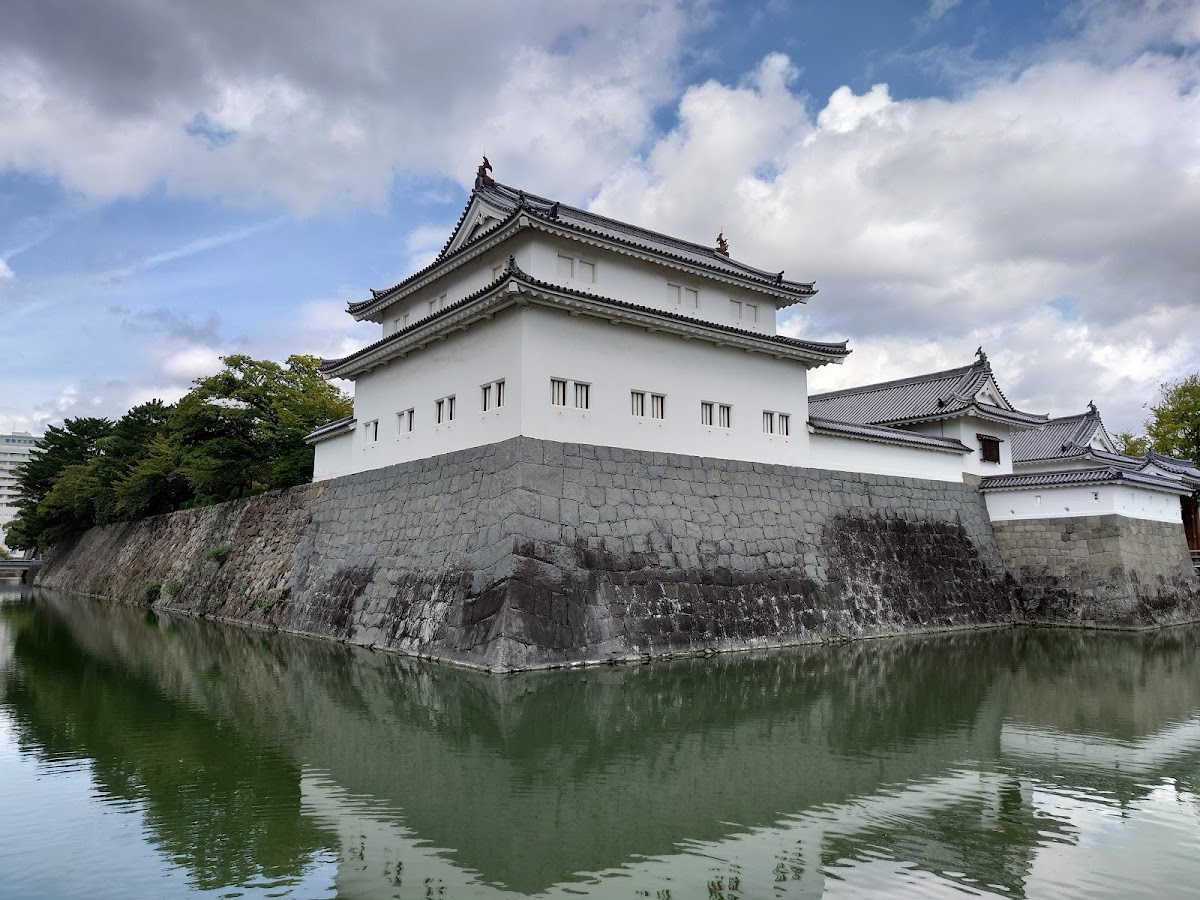
Many turrets were located at Sunpu Castle, but most were lost after the Meiji Restoration. Currently, restoration work has been underway since the Heisei era, and the Higashi-gomon (East Gate) and Tatsumi-yagura (Southeast Turret) have been restored.
The Higashi-gomon is an important gate located on the east side of the Ninomaru (second enclosure), and it is a masugata-mon (square-shaped gate) consisting of a Koraimon (Korean-style gate) and a yagura-mon (turret gate). The restored Higashi-gomon faithfully reproduces its original appearance based on Edo period drawings and the results of archaeological excavations.
The Tatsumi-yagura is a three-story turret located at the southeast corner of the Ninomaru, and together with the Higashi-gomon, it played a role in the defense of the Ninomaru. The interior is open to the public as a museum, where visitors can learn about the history of Sunpu Castle and the process of the restoration work.
Restoration of the Kon-yagura (Southwest Turret)
In 2014, the Kon-yagura (Southwest Turret) was also restored. The Kon-yagura is a two-story turret located at the southwest corner of the Ninomaru, and it was restored using traditional construction methods.
These restored structures are invaluable reminders of Sunpu Castle’s former glory.
Remains of Sunpu Castle: What Remains Today
Stone Walls
The stone walls are the best-preserved remains of Sunpu Castle. The stone walls surrounding the main keep and second bailey were built during the Keicho era as part of a nationwide construction project, showcasing advanced stonework techniques.
Of particular note are the markings left on the stone walls. These are the markings of the daimyo families who participated in the castle’s construction, and markings of powerful daimyo such as the Kato, Kuroda, and Nabeshima families have been confirmed.
Moats
The inner and middle moats of Sunpu Castle still hold water, preserving their original appearance. The double moats surround Sunpu Castle Park, allowing visitors to appreciate the castle’s scale.
The moats reach a maximum width of approximately 60 meters, making them among the largest in Japanese castles. A stroll along the moat’s edge allows visitors to enjoy the beautiful scenery created by the stone walls and moats.
Moats ### Remains of the Former San-no-maru (Third Enclosure)
The outer moat of the San-no-maru has been filled in and is now part of the city, but some place names and road layouts still show traces of its former glory. Furthermore, archaeological excavations have confirmed the presence of the San-no-maru moat and the remains of samurai residences.
Excavation of the Castle Tower Base: The Mystery of Japan’s Largest Castle Tower Base
The excavation of the Sunpu Castle tower base, which began in earnest in 2016, has yielded a series of major discoveries that are rewriting the history of Japanese castles.
Discovery of Two Castle Tower Bases
The excavations have revealed that Sunpu Castle had two castle tower bases from different periods. One was built by Ieyasu during the Tensho period (around 1585), and the other was built during the Keicho period (after 1607) as part of a nationwide construction project.
The Keicho-period castle tower base completely covered the Tensho-period base, and its size, approximately 68 meters square, made it one of the largest in Japan. This significantly exceeds the size of the Edo Castle keep base (approximately 45 meters square).
Discovery of Gold-Leaf Tiles
During the excavation, a large number of gold-leafed tiles were unearthed. These were used on the roofs of the keep and palace, and are valuable historical artifacts that attest to the splendor of Sunpu Castle.
Gold-leaf tiles are known to have been used at Toyotomi Hideyoshi’s Osaka Castle and Fushimi Castle, but their extensive use at Sunpu Castle demonstrates Ieyasu’s power and wealth.
Public Access to the Excavation
The Sunpu Castle keep base excavation is open to the public based on the concept of “visualization.” A viewing area has been set up at the excavation site, allowing visitors to see the actual excavation work up close. Guided tours are also available, allowing visitors to learn about the latest findings of the excavation.
This initiative is rare nationwide and has received high praise from history enthusiasts and those interested in archaeology.
Sunpu Oyakuen: Ieyasu’s Medicinal Herb Cultivation
When discussing the history of Sunpu Castle, one cannot forget the Sunpu Oyakuen (Sunpu Medicinal Herb Garden).
Tokugawa Ieyasu had a strong interest in health and longevity, and devoted himself to the research and cultivation of medicinal herbs. An Oyakuen was established within Sunpu Castle, where medicinal herbs gathered from all over Japan were cultivated.
Ieyasu sometimes compounded medicines himself, and his knowledge is said to have been at an expert level for his time. The medicinal herbs cultivated at Sunpu Oyakuen were used not only for Ieyasu’s own health management but also for the treatment of his retainers and subjects.
Currently, a medicinal herb garden reminiscent of the past has been restored in the Momijiyama Garden within Sunpu Castle Park, where you can see medicinal herbs cultivated during the Edo period.
Highlights of Sunpu Castle Park: Modern Use
Park Development
Currently, Sunpu Castle Park is developed as a vast urban park covering approximately 17 hectares. The main keep and second enclosure form the heart of the park, complete with a lawn area and walking paths.
Approximately 500 cherry trees are planted within the park, making it a popular spot for cherry blossom viewing in spring. Wisteria trellises are also installed along the moat, allowing visitors to enjoy the beautiful wisteria blossoms in early summer.
Momijiyama Garden
Within Sunpu Castle Park is the Momijiyama Garden, a Japanese garden. This garden recreates Momijiyama, believed to have been located within the main enclosure of Sunpu Castle, and offers beautiful scenery throughout the seasons.
A tea house is also located within the garden, where tea ceremonies and cultural classes are held. Visitors can enjoy matcha tea in the tranquil garden while experiencing the atmosphere of yesteryear.
Historical and Cultural Facilities
The restored East Gate and Tatsumi Turret are open to the public as a museum, exhibiting the history of Sunpu Castle and the results of archaeological excavations. The Kon Turret is also open to the public, allowing visitors to see Edo-period architectural techniques up close.
Within the park, there are mandarin orange trees said to be descendants of those planted by Tokugawa Ieyasu, allowing visitors to feel the deep connection between Ieyasu and Sunpu.
Events and Activities
Sunpu Castle Park hosts various events throughout the year. The “Great Shogun Cherry Blossom Viewing Procession” features a procession of people dressed as Ieyasu and his retainers parading through the park, recreating the atmosphere of the Edo period.
In addition, traditional local events such as the “Sunpu Castle Summer Festival” in summer and the “Shizuoka Festival” in autumn are held, providing a place for interaction between citizens and tourists.
Regular tours of the archaeological excavation site and guided tours by volunteers are also held, allowing visitors to learn more about the history of Sunpu Castle.
Access and Tourist Information
Location
Sunpu Castle Park is located in the heart of Aoi Ward, Shizuoka City, adjacent to Shizuoka City Hall. The address is 1-1 Sunpu Castle Park, Aoi Ward, Shizuoka City, Shizuoka Prefecture.
Access
Access by Train
- Approximately 15 minutes on foot from JR Shizuoka Station
- Approximately 12 minutes on foot from Shizuoka Railway Shin-Shizuoka Station
Access by Bus
- Approximately 5 minutes by Shizutetsu Bus bound for “Prefectural Office/Shizuoka City Hall Aoi Ward Office” from JR Shizuoka Station, get off at “Prefectural Office/Shizuoka City Hall Aoi Ward Office” bus stop.
Access by Car
- Approximately 15 minutes from Tomei Expressway Shizuoka IC
- Approximately 20 minutes from Shin-Tomei Expressway Shin-Shizuoka IC
There are several paid parking lots in the surrounding area.
Opening Hours and Fees
Sunpu Castle Park
- Opening Hours: Always open (free to stroll)
- Admission Fee: Free
Higashi-Gomon Gate, Tatsumi-yagura Tower, Kon-yagura Tower
- Opening Hours: 9:00 AM – 4:30 PM (Last entry at 4:00 PM)
- Closed: Mondays (or the following day if Monday is a public holiday), New Year holidays
- Admission Fee: Adults 200 yen, Elementary and Junior High School Students 50 yen
Momijiyama Garden
- Opening Hours: 9:00 AM – 4:30 PM (Last entry at 4:00 PM)
- Closed: Mondays (or the following day if Monday is a public holiday), New Year holidays
- Admission Fee: Adults 150 yen, Elementary and Junior High School Students 50 yen
Tour of the Castle Tower Excavation Site
- Visiting Hours: Weekdays during the excavation period (check the official website for details)
- Admission Fee: Free
Visiting Points
To make the most of your visit to Sunpu Castle Park, keep the following points in mind:
- Searching for Markings on the Stone Walls: Walk along the moat and look for the markings of daimyo families left on the stone walls.
- Visiting the Restored Buildings: Explore the interiors of the East Gate, Tatsumi Turret, and Kon Turret to learn about Edo period architectural techniques.
- Excavation Site of the Castle Tower: Visit the excavation site of one of Japan’s largest castle tower bases and experience the latest archaeological discoveries.
- Relaxing in the Momijiyama Garden: Enjoy a relaxing time in the beautiful Japanese garden while savoring matcha tea.
- Volunteer Guides: Utilize the free volunteer guides to gain a deeper understanding of Sunpu Castle’s history.
Nearby Tourist Attractions
The area around Sunpu Castle Park is dotted with historical sites and tourist attractions associated with Ieyasu.
Shizuoka Sengen Shrine
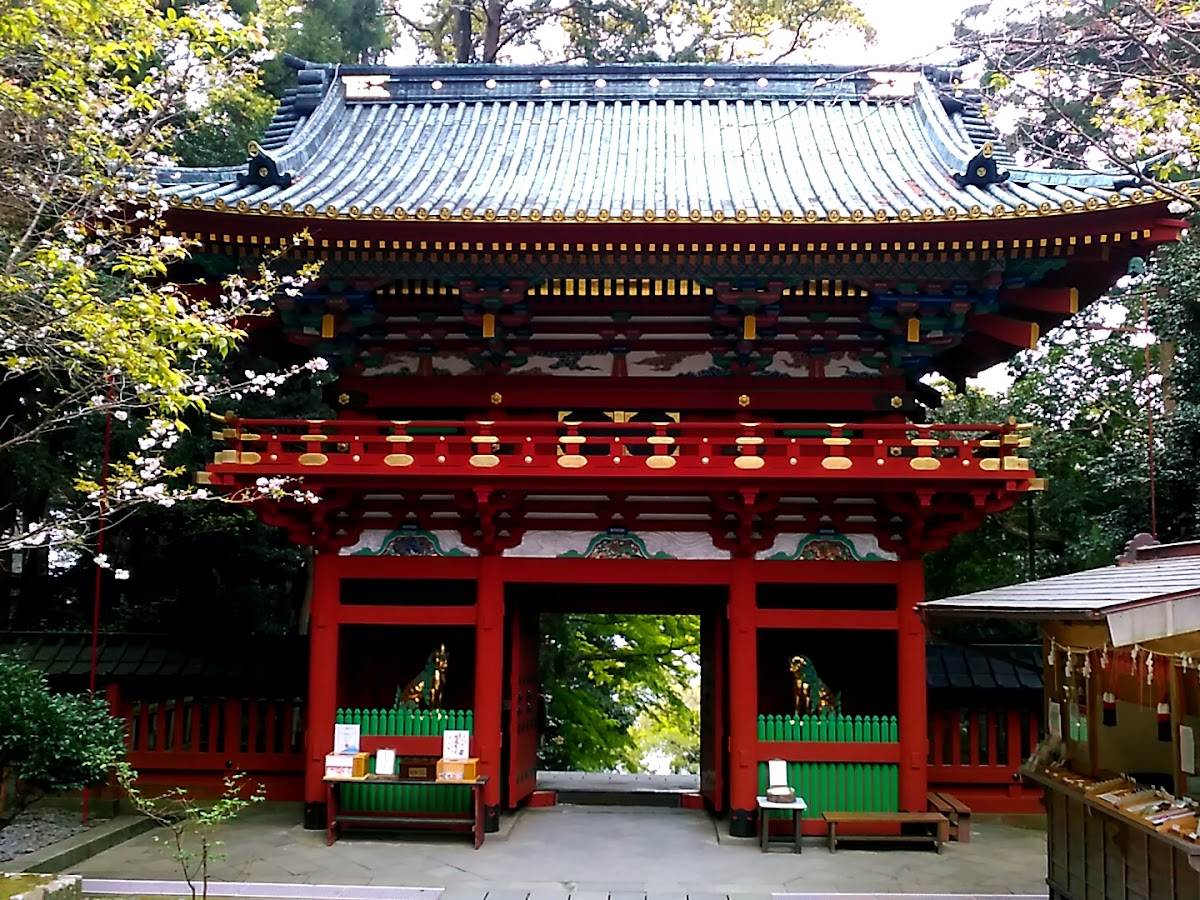
Located approximately 2 kilometers north of Sunpu Castle, Shizuoka Sengen Shrine is known as the shrine where Ieyasu held his coming-of-age ceremony. Its magnificent shrine buildings are designated as a National Important Cultural Property.
Kunozan Toshogu Shrine
Located approximately 10 kilometers southeast of Sunpu Castle, on the summit of Mount Kuno, Kunozan Toshogu Shrine is the place where Ieyasu’s remains were first buried. Its National Treasure shrine buildings preserve the architectural style of the early Edo period.
Shizuoka City Museum of Art and Shizuoka City Museum of History
Cultural facilities of Shizuoka City are concentrated around Sunpu Castle Park. These facilities feature exhibits on the history of Sunpu and Ieyasu.
Summary: The Charm of Sunpu Castle
Sunpu Castle is a historically important castle where Tokugawa Ieyasu used as his base twice during his life and where he met his end. Beginning with the Imagawa clan’s era, and undergoing two reconstructions during the Tensho and Keicho periods, Sunpu Castle’s history, managed by the Sunpu Castle Warden during the Edo period, symbolizes Japan’s transition from the Sengoku period to the Edo period.
With its magnificent layout featuring one of the largest castle tower bases in Japan, a triple moat, and stone walls built with advanced techniques, Sunpu Castle was a pinnacle of castle architecture. The ongoing excavation of the castle tower base is yielding new discoveries one after another, gradually revealing the true form of Sunpu Castle.
The current Sunpu Castle Park preserves historical remains while serving as a place of relaxation for citizens and a tourist attraction. It offers diverse ways to enjoy the reconstructed turrets and gates, beautiful Japanese gardens, and opportunities to visit the excavation sites.
Its convenient location in the heart of Shizuoka City is another attractive feature. Within walking distance of Shizuoka Station, and with numerous historical sites associated with Ieyasu scattered around, it’s an ideal base for historical exploration.
Sunpu Castle, loved and where Tokugawa Ieyasu, one of the most important figures in Japanese history, spent his final days. Experience its magnificent history and the results of ongoing archaeological excavations firsthand. The markings etched into the stone walls, the reflections of the turrets in the moat, and the massive castle tower base emerging from the ground are precious legacies that convey the history of over 400 years ago.
A visit to Sunpu Castle Park will allow you to feel the spirit of Tokugawa Ieyasu, the unifier of Japan.