Complete Guide to the History and Highlights of Tokura Castle (Okayama City) | A Thorough Explanation of Medieval Mountain Castles in Okayama Prefecture
What is Tokura Castle?
Tokura Castle is a medieval mountain castle site located in Kita Ward, Okayama City, Okayama Prefecture. Built on a hill approximately 150 meters above sea level, this castle functioned as an important base in Bizen Province from the Sengoku period to the Azuchi-Momoyama period.
Although only a portion of the remains survive today, it is attracting attention from history enthusiasts and castle fans as an important historical site for understanding Okayama’s history. Its easily accessible location from Okayama city center makes it a valuable place to experience local history firsthand.
History of Tokura Castle
Castle Construction and Early History
There are various theories regarding the construction period of Tokura Castle, but it is believed to have been built between the late Muromachi period and the early Sengoku period. Bizen Province has long been a strategically important transportation hub, and its geographical advantage facing the Seto Inland Sea made it a region where many powers vied for supremacy.
Tokura Castle is believed to have been built by a local lord as a base for regional control in Bizen Province. The castle’s location on a hill overlooking the surrounding area played a crucial role in both military defense and territorial control.
Relationship with the Ukita Clan
An essential aspect of Tokura Castle’s history is its relationship with the Ukita clan, who expanded their power in Bizen Province during the Sengoku period (Warring States period). Ukita Naoie used stratagems and military force to unify Bizen Province, and in the process, brought the area around Tokura Castle under his control.
Under the Ukita clan’s rule, Tokura Castle is thought to have functioned as a subsidiary castle, part of a castle network centered around Okayama Castle (then known as Ishiyama Castle). During the time of Ukita Hideie, the administrative system of Bizen Province under the Toyotomi regime was further refined, and Tokura Castle was incorporated into this system.
Abandonment and Present State
It is estimated that Tokura Castle was abandoned during the Keicho era, after the Battle of Sekigahara. After Ukita Hideie sided with the Western Army in the Battle of Sekigahara, suffered defeat, and was dispossessed of his domain, Bizen Province became the territory of Kobayakawa Hideaki, and subsequently the Ikeda clan.
It is believed that Tokura Castle lost its strategic importance and was abandoned during this reorganization of the administrative system accompanying the change of lords. Influenced by the Edo period’s “One Castle Per Province” decree, Tokura Castle, along with many subsidiary castles, disappeared from the stage of history.
Structure and Characteristics of Tokura Castle
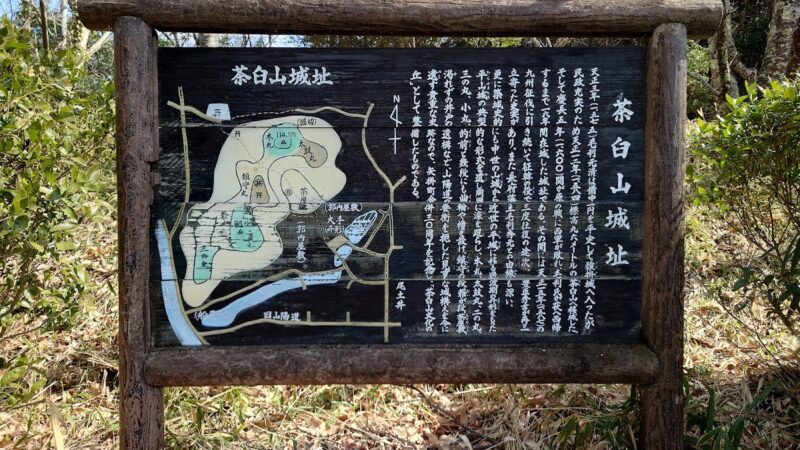
Layout and Remains
Tokura Castle has the structure of a typical medieval mountain castle. It has a linear layout with multiple baileys (kuruwa) arranged around the main bailey (honmaru).
The following are the main remains that have been confirmed:
Main Enclosure (Honmaru)
This is the central enclosure of the castle, built at the highest elevation. Even today, a flat terrain remains, and traces of buildings that once stood here can be seen.
Belt Enclosure
This is a long, narrow enclosure surrounding the main enclosure. It is thought to have enhanced defensive capabilities and was used for stationing soldiers and storing supplies.
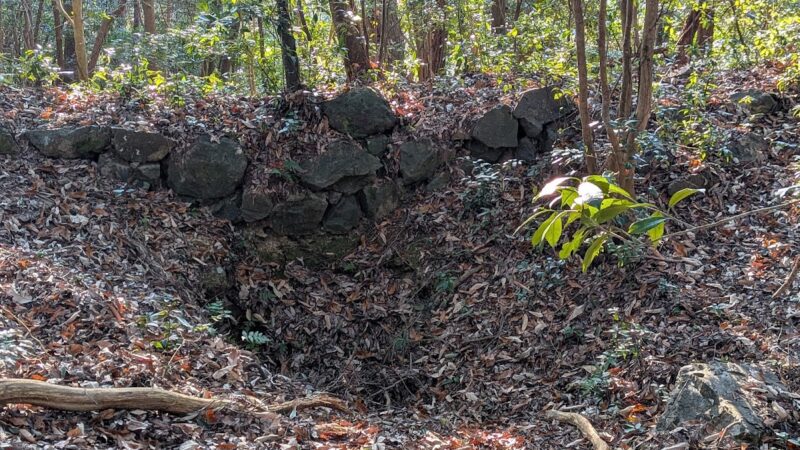
Moat
A moat dug to cut across the ridge, it is an important defensive structure to prevent enemy intrusion. Multiple moats have been confirmed at Tokura Castle, indicating the strength of the castle’s defenses.
Earthwork
This is an earthen embankment built around the enclosure. Parts of it still exist, providing clues to the castle construction techniques of the time.
Stone Walls and Buildings
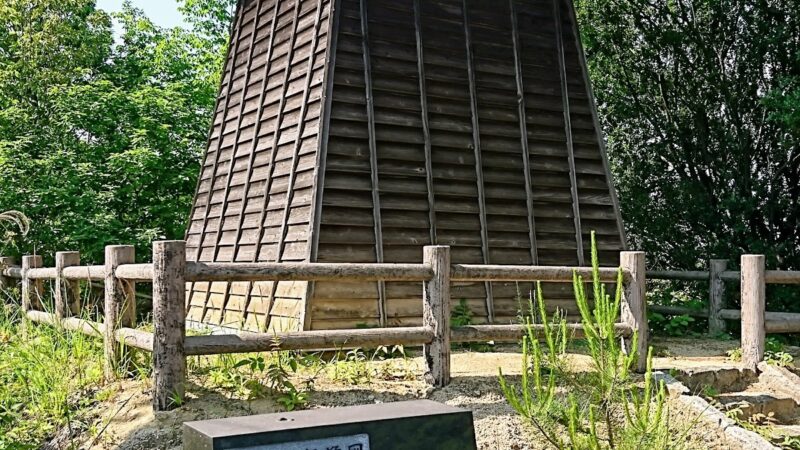
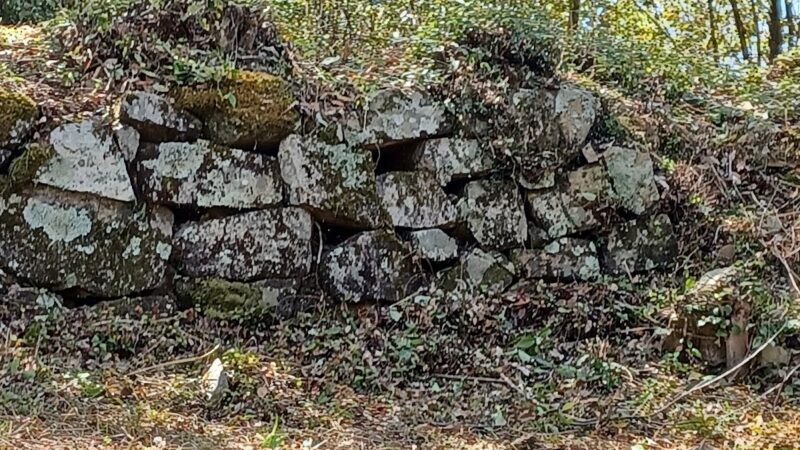
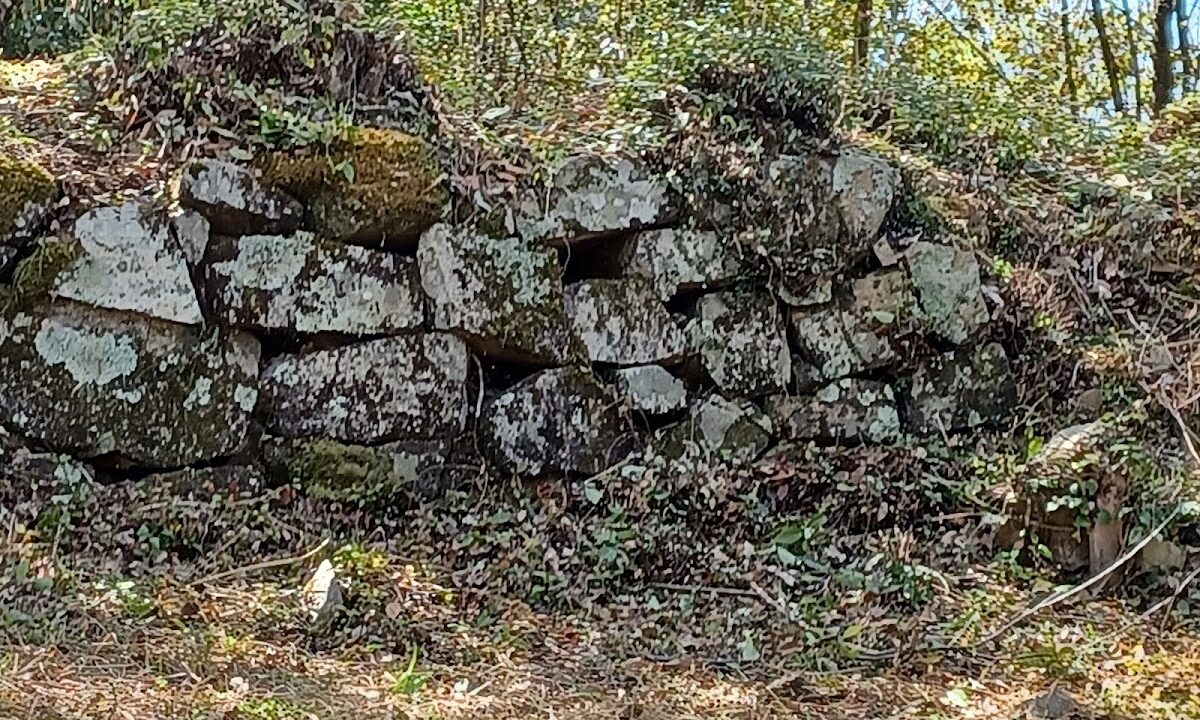
Tokura Castle is primarily an earthen fortress, and no full-fledged stone walls like those found at Okayama Castle have been confirmed. This is thought to be because the castle was built relatively early and had a strong character as a subsidiary castle. Regarding the buildings, details are unclear due to insufficient archaeological excavation, but it is presumed that a simple watchtower and residence stood in the main enclosure. Many mountain castles of the Sengoku period were more suited to defensive positions during times of conflict than to permanent residences, and Tokura Castle is thought to have been similar.
Strategic Significance of Location
The location of Tokura Castle held significant military and economic importance. From the castle, one could overlook the surrounding plains, offering the advantage of early detection of enemy movements.
Furthermore, ancient transportation routes passed nearby, suggesting that the castle also served to monitor and manage the flow of goods and information. Its moderate distance from Okayama Castle suggests that the two castles cooperated to form a regional defense system.
Highlights of Tokura Castle
Remains Visible at the Site
This section provides a detailed introduction to the main remains that can be observed when visiting the Tokura Castle ruins.
Terrain of the Enclosures
The most easily recognizable remains are the stepped terrain of the enclosures. Multiple artificially leveled areas can be observed, skillfully utilizing the natural landscape. Walking through these enclosures allows you to experience the structure of a Sengoku period castle.
The Impressive Moat
The deep moat cutting into the ridge is an important remains demonstrating the high level of defense of Tokura Castle. Seeing the moat, several meters deep, is a testament to the advanced castle-building techniques of the time.
Remaining Earthworks
Although lowered by weathering, traces of earthworks can be seen along the edges of the enclosures. It is believed that they were once built higher, forming the castle’s defensive line.
Views and Scenery
One of the major attractions of Tokura Castle ruins is the view from the main enclosure. From an elevation of approximately 150 meters, you can see the city of Okayama and the surrounding mountains.
On a clear day, you can see all the way to the Seto Inland Sea, and you can feel the romance of history as you imagine the former lords of the castle contemplating the management of their territories while gazing at this view.
You can also enjoy the changing seasons; in spring, the fresh greenery, and in autumn, the vibrant autumn leaves color the castle ruins. It’s a spot where you can enjoy both historical exploration and nature walks.
Nearby Historical Spots
When visiting Tokura Castle, we recommend also visiting the nearby historical spots.
Okayama Castle
A modern castle built by Ukita Hideie, also known as “Ujo” (Crow Castle) due to its black exterior. Comparing it to Tokura Castle helps to understand the development from medieval mountain castles to modern flatland castles.
Korakuen Garden
One of Japan’s three most famous gardens, adjacent to Okayama Castle. It’s possible to combine sightseeing of the castle and gardens.
Kibitsu Shrine and Kibitsuhiko Shrine
An important shrine that conveys the history of the ancient Kibi Province, helping to deepen your understanding of Okayama’s history.
How to Access Tokura Castle
Access by Public Transportation
Using JR
The nearest major station is JR Okayama Station. From Okayama Station, you will need to take a local bus or taxi.
If using a local bus, check the nearest bus stop to your destination in advance and walk from there. Since bus services may be limited, it is recommended to check the timetable beforehand.
If using a taxi, the distance from Okayama Station is approximately 20-30 minutes (this may vary depending on traffic conditions).
Access by Car
Using the Expressway
The nearest interchanges are Okayama IC or Okayama Kita IC on the Sanyo Expressway. From the IC, take local roads towards the castle ruins.
Parking
There may not be a dedicated parking lot at Tokura Castle ruins. It is recommended to check for available parking locations before visiting or to use nearby public parking lots. Street parking should be avoided as it inconveniences local residents.
Car Navigation Settings
The address for Tokura Castle Ruins can be confusing, so it’s best to check the exact location information (latitude and longitude, etc.) beforehand.
Points to Note When Visiting
Clothing and Equipment
Since Tokura Castle Ruins is a mountain castle, appropriate clothing and shoes for hiking are necessary. Please pay particular attention to the following points:
- Comfortable clothing (long sleeves and long pants recommended)
- Trekking shoes or athletic shoes
- Hat and sunscreen (summer)
- Warm clothing (winter)
- Drinking water
- Insect repellent (spring to autumn)
Safety Considerations
- Avoid solo activities; visiting in groups is preferable.
- Be careful as the ground can be slippery on bad weather days or after rain.
- Check cell phone signal strength.
- Plan your time to descend before sunset.
Manners and Considerations
- Do not damage the ruins.
- Always take your trash with you.
- Do not trespass on private property.
- Be considerate of the living environment of local residents.
Research and Study of Tokura Castle
History of Archaeological Excavations
Multiple surveys and field explorations have been conducted at the Tokura Castle site. The Okayama City Board of Education and local historical research groups have carried out work to create castle layout maps and confirm the remains.
However, since no large-scale archaeological excavations have been conducted, the number of unearthed artifacts is limited, and further research is needed to understand the castle’s detailed history and period of use.
Information from Historical Documents
While there are not many historical documents concerning Tokura Castle, fragmentary descriptions can be found in military chronicles describing the Sengoku period of Bizen Province and in local histories compiled during the Edo period.
By comparing these documents with the on-site remains, efforts are continuing to gradually reveal the castle’s historical picture. Local traditions and oral traditions are also important clues for historical research.
Future Preservation and Utilization
The importance of the Tokura Castle ruins as a regional historical heritage site is increasingly being recognized for their potential preservation and utilization. Future initiatives include:
Preservation Activities
- Regular mowing and maintenance of the ruins
- Reinforcement of areas at risk of collapse
- Installation of information boards and explanatory signs
Directions for Utilization
- Use as a place for learning about local history
- Development as a tourist resource
- Implementation of guided tours by experts
- Virtual restoration using digital technology
Tokura Castle and Okayama’s Castle Culture
Bizen Province Castle Network
Tokura Castle, as one of the many castles that existed in Bizen Province, functioned within the regional defense and control system. In Bizen Province, the following castles existed, centered around Okayama Castle:
- Okayama Castle (Ishiyama Castle): The central castle of Bizen Province
- Tenjin-yama Castle: The base of the Urakami clan
- Kanagawa Castle: The residence of the Matsuda clan
- Numa Castle: The early base of the Ukita clan
These castles supported the regional system of governance through mutual cooperation, and Tokura Castle also played an important role as part of this network.
Characteristics of Medieval Mountain Castles
Medieval mountain castles like Tokura Castle have characteristics that differ from early modern flatland castles and hilltop castles:
Defense-Oriented Structure
Rather than imposing structures such as stone walls and keeps, defensive functions utilizing the natural terrain were emphasized. Civil engineering defensive facilities such as moats, cliffs, and earthworks were central.
Temporary Use
Rather than being castles for permanent residence, they had a strong character as wartime refuges and defensive bases, and it is thought that in peacetime, people often lived in residences at the foot of the mountain. A Center for Regional Control
It functioned not only as a military base but also as a center for territorial management, serving as the central hub for control and administration of the surrounding region.
Okayama Castle Tourism
Okayama Prefecture is known as a treasure trove of castles, and many castle ruins remain besides Tokura Castle. For castle enthusiasts, there are several ways to enjoy it:
Creating a Castle Tour Route
You can plan an efficient route to visit castle ruins around Okayama City and enjoy visiting multiple castles over a day or several days.
Understanding the Transformation Through the Ages
By visiting actual castle ruins, you can gain a firsthand understanding of the development process from medieval mountain castles to early modern flatland castles.
Connection with Local History and Culture
By visiting not only castle ruins but also surrounding temples, shrines, historical sites, and local history museums, you can gain a comprehensive understanding of the region’s history and culture.
Summary
Tokura Castle is a valuable medieval mountain castle ruin remaining in Kita Ward, Okayama City, Okayama Prefecture. Under the rule of the Ukita clan, Tokura Castle played a vital role in the regional history of Bizen Province, forming part of the castle network during the Sengoku period.
Even today, remnants such as baileys, moats, and earthworks remain, offering insights into the castle-building techniques and defensive philosophies of the time. Easily accessible from Okayama city center, it’s a great spot for historical walks and nature observation.
Visiting Tokura Castle allows you to experience the practical, medieval mountain castle, distinct from the more ornate early modern castles. It’s a must-visit historical site for anyone interested in Okayama’s history or a castle enthusiast.
When visiting, please remember to wear appropriate equipment, prioritize safety, and approach the site with a respectful attitude towards the region’s historical heritage. We hope your experience at Tokura Castle ruins will deepen your understanding of Okayama’s history.