A Complete Guide to the History and Highlights of Sada Castle (Oita Prefecture)
Sada Castle is a medieval mountain castle located in the Sada district of Usuki City, Oita Prefecture. As an important branch castle of the Otomo clan, who ruled Bungo Province during the Sengoku period, it played a crucial role in the defense and governance of the region. This article provides a detailed explanation of Sada Castle, from its historical background to its remaining structures and access methods.
Basic Information on Sada Castle
Location: Sada district, Usuki City, Oita Prefecture
Alternate Name: Sadayama Castle
Castle Structure: Mountain Castle
Construction Period: Sengoku period (around the 16th century)
Builder: Vassals of the Otomo clan
Main Lords: Vassals of the Otomo clan
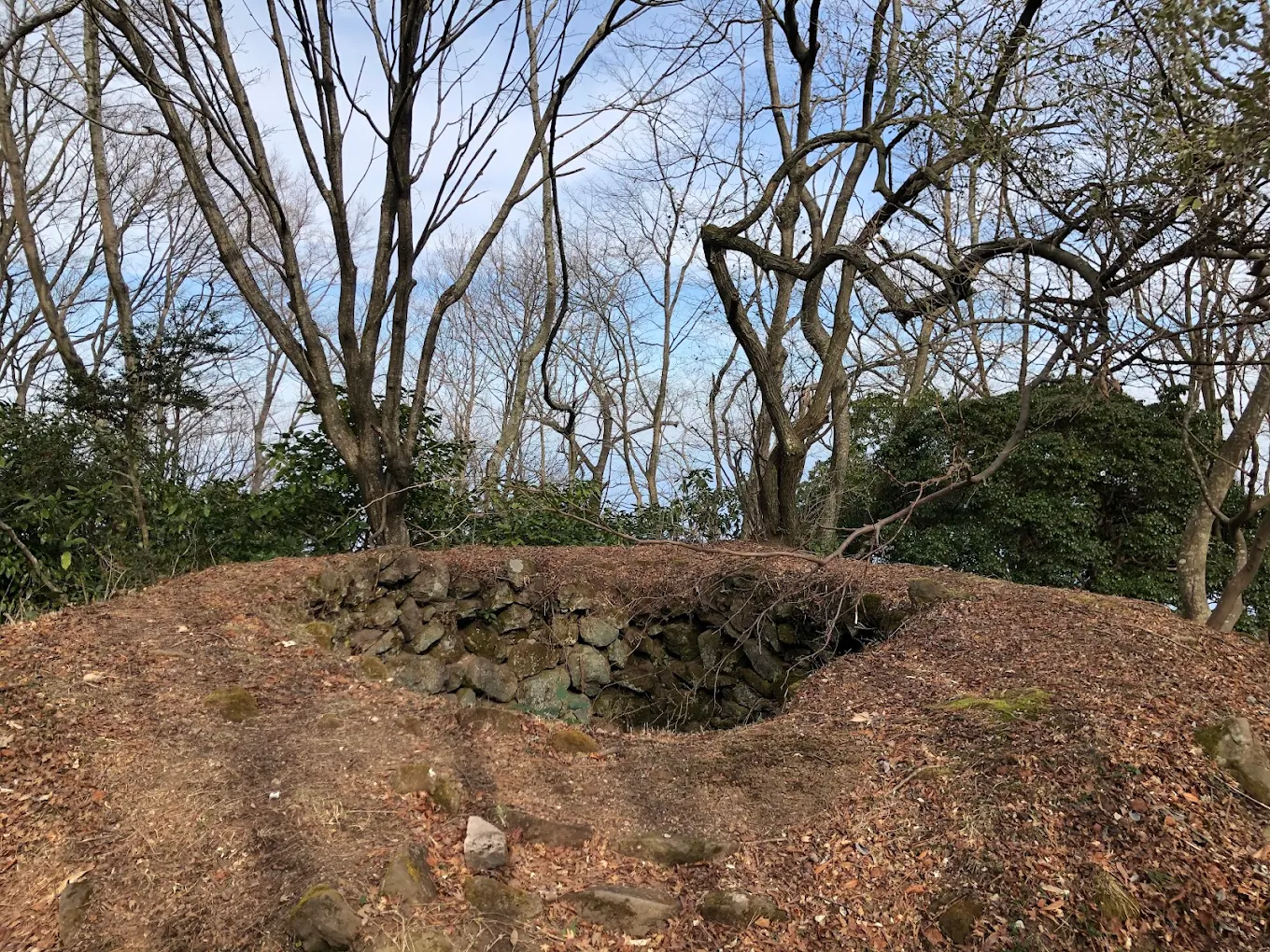
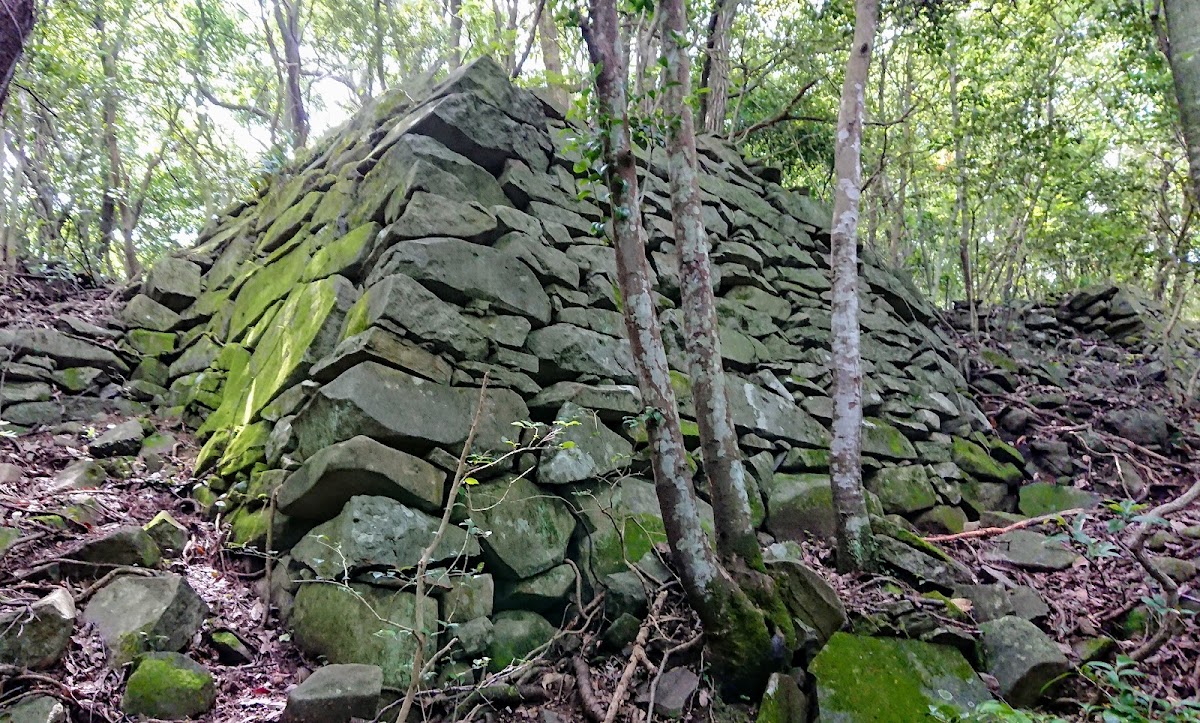
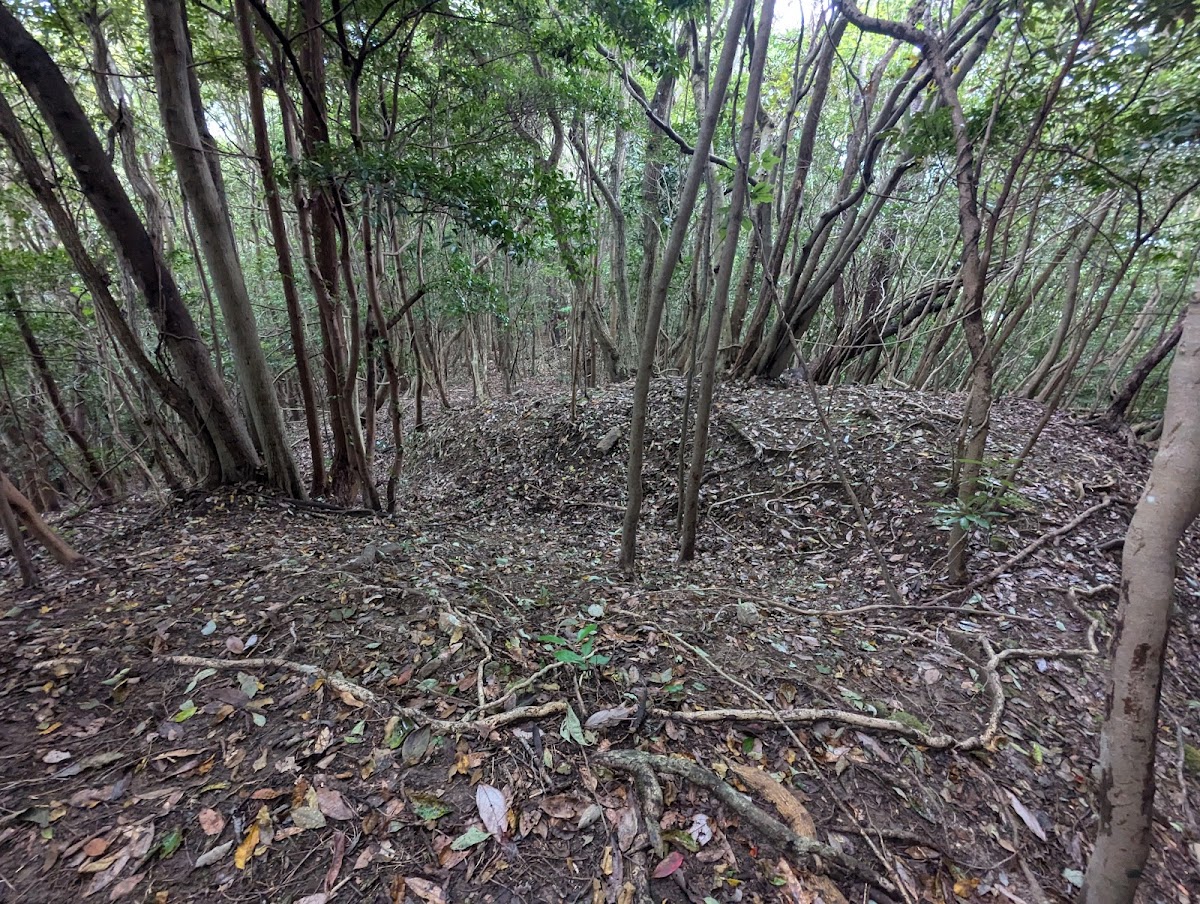
Remains: Enclosures, moats, earthworks, etc.
Sada Castle is a mountain castle built on a hill overlooking Usuki Bay, functioning as a base for monitoring maritime traffic and defending inland areas.
History of Sada Castle
Background of Construction and Relationship with the Otomo Clan
During the Sengoku period when Sada Castle was built, Bungo Province (present-day Oita Prefecture) was a territory ruled by the Otomo clan. The Otomo clan boasted immense power in northern Kyushu, and at its peak, it controlled six provinces: Bungo, Buzen, Chikugo, Chikuzen, Hizen, and Higo.
Sada Castle was strategically important, located on a transportation route connecting Funai (present-day Oita City), the Otomo clan’s base, and Usuki, an important port town. To strengthen its control over its territory, the Otomo clan adopted a system of branch castles, constructing them in various locations and stationing their retainers there. Sada Castle is thought to have functioned as part of this branch castle network.
Sada Castle in the Sengoku Period
In the mid-16th century, during the time of Otomo Yoshishige (Sorin), the Otomo clan reached its peak. It is presumed that Sada Castle was developed as a defensive base for the Usuki region during this period. Usuki possessed a good harbor and was a crucial point for maritime traffic, making its defense a vital issue for the Otomo clan.
After the Otomo clan suffered a crushing defeat against the Shimazu clan at the Battle of Mimikawa in 1578, Bungo Province fell into chaos. It is possible that Sada Castle’s defenses were strengthened during this time. The castles around Usuki were under constant tension in preparation for a Shimazu invasion.
Toyotomi Hideyoshi’s Kyushu Conquest and Sada Castle
In 1587, Toyotomi Hideyoshi conquered Kyushu. The Otomo clan recovered their territory with Hideyoshi’s support, but later, due to the misgovernment of Otomo Yoshimune, they were dispossessed in 1593.
Subsequently, Bungo Province was divided, and the Usuki region came under the control of Ota Kazuyoshi. After the Battle of Sekigahara, the Inaba clan became the lords of Usuki Domain, governing from Usuki Castle. It is believed that during this period, Sada Castle ceased to function as a subsidiary castle and was abandoned.
Layout and Structure of Sada Castle
Characteristics as a Mountain Castle
Sada Castle exhibits typical characteristics of a medieval mountain castle. It skillfully utilizes the terrain of mountain ridges and slopes to prevent enemy intrusion. Mountain castles offer superior defense compared to castles on flat ground, and have the advantage of being easier to defend with a small number of personnel.
Major Remains
Currently, the following remains are preserved at the Sada Castle site:
Kuruwa (Enclosures)
These are flat areas at the center of the castle, used for building structures and deploying troops. At Sada Castle, multiple kuruwa are arranged in a stepped pattern, with the main enclosure (honmaru) at the center, and the second and third kuruwa also visible.
Horikiri (Dry Moat)
This is a dry moat dug to cut across a ridge. It served to prevent enemy intrusion and to demarcate areas between baileys. At Sada Castle, a clear horikiri remains behind the main bailey, indicating its crucial defensive role.
Dorui (Earthwork)
This is a defensive structure built by piling up earth. Built around baileys, it prevented enemy intrusion and also functioned as a barrier for firing arrows and guns. Traces of dorui can be seen in some baileys at Sada Castle.
Tatebori (Vertical Moat)
This is a moat dug vertically along a slope. It served to prevent enemies from climbing the slope. Traces of vertical moats can also be seen on the slopes of Sada Castle.
Characteristics of the Castle Layout
The layout of Sada Castle is a practical design that makes maximum use of the terrain. The castle’s structure, with the main enclosure at the highest point and the surrounding baileys arranged on the ridges branching off from it, allows for defense against attacks from multiple directions.
Furthermore, the castle is relatively small in scale, suggesting that the number of permanently stationed troops was limited. It is likely that a small number of guards defended it during peacetime, and in times of conflict, troops were gathered from the surrounding area to fortify the castle.
Highlights of Sada Castle
View from the Main Enclosure
From the main enclosure (the site of the main keep) of Sada Castle, you can enjoy a panoramic view of Usuki Bay and the surrounding mountains. On clear days, you can even see as far as Shikoku, demonstrating the castle’s importance as a monitoring base for maritime traffic.
Well-Preserved Remains
Because Sada Castle has not undergone much development in later periods, the remains of this medieval mountain castle are relatively well-preserved. In particular, the layout of the moats and baileys is clear, making it a valuable example for studying the structure of castles during the Sengoku period.
Harmony with Nature
The castle ruins are surrounded by abundant nature, allowing visitors to enjoy the scenery of each season. Cherry blossoms in spring and autumn leaves are beautiful, making it a spot where you can enjoy both historical and nature walks.
Access and Visiting Information for Sada Castle
Access Methods
Access by Car:
- Approximately 15 minutes from the Usuki IC on the Higashi-Kyushu Expressway
- Parking: Parking spaces are available near the castle ruins (limited number of spaces)
Public Transportation:
- Approximately 10 minutes by car from Kami-Usuki Station on the JR Nippo Main Line
- Due to limited bus service, access by car is recommended.
Visiting Precautions
- Clothing and Equipment: As it is a mountain castle, comfortable walking shoes and clothing are essential. Insect repellent is also recommended during the summer months.
- Estimated Time Required: Allow approximately 30 minutes to 1 hour to explore the castle ruins.
- Safety Management: The mountain trails can be slippery in places, so extra caution is needed, especially during and after rain.
- Manners: The castle ruins are a valuable cultural asset. Please refrain from damaging the remains or littering.
- Prior Confirmation: Access may be difficult depending on the weather and season. We recommend checking Usuki City’s tourist information in advance.
Nearby Tourist Spots
When visiting Sada Castle, we recommend also visiting other tourist spots in Usuki City.
Usuki Castle Ruins
This castle was built by Usuki Shigetsugu, a senior retainer of the Otomo clan, and later became the administrative center of the Usuki Domain. It was a seaside castle built on a peninsula jutting out into Usuki Bay, and the stone walls and turrets have been restored.
Usuki Stone Buddhas
These are a group of rock-carved Buddha images designated as a National Treasure, carved from the late Heian period to the Kamakura period. Known as one of Japan’s most representative stone Buddha statues, it is renowned for its high level of artistry.
Nioza Historical Road
This historical street retains the townscape of the Edo period. Samurai residences and temples line the street, allowing visitors to experience the atmosphere of that time.
Usuki City Historical Museum
This museum provides information on the history and culture of the Usuki region. It features exhibits on the Otomo clan and the Usuki Domain, and information about Sada Castle may also be available.
Sada Castle and the Otomo Clan’s Castle Network
The Otomo clan built numerous branch castles within Bungo Province, efficiently governing their territory. Sada Castle functioned as part of this castle network.
Otomo Clan Related Castles Around Usuki
In addition to Sada Castle, several other castles existed in the Usuki region.
- Usuki Castle: A coastal castle built by Usuki Shigetsugu. An important base for the Otomo clan.
- Nyuujima Castle: A castle facing Usuki Bay.
- Other Subsidiary Castles: Small forts and watchtowers are scattered across the surrounding hills.
It is believed that these castles cooperated with each other, communicating information through signal fires and other means. Sada Castle also contributed to the defense of the Usuki region as part of this network.
Archaeological Investigation of Sada Castle
Although no full-scale excavation has been conducted at Sada Castle, the structure of the castle is becoming clearer through surface observation and surveying.
Previous Research Findings
The following insights have been gained from surveys conducted by local historians and castle researchers.
- Overall Layout: A series of interconnected enclosures centered around the main enclosure.
- Defensive Facilities: Arrangement of moats, vertical trenches, earthworks, etc.
- Castle Area: Approximately XX hectares (Specific figures vary depending on the survey)
Future Research Topics
Many aspects of Sada Castle remain unexplained.
- Determining the exact construction date
- Details of the castle lord and castle guards
- The time and circumstances of the castle’s abandonment
- The existence and size of the castle town
Further archaeological excavations and documentary research are expected to reveal more about the history of Sada Castle.
Significance of Visiting Sada Castle
While Sada Castle is not as well-known as some famous large-scale castles, it is an important historical site for understanding the realities of local governance during the Sengoku period.
As a Place for Historical Learning
Visiting Sada Castle allows you to deepen your historical knowledge in the following ways:
- Castle Structures of the Sengoku Period: By observing actual mountain castle remains, you can gain practical knowledge that cannot be learned from textbooks.
- The Otomo Clan’s Territorial Rule: You can learn about an example of the branch castle system, a form of governance.
- Understanding Local History: You can recognize the historical importance of the Usuki region.
Preservation of Local Culture
For local people, Sada Castle symbolizes the history of the region. Visiting the castle ruins and learning its history contributes to the preservation of local culture.
Preservation and Utilization of Sada Castle
Current Challenges
Since Sada Castle ruins are not currently designated as a national or prefectural cultural property, organized preservation activities are limited. The main challenges are as follows:
- Weathering of Ruins: There is a risk that the ruins will gradually be lost due to natural erosion.
- Low Awareness: It is not being fully utilized as a tourist resource.
- Difficulty of Access: Access by public transportation is inconvenient.
Future Prospects
To utilize Sada Castle as a local historical resource, the following initiatives can be considered:
- Promotion of Research and Study: Clarifying its academic value.
- Installation of Information Boards: Making it easier for visitors to understand the castle’s history.
- Development of Walking Paths: Creating an environment where visitors can safely view the site.
- Holding Local Events: Historical events utilizing the castle ruins, etc.
Tips for Enjoying Sada Castle
Recommended Prior Learning
Before visiting Sada Castle, the following prior learning will allow you to enjoy it more deeply:
- History of the Otomo Clan: Learning about the rise and fall of the Otomo clan will help you understand the castle’s historical background.
- Basic Knowledge of Mountain Castles: Knowing terms like baileys, moats, and earthworks will make observing the ruins more enjoyable.
- History of Usuki: Understanding the history of the Usuki region will clarify the significance of Sada Castle.
Useful Items to Bring
- Map or GPS: To avoid getting lost in the mountains
- Camera: For recording ruins and scenery
- Drinking Water: Essential, especially in summer
- Binoculars: Useful for observing distant views
- Insect Repellent Spray: For protection against insects in summer
Best Season
The best time to visit Sada Castle is during the mild weather of spring (March-May) and autumn (October-November). Summer requires caution due to the heat and insects, while winter requires consideration of the cold and short daylight hours.
Summary
Sada Castle, located in Usuki City, Oita Prefecture, is a mountain castle from the Sengoku period (Warring States period) that played an important role as a branch castle of the Otomo clan. Even today, the remains of the castle, such as baileys and moats, are well-preserved, making it a valuable historical site for learning about the structure of medieval castles.
While not a famous tourist destination, it is a place where you can quietly feel the history. When you visit Usuki, be sure to visit the Sada Castle ruins and feel the spirit of the Sengoku period.
The rise and fall of the Otomo clan, the realities of regional rule during the Sengoku period, and the castle ruins that have survived through the ages—Sada Castle is filled with many elements that tell the story of Japanese history. It is a recommended spot not only for history buffs but also for those who enjoy nature walks.