Complete Guide to Kusu Castle (Oita Prefecture): History, Remains, and Access Information for Kirikabuyama Castle
Kusu Castle, located in Kusu Town, Kusu District, Oita Prefecture, is a medieval mountain castle also known as Kirikabuyama Castle, Kirikabuyama Castle, and Takashōji Castle. Built on the summit of Kirikabuyama Mountain overlooking the Kusu Basin, this castle attracts attention from castle enthusiasts and history buffs for its defensive structures that cleverly utilize the unique terrain and as an important historical site that tells the story of Bungo Province.
This article thoroughly introduces this fascinating mountain castle, from its historical background and detailed castle structure to a visitor’s guide and surrounding tourist information.
About Kusu Castle: Basic Information and Overview
Basic Castle Data
Kusu Castle is a medieval mountain castle located in Kusu-machi, Kusu-gun, Oita Prefecture, and has the following basic information:
- Alternate Names: Kirikabuyama Castle, Kirikabuyama Castle, Takashōji Castle
- Location: Kusu-machi, Kusu-gun, Oita Prefecture
- Elevation: Approximately 685m (Kusu Basin is 330m above sea level)
- Castle Structure: Concentric mountain castle
- Construction Period: Sengoku period (Warring States period)
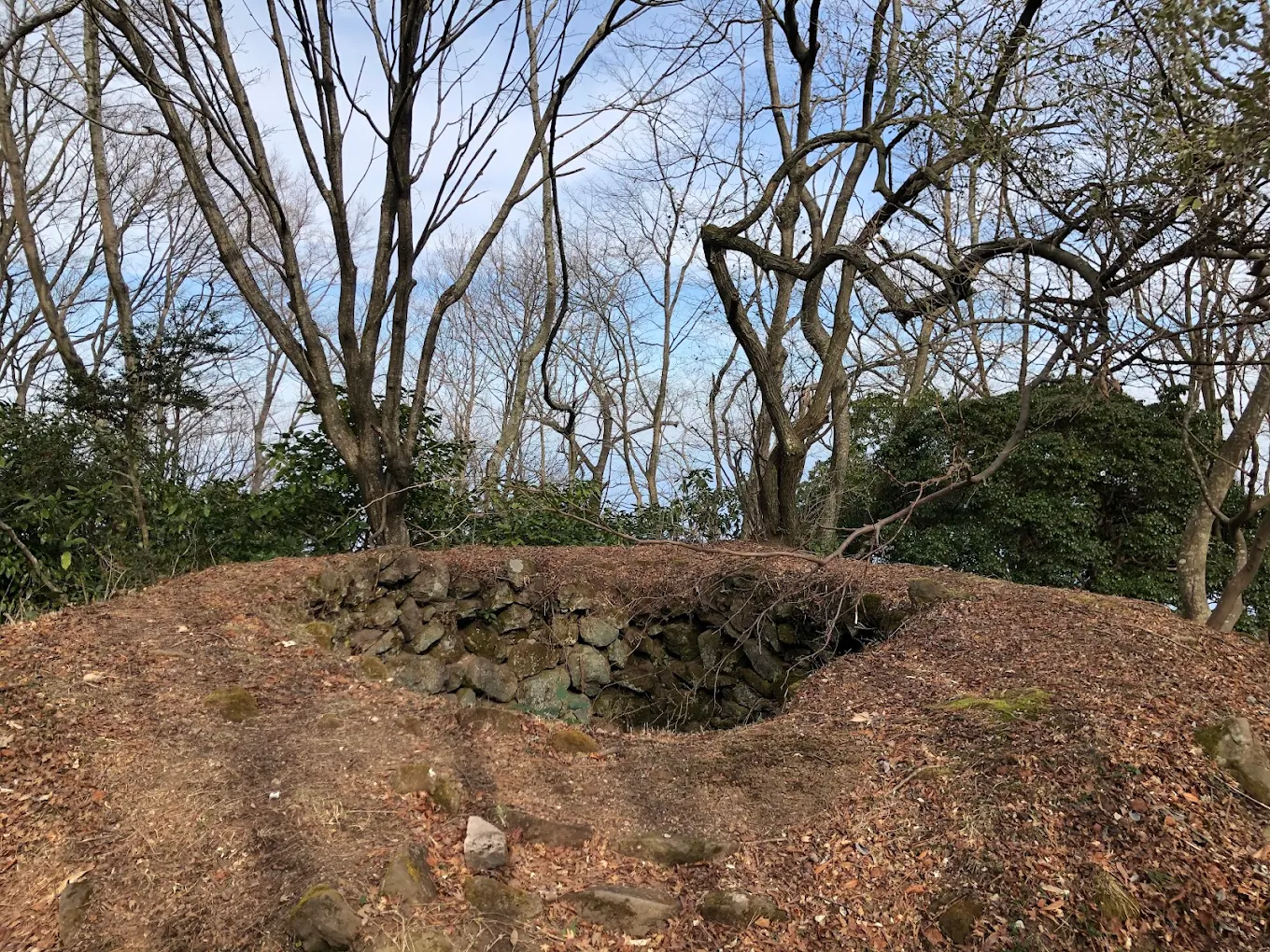
- Main Remains: Earthworks, baileys, ridged vertical moats, trenches, gates
Geographical Characteristics of the Kusu Basin and Kirikabuyama
Kusu-machi is located in the western part of Oita Prefecture, and its distinctive topography consists of the central Kusu Basin and the surrounding mesa (table-shaped plateau). As its name suggests, Kirikabuyama Mountain has a unique, plateau-like shape resembling a tree stump, making it a local landmark visible from afar.
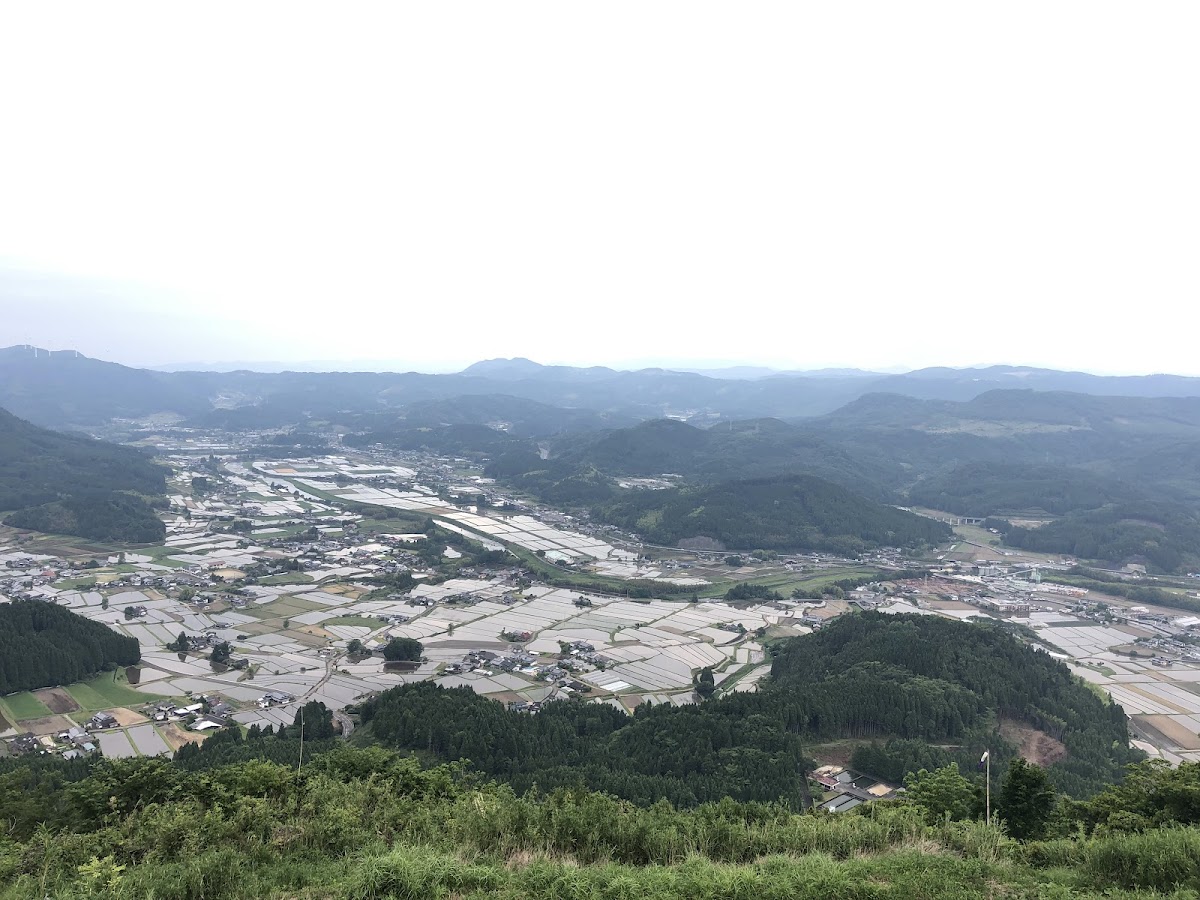
This distinctive topography was formed by volcanic activity, and its flat summit was an ideal location for building a castle. Located overlooking the Kusu Basin, it played a crucial role as a strategically important military point.
History of Kusu Castle: From Construction to Abandonment
Background of Castle Construction in the Sengoku Period
While there are few reliable records regarding the construction period and builder of Kusu Castle, it is believed to have been built within the sphere of influence of the Otomo clan, who ruled Bungo Province during the Sengoku period. The Kusu region was a crucial transportation hub connecting Bungo, Higo, and Chikugo Provinces, making control of this area extremely important strategically.
The flat summit of Kirikabuyama Mountain is a relatively unusual location for a medieval mountain castle. Typically, mountain castles are built on steep ridges or mountaintops, but in the case of Kusu Castle, a unique layout was adopted that utilized the plateau-like terrain, arranging multiple baileys.
The Otomo Clan and Kusu Castle
During the time of the Otomo clan, a powerful daimyo of Bungo Province during the Sengoku period, the Kusu region was one of their important strongholds. The Otomo clan built a vast sphere of influence in northern Kyushu, and it is presumed that Kusu Castle played a part in its defense network.
Nearby is Tsunomure Castle, a nationally designated historical site, which is also a mountain castle utilizing mesa terrain. It is believed that Kusu Castle and Tsunomure Castle cooperated with each other to form a defense system for the entire Kusu Basin.
Abandoned Castle and the Present
There are no clear records of when Kusu Castle was abandoned, but it is presumed that its military role ended with the end of the Sengoku period. During the Edo period, the Kurushima clan ruled the Kusu region, but their main castle was located at the Kurushima Jinya (fortified residence) at the foot of the mountain, and Kusu Castle disappeared from the historical stage.
Currently, the castle ruins are well-preserved, and recent investigations have revealed new features such as ridged vertical moats, horizontal moats, and gate remains, attracting academic attention.
Structure and Highlights of Kusu Castle
Characteristics of the Layout
The most distinctive feature of Kusu Castle is its unique layout, unfolding on the flat mountaintop of Kirikabu Mountain. Square enclosures, surrounded by earthworks known as the 1st to 7th earthworks, are positioned at a slight distance from each other.
This arrangement is thought to have been calculated to limit enemy invasion routes and allow each enclosure to support the others. The effective defensive lines constructed using earthworks, while utilizing flat land, demonstrate the high level of castle construction technology.
Earthworks and Enclosures
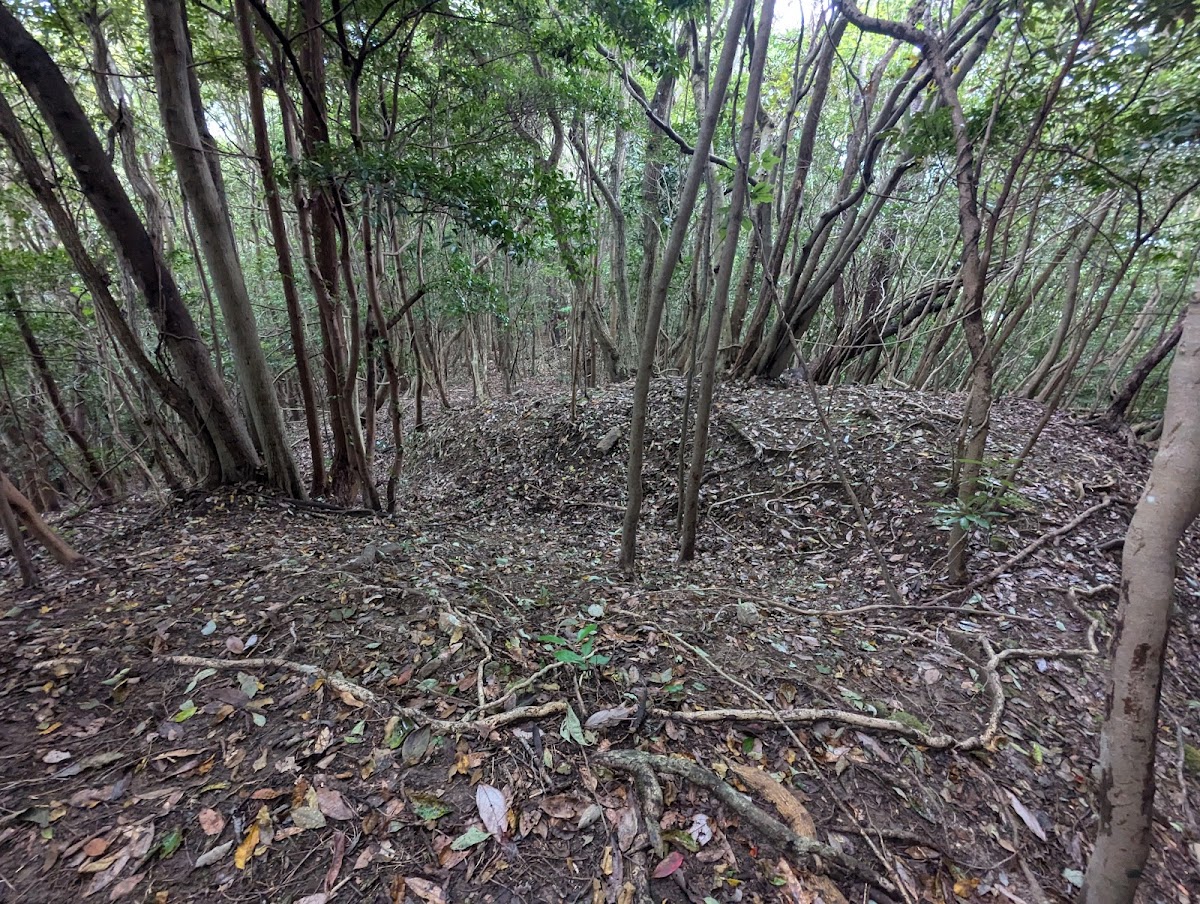
The main defensive structure of Kusu Castle was the earthworks. Seven main earthwork-enclosed enclosures have been identified, each functioning as an independent defensive stronghold.
The height and size of the earthworks vary depending on the location, but many are still clearly visible today, allowing us to imagine the appearance of the castle in its heyday. The interiors of the enclosures are relatively flat and are thought to have been used for troop garrisons and storage of supplies.
Ridge-Shaped Vertical Moats
A particularly noteworthy defensive feature of Kusu Castle is the ridge-shaped vertical moat group. Located on the southwest side of the third earthwork and the west side of the first and second earthworks, these remains were constructed to prevent enemy lateral movement and make attacks difficult.
The ridge-shaped vertical moats are important remains that demonstrate the castle construction techniques of the late Sengoku period, providing clues to understanding the construction date and technological level of Kusu Castle. Recent investigations have revealed more detailed structures, leading to a re-evaluation of the castle’s military importance.
Moats and Gates
A moat, an important defensive feature for mountain castles, has been confirmed on the southern ridge of Kusu Castle. This served to prevent enemy intrusion and clearly demarcate the castle grounds.
Furthermore, recent investigations have uncovered the remains of a gate (koguchi). The gate was the entrance to the castle and therefore required the strongest possible defenses. Further research into the structure of Kusu Castle’s gate is anticipated.
Discovery of Horizontal Moats
Recent investigations have also confirmed the existence of horizontal moats, previously unknown. These moats surround the baileys, preventing enemy approach and also serving as movement routes within the castle.
These new discoveries reveal that the layout of Kusu Castle was more complex than previously thought, and that advanced castle construction techniques were employed.
Guide to Visiting Kusu Castle
Access Methods
Access by Car
The most convenient way to access Kusu Castle is by car:
- Approximately 10 minutes from the Kusu Interchange on the Oita Expressway
- It is possible to drive almost all the way up to the summit
- Free parking available (approximately 15 spaces)
The main part of the castle ruins can be reached in just a few minutes on foot from the parking lot, making it a relatively easy mountain castle to visit.
Access by Public Transportation
- Approximately 15 minutes by car from Bungo-Mori Station on the JR Kyudai Main Line
- Access by public transportation alone is difficult, so we recommend considering using a taxi or rental car.
Estimated Visit Time
The average visit time to Kusu Castle is approximately 50-60 minutes. If you just want to see the main remains, it will take about 30 minutes, but if you want to carefully observe the earthworks and trenches, and enjoy the scenery, you should allow more than an hour.
For castle enthusiasts who plan to take photographs or conduct detailed observations, we recommend allowing approximately two hours.
Points to Note During Your Visit
- Clothing: As it is a mountain castle, comfortable walking shoes and clothing are essential.
- Season: Remember insect repellent in summer and warm clothing in winter.
- Weather: Be careful as the ground can be slippery in rainy weather.
- Facilities: There are no facilities such as toilets or shops at the castle ruins. Please prepare accordingly.
- Information Boards: Information boards are installed on-site, but reviewing a map of the castle layout beforehand will enhance your understanding.
Photography Spots
From Kusu Castle, you can enjoy a spectacular panoramic view of the Kusu Basin. Especially on clear days, you can see the surrounding mesa terrain and townscape, making it ideal for photography.
The remains of earthworks and baileys are also popular photography spots. The ridged vertical moats, in particular, can be clearly seen by photographing them from different angles.
Castle Stamps and Souvenirs
Castle Stamp Sales
Kusu Town sells castle stamps for Kusu Castle (Kirikabuyama Castle) and Tsunomure Castle. Castle stamps are popular souvenirs for castle tours and are collected by many.
Sales Locations
- Designated sales locations within Kusu Town (2 locations)
- For details, please contact the Kusu Town Tourism Association or the town hall.
The castle stamp designs reflect the characteristics and history of the castles, making them ideal souvenirs of your visit.
Related Books and Goods
Books about Kusu Castle and castles in Bungo Province can be found in specialized castle research books and local history books. Learning about the history and structure before your visit will deepen your understanding at the site.
Nearby Tourist Spots
Tsunomure Castle Ruins
Similar to Kusu Castle, this is a mountain castle utilizing mesa terrain and is designated as a national historic site. Visiting Kakumure Castle in conjunction with a visit to Kusu Castle will allow you to gain a deeper understanding of the castle culture of this region.
Kakumure Castle is larger in scale than Kusu Castle, and since remnants such as stone walls can be seen, it is a must-see spot for castle enthusiasts.
Kurushima Jinya Ruins
This is the site of the jinya (fortified residence) that the Kurushima clan used as their castle during the Edo period. A monument has been erected in Mishima Park, allowing you to learn about the history of Kusu during the Edo period.
Fairy Tale Village Kusu
Kusu Town uses the slogan “Fairy Tale Village,” and facilities and monuments related to fairy tales are scattered throughout the town. You can enjoy the atmosphere of a peaceful rural town in conjunction with a tour of the castle ruins.
Nature and Scenery of Kusu Town
Kusu Town is blessed with magnificent nature. The distinctive mesa topography, clear water, and scenery that changes with the seasons captivate visitors. The unique mountain scenery, including Mt. Kirikabu, is a charm unique to this region.
Comparison of Kusu Castle and Kakumure Castle
Kusu Town has two important mountain castles: Kusu Castle and Kakumure Castle. Comparing the two will clarify the characteristics of castles in this region.
Characteristics of Kusu Castle
- Utilizes the flat mountaintop of Mt. Kirikabu
- Layout centered on earthworks and baileys
- Characterized by a series of ridged vertical moats
- Relatively compact in scale
Characteristics of Kakumure Castle
- A larger castle
- Remains such as stone walls remain
- Designated as a National Historic Site
- More detailed historical records exist
Both castles played an important role in the defense of the Kusu Basin and are thought to have complemented each other.
Investigation and Research of Kusu Castle
Recent Discoveries and Research Findings
In recent years, numerous new remains have been discovered at Kusu Castle. Detailed structures of the ridged vertical moat system, previously unknown horizontal moats, and gate remains have been confirmed, gradually revealing the overall picture of the castle.
These research findings are providing an opportunity to re-evaluate the construction techniques and historical significance of Kusu Castle, and further research is expected.
Current Status of Preservation and Development
While the remains of Kusu Castle are preserved in relatively good condition, comprehensive development is limited. While information boards and parking facilities have been installed, the remains themselves essentially remain in their original state.
This is important in terms of preserving the authenticity of the remains, but it can be somewhat difficult for general visitors to understand. The challenge going forward will be how to strike a balance between appropriate development and preservation.
Significance of Visiting Kusu Castle
As a Place for Historical Learning
Kusu Castle is an excellent resource for learning about the history of Bungo Province during the Sengoku period and the construction techniques of medieval mountain castles. Seeing the actual remains, which cannot be learned from textbooks, deepens your understanding of history.
In particular, defensive structures such as earthworks and ridged trenches are valuable remains that allow you to appreciate the ingenuity of how people at the time tried to defend against enemy attacks.
Fusion of Nature and History
The combination of the unique topography of Mt. Kirikabu and the castle remains built there provides an opportunity to consider the relationship between nature and human activity. Understanding how people read the terrain and utilized it to construct defensive structures is a valuable experience that touches upon the wisdom of our ancestors.
Discovering the Charms of the Region
Visiting Kusu Castle is also an entry point to learning about the town of Kusu itself. You will discover the unique charms of this town, such as its efforts as a fairy tale village, its rich nature, and its distinctive topography.
To Make Your Visit to Kusu Castle More Enjoyable
Points for Preparation
To make your visit to Kusu Castle more fulfilling, we recommend the following preparations:
- Historical Preparation: Gain basic knowledge about the Sengoku period history of Bungo Province and the Otomo clan.
- Check the Castle Layout: Check the castle layout in advance on websites such as “Castle Wandering Chronicles.”
- Check the Weather Forecast: Visiting on a sunny day is recommended.
- Prepare Your Camera: For photographing the ruins and scenery.
- Appropriate Clothing: Wear comfortable shoes and clothing that allows for easy movement.
Utilizing Surrounding Facilities
The Kusu Town Tourism Association provides tourist information about Kusu Castle and other areas within the town. Checking the latest information before your visit will allow for a more efficient tour.
Furthermore, visiting nearby castle ruins such as Kakumure Castle in conjunction with Kusu Castle will allow you to gain a comprehensive understanding of the castle culture of the Kusu region.
Interaction with the Local Community
Kusu Town is a small town with a population of approximately 13,000, but the local people warmly welcome visitors. Through conversations with locals, you may be able to hear about legends related to the castle and the history of the region.
Summary: The Charm and Value of Kusu Castle
Kusu Castle (Katsukabuyama Castle) is a Sengoku period mountain castle built utilizing the unique topography of Kusu Town, Oita Prefecture. Its layout, centered on earthworks and baileys, defensive facilities such as ridged vertical moats, and its location overlooking the Kusu Basin are major attractions.
Recent investigations have uncovered numerous new remains, attracting academic attention. With easy access by car to near the summit and a well-maintained environment for visiting, it’s a recommended spot not only for castle enthusiasts but also for history buffs and families.
Visiting it along with other nearby castle ruins such as Kakumure Castle will allow you to gain a deeper understanding of the rich history and culture of the Kusu region. The sale of castle stamps has also begun, allowing you to keep a tangible memento of your visit.
Kusu Castle is a fascinating historical site where history, nature, and local culture blend seamlessly. When visiting Oita Prefecture, be sure to stop by. The view of the Kusu Basin from the top of Mt. Kirikabu and the ruins that evoke the spirit of the Sengoku period will surely transport you to the romance of history.