

Saiki Castle (Oita Prefecture) Complete Guide | The Charm and Highlights of the Continued Top 100 Japanese Castles Built by Master Castle Builder Mori Takamasa
What is Saiki Castle? | An Overview of Oita Prefecture’s Representative Hilltop Castle
Saiki Castle is a hilltop castle built on the summit of Shiroyama (formerly known as Hachimanyama), at an altitude of 144 meters, in the heart of Saiki City, Oita Prefecture. Throughout the Edo period, it served as the administrative center of the Saiki Domain and flourished as the residence of 12 generations of the Mori clan.
In 2017, it was designated as the 194th of the “Continued Top 100 Japanese Castles,” selected to commemorate the 50th anniversary of the Japan Castle Association, and in 2023 (Reiwa 5), it was designated a National Historic Site. Furthermore, it has been selected as one of the 100 Scenic Views of Oita, and is widely recognized as a castle of high historical and cultural value.
The view of the Banjo River estuary and Saiki Bay from Shiroyama is spectacular, and the castle’s shape resembles a maizuru (dancing crane), earning it the nicknames “Tsuruya Castle” and “Tsuruga Castle.” Even today, the remains of the castle, including the stone walls, baileys, and gate ruins, are well-preserved, continuing to fascinate many tourists and history enthusiasts who visit the site.
History of Saiki Castle | From Construction to the Meiji Restoration
Construction by Mori Takamasa (1602-1606)
Construction of Saiki Castle began in 1602 (Keicho 7) by Mori Takamasa, the first lord of the Saiki Domain. Mori Takamasa was a samurai who served Toyotomi Hideyoshi, and after the Battle of Sekigahara, he was granted 20,000 koku of land in Saiki by Tokugawa Ieyasu and took up residence in this area.
Takamasa was known as a master castle builder, constructing a magnificent castle that was disproportionately large for a daimyo with only 20,000 koku. Construction of the castle was completed in 1606 (Keicho 11), realizing a grand urban plan that included establishing the main keep on Mt. Hachiman, near the mouth of the Banjo River, and developing the castle town by reclaiming the alluvial fan to the east.
Dual Structure of the Main Keep and Foothill Residence
A distinctive feature of Saiki Castle is its dual structure: the main keep on the mountaintop and the San-no-maru Palace (Mountain Foot Residence) at the foot of the mountain. Initially, a keep and turrets were built on the mountaintop, but when the Tokugawa Shogunate issued the “One Castle Per Province” decree in 1616 (Genna 2), the structures on the mountaintop were demolished.
In 1637 (Kanei 14), the “Maru-Goten,” the residence of the feudal lord, was constructed in the San-no-maru, and thereafter the foot of the mountain became the center of the domain’s administration. However, the stone walls and baileys on the mountaintop were maintained, preserving its function as a defensive base in times of emergency.
As the Residence of 12 Generations of the Mori Clan
Saiki Castle served as the residence of the Mori clan for 12 generations, starting with the first lord, Mori Takamasa. Although the Saiki Domain was relatively small, it achieved economic development by utilizing water transport on the Banjo River and maritime transport on Saiki Bay, and the castle town prospered as a commercial center.
With the Meiji Restoration, the Saiki Domain was abolished due to the abolition of the feudal domains and the establishment of prefectures, and its role as a castle came to an end. However, the castle ruins have been carefully preserved as a symbol of the region, and continue to be so to this day.
Structure and Layout of Saiki Castle | Deciphering the Techniques of a Master Castle Builder
The Main Bailey, Second Bailey, and Third Bailey on the Mountaintop
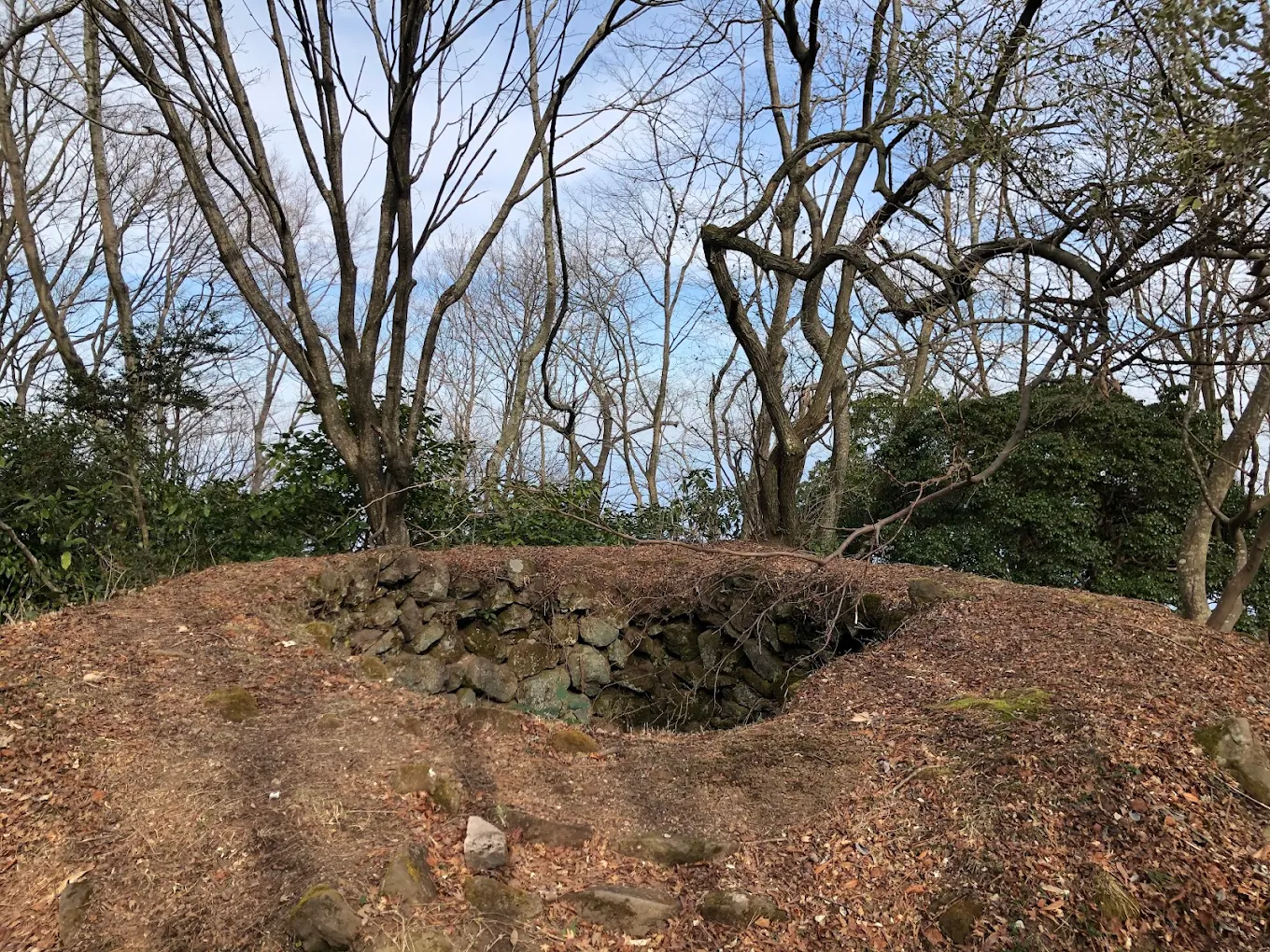
The mountaintop of Saiki Castle features the main bailey (Honmaru) at its center, surrounded by other baileys such as the second bailey (Ninmaru) and the western bailey (Nishi-no-maru). The main bailey is located at the highest point of the castle mountain, where a keep and gate tower once stood. Currently, only the foundation stones and stone walls remain, evoking the splendor of its former glory.
The view from the main keep is magnificent, offering a panoramic view of Saiki city, the Banjo River, and Saiki Bay. This location served not only a military surveillance function but also symbolically demonstrated the lord’s authority.
Stone Wall Techniques and Characteristics
The stone walls of Saiki Castle are a valuable historical site that preserves the castle-building techniques of the Keicho period. It exhibits transitional techniques from rough-hewn stonework to fitted stonework, and the corners of the walls utilize a sophisticated technique called “san-gi-zumi” (a type of stonework).
The stone walls around the main keep are particularly tall, indicating their high defensive capabilities. Furthermore, the ingenuity of the castle builder, Mori Takamasa, is evident throughout, including drainage measures and slope calculations to prevent collapse.
The Third Bailey and Castle Town at the Foot of the Mountain
The Third Bailey was located at the foot of the mountain, where the lord’s residence and domain government functions were concentrated. Multiple access roads connecting the Third Bailey and the main keep were constructed, and it is believed that they were used differently in peacetime and wartime.
The castle town was laid out in a grid pattern, with samurai residences, merchant districts, and temple districts clearly separated. Even today, parts of the historical townscape remain in the former castle town area of Saiki City, allowing visitors to experience the atmosphere of yesteryear by strolling through it along with the castle ruins.
The Legend of the Corridor Bridge
Saiki Castle has a legend about a distinctive structure called the “Corridor Bridge.” This was a covered bridge connecting the residence at the foot of the mountain to the main keep at the summit, said to have been built so that the feudal lord could ascend to the castle without getting wet in rainy weather. While there are various theories about its actual structure and location, it is a well-known legend of Saiki Castle.
Highlights of Saiki Castle | Historical Remains to Experience Firsthand
Main Keep Ruins and Stone Walls
A must-see when visiting Saiki Castle is the main keep ruins. The foundation stones of the keep base and the remains of the turret gate remain, allowing visitors to imagine the scale of the former structures. The stone walls surrounding the main keep are remarkably well-preserved, allowing visitors to observe the castle construction techniques of the Keicho period up close.
The view from the main keep is one of Saiki Castle’s greatest highlights. You can enjoy a panoramic view of Saiki city, the Banjo River, and Saiki Bay, with particularly spectacular views at sunset and early morning. On clear days, you can even see as far as Shikoku.
Ascent Routes and Enclosure Layout
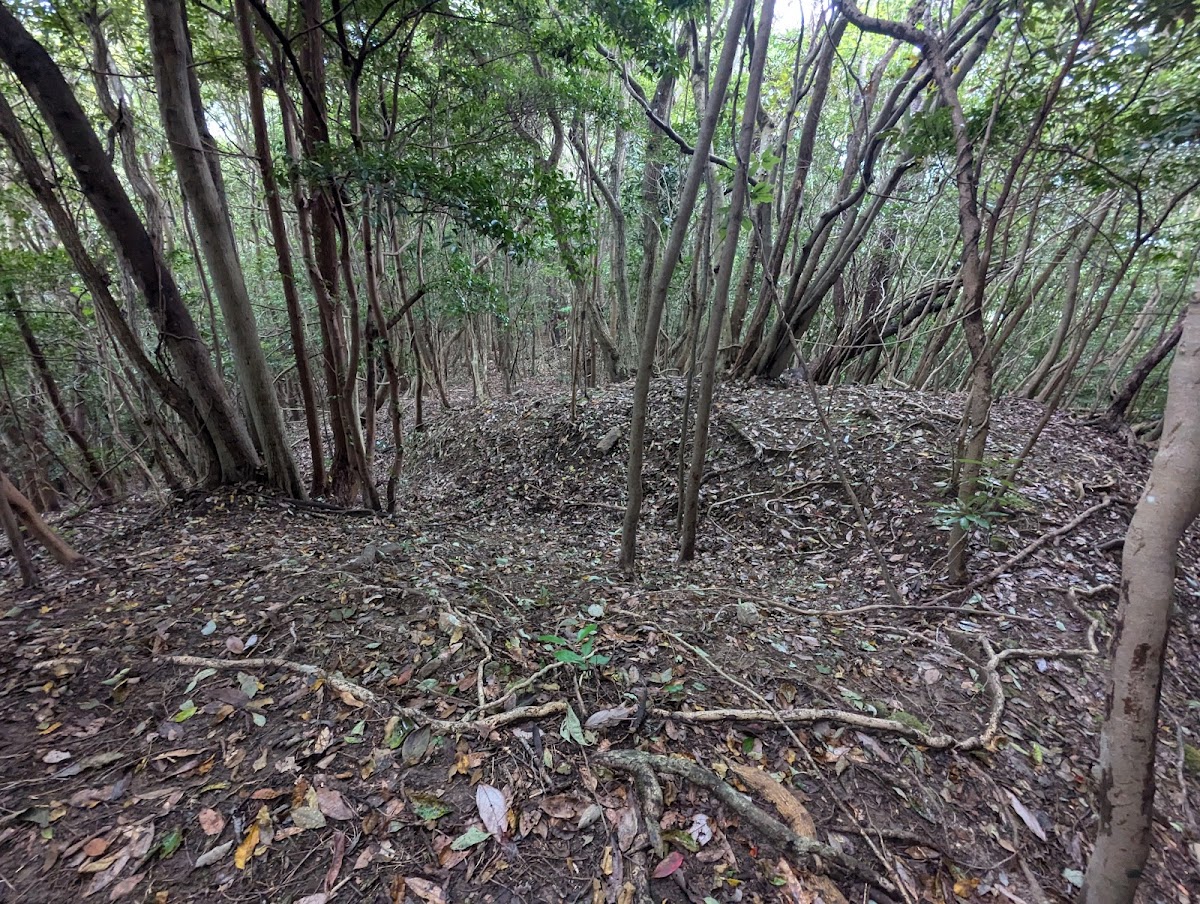
Saiki Castle has several well-maintained ascent routes from the third enclosure to the summit. The “Climbing Route” is the official route used since the Edo period, allowing you to experience the defensive structures of the time, such as the stone steps and the layout of the enclosures.
In addition, there are several other routes, such as the “Doppo Route” and “Shortcuts,” which can be chosen according to your physical condition and purpose. Since each route offers different perspectives on the stone walls and enclosures, it is recommended to walk multiple routes if you have the time.
The Site of the Third Bailey and Saiki City Historical Museum
The Saiki City Historical Museum is currently located on the site of the Third Bailey at the foot of the mountain. Here, you can learn in detail about the history of Saiki Castle, the culture of the Saiki Domain, and the development of the castle town. A reconstructed model of Saiki Castle, excavated artifacts, and ancient documents are on display, and a visit before or after exploring the castle ruins will deepen your understanding.
Around the museum, the remains of the domain school and samurai residences can still be seen, allowing you to experience the atmosphere of the castle town.
Continued Top 100 Japanese Castles Stamp and Castle Seal
Saiki Castle is selected as number 194 of the Continued Top 100 Japanese Castles, and the stamp is located at the Saiki City Historical Museum. Castle seals are also available for purchase at the same museum. The castle seals are beautifully designed with the history of Saiki Castle and the Mori clan’s family crest, making them popular souvenirs.
They are items you’ll definitely want to acquire as a record of your castle tour and as a memento of your trip.
Access and Visiting Information for Saiki Castle
Location and Basic Information
Official Name: Saiki Castle Ruins
Alternate Names: Tsuruya Castle, Tsuruga Castle, Oyama Castle
Location: Otemachi, Saiki City, Oita Prefecture
Castle Structure: Hilltop Castle
Year of Construction: Keicho 7 (1602)
Builder: Mori Takamasa
Main Lords: Mori Clan
Cultural Property Designation: National Historic Site, Continued Top 100 Japanese Castles (No. 194), 100 Scenic Views of Oita
Transportation Access
By Train:
Get off at Saiki Station on the JR Nippo Main Line, and walk for about 20 minutes to San-no-maru (Saiki City Historical Museum). From there, walk for about 20-30 minutes along the path to the Honmaru (main keep).
If traveling by car:
Approximately 10 minutes from the Saiki Interchange on the Higashi-Kyushu Expressway. Free parking is available near the Saiki City Historical Museum (approximately 30 spaces). There are also a few parking spaces near the castle entrance.
Parking Information
Free parking is available adjacent to the Saiki City Historical Museum. It’s just a few minutes’ walk from here to the castle entrance. It can get crowded on weekends and during peak tourist seasons, so early arrival is recommended.
Precautions When Visiting the Castle
- The climb to the summit involves an elevation difference of approximately 140 meters, so please wear comfortable shoes and clothing.
- In summer, bring drinks to prevent heatstroke.
- The climbing path can become slippery during and after rain, so caution is advised.
- The time required to reach the main keep varies depending on the climbing path, but it is approximately 20-40 minutes one way.
- Insect repellent may be necessary depending on the season.
Saiki Castle and Surrounding Tourist Attractions
Saiki City Historical Museum
This is a must-visit facility if you want to learn about the history of Saiki Castle. The permanent exhibition provides detailed information on the history of the Saiki Domain, the lineage of the Mori clan, the development of the castle town, and the culture of Saiki. You can also obtain the Continued Top 100 Japanese Castles stamp and castle seal here.
Opening Hours: 9:00 AM – 5:00 PM (Last entry at 4:30 PM)
Closed: Mondays (or the following day if Monday is a public holiday), New Year holidays
Admission Fee: 300 yen for adults, free for high school students and younger
Samurai Residences and Townscape of the Castle Town
The castle town of Saiki Castle still retains its Edo period layout. Especially in the area developed as the “Path of History and Literature,” you can feel the atmosphere of the past with samurai residences, earthen walls, and cobblestone streets.
Enjoy strolling through the castle town while tracing the footsteps of literary figures associated with the Saiki domain, such as Kunikida Doppo.
Saiki’s Seafood and Food Culture
Saiki City is a port town boasting the “largest catch of horse mackerel and mackerel in Kyushu.” Dishes made with fresh seafood are exquisite, and “Gomadashi Udon” (sesame broth udon) is particularly famous as a local Saiki dish. After exploring the castle ruins, enjoy the local cuisine of Saiki at local restaurants and sushi bars.
The Nature of the Banjo River and Saiki Bay
The Banjo River and Saiki Bay, as viewed from Saiki Castle, boast a rich natural landscape. The Banjo River is known for its clear waters and is a popular spot for ayu (sweetfish) fishing. Swimming and marine sports can also be enjoyed in Saiki Bay.
Saiki Castle Photo Spots and Best Season
Recommended Photo Spots
- View from the Main Enclosure: A spectacular viewpoint offering panoramic views of Saiki city and Saiki Bay.
- Main Enclosure Stone Walls: Magnificent stone walls showcasing the castle-building techniques of the Keicho era.
- Stone Steps on the Ascent to the Castle: Moss-covered stone steps evoking a sense of history.
- Panoramic View of the Castle Mountain from the Third Enclosure: The castle mountain resembles a crane spreading its wings.
Best Season for Visiting
Spring (Late March to April): Cherry blossom season, when the area around the castle mountain is dyed in light pink. A popular season to enjoy both cherry blossom viewing and exploring the castle ruins.
Autumn (October to November): Beautiful autumn foliage, with trees along the ascent to the castle changing color. The weather is mild, making it the perfect season for visiting the castle.
Winter (December to February): The air is clear, resulting in excellent views. With few people around, you can quietly stroll through the castle ruins.
While summer requires caution due to the heat and insects, early morning or evening visits offer a comfortable experience.
Preservation Activities and Future Prospects of Saiki Castle
National Historic Site Designation and Preservation/Development
Designated as a National Historic Site in 2023 (Reiwa 5), the preservation and utilization of Saiki Castle ruins are being further advanced. Saiki City is working to create an environment where visitors can safely and comfortably enjoy the castle ruins, including the restoration of stone walls, improvement of the access roads, and the enhancement of information boards.
Collaboration with the Community and Tourism Promotion
Saiki Castle serves as a regional symbol and is utilized in various events and tourism programs. Guided tours, history lectures, and illumination events are regularly held at the castle ruins, providing a place for interaction between local residents and tourists.
Having been selected as one of the Continued Top 100 Japanese Castles, it has attracted attention from castle enthusiasts nationwide, and further development is expected as an important tourist resource for Saiki City.
To Deepen Your Understanding of Saiki Castle’s Charm
Related Books and Materials
For those who wish to learn more about Saiki Castle, we recommend the castle-related books sold at the Saiki City Historical Museum and local historical materials dealing with the history of the Saiki Domain. Detailed information is also available in the “Continued 100 Famous Japanese Castles Official Guidebook” published by the Japan Castle Association.
Utilizing Guided Tours
The Saiki City Tourism Association offers guided tours of the castle ruins led by local guides (reservations required). By touring with a guide who possesses specialized knowledge, you can discover the depth of history and highlights of the ruins that you might not notice on your own.
Combining with Castle Tours
Oita Prefecture has many other attractive castle ruins, such as Oka Castle Ruins (Taketa City), Usuki Castle Ruins (Usuki City), and Funai Castle Ruins (Oita City). Visiting these in conjunction with Saiki Castle will allow you to gain a deeper understanding of Oita Prefecture’s castle culture.
Summary | Saiki Castle: A Famous Castle Filled with Construction Technology and History
Saiki Castle is a hilltop castle that showcases the culmination of the techniques of Mori Takamasa, a master castle builder. It is a historically valuable castle designated as one of the Continued Top 100 Japanese Castles and a National Historic Site. There are many highlights, from the spectacular views from the main keep at the summit, to the stonework techniques of the Keicho period, and the remnants of the Edo-period castle town.
When visiting Saiki City, be sure to take your time to explore the Saiki Castle ruins and experience the charm of this magnificent castle built over 400 years ago. From learning at the historical museum and connecting with nature along the castle path to enjoying the views from the main keep, and experiencing the local food culture in the castle town, you can enjoy a fulfilling sightseeing experience centered around Saiki Castle.
Why not spend some valuable time at Saiki Castle, a representative historical heritage site of Oita Prefecture, and experience Japanese castle culture and local history?
.png)