Complete Guide to Watari Castle and Watari Town: The Charm and Tourist Information of Miyagi Prefecture’s Historic Castle Town
What is Watari Castle (Gagyu Castle)?
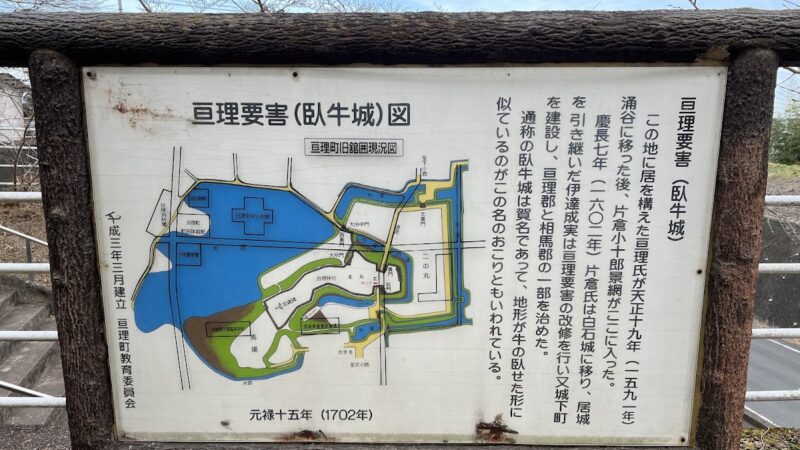
Watari Castle (Watari-jo) was a Japanese castle located in Watari County, Mutsu Province (present-day Watari Town, Watari County, Miyagi Prefecture). It is known by the alternative name Gagyu Castle because its topography resembles a reclining ox. During the Edo period, it was also called Watari Fortress and functioned as the political, economic, and cultural center of the Watari region as the residence of the Watari Date clan.
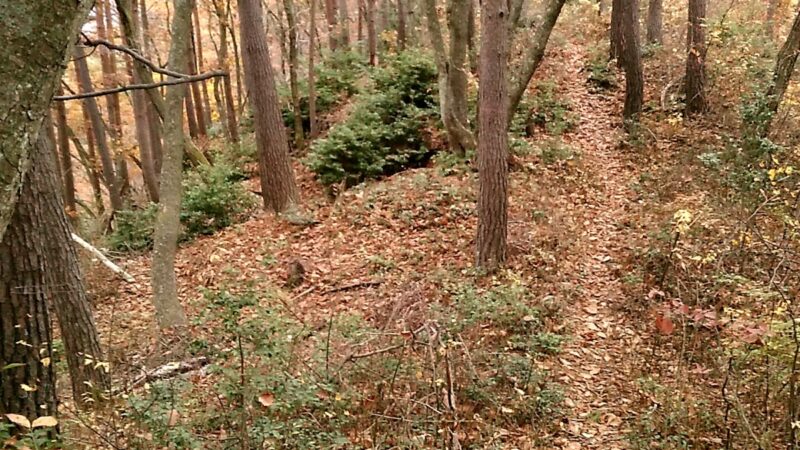
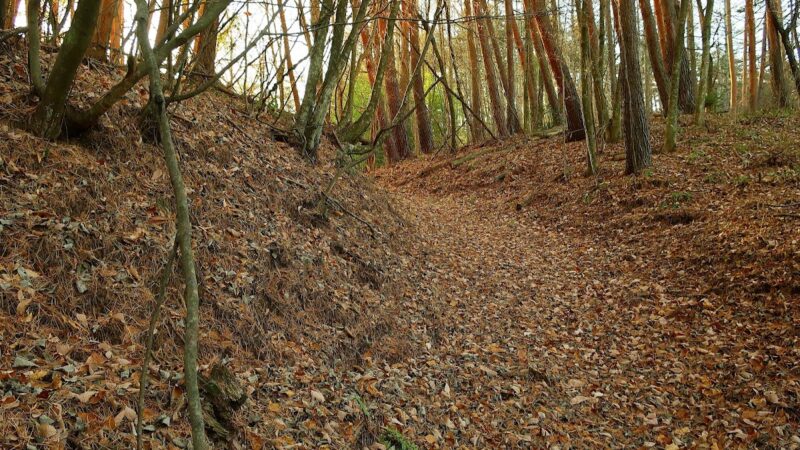
Currently, the castle ruins are located in the urban area of Watari Town and are recognized as an important cultural heritage site due to their historical value. Watari Town, which developed as a castle town, still retains the streetscape and culture of that time, making it an attractive destination for history enthusiasts and tourists.
History of Watari Castle
Construction and the Era of the Watari Clan
The origins of Watari Castle date back to the Middle Ages. It is believed that the castle was built by the Watari clan, who ruled this region from the Kamakura period to the Sengoku period. The Watari clan was a powerful family descended from the Oshu Fujiwara clan, and they established their control over the region by building a castle at a strategic point at the mouth of the Abukuma River.
The Date Clan’s Rule and the Development of the Castle Town
During the Sengoku period, with the expansion of Date Masamune’s power, the Watari region came under the control of the Date clan. In 1591, Date Shigezane, Masamune’s uncle, became the lord of Watari Castle, and it remained the residence of the Watari Date clan until the Meiji Restoration.
Date Shigezane was a warrior who achieved numerous military successes as a senior retainer of Masamune, and he managed the territory from Watari Castle. Under his rule, the castle town was developed, commerce and industry flourished, and Watari prospered as an important base city in the southern part of the Sendai Domain.
Watari Fortress in the Edo Period
During the Edo period, the Sendai Domain established a system of branch castles called “fortresses,” and Watari Castle was designated as a Watari Fortress. It played a crucial role as the southern defense of the Sendai Domain, and the Watari Date clan ruled a territory of approximately 30,000 koku for generations.
The castle town was systematically laid out with samurai residences, merchant districts, and temples and shrines, forming a town approximately 2 kilometers east-west and 1.5 kilometers north-south. The current town layout in the center of Watari still retains strong traces of that era.
Meiji Restoration and Abolition of the Castle
After the Meiji Restoration, the rule of the Watari Date clan came to an end with the abolition of the feudal domains and the establishment of prefectures. In 1871 (Meiji 4), Watari Castle was abandoned, and many of its castle facilities were demolished. Date Kuninari, the head of the Watari Date family, is also known for participating in the development of Hokkaido along with his retainers, and for developing what is now Date City, Hokkaido.
Overview of Watari Town
Geography and Location
Watari Town is located in the southeastern part of Miyagi Prefecture, approximately 26 kilometers south of Sendai City. It faces the Pacific Ocean to the east, the Abukuma Highlands to the west, and the Abukuma River to the north, making it a naturally rich area surrounded by the sea, mountains, and rivers.
The town area spans approximately 13 kilometers east-west and 11 kilometers north-south, covering an area of approximately 73.60 square kilometers. The elevation is relatively flat, ranging from almost 0 meters along the coast to a maximum of approximately 100 meters in the western hilly area.
Neighboring Municipalities
Watari Town is bordered by the following municipalities:
- North: Natori City, Iwanuma City
- West: Kakuda City, Shibata Town (Shibata District)
- South: Yamamoto Town (Watari District)
- East: Pacific Ocean
Climate
Watari Town belongs to the Pacific coast climate zone and is characterized by a relatively mild climate. Winters are warmer than inland Miyagi Prefecture, and summers are pleasant with a gentle sea breeze that mitigates the heat, making it a comfortable environment year-round.
The average annual temperature is approximately 12 degrees Celsius, and the average annual rainfall is approximately 1,200 millimeters. This makes it a relatively mild region with relatively little snowfall compared to other parts of the Tohoku area. This mild climate creates an environment suitable for agriculture, such as strawberry cultivation, which will be discussed later.
Population
As of 2024, Watari Town has a population of approximately 32,000 people and approximately 12,000 households. The population density is approximately 435 people per square kilometer.
After the Great East Japan Earthquake, the population temporarily decreased, but it is gradually recovering with the progress of reconstruction projects. Due to its location within commuting distance of Sendai City, it also functions as a bedroom community.
History of Watari Town
Ancient and Medieval Periods
People have lived in the Watari region since ancient times, and archaeological sites from the Jomon and Yayoi periods have been discovered throughout the town. In particular, the Watari County Office Site is an important archaeological site indicating that it was the political center of Watari County in ancient times, dating from the Nara period to the Heian period.
In the medieval period, the Watari clan rose to power and ruled this region from the Kamakura period to the Sengoku period. The Watari clan was a prestigious family descended from the Oshu Fujiwara clan, and expanded its power by controlling the water transport at the mouth of the Abukuma River.
Early Modern Period (Edo Period)
As mentioned above, after Date Shigezane became the lord of Watari Castle in 1591, it prospered for approximately 280 years as a castle town of the Watari Date clan. The castle town was developed with samurai residences, merchant districts, and artisan districts, and it developed as the economic and cultural center of the southern part of the Sendai Domain.
Watari was also a port town facing the Pacific Ocean, playing an important role as a collection point for marine products and as a base for transporting goods using the Abukuma River’s water transport.
Modern and Contemporary Periods
Watari Town was established in 1889 (Meiji 22) with the implementation of the town and village system. From the Meiji to Taisho and Showa periods, it continued to develop with agriculture and fishing as its core industries.
In 1955 (Showa 30), the current town boundaries were largely determined through mergers with surrounding villages. During the period of rapid economic growth, residential development progressed as it became a commuter area for Sendai City, and the population increased.
The Great East Japan Earthquake and Reconstruction
On March 11, 2011 (Heisei 23), Watari Town suffered extensive damage from the tsunami caused by the Great East Japan Earthquake. Many homes and facilities, mainly along the coast, were damaged, and approximately 48% of the town’s area was flooded.
However, through the concerted efforts of the townspeople and the administration, reconstruction projects such as the disaster prevention group relocation promotion project, the development of public housing for disaster victims, and the construction of seawalls have progressed, and the town is steadily progressing on the path to recovery. Currently, efforts are underway to pass on the memories and lessons of the earthquake to future generations.
Watari Town Administration
Town Hall
Watari Town Hall is located at 1 Yuri, Watari-cho, Watari-gun, Miyagi Prefecture. As the center of the town’s administrative services, it handles a wide range of tasks, including issuing resident registration certificates, taxation, welfare, and education.
Following the Great East Japan Earthquake, administrative operations have emphasized disaster prevention and mitigation measures. The town is promoting disaster-resilient community development through measures such as reviewing regional disaster prevention plans and conducting evacuation drills.
Town Council
The Watari Town Council consists of 16 members. As representatives of the townspeople, it deliberates on the budget and ordinances and acts as a check on town administration. The council holds four regular sessions annually (March, June, September, and December), and extraordinary sessions are held as needed.
Watari Town’s Economy and Industry
Agriculture
Watari Town’s agriculture is characterized by the cultivation of diverse crops, taking advantage of its warm climate and fertile soil. Strawberry cultivation, in particular, is a representative industry of the town, and is nationally known under the brand name “Sendai Strawberry.”
Main varieties include “Mouikko” and “Nikoniko Berry,” and during the harvest season from December to June, strawberry picking can be enjoyed at various locations throughout the town. There are also many tourist farms, making it a popular spot that attracts many tourists every year.
Besides strawberries, rice, vegetables, and flowers are also cultivated, and the town is particularly known for producing high-quality rice, utilizing the fertile land of the Abukuma River basin.
Fisheries
Facing the Pacific Ocean, fishing has been a thriving industry in Watari Town since ancient times. A variety of seafood, including whitebait, flounder, and sole, are landed, mainly at Arahama Fishing Port.
Salmon, especially those caught from autumn to winter, are a specialty of Watari Town. The local dish “harakomeshi,” made with salmon and salmon roe, is nationally renowned as a representative Watari Town delicacy.
Although fishing facilities suffered significant damage in the Great East Japan Earthquake, the Arahama fishing port was redeveloped through reconstruction projects, and the catch volume has now recovered to near pre-earthquake levels.
Commerce and Industry
Watari Town’s commerce and industry are centered on locally-based retail and service industries. A shopping street has formed in the town center, selling a wide range of goods from daily necessities to local products.
In recent years, roadside commercial facilities have increased, mainly along National Route 6, including large supermarkets and home improvement stores.
In manufacturing, small and medium-sized enterprises such as food processing and metalworking companies operate, supporting the local economy.
Tourism
Watari Town is focusing on promoting tourism by leveraging its history, culture, nature, and gourmet food. The main tourist attractions include:
- Watari Onsen Torinoumi: A day-trip hot spring facility with panoramic views of the Pacific Ocean
- Strawberry Picking: A tourist farm where you can enjoy strawberry picking from December to June
- Harakomeshi: A local dish of salmon and salmon roe
- Watari Town Local History Museum: A facility where you can learn about the history of the Watari Date clan and the region
- Arahama Beach: A beach that is bustling with many swimmers in the summer
Watari Town Tourist Attractions
Watari Onsen Torinoumi
This is a day-trip hot spring facility with spectacular views of the Pacific Ocean. From the open-air bath, you can see as far as Kinkasan on a clear day. The spring water is sodium chloride spring water, which is said to be effective for neuralgia, muscle pain, and poor circulation.
In addition to the hot springs, there is a restaurant and a shop where you can enjoy dishes made with local seafood and agricultural products. After the Great East Japan Earthquake, it reopened after renovations and has become a popular hub for promoting local health and tourism.
Watari Town Local History Museum
This facility allows visitors to learn about the history of the Watari Date clan and the culture of Watari Town. The museum displays items related to Date Shigezane, Edo period armor, and ancient documents. There is also a model of Watari Castle and a diorama recreating the castle town, allowing visitors to learn about Watari in its heyday.
The museum regularly holds special exhibitions and lectures, serving as a center for disseminating local history and culture.
Watari Shrine
This shrine, located on a corner of the Watari Castle ruins, enshrines Date Shigezane as its deity. The grounds are filled with centuries-old trees, creating a solemn atmosphere.
The annual festival is held every May, featuring a portable shrine procession and dedication ceremonies. It is a center of faith for the local people, attracting many worshippers throughout the year for occasions such as New Year’s and Shichi-Go-San (a traditional Japanese rite of passage for children). ### Watari County Government Office Ruins
These are the ruins of a county office dating from the Nara to Heian periods, and are designated as a national historic site. Excavations have confirmed the remains of government offices and warehouses, making it a valuable site for understanding ancient local administration.
An explanatory sign is installed at the site, allowing visitors to learn about the history of the ancient Watari region.
Arahama Beach
This beach is bustling with many swimmers during the summer. The shallow sandy beach makes it safe and enjoyable for families. During the swimming season, beach huts are open, offering dishes made with local seafood.
After the Great East Japan Earthquake, coastal improvements were made, and now it is a safe environment for swimming.
Watari Town’s Gourmet Food
Harakomeshi
Harakomeshi is a representative local dish of Watari Town. This luxurious dish features rice cooked in salmon broth, topped with plenty of fatty salmon and salmon roe (ikura).
It’s served at restaurants in town during the salmon season from autumn to winter. Each restaurant has its own unique seasoning and presentation, making it fun to compare them. It’s a must-try specialty dish when visiting Watari Town.
Watari Strawberries
Watari Town is one of Miyagi Prefecture’s leading strawberry producing areas, known for its “Sendai Strawberry” brand. The main varieties are “Mouikko” and “Nikoniko Berry,” characterized by their large size, strong sweetness, and juicy flavor.
From December to June, you can enjoy strawberry picking at various tourist farms throughout town. Processed products such as sweets and jams made with strawberries are also popular and make great souvenirs.
Seafood
Watari Town, facing the Pacific Ocean, boasts an abundance of fresh seafood. Various types of seafood, such as whitebait, flounder, sole, and conger eel, are landed here depending on the season.
Restaurants around Arahama Fishing Port offer dishes made with freshly caught seafood. Especially delicious are the whitebait rice bowls, simmered dishes, and sashimi made with whitebait caught that morning.
Access Information
Railway
The JR Joban Line is convenient for getting to Watari Town. The main station is Watari Station, approximately 40 minutes from Sendai Station by local train and approximately 30 minutes by special rapid train. From Tokyo, you will need to transfer at Sendai Station.
Watari Station is located in the town center, and bus routes to various parts of town operate from the station.
Car
Access by car is also good. The main routes are as follows:
- From Sendai City: Take National Route 6 south, approximately 40 minutes.
- Sendai Eastern Expressway: Approximately 5 minutes from Watari Interchange.
- Joban Expressway: Approximately 5 minutes from Watari Interchange.
From Tokyo: Approximately 4 hours via the Joban Expressway.
Local Transportation
A town bus operates within the town, connecting major facilities and tourist spots. However, since the number of services is limited, it is convenient to consider using a rental car or taxi when sightseeing.
Relocation and Settlement Information
Watari Town is attracting attention as a place to relocate, combining the convenience of being within commuting distance of Sendai City with a rich natural environment.
Relocation Support Programs
Watari Town offers various support programs to promote relocation and settlement:
- Housing Acquisition Support: Subsidies for those building or purchasing a home within the town.
- Childcare Support: Comprehensive childcare support including reduced childcare fees and medical expense subsidies.
- Employment Support: Support for finding employment at local companies and support for starting a business.
For details, please inquire at the relocation consultation desk at the Watari Town Hall.
Livability
The appeal of Watari Town lies in the following points:
- Mild Climate: Winters are relatively mild, and summers are pleasant with sea breezes.
- Abundant Nature: Surrounded by the sea, mountains, and rivers.
- Fresh Produce: Locally grown strawberries and seafood are readily available.
- Access to Sendai: Commutable by train in approximately 30-40 minutes.
- Excellent Childcare Environment: Nurseries, kindergartens, and elementary and junior high schools are well-established.
Sister Cities and Partner Cities
Watari Town has sister city and friendship city agreements with cities both domestically and internationally.
Date City, Hokkaido
During the Meiji era, Date Kuninari, the head of the Watari Date family, participated in the development of Hokkaido with his retainers, establishing what is now Date City. This historical background has created a deep bond between the two cities. Regular exchange programs are held between the two cities, including product exhibitions and cultural exchanges.
Summary
Watari Castle and Watari Town are a charming region where history and culture associated with the Date clan, abundant nature, and delicious cuisine all come together. You can spend a fulfilling time learning about the history of Watari Castle, known as Gagyū Castle, strolling through the townscape that retains the atmosphere of a castle town, and savoring harakomeshi (salmon roe rice) and fresh strawberries.
Having recovered from the Great East Japan Earthquake, Watari Town continues to cherish its history and traditions while working on new town development. With easy access from Sendai, be sure to visit Watari Town when you visit Miyagi Prefecture. A wonderful experience awaits you, where historical romance and modern charm intertwine.