Tanba Nakamura Castle (Kyoto Prefecture): Remains and History of a Sengoku Period Mountain Castle in Shizuhara, Miyama-cho
Overview and Location of Tanba Nakamura Castle
Tanba Nakamura Castle is a Sengoku period mountain castle located in Shizuhara, Miyama-cho, Nantan City, Kyoto Prefecture. It was built on a mountain approximately 290 meters above sea level on the left bank of the Tanano River, a tributary of the Yura River, with a relative height of approximately 215 meters. Located northeast of the center of Miyama-cho, it functioned as an important defensive base in the Tanba region.
Miyama-cho, Nantan City, Kyoto Prefecture, is a vast area bordering Kyoto City, Ayabe City, Kyotamba-cho, Oi-cho in Fukui Prefecture, and Takashima City in Shiga Prefecture, with a total area of 340.47 square kilometers. This region has historically played an important role as part of Tanba Province.
The Shizuhara area where Nakamura Castle was built is located in a mountainous area along the Tanano River, and was a strategically important location as a transportation hub. Several castle ruins are scattered throughout the area, from Tsurugaoka along the Tananogawa River, including the ruins of Tono Castle (Tono), Inui Castle (Tana), and Imamiya Castle (Imamiya), suggesting that this entire region functioned as a castle network.
Construction Period and Historical Background of Tanba Nakamura Castle
Tanba Nakamura Castle is believed to have been built during the Genki era (1570-1573). This period was in the midst of the Sengoku period (Warring States period), and the Tanba region was in the midst of fierce warfare due to the expansion of Oda Nobunaga’s power.
From the Genki era to the Tensho era, Akechi Mitsuhide, acting on orders from Oda Nobunaga, launched an invasion of Tanba. Akechi Mitsuhide began his full-scale attack on Tanba around 1575 (Tensho 3), and by 1579 (Tensho 7), he had almost completely pacified Tanba Province. During this process, local feudal lords were forced to choose between siding with the Oda or resisting.
The Genki era, when Nakamura Castle was built, was precisely the period just before the intensification of these wars. It is presumed that this sturdy mountain castle was built to strengthen regional defenses or to prepare for invasions by new forces. Its location on a mountaintop at an altitude of 290 meters provided ideal conditions for monitoring enemy movements and strengthening defenses.
Layout and Remains of Tanba Nakamura Castle
Characteristics of Major Remains
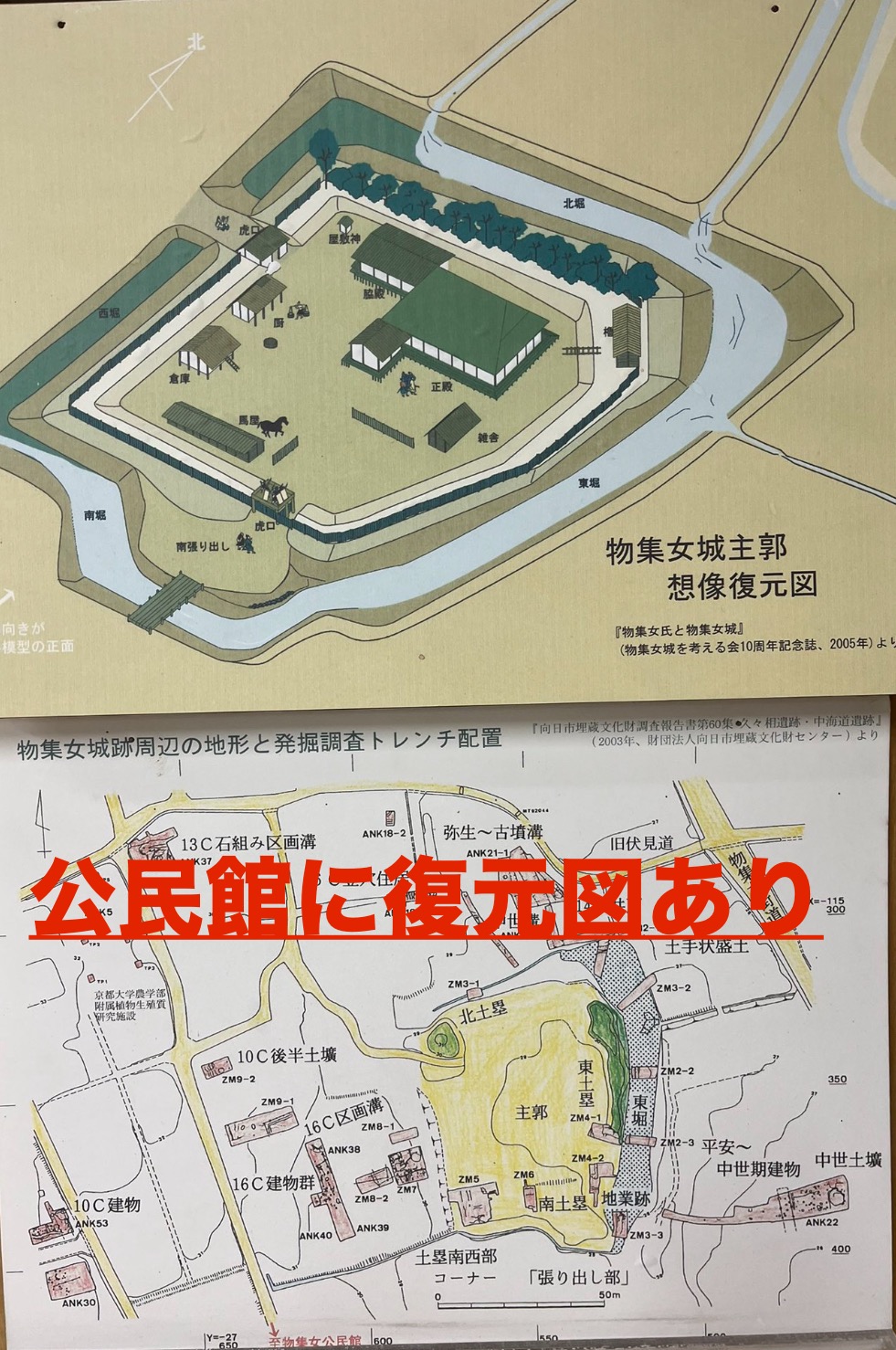
Tanba Nakamura Castle retains typical remains of a Sengoku period mountain castle in excellent condition. The main remains include the following:
Ridge-shaped Dry Moat Group: The most distinctive feature of Nakamura Castle is its defensive structure called the ridge-shaped dry moat group. These are multiple moats dug along the contour lines of the slope, effectively preventing enemy intrusion and restricting the movement of enemy soldiers climbing the slope. Ridge-shaped dry moats are a characteristic defensive structure of mountain castles from the late Sengoku period and are frequently found in castles in the Tanba region. Earthworks: Earthworks were built around the castle grounds and the edges of the baileys. These earthworks were defensive walls constructed by piling up earth, protecting against enemy arrows and bullets, and also obscuring the view of the castle from the outside.
Baileys (Enclosures): Multiple flat areas (enclosures) were constructed, mainly around the mountaintop. These were used as troop encampments, command posts, and storage areas for supplies. A tiered arrangement of baileys can be seen, centered around the main enclosure.
Well Remains: Well remains are also found within the castle grounds. Securing water was a critical issue for mountain castles, and the presence of wells indicates that it was a full-fledged castle designed for siege warfare.
Characteristics as a Mountain Castle
Nakamura Castle is a typical mountain castle, possessing characteristics that differ from flatland castles and hill castles. It maximizes the use of its steep terrain, with a relative elevation of 215 meters, and is designed to reinforce natural fortifications with artificial defensive structures.
While mountain castles were inconvenient for peacetime residence, their defensive capabilities in wartime were extremely high, allowing a small force to repel a large enemy. Nakamura Castle is also thought to have functioned as a refuge and defensive base during times of conflict.
Castle Network in the Tanba Region
Relationship with Surrounding Castle Ruins
Several castle ruins other than Nakamura Castle have been identified in the Miyama-cho area, and these are thought to have formed a interconnected castle network.
Tono Castle Ruins: Located in Tono, Miyama-cho, it is one of the castle groups along the Tanano River. Situated west of Nakamura Castle, it played a role in monitoring the riverside transportation routes.
Inui Castle Ruins: Located in Tana, Miyama-cho, it is presumed to have worked in conjunction with Nakamura Castle for regional defense.
Imamiya Castle Ruins: Located in Imamiya, Miyama-cho, it was part of the castle network along the Tanano River.
These castle ruins are all located along the Tanano River, suggesting they served to monitor and defend river routes and mountain roads. During the Sengoku period, such small castles worked together to form a comprehensive regional defense system in the Tanba region.
The Position of Nakamura Castle in Tanba Province
Tanba Province, encompassing the area from central Kyoto Prefecture to eastern Hyogo Prefecture, was considered a crucial transportation hub connecting Kyoto and the San’in region. Before Akechi Mitsuhide’s conquest of Tanba, powerful local lords such as the Hatano and Akai clans held sway, resulting in a complex power dynamic.
Nakamura Castle is located in the northern part of Tanba Province, within the Miyama-cho area, and was positioned to monitor roads leading to Wakasa Province and the San’in region. Given this geographical location, it’s possible that it was a castle built by a small local lord to protect their territory, or that it functioned as a regional defense base under the control of a larger power.
Current Status and Access to Tanba Nakamura Castle
Current Preservation Status
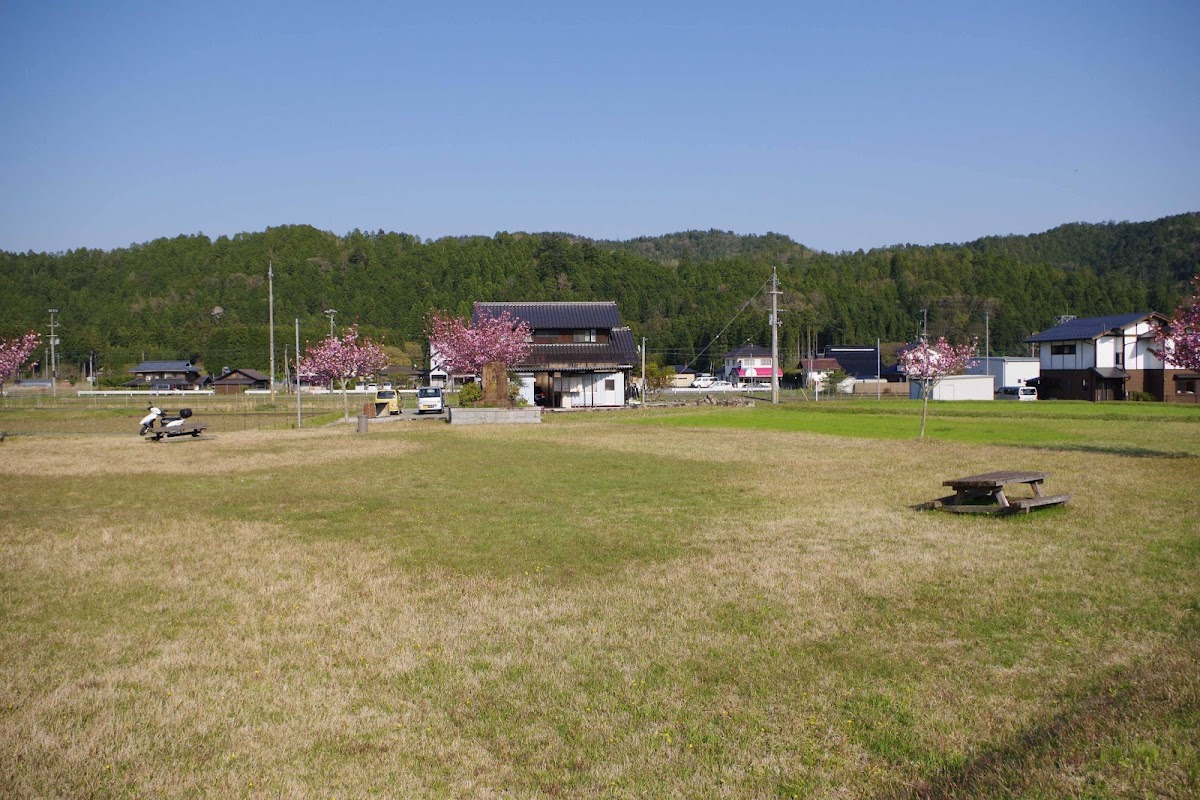
Tanba Nakamura Castle ruins are located in the mountains of Shizuhara, Miyama-cho, Nantan City. The remains, including a series of dry moats, earthworks, baileys, and well sites, are relatively well-preserved. Even though the area is now forested, it is a valuable historical site where the layout of the castle from the Sengoku period can be traced.
The castle ruins are positioned as an important regional resource in the Nantan City Miyama Ecotourism Promotion Overall Plan, and their value as a historical and cultural heritage site is recognized. However, since it is a mountain castle, preparation for hiking is necessary for a visit, and it is important to note that it is not a well-maintained tourist facility.
Access Method
To access Nakamura Castle ruins, head towards the Shizuhara area of Miyama-cho, Nantan City. From the center of Miyama-cho, head north along the road beside the Tanano River to reach the Shizuhara area. Since the castle ruins are located on a mountain 290 meters above sea level, a walking approach using a hiking trail is necessary.
The most common route to Miyama Town from Kyoto City is via National Route 162 (Shuzan Kaido), heading north. If using public transportation, you will need to take a Nantan City bus from either Hiyoshi Station or Sonobe Station on the JR San’in Main Line. However, access to the Shizuhara area is limited, so prior confirmation is necessary.
Points to Note When Visiting
Please note the following points when visiting the Nakamura Castle Ruins:
- As it is a mountain castle, appropriate clothing and shoes for mountain climbing are necessary.
- Since some paths are unclear, carrying a map or GPS is recommended.
- Please act carefully to avoid damaging the ruins.
- Insect repellent is necessary in summer, and warm clothing is necessary in winter.
- Avoid visiting alone; it is preferable to visit in a group.
- Please be considerate of local residents and avoid trespassing on private property.
Historical Background and Culture of Miyama Town
Ancient to Medieval Periods in the Miyama Town Area
Besides Nakamura Castle, the Miyama town area contains numerous ruins dating from ancient to medieval times. Stone Age artifacts, as well as the Kofun period tombs such as Fukiyama Kofun, Shima Kofun, and Kamigasaki Kofun, have been confirmed, indicating that people have lived in this area since ancient times.
In the medieval period, this region, as part of Tanba Province, formed its own unique community while being strongly influenced by Kyoto. Due to its mountainous geographical location, agriculture, forestry, and hunting were important livelihoods, and the production and trade of local specialties also took place.
Miyama Town during the Sengoku Period
During the Sengoku period, Miyama Town was located in the northern part of Tanba Province, near the borders of Wakasa and Tango Provinces. Because of this, it was susceptible to the influence of multiple powers, and the local minor lords were in a complex relationship, sometimes forming alliances and sometimes clashing with each other in their struggle for survival.
The castles along the Tanano River, including Nakamura Castle, were built and functioned within this tense Sengoku period. With Akechi Mitsuhide’s conquest of Tanba, this region came under the control of the Oda regime, and was subsequently incorporated into the unified government that continued through to the Toyotomi regime and the Edo Shogunate.
Miyama Town in the Early Modern Period
In the Edo period, Miyama Town came under the control of the Sonobe Domain. With the end of the warring states period, Nakamura Castle, as a mountain castle, was abandoned and gradually forgotten in the peaceful times.
In the modern era, Miyama Town developed as a mountain village with forestry and agriculture as its main industries. Today, it is known as “Kayabuki no Sato” (Thatched-roof Village), where thatched-roof houses remain, and attracts many tourists as a region that preserves the original landscape of Japan.
Historical Value of Tanba Nakamura Castle
Significance in the Study of Sengoku Period Mountain Castles
Tanba Nakamura Castle retains the typical characteristics of a Sengoku period mountain castle in excellent condition, making it an important historical site in castle research. In particular, the ridged dry moat system is a valuable relic demonstrating the defensive techniques of the late Sengoku period, providing important clues for understanding the castle construction techniques and tactics of the time.
Mountain castles, compared to flatland castles and flatland-mountain castles, are more likely to escape destruction due to later development and often retain their original appearance relatively well. Nakamura Castle, too, has been protected from destruction due to its location in a mountainous forest.
Importance in Local History
Nakamura Castle is an important historical site that tells the story of the Sengoku period history of the Miyama town area. Along with the surrounding castles such as Tonojo, Inuijo, and Imamiyajo, it provides clues to understanding the defensive system this region had and how the local community was organized.
Learning about local history and understanding the lives and hardships of our ancestors is important for shaping our identity as people living today. Castle ruins in the region, like Nakamurajo, have value as places for such historical education.
Comparison with other castles in the Tanba region
Differences from Nakamurajo in Kyotamba Town
It’s important to note that there are multiple “Nakamurajo” castles in Kyoto Prefecture. There is also “Takaoka Nakamurajo” in Takaoka, Kyotamba Town, which is a mountain castle at an altitude of 289 meters, with a relative height of approximately 70 meters. It is a different castle from Nakamurajo in Shizuhara, Miyama Town, so care should be taken not to confuse them.
Takaoka Nakamurajo, with a relative height of 70 meters, is located in a more accessible location than Nakamurajo in Miyama Town (relative height of 215 meters). Although both castles share the name “Nakamura Castle,” they differ in their construction period, size, and the nature of their remains.
Representative Castles of the Tanba Region
Besides Nakamura Castle, many other important castles exist in the Tanba region.
Yagami Castle: The base of the Hatano clan, located in Tanba-Sasayama City, and the site of the largest battle during Akechi Mitsuhide’s conquest of Tanba.
Kuroi Castle: The residence of the Akai clan, located in Kasuga-cho, Tanba City, and known as the castle where Akai Naomasa, feared as the “Red Demon of Tanba,” repelled Akechi Mitsuhide.
Kameyama Castle: A castle located in Kameoka City, built by Akechi Mitsuhide after his conquest of Tanba. Currently, the headquarters of the Omoto-kyo religion is located there.
Compared to these large-scale castles, Nakamura Castle is positioned as a small, regional mountain castle, but it played an important role in regional defense.
Significance of Visiting Tanba Nakamura Castle
Experiencing Historical Romance
Visiting the ruins of Nakamura Castle offers a valuable experience of feeling the historical romance of the Sengoku period firsthand. Standing on the 290-meter-high mountaintop, imagining what the people of that time watched over from this place and what their thoughts were as they defended the castle deepens your understanding of history.
Seeing the remains such as the ridged dry moats and earthworks in person allows you to feel the real history that cannot be obtained from textbooks or documents alone.
Enjoying the Nature and Culture of Miyama Town
Visiting the ruins of Nakamura Castle is also an opportunity to enjoy the rich nature of Miyama Town. Through mountain climbing, you can enjoy the beautiful scenery of the four seasons, the clear flow of the Tanano River, and the mountain air.
Furthermore, Miyama Town retains traditional rural landscapes, including the “thatched-roof village,” allowing you to experience the original landscape of Japan in conjunction with your visit to the castle ruins. Experiencing local food culture and crafts provides a comprehensive cultural experience.
Contribution to the Preservation of Local History
Visiting castle ruins and recognizing their value is crucial for preserving local historical heritage. Increased visitor numbers will raise awareness among local residents and the government, leading to consideration of appropriate preservation and utilization measures.
However, it is essential to exercise extreme caution to avoid damaging the remains and to observe proper etiquette during visits. Responsible behavior is required to pass on this valuable historical heritage to future generations.
Summary
Tanba Nakamura Castle, located in Shizuhara, Miyama-cho, Nantan City, Kyoto Prefecture, is a Sengoku period mountain castle built on a mountain 290 meters above sea level. It is believed to have been constructed during the Genki era (1570-1573), playing a vital role in regional defense during the tense period immediately preceding Akechi Mitsuhide’s full-scale conquest of Tanba.
The remains, including ridged dry moats, earthworks, baileys, and well sites, are well-preserved, making it a valuable historical site that conveys the characteristics of a Sengoku period mountain castle. Along with the surrounding castles such as Tonojo, Inuijo, and Imamiyajo, Nakamura Castle is believed to have formed a network of castles along the Tananogawa River, creating a comprehensive defense system for the region.
Currently, Nakamura Castle ruins are located in a mountainous area, requiring preparation for hiking to visit. However, for history enthusiasts and castle fans, it is a fascinating spot where one can feel the spirit of the Sengoku period. Along with the rich nature and traditional culture of Miyama Town, it is an important historical site that should be passed down to future generations as part of the region’s historical heritage.
Learning about the history of the Tanba region and tracing the footsteps of our ancestors is a valuable opportunity to deepen our cultural identity and cultivate an understanding of and affection for the region. Nakamura Castle ruins are a place worth visiting as a starting point for such historical exploration.