A Complete Guide to the History and Highlights of Suchi Castle | The Charm of Akechi Mitsuhide’s Invasion of Tanba and the Stone Wall Remains
What is Suchi Castle?
Suchi Castle (Shūchi-jō) was a medieval mountain castle located in Mori, Suchi-shi, Kyōtanba-chō, Funai-gun, Kyoto Prefecture. Situated on the summit of Shiroyama Mountain at an altitude of 384 meters, it was built utilizing the steep terrain with a relative height of approximately 190 meters. This castle is known as the residence of the Suchi clan, a powerful local family in the Tanba region, and functioned as an important political and military center of Tanba from the Nanboku-chō period to the Sengoku period.
The most notable features of Suchi Castle are its role as the site of Akechi Mitsuhide’s invasion of Tanba and the well-preserved remains such as stone walls and moats. In particular, the approximately 4-meter-high rough-hewn stone wall remaining on the eastern side of the main enclosure boasts the largest scale among mountain castles in the Tanba region and is highly regarded by castle enthusiasts and history buffs.
History of Suchi Castle
The Suchi Clan and Castle Construction During the Nanboku-cho Period
Suchi Castle is said to have been built by the Suchi clan during the Nanboku-cho period. The Suchi clan, as a powerful local lord in Tanba Province, wielded significant influence in the region. During the turbulent Nanboku-cho period, they sided with the Southern Court and were frequently attacked by the Northern Court.
In 1352 (Kanno 3/Shohei 7), Suchi Castle fell to the forces of Nakatsugawa Kojiro Hideie, who served under Ogino Tomotada, the deputy governor of Tanba Province. During this period, Suchi Castle, while being tossed about by the great tide of the Nanboku-cho conflict, maintained its position as the Suchi clan’s base.
The Turmoil of the Muromachi Period and the Suchi Clan’s Resistance
Even into the Muromachi period, the Suchi clan continued to maintain its independent power in Tanba. In 1489 (Entoku 1), powerful local lords such as the Suchi, Ogino, and Kuge clans staged an uprising and barricaded themselves in Suchi Castle, but it fell. However, the Suchi clan’s resistance continued relentlessly, as they again divided into two groups and defended themselves in Ita Castle and Suchi Castle in the following year, Entoku 2.
During this period, Suchi Castle played an important role as a base of resistance for local lords against the central government. It is believed that the castle’s structure was also renovated and strengthened over time, enhancing its defensive capabilities as a mountain castle.
Akechi Mitsuhide’s Invasion of Tanba and the Fall of Suchi Castle
The most important turning point in the history of Suchi Castle was Akechi Mitsuhide’s invasion of Tanba, which began in 1576 (Tensho 4). Akechi Mitsuhide, acting on orders from Oda Nobunaga, began military operations with the aim of pacifying Tanba.
Initially, the Suchi clan participated on the Oda side, cooperating with Akechi Mitsuhide’s invasion of Tanba. However, due to a defection along the way, the castle was attacked by Mitsuhide’s forces. In 1579, Suchi Castle was attacked and fell to Akechi Mitsuhide, and the Suchi clan was destroyed.
With this fall, Suchi Castle, which the Suchi clan had defended for generations, fell into the hands of the Akechi clan and was used as a base for their control of Tanba Province. The stone walls seen in the western baileys are thought to be traces of renovations by Akechi Mitsuhide, indicating that the castle’s military functions were further strengthened.
Akechi Clan Rule and the Castle’s Transformation
Akechi Mitsuhide, who acquired Suchi Castle, positioned it as an important base for his control of Tanba Province. Located at the southern end of the Tanba Mizuho Basin, Suchi Castle was situated in a location with a good view as the entrance to Kyotanba, making it highly valuable both militarily and as a transportation hub.
It is believed that the construction of stone walls, in particular, was advanced during Akechi Mitsuhide’s renovations. The stone walls and ramparts found in the main and secondary enclosures consist of four obtusely curved sides, constructed in a distinctive manner by building them sequentially from the southernmost side. This technique is important evidence of Akechi Mitsuhide’s castle-building skills.
However, the history of Suchi Castle changed dramatically after Akechi Mitsuhide was killed in the Honnoji Incident of 1582. Although many details after that are unknown, it is believed that the castle was abandoned under the Toyotomi regime.
Structure and Layout of Suchi Castle
Overall Layout and Use of Topography
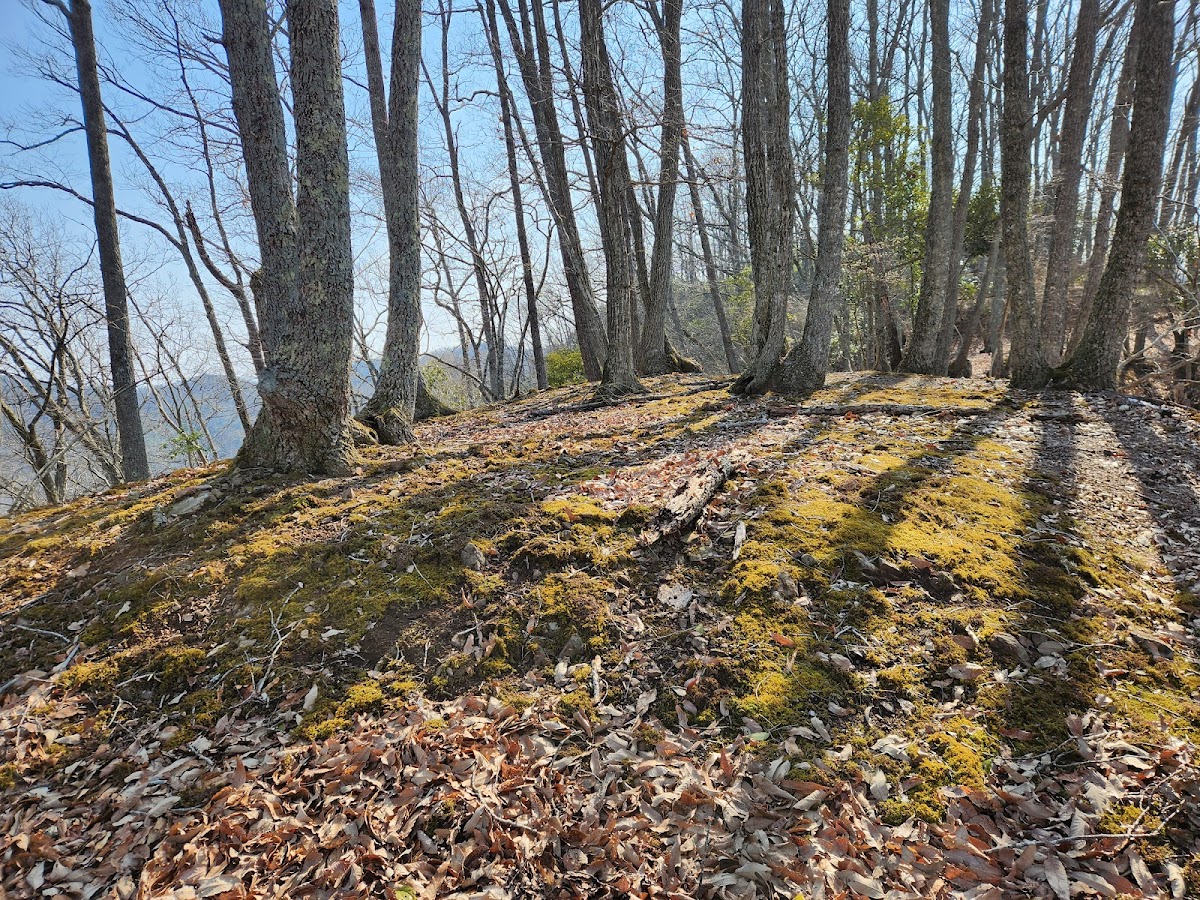
Suchi Castle is built on a hill 385 meters above sea level jutting out from the east bank of the Suchi River. It is a typical mountain castle utilizing a hill extending northwest, separated from the north and south by deep valleys, with an overall size of approximately 300 meters from east to west.
The structure features terraced enclosures arranged along the east-west ridge, creating a defensive system that skillfully utilizes the natural terrain. Climbing approximately 200 meters up the stream to the left of Kototaki Falls will lead you to a ridge running east-west. Following this ridge to the left will take you to the first enclosure.
Structure of the Main and Secondary Enclosures
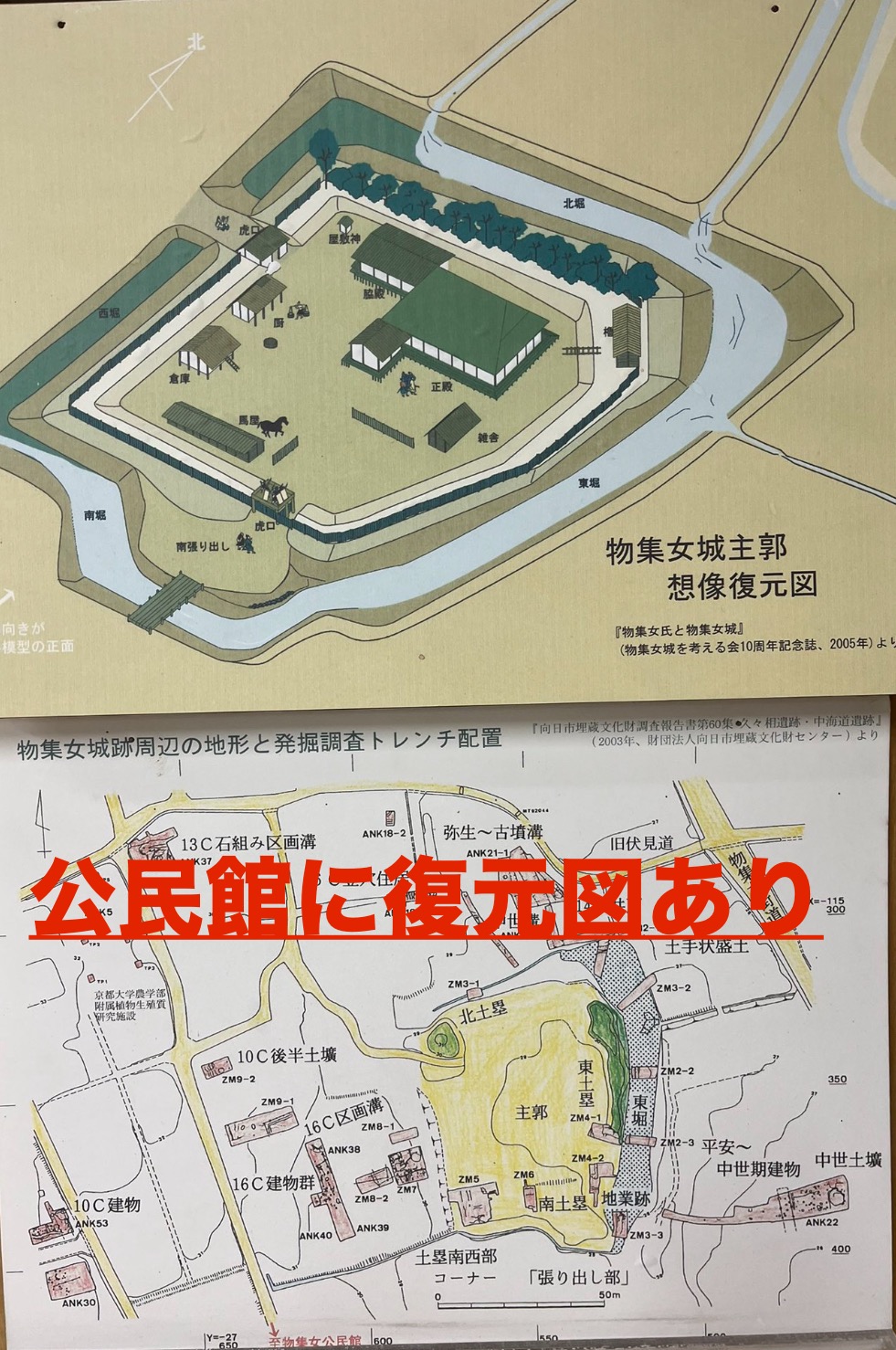
The central part of Suchi Castle consists of the main enclosure (Enclosure I) and the secondary enclosure (Enclosure II). Both enclosures utilize stone walls and ramparts, and the stone wall below the east side of the main enclosure is particularly impressive, with its rough, unrefined stonework and impressive height.
The entrances to the secondary and main enclosures are staggered and square-shaped, creating a highly technical defensive structure. This design, which makes enemy intrusion difficult, demonstrates the high level of castle construction technology during the Sengoku period. From the main enclosure, one can enjoy a panoramic view of the Tanba Mizuho Basin, making it a well-suited location for military surveillance.
Features of the Stone Walls and Construction Techniques
The greatest highlight of Suchi Castle is the high stone wall remaining on the east side of the main enclosure. Built with roughly the size of a human head, it is constructed using the unrefined stonework method and reaches a height of approximately 4 meters. This towering stone wall is the largest of its kind among castles in the Tanba region and is believed to have been constructed during renovations by Akechi Mitsuhide.
The stone wall consists of four obtusely angled sections, built in a distinctive manner by constructing them sequentially from the southernmost section. This technique demonstrates the most advanced castle-building technology of the time and illustrates how highly Akechi Mitsuhide valued Suchi Castle in his control of Tanba.
Despite being an ancient style of stone wall construction, its structure is meticulously calculated, maximizing the advantages of its location on a steep mountaintop.
Moats and Defensive Structures
In addition to the stone wall, Suchi Castle boasts well-preserved remains such as moats. Moats are important defensive structures that cut across ridges to hinder enemy advances, and multiple moats have been identified at Suchi Castle.
These moats, combined with the natural terrain, form a more effective defensive line. It is believed that this defensive system, utilizing the unique terrain of a mountain castle, was gradually strengthened from the time of the Suchi clan through the renovations by Akechi Mitsuhide. ### Arrangement of the Enclosures
Besides the main and secondary enclosures, Suchi Castle has several other enclosures arranged in a stepped pattern. The western group of enclosures is constructed of stone walls and is presumed to have been renovated by Akechi Mitsuhide.
These enclosures were used not only for defense but also as spaces to house facilities necessary to maintain the castle’s functions, such as troop garrisons and storage of supplies. The connecting routes between the enclosures were also systematically arranged, demonstrating ingenuity in balancing efficient movement within the castle with defensive efficiency.
Highlights and Remains of Suchi Castle
High Stone Wall on the East Side of the Main Enclosure
A must-see when visiting Suchi Castle is the high stone wall on the east side of the main enclosure. Boasting a height of approximately 4 meters, this rough-hewn stone wall is one of the largest of its kind among mountain castles in the Tanba region, and its sheer scale is overwhelming.
The rough, untamed stonework, skillfully constructed using large, human-sized natural stones, is an ancient technique predating the development of modern stonework. Its raw, untamed appearance conveys the atmosphere of a Sengoku period castle. Standing before the stone walls, one feels as if they’ve traveled back in time to the era of Akechi Mitsuhide.
Defensive Structure of the Entrance
The entrances (gateways) to the secondary and main enclosures feature sophisticated defensive structures, including staggered and square-shaped layouts. Designed to prevent direct enemy advances and allow attacks from multiple directions, these entrances represent the pinnacle of Sengoku period castle construction technology.
Observing the structure of these entrances allows one to imagine the defensive strategies of the time and the nature of battles. This is a must-see point for anyone interested in castle architecture.
Moats and Earthworks
Suchi Castle retains several moats, clearly demonstrating the defensive lines that divided the ridge to prevent enemy intrusion. The depth and width of the moats reveal the fierce defensive efforts of the time. Furthermore, earthworks remain in various places, indicating the construction of a multi-layered defensive system combined with stone walls. These remains demonstrate that Suchi Castle was not merely a residence, but a full-fledged military base.
Views and Location
Located on a mountaintop 384 meters above sea level, Suchi Castle offers a panoramic view of the Tamba Mizuho Basin. Built in a location with excellent views as the gateway to Kyotamba, Suchi Castle was ideally situated to function as a military surveillance base.
On a clear day, you can see the surrounding mountains and settlements, giving you a real sense of why the castle was built in this location. Enjoying the view while imagining what the castle lords of the Sengoku period saw from this spot is one of the joys of visiting castles.
Access and Visiting Guide to Suchi Castle
Access Method
The nearest access point to Suchi Castle is the Tamba Interchange on the Kyoto Jukan Expressway. Suchi Castle is built on a mountain ridge rising south of the Tanba Interchange.
If accessing by car, parking space around the castle ruins is limited, so it’s best to use the parking area below Tamazoji Temple (Gyokuunji Temple) on the opposite bank to the south. You will need to park your car here and then hike up to the castle.
If using public transportation, you will need to take a taxi from the nearest JR San’in Main Line station or check the bus schedule. However, since the number of services is limited, it is recommended to check the timetable in advance.
Ascent Route
A walking trail is maintained to Suchi Castle ruins. Climbing approximately 200 meters up the stream to the left of Kototaki Waterfall will lead you to a ridge running east-west. Following this ridge to the left will lead you to the first enclosure.
The climb takes approximately 30 to 40 minutes one way. Since you will be climbing a steep mountain path with an elevation difference of approximately 190 meters, comfortable clothing and non-slip shoes are essential. Please be especially careful after rain, as the ground can become slippery.
While the walking trails are well-maintained, as it is a mountain castle, those who are not confident in their physical fitness or the elderly should not overexert themselves and should climb at their own pace. Don’t forget to bring water for hydration.
Points to Note When Visiting
Since Suchi Castle is a mountain castle, please pay attention to the following points when visiting:
- Clothing: Wear clothing suitable for mountain hiking, such as long-sleeved shirts, long pants, and trekking shoes.
- Items to Bring: Drinking water, towel, insect repellent (summer), rain gear.
- Time: Allow ample time to descend before sunset.
- Season: Extra caution is needed in winter due to the possibility of snow and ice.
- Solo Visit: Visiting in groups is preferable if possible.
While there are information boards within the castle grounds, please be careful not to climb or touch the stone walls to protect the remains.
Descent Route
The basic descent route is the same as the ascent. The descent is more slippery than the ascent, so extra caution is needed. Be especially careful around the stone walls and moats, as some areas have unstable footing.
After descending, a visit to Tamazoji Temple is recommended. This temple has strong ties to Suchi Castle, offering a deeper understanding of the castle’s history.
Castle Stamp and Tourist Information
How to Obtain a Castle Stamp
The Suchi Castle stamp is issued as part of the “Forest of Kyoto” castle stamp pilgrimage. Since the stamp cannot be obtained at the castle site, you need to check the distribution locations in advance.
It is often available at tourist information centers and designated facilities within Kyotamba Town, so it is recommended to check the latest information on the Kyotamba Town tourist information website or the “Forest of Kyoto” official website before visiting.
The castle stamp contains information about the history and features of Suchi Castle and is popular as a souvenir of the visit and as a collector’s item for castle tours.
Nearby Tourist Attractions
When visiting Suchi Castle, exploring the surrounding tourist attractions will make your trip even more fulfilling.
Kototaki Waterfall: A beautiful waterfall located near the entrance to Suchi Castle, now developed as “Kototaki Park.” It was named after the sound of the waterfall, which resembles the sound of a koto (Japanese harp).
Gyokuzoji Temple: A temple closely associated with Suchi Castle, with parking available. Visitors can enjoy historical buildings and gardens.
Other Castle Ruins in Kyotamba Town: Other mountain castles, such as Ueno Castle, Ijiri Castle, and Ideno Castle, are scattered throughout the area. If you have time, visiting these castle ruins would also be interesting.
Best Season to Visit
Suchi Castle has different charms in each of the four seasons.
Spring (March-May): The fresh greenery is beautiful, and the weather is mild, making it the perfect season to visit the castle.
Summer (June-August): The greenery is lush and the views are excellent, but you need to be prepared for the heat and insects.
Autumn (September-November): The autumn foliage is beautiful, and the weather is stable, making it the most popular season for visitors.
Winter (December-February): There is a possibility of snow and ice, so it is for experienced hikers. However, the air is clear and the views are superb.
The Relationship Between Suchi Castle and Akechi Mitsuhide
The Role of Suchi Castle in the Tanba Invasion
For Akechi Mitsuhide, capturing Suchi Castle was one of the important strategic objectives in pacifying Tanba. Located at the southern end of the Tanba Mizuho Basin, Suchi Castle, which controlled the entrance from the Kyoto area, held extremely important value as a base for controlling Tanba.
In the Tanba invasion that began in 1576, Akechi Mitsuhide proceeded with the capture of Suchi Castle, along with other major strongholds such as Yagami Castle and Kuroi Castle. Initially, the Suchi clan cooperated with the Oda clan, so Suchi Castle may have functioned as a forward base for Akechi Mitsuhide’s invasion of Tanba.
The Suchi Clan’s Defection and the Siege
However, the Suchi clan defected from the Oda clan midway through. There are various theories regarding the reason for this defection, but it is believed that their desire to maintain their independence as a local lord and their cooperation with other Tanba lords were contributing factors.
Due to the Suchi clan’s defection, Akechi Mitsuhide was forced to attack Suchi Castle. Although many details of the siege in 1579 remain unclear, Suchi Castle ultimately fell, and the Suchi clan was destroyed. This battle allowed Akechi Mitsuhide to secure an important stronghold in Tanba.
Akechi Mitsuhide’s Renovation of the Castle
After acquiring Suchi Castle, Akechi Mitsuhide is believed to have carried out extensive renovations to use it as a base for his control of Tanba. In particular, the stone walls of the western baileys and the high stone walls on the eastern side of the main enclosure are believed to be traces of renovations by Akechi Mitsuhide.
Akechi Mitsuhide is known as a warlord with excellent castle-building skills, and he built castles that were pioneers of early modern castles using stone walls in various locations, such as Sakamoto Castle and Fukuchiyama Castle. The stone walls of Suchi Castle are also attracting attention from castle researchers as an important remains that demonstrate Akechi Mitsuhide’s castle-building techniques.
The technical features seen in Suchi Castle, such as the construction methods of the stone walls and the design of the gates, have been pointed out as having commonalities with other castles that Akechi Mitsuhide was involved with, and are important clues to understanding Akechi Mitsuhide’s strategy for controlling Tanba Province.
Cultural Value of Suchi Castle
Kyoto Prefecture Designated Cultural Property
Suchi Castle ruins are located on a steep mountaintop and are protected by the Kyoto Prefectural Board of Education’s Cultural Properties Protection Division as an important castle ruin with ancient-style stone walls in the center. This castle site utilizes stone walls and ramparts in its first and second enclosures, and its structure and construction techniques are highly regarded academically.
In particular, the stone walls consist of four obtuse-angled bends, and the distinctive construction method, starting from the southernmost side, makes it a valuable resource for studying castle construction techniques of the Sengoku period.
Importance in Castle Research
Suchi Castle occupies an important position in castle research as a typical example of a mountain castle in the Tanba region and as a site demonstrating the construction techniques of Akechi Mitsuhide.
Its history, from a local lord’s residence to a military base under the Oda regime, is a good example of the realities of regional control during the transition from the Sengoku period to the Oda-Toyotomi regime. Furthermore, the construction techniques of the stone walls and the characteristics of the layout convey aspects of the transitional period from medieval mountain castles to early modern castles.
Preservation Status and Future Challenges
While the remains of Suchi Castle are relatively well preserved, as a mountain castle, there is always a risk of natural weathering and collapse. Signs of collapse are visible in parts of the stone walls, necessitating continuous preservation and management.
Going forward, the challenge lies in deepening academic research through detailed surveys and archaeological excavations of the remains, while balancing their use as a tourist resource with their preservation. Cooperation among local residents, government officials, and researchers is needed to pass on this valuable cultural asset to future generations.
Fun Facts to Enjoy Suchi Castle 100 Times More
Who were the Suchi Clan?
The Suchi clan were influential local lords of Tanba Province, holding power in this region from the Nanboku-cho period to the Sengoku period. While many details of their lineage remain unclear, the fact that they used the place name Suchi as their surname suggests they were a family deeply rooted in this area since ancient times.
Because the Suchi clan sided with the Southern Court, they maintained their power throughout the Muromachi period despite frequent attacks from the Northern Court. Their cooperation with other Tanba local lords, such as the Ogino and Kuge clans, in resisting the central government demonstrates their unique political influence within the region.
Overview of the Tanba Invasion
Akechi Mitsuhide’s invasion of Tanba Province, conducted from 1575 to 1579, was part of Oda Nobunaga’s unification of Japan. Tanba, while close to Kyoto, was divided among numerous independent local lords, making its pacification difficult.
Akechi Mitsuhide successively conquered powerful local lords such as the Hatano clan of Yagami Castle and the Akai clan of Kuroi Castle, ultimately pacifying Tanba. The capture of Suchi Castle was part of this series of operations and a crucial step toward the completion of the Tanba pacification.
What is Nozurazumi?
Nozurazumi, as seen in the stone walls of Suchi Castle, is a stone-laying technique where natural stones are stacked with minimal processing. It is an ancient method predating the development of processing technology and is commonly found in castles of the Sengoku period.
The rough-hewn stone wall construction method, with its numerous gaps between stones, may appear unstable at first glance. However, these gaps serve a drainage function, providing long-term stability. The rough-hewn stone walls of Suchi Castle remain intact even after more than 400 years, demonstrating the high level of stonemasonry skill of the time.
The Charm of Mountain Castles
Mountain castles like Suchi Castle possess a unique charm distinct from castles on flatlands. Visitors can enjoy features unique to mountain castles, such as defensive systems utilizing steep terrain, layouts integrated with nature, and views from the mountaintop.
Furthermore, visiting mountain castles offers multifaceted enjoyment beyond mere historical learning, including light hiking for exercise and nature observation. Among castle enthusiasts, mountain castle tours are sometimes referred to as “castle sieges,” and the sense of accomplishment is a major reason for their popularity.
Summary
Suchi Castle is a valuable mountain castle that conveys the history of Tanba from the Nanboku-cho period to the Sengoku period. Built as the residence of the Suchi clan, it fell during Akechi Mitsuhide’s invasion of Tanba Province, and subsequently served as a base for the Akechi clan’s rule of Tanba. Its history is a prime example of the realities of regional control during the Sengoku period (Warring States period).
The remains, including the high stone walls on the eastern side of the main enclosure, are well-preserved. The castle boasts numerous points of interest, such as the largest stone walls in the Tanba region and the unique staggered and square-shaped entrance gates. The stone walls, showing traces of renovations by Akechi Mitsuhide, are also highly valuable from the perspective of castle construction techniques.
Climbing to the 384-meter-high summit requires physical exertion, but the views and the joy of experiencing a Sengoku-era castle more than compensate for the effort. Castle stamps are also issued, making it a popular souvenir for castle enthusiasts.
Located easily accessible from the Tanba Interchange on the Kyoto Expressway, and with nearby tourist attractions such as Kototaki Waterfall and Tamazoji Temple, it offers a fulfilling trip combining historical exploration and nature observation.
By visiting Suchi Castle, you can actually walk the site of the historical event of Akechi Mitsuhide’s invasion of Tanba, experience the castle construction techniques of the Sengoku period, and feel the history and culture of Tanba. It is a fascinating mountain castle that is recommended not only for castle enthusiasts but also for history buffs and hiking lovers.