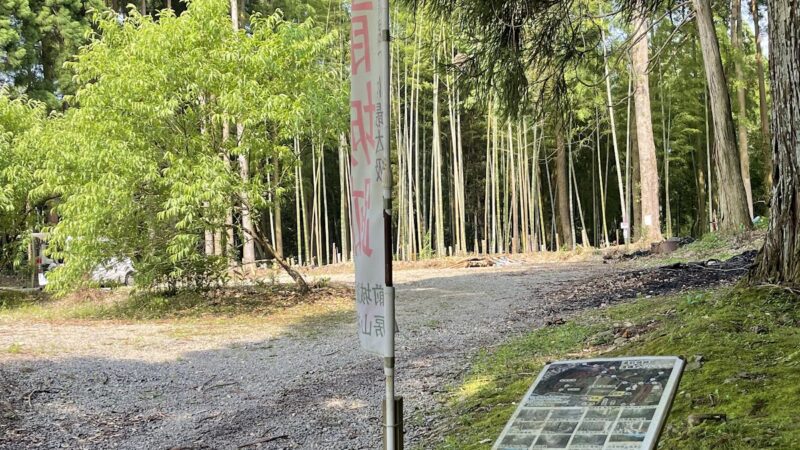
Uto Castle (Kumamoto Prefecture) Complete Guide: The Uto Clan’s Residence Built at a Key Point in Higo Province During the Middle Ages
Located in Uto City, Kumamoto Prefecture, Uto Castle is a mountain castle built by the Uto clan as an important base in Higo Province during the medieval period. Currently, it is maintained as a nationally designated historical site, “Uto Castle Ruins,” preserving valuable remains that convey the characteristics of a medieval castle. This article comprehensively explains everything a castle enthusiast and history fan would want to know, from the history and structure of Uto Castle to its highlights and access methods.
What is Uto Castle?: Differences Between Medieval and Early Modern Uto Castle
There are two castles called “Uto Castle” in Uto City. To avoid confusion, let’s first clarify the differences between the two.
Uto Castle (Medieval Uto Castle) is a medieval mountain castle built on a hill on the Nishioka Plateau, and was the residence of the Uto and Nawa clans. Located on a hill approximately 40 meters above sea level and 39 meters above ground, the castle consists of two main enclosures: “Senjojiki” on the east side and “Sanjo” on the west side.
On the other hand, the modern Uto Castle is a flatland castle newly built by Konishi Yukinaga during the Tensho era (1573-1592) on Shiroyama, a hill east of the old Uto Castle. It was constructed as a more modern castle when Konishi Yukinaga became the lord of southern Higo Province.
This article focuses on the older “old Uto Castle,” or medieval Uto Castle. Currently, the old Uto Castle is located north of Nishioka Shrine and is a popular historical park, “Uto Castle Ruins Historic Site,” enjoyed by local residents.
History of Uto Castle: From the Uto Clan to the Nawa Clan
Construction and Development by the Uto Clan
The exact construction period of Uto Castle is not precisely known, but it is believed to have been built by the Uto clan, who ruled this area from the late Heian period to the Kamakura period. The Uto clan established their control over this region as a powerful local clan in Higo Province.
Records indicate that the Uto clan already held power in this area during the Eisho era (1046-1053), and throughout the medieval period, Uto Castle functioned as an important base in Higo Province. The castle’s location was a strategic point facing the Ariake Sea, allowing control of both maritime and land transportation.
The Era of the Nawa Clan and the Battle of Toyofuku Castle
During the Nanboku-cho period, Nawa Akimasa, a relative of Nawa Nagatoshi who served Emperor Go-Daigo, was adopted into the Uto clan and succeeded to the Uto family. Nawa Akimasa, also known as Uto Tamemitsu, ruled this area.
During this period, the Uto clan (Nawa clan), based at Uto Old Castle, engaged in fierce battles over the neighboring Toyofuku Castle. This battle for Toyofuku Castle was a protracted conflict spanning nine separate battles, becoming a symbolic battle of the Nanboku-cho period in Higo Province.
From the Sengoku Period to the Abandonment of the Castle
Throughout the Sengoku period, the Uto clan maintained its power as a prominent local lord in Higo Province. However, after Toyotomi Hideyoshi’s conquest of Kyushu in 1587, the arrangement of lords in Higo Province changed dramatically.
In 1588, Konishi Yukinaga, known as a Christian daimyo, became the lord of southern Higo and entered Uto. He constructed a new modern castle (Early Modern Uto Castle) on Shiroyama, east of Uto Old Castle. As a result, Uto Castle, with its medieval structure, was abandoned and its role came to an end.
Structure and Layout of Uto Castle
Senjojiki and Sanjo: Two Main Enclosures
Uto Castle is a mountain castle of the Renka style, composed of two main enclosures: “Senjojiki” on the east side and “Sanjo” on the west side.
Senjojiki, as its name suggests, is an enclosure with a vast flat area and is thought to have played a central role in the castle. Even today, a large flat area remains, allowing us to imagine the former building layout. Archaeological excavations have confirmed the foundation stones and post holes of buildings, revealing that important facilities such as the main hall and warehouses were located there.
Sanjo is an enclosure located west of Senjojiki, and although somewhat smaller, it is presumed to have played a defensive role. A moat was constructed between the two enclosures, functioning as an independent defensive unit.
Discovery of the First Unfinished Dry Moat in Japan
In November 1999, during the excavation of Uto Old Castle, the first unfinished dry moat in Japan was unearthed. This discovery was a groundbreaking achievement in the study of medieval castles.
An unfinished dry moat is a relic indicating that construction was interrupted during excavation, and it is an extremely valuable resource for understanding the castle-building techniques and construction methods of the time. The cross-section of the moat allows us to understand how the excavation progressed and at what stage the construction stopped.
The existence of this unfinished dry moat provides an important clue in considering the period when Uto Old Castle was abandoned and its relationship to the construction of the modern Uto Castle by Konishi Yukinaga. It is speculated that the renovation work on Uto Old Castle was probably interrupted when the construction of the modern Uto Castle was decided.
Defensive System of Horizontal Moats and Earthworks
Uto Old Castle retains well-preserved horizontal moats and earthworks, typical defensive structures of medieval mountain castles. The moats surrounding the baileys served to prevent enemy intrusion and to cut off communication between baileys.
Even today, clear traces of the moats can be seen around the baileys, and their size indicates that Uto Castle was a fortress equipped with full-fledged defensive structures. Earthen ramparts also remain in various places, allowing us to imagine the former castle landscape.
Arrangement of the Koguchi (gate entrances) and Castle Gates
The koguchi, the entrances to the castle, were carefully designed as strategically important defensive points. Archaeological excavations and restoration projects have confirmed the locations of the main koguchi, and some have been restored.
The koguchi were not simple openings, but rather structures designed to allow attacks on invading enemies from the flanks. The remains of castle gates have also been confirmed, and a restored castle gate can be seen in the current historical park.
Highlights of Uto Castle: Remains Visible on-site
Restored Building Sites and Castle Gate
Currently, Uto Castle is maintained as a historical park, “Uto Castle Ruins Historic Site,” designed to allow visitors to experience the atmosphere of a medieval castle.
The building remains confirmed by archaeological excavations are marked with the locations of foundation stones and post holes, allowing visitors to imagine what kind of buildings once stood there. In particular, the remains of a large building believed to be the main hall are clearly indicated at Senjojiki, allowing visitors to imagine life in the castle at that time.
The castle gate has been restored based on the results of archaeological excavations and is a valuable exhibit for understanding the structure of medieval castle gates. The wooden gate was constructed using methods that reproduced those of the time, and is worth observing in detail.
Clearly Preserved Moats and Earthworks
One of the greatest highlights of Uto Castle is the well-preserved moats and earthworks. The moat between Senjojiki and Sanjo, in particular, retains its depth and width, allowing visitors to experience the defensive system of a medieval castle. Walking along the moat, one is struck by its depth and length. Considering the technology of the time, the sheer scale of the moat excavated demonstrates the immense power of the Uto clan and the importance of this castle.
Earthworks remain in various places, particularly those built along the edges of the baileys, which retain considerable height. Standing atop these earthworks allows for a panoramic view, allowing one to experience their former function as watchtowers.
Exhibition of the Unfinished Dry Moat
This unfinished dry moat, the first of its kind discovered in Japan, has been partially preserved and exhibited after the excavation. Unlike typical completed dry moats, its preserved state during excavation makes it a fascinating relic for understanding the castle-building techniques of the time.
The exhibition includes detailed explanations of how far the excavation had progressed and what tools were used. It is a must-see for anyone interested in castle archaeology.
View from Senjojiki
From Senjojiki, approximately 40 meters above sea level, you can enjoy a panoramic view of Uto city and the Ariake Sea. This view speaks volumes about why Uto Castle was built on this site.
On a clear day, you can see Mount Unzen across the Ariake Sea, truly appreciating the importance of its location as a key point for maritime traffic. To the east, you can also see Shiroyama, the site of the modern Uto Castle built by Konishi Yukinaga, allowing you to confirm the relative positions of the two castles.
Relationship with Nishioka Shrine
Nishioka Shrine is located south of Uto Castle. This shrine is thought to have had deep ties to the Uto and Nawa clans and may have functioned as the castle’s guardian shrine.
When visiting the castle ruins, stopping by Nishioka Shrine will allow you to gain a deeper understanding of Uto Castle’s history. Access to the castle ruins is also possible from the shrine grounds, allowing you to combine a visit to the shrine with a tour of the castle ruins.
Map and Access Information
Location
Address: Jinba-cho, Uto City, Kumamoto Prefecture (North side of Nishioka Shrine)
Uto Castle is located on a hill close to the city center of Uto, making it relatively easy to access.
Access by Public Transportation
Nearest Station: JR Kagoshima Main Line “Uto Station”
Uto Castle is approximately a 20-25 minute walk from Uto Station. Exit the station, walk through the city center, and head towards Nishioka Shrine. Road signs and guideposts are well-maintained, so you are unlikely to get lost.
If using a taxi, it takes approximately 5 minutes from Uto Station and costs around 1,000 yen.
Access by Car
If using the Kyushu Expressway:
- Approximately 15 minutes from “Matsubashi IC”
- Approximately 10 minutes from “Ukihikawa Smart IC”
Access is also possible from National Route 57; head towards Nishioka Shrine from Uto city center.
Parking Information
The Uto Castle Ruins (Historic Site) has a dedicated parking lot. It can accommodate approximately 10 cars and is free of charge. However, it can get crowded on holidays and during tourist seasons, so visiting earlier in the day is recommended.
The Nishioka Shrine visitor parking lot is also available, but please be mindful that shrine visitors have priority.
Visiting Hours and Admission Fee
The Uto Castle Ruins (Historic Site) is maintained as a park, so visiting is free and admission is not required. It is possible to visit anytime during the day, but since there is no lighting at night, visiting before sunset is recommended.
The estimated time required for a visit is approximately 60-90 minutes if you carefully observe the ruins. Photography is permitted.
Nearby Tourist Attractions and Related Historical Sites
Early Modern Uto Castle Ruins (Shiroyama Park)
Located about 1km east of the old Uto Castle, Shiroyama Hill contains the ruins of the early modern Uto Castle, built by Konishi Yukinaga. Currently, it is maintained as Shiroyama Park, and a bronze statue of Konishi Yukinaga stands there.
After the Battle of Sekigahara, Konishi Yukinaga sided with the Western Army, and the early modern Uto Castle was given to Kato Kiyomasa. Subsequently, it came under the control of the Hosokawa clan and functioned as an important branch castle throughout the Edo period.
Visiting both the old Uto Castle and the early modern Uto Castle allows you to experience the transformation of castles from the medieval to the early modern period.
Uto City Library and Uto City Digital Museum
For learning about the history and culture of Uto City, the digital museum attached to the Uto City Library is recommended. The museum features exhibits of materials and excavated artifacts related to Uto Castle (both the old and modern versions) and the castle itself, allowing for a deeper understanding.
Todoroki Spring Nature Park
One of Uto City’s representative tourist attractions, this nature park centers around the Todoroki Spring. Located about 10 minutes by car from Uto Castle, it’s ideal for visiting in conjunction with a castle ruins tour.
Sumiyoshi Nature Park
This park, facing the Ariake Sea, allows visitors to observe the tidal flat ecosystem. It’s a place where you can understand why Uto Castle was built at a strategic point for maritime traffic, while actually viewing the sea.
Uto Castle Photo Spots
Recommended Photo Spots
- View from Senjojiki: You can photograph the vast castle grounds with the Ariake Sea and city in the background. Morning sunlight is recommended.
- Restored Castle Gate: This photo spot clearly shows the structure of a medieval castle gate. Compositions showing the castle passing through the gate or from an oblique angle are effective.
- Inside the moat: To emphasize the depth of the moat, taking photos from an angle looking up from the bottom will create a powerful image.
- From the top of the earthwork: Taking photos from a position that allows you to overlook the entire enclosure will effectively showcase the castle’s structure.
- Unfinished dry moat: As an archaeologically valuable structure, photographing it together with the explanatory sign will enhance its documentary value.
Precautions when taking photos
- Please be careful not to damage the remains within the historical site.
- When climbing onto earthworks or stone walls, please ensure your footing is safe.
- When using a tripod, please be considerate of other visitors and avoid obstructing their passage.
- If you plan to take aerial photos with a drone, please check with the Uto City Board of Education in advance.
Precautions when visiting Uto Old Castle
Clothing and Equipment
Uto Old Castle is a mountain castle located on a hill, and there are some differences in elevation. The following equipment is recommended:
- Comfortable walking shoes: Sneakers or hiking boots are suitable. Avoid sandals and heels.
- Comfortable clothing: Long sleeves and long pants are recommended as you may be walking through grassy areas.
- Hat and sunscreen: Sun protection is necessary as there are areas with little shade.
- Drinking water: Essential to prevent heatstroke, especially in summer.
- Insect repellent spray: There can be many insects from spring to autumn.
Seasonal Visiting Points
- Spring (March-May): Beautiful fresh greenery and mild weather make it ideal for visiting. You can also enjoy the cherry blossoms in the surrounding area during cherry blossom season.
- Summer (June-August): Due to the intense heat, early morning or evening visits are recommended. Don’t forget to stay hydrated.
- Autumn (September-November): Beautiful autumn foliage and stable weather. An ideal season for photography. – Winter (December-February): Although Kumamoto Prefecture is relatively mild, warm clothing is necessary. This is a season with clear air and excellent views.
Visitor Etiquette
- Please be careful not to damage the historical remains.
- Please take all your trash with you.
- Collecting plants and feeding animals is prohibited.
- The use of fire is strictly prohibited.
- If you bring a pet, please keep it on a leash and take all its waste with you.
Historical Value and Future Preservation of Uto Castle
Importance as a National Historic Site
Uto Castle is designated as a national historic site as a well-preserved example of a medieval castle structure in Higo Province. In particular, the existence of the unfinished dry moat is highly valued as valuable material in castle archaeology.
Uto Castle holds immense academic value as an example of the transformation of castles during the transition from the medieval to the early modern period, and as a valuable resource for understanding the realities of local powerful families’ residences.
Preservation and Utilization Efforts
The Uto City Board of Education is continuously working on the preservation and utilization of Uto Castle. Regular mowing and tree management maintain the state of the remains, while also improving the viewing environment.
Furthermore, the installation of information boards and explanatory signs makes it easier for visitors to understand the castle’s history and structure. It is hoped that efforts will continue to convey the charm of Uto Castle to more people, without compromising the value of the historical site.
Community Involvement
Uto Castle is a familiar historical heritage site for local residents. Local elementary and junior high schools provide opportunities for students to visit Uto Castle as part of their local history studies.
In addition, citizen volunteers conduct cleaning and guiding activities, establishing a system for protecting and utilizing the historical site throughout the community.
Summary: Experience the Charm of Uto Castle
Located in Uto City, Kumamoto Prefecture, Uto Castle is a valuable historical site that conveys the history of medieval Higo Province. Built by the Uto clan and later inherited by the Nawa clan, this castle was built in a strategic location overlooking the Ariake Sea and functioned as an important base in Higo Province.
Currently, Uto Castle, a nationally designated historical site, allows visitors to fully observe the characteristics of a medieval castle, including its two main baileys, Senjojiki and Sanjo, the nation’s first unfinished dry moat, and clearly remaining horizontal moats and earthworks. Reconstructed castle gates and building remains are also displayed, allowing visitors to imagine the castle’s former landscape.
It is easily accessible on foot from Uto Station and has a dedicated parking lot, making it a convenient historical site to visit. Visiting it along with other related historical sites in the area, such as the ruins of the early modern Uto Castle and the Uto City Digital Museum, will allow for a deeper understanding of Uto’s history.
Experience the charm of a medieval castle at Uto Castle. When you visit Kumamoto Prefecture, be sure to stop by this historic castle ruin. The panoramic view from Senjojiki, the mystery of the unfinished dry moat, and the numerous remains that evoke the spirit of the Middle Ages await you.