Sumoto Castle (Amakusa City, Kumamoto Prefecture) Complete Guide | History of the Amakusa Five and Highlights of the Castle Ruins
What is Sumoto Castle?
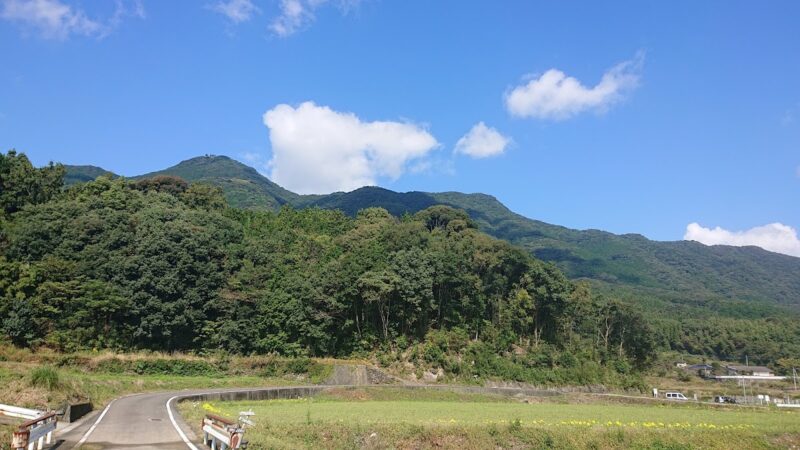
Sumoto Castle is a medieval mountain castle located in Yubunebara, Sumoto-cho, Amakusa City, Kumamoto Prefecture. Also known as “Yubunehara Castle,” it is known as the residence of the Sumoto clan, one of the Amakusa Five. Built on a belt-shaped mountain ridge approximately 60 meters above sea level, this castle is an important historical site that conveys the history of the medieval period in the Amakusa region.
Currently, it is maintained as Sumoto Castle Ruins Park and is a popular cherry blossom viewing spot with approximately 150 Somei Yoshino cherry trees. In spring, the entire castle site is dyed pink with cherry blossoms, allowing visitors to enjoy a landscape where the remains that retain the atmosphere of the Sengoku period harmonize with the beautiful nature.
History of Sumimoto Castle
The Sumimoto Clan and the Amakusa Five
The Sumimoto clan was a powerful local family, one of the Amakusa Five. The Amakusa Five refers to five powerful families (Sumimoto, Oyano, Shiki, Kamitsura, and Amakusa) that ruled the Amakusa region from the medieval period to the Sengoku period. These families divided and ruled various regions of the Amakusa Islands, maintaining their own spheres of influence.
Initially, the Sumimoto clan was subordinate to the Kikuchi clan, the shugo (military governor) of Higo Province. As the Kikuchi clan’s power declined, the Sumimoto clan became subordinate to the Otomo clan of Bungo Province through the Sagara clan. During this period, the Amakusa region was affected by the power struggle between the Otomo and Shimazu clans, powerful daimyo in Kyushu, and the Sumimoto clan was also tossed about by the tides of the times.
Turmoil during the Tensho Era
The Tensho era (1573-1593) was a turbulent period for the Sumoto clan. When Toyotomi Hideyoshi launched his Kyushu campaign, the Sumoto clan, along with other Amakusa forces, surrendered to the Toyotomi. After the Kyushu campaign in 1587, the Sumoto clan’s territory was initially secured.
However, in 1589, the Battle of Amakusa broke out. This battle stemmed from the rebellion of the Amakusa Five when Konishi Yukinaga was appointed lord of the southern half of Higo Province. The Sumoto clan, along with other Amakusa forces, resisted Konishi, but were ultimately defeated. After the Battle of Amakusa, Sumoto Castle was abandoned, and the Sumoto clan began its decline.
Connection to the Shimabara-Amakusa Rebellion
Even after the abandonment of Sumimoto Castle, this region remained a stage for history. The Shimabara-Amakusa Rebellion, which broke out in 1637, engulfed the entire Amakusa region in conflict. Following the rebellion, Sumimoto Suwa Shrine was built to eradicate Christianity and stabilize the region. Even today, a taiko drum dance is performed at the shrine, a magnificent performance by young people in red happi coats and white headbands, a tradition passed down through the region.
Structure and Characteristics of Sumimoto Castle
Layout and Castle Structure
Sumimoto Castle is built on a belt-shaped mountain ridge approximately 60 meters above sea level, south of Yubunebara. The main axis of the castle extends southwest, and the mountaintop is a flat, trapezoidal area. The layout, which skillfully utilizes this terrain, exhibits typical characteristics of a medieval mountain castle. The main keep, the heart of the castle, was located at the highest point of the mountaintop. From the main keep, one could see the sea of Amakusa and the surrounding area, suggesting its role as a strategically important military location. Defensive structures were positioned to the east of the main keep, designed to prevent enemy incursions.
Moats and Defensive Structures
A notable feature of the defensive system at Sumimoto Castle is the presence of moats. Moats are dry moats dug to cut across ridges, serving as crucial defensive structures to hinder enemy advances. Multiple moats have been identified at Sumimoto Castle, primarily located on the east side of the castle.
These moats were effectively positioned utilizing the elevation differences of the terrain, demonstrating the high level of castle-building technology of the medieval period. Some remains of the moats still exist today, providing valuable historical evidence for understanding the castle’s structure at the time.
Facilities Below the Castle
To the west of the castle ruins is the temple bell of Rimyoji Temple, a prefecturally designated important cultural property. According to the inscription, this temple bell was cast in 1419 (Oei 26), making it one of the oldest in Kumamoto Prefecture. It is believed to have originally been moved from Zenshoji Temple in Kawashiri, making it a valuable cultural asset that demonstrates the deep history of the Sumoto region.
Highlights of Sumoto Castle
Remains of the Castle Site
At the current Sumoto Castle site, you can see the following remains:
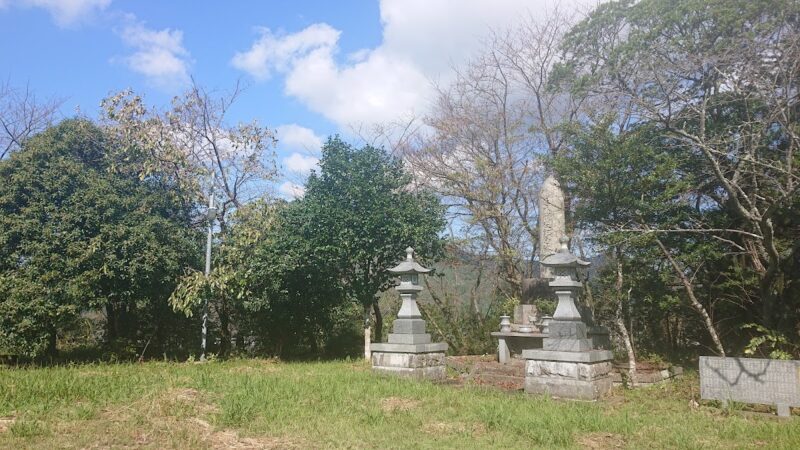
Main Enclosure Site: Located on a flat area at the top of the mountain, you can experience the former central part of the castle. Currently, cherry trees are planted here, making it a spectacular spot in spring.
Moat Remains: Part of a moat that functioned as a defensive structure for the castle still exists. The deep excavation gives a sense of the castle-building techniques of the time.
Enclosure Remains: The remains of enclosures (flat areas) that surrounded the main enclosure remain, giving insight into the scale of the castle.
Attractions as a Cherry Blossom Viewing Spot
Sumimoto Castle Ruins Park boasts approximately 150 Somei Yoshino cherry trees and is known as one of the most famous cherry blossom viewing spots in the Amakusa region. The trees typically reach full bloom from late March to early April, attracting many visitors.
The cherry blossoms blooming on the site of a castle from the Sengoku period create a unique landscape that blends historical romance with natural beauty. The trees are sometimes illuminated at night, allowing visitors to enjoy a magical view of the cherry blossoms after dark.
Surrounding Cultural Properties
Rimyo-ji Temple Bell: Located near the castle ruins, Rimyo-ji Temple houses a temple bell cast in 1419 (Oei 26), a prefecturally designated important cultural property. It is well worth seeing as a valuable medieval Buddhist cultural artifact.
Sumimoto Suwa Shrine: This shrine was built after the Shimabara-Amakusa Rebellion, and the annual taiko drum dance performed there is an important intangible cultural property of the region. The magnificent drumming technique is a must-see.
Access Information
Location
863-2421 Yubunebara, Sumoto-machi, Amakusa City, Kumamoto Prefecture
Access by Car
- Approximately 30 minutes from Amakusa Airport
- Approximately 20 minutes from Hondo city center via National Route 266
- Approximately 90 minutes from Matsubashi IC on the Kyushu Expressway towards Amakusa
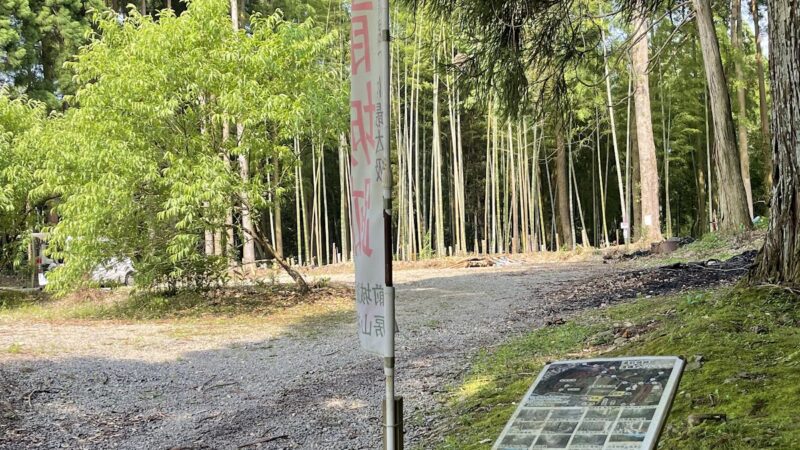
Parking is available near the entrance to the castle ruins park and is free of charge. Due to expected crowds during cherry blossom season, early arrival is recommended.
Access by Public Transportation
If using public transportation, take the Amakusa City Community Bus or Sanko Bus. Take a bus bound for Sumoto from Hondo Bus Center and get off at the “Sumoto Branch Office” or “Yubunebara” bus stop. It’s approximately a 15-minute walk from there.
Since bus service is limited, it is recommended to check the timetable in advance. ### Visiting Information
- Opening Hours: Always open (maintained as a park)
- Admission Fee: Free
- Estimated Visiting Time: Approximately 30 minutes to 1 hour
- Best Season: Cherry blossom season (late March to early April)
Nearby Tourist Attractions
Other Castle Ruins in the Amakusa Region
When visiting Sumoto Castle, we recommend also visiting other castle ruins associated with the Amakusa Five:
Hondo Castle Ruins: The former residence of the Amakusa clan, conveniently located near Hondo town.
Oyano Castle Ruins: The former residence of the Oyano clan, located in the northern part of the Amakusa Islands. A castle ruin with a magnificent view overlooking the sea.
Shiki Castle Ruins: The former residence of the Shiki clan, located in Reihoku Town. The remains of the stone walls are relatively well preserved.
Highlights of the Sumoto Area
Sumoto Hot Springs: After visiting the castle ruins, you can relax in the local hot springs. Some facilities offer day-use bathing.
Coastal Scenery: Sumoto Town boasts a beautiful coastline, making it a popular driving destination.
Local Cuisine: Numerous restaurants serving dishes made with fresh seafood are scattered throughout the area. Seafood caught in the Amakusa Sea is particularly exquisite.
Points to Note When Visiting
Clothing and Items to Bring
Since Sumoto Castle Ruins is a mountain castle, we recommend the following equipment:
- Comfortable Walking Shoes: Sneakers or trekking shoes are suitable as there are mountain trails and unpaved paths.
- Comfortable Clothing: Choose comfortable clothing appropriate for the season.
- Insect Repellent: Insect repellent is especially necessary from spring to autumn.
- Drinking Water: There are few vending machines around the castle ruins, so we recommend bringing your own.
- Camera: Essential for recording cherry blossom season and views.
Photo Spots
- View from the Main Enclosure: An excellent photo spot offering panoramic views of the Amakusa sea and surrounding scenery.
- Cherry Blossoms and Castle Ruins: In spring, you can take beautiful photos with the contrast between cherry blossoms and historical remains.
- Remains of the Moat: The moat, which gives a glimpse into medieval castle construction techniques, is a must-see subject for history buffs.
Points to Note When Visiting
- The castle ruins are protected as a historical site, so please be careful not to damage the remains.
- There are steep slopes and uneven ground, so extra caution is needed, especially during or after rain.
- Please take all your trash with you.
- The sun is strong in the summer, so we recommend bringing a hat and sunscreen.
Historical Value of Sumoto Castle
Position in the Medieval History of the Amakusa Region
Sumoto Castle is an important historical site for understanding the political and military situation in the Amakusa region during the Middle Ages. As the residence of the Sumoto clan, who played a part in the unique regional governing system known as the Amakusa Five, it is a valuable resource for understanding the realities of local powerful families.
Medieval Amakusa, due to its geographical characteristics as a major power on the Kyushu mainland and a key point for maritime traffic, fostered a unique culture and history. Sumoto Castle, as a witness to that history, still quietly conveys the atmosphere of that time.
Research Value of Castle Construction Techniques
The remains of Sumimoto Castle, including its layout and moats, are valuable samples for studying medieval castle construction techniques. In particular, the defensive system, which made maximum use of the limited terrain, is an excellent example of the level of castle construction technology of local powerful families.
In recent years, surveys have been conducted by castle researchers, and its academic value is highly regarded.
History and Culture of the Sumimoto Region
Changes in Sumimoto Town
Sumimoto Town was formerly part of Amakusa District and was the least populated municipality in Amakusa District. On March 27, 2006 (Heisei 18), it merged with Hondo City, Ushibuka City, Goshoura Town, Ariake Town, Kuratake Town, Shinwa Town, Gowa Town, Amakusa Town, and Kawauura Town to form the current Amakusa City.
Before the merger, it was an independent municipality that continued to protect the region’s history and culture. Currently, the Sumimoto Branch Office is located there and functions as the center of the local community. ### Preservation of Traditional Culture
In the Sumoto region, traditional performing arts, including Taiko Odori (drum dance), are carefully preserved and passed down. These cultural practices symbolize the recovery after the Shimabara Rebellion and the unity of the community, and remain a core element of the region’s identity even today.
Various festivals and events are held throughout the year, providing visitors with opportunities to experience the local culture.
Summary
Sumoto Castle, the residence of the Sumoto clan, one of the five prominent families of Amakusa, is an important historical site that conveys the history of the Amakusa region from the medieval period to the Sengoku period. Although it was abandoned after the Battle of Amakusa in 1589, it is now maintained as Sumoto Castle Ruins Park and is a popular spot known for its approximately 150 cherry trees.
From the castle ruins, built on a mountain ridge approximately 60 meters above sea level, visitors can enjoy a panoramic view of Amakusa’s beautiful landscape, and learn about medieval castle construction techniques from the remains of the main keep, moats, and other structures. The surrounding area boasts historical buildings such as the temple bell (a prefecturally designated important cultural property) and the Sumoto Suwa Shrine, making it a tourist spot where you can gain a deep understanding of Amakusa’s history and culture.
It’s easily accessible, about 30 minutes from Amakusa Airport and about 20 minutes from Hondo city center, and attracts many tourists, especially during cherry blossom season. It’s a recommended spot not only for history buffs but also for those who want to enjoy a landscape where nature and history harmonize.
When you visit Amakusa, be sure to stop by the Sumoto Castle ruins and experience the history of the Amakusa Five and the remnants of the medieval era.