Minamata Castle Complete Guide: Historical Heritage and Highlights of Shiroyama Park in Minamata City, Kumamoto Prefecture
Located in the heart of Minamata City, Kumamoto Prefecture, Minamata Castle is a medieval castle built on a hill approximately 30 meters above sea level overlooking the Shiranui Sea. Now developed as Shiroyama Park, it serves as a place of relaxation for citizens. This guide provides a detailed explanation of Minamata Castle, from its history and highlights to access information.
History and Overview of Minamata Castle
Construction and Early History of Minamata Castle
Minamata Castle is a medieval Japanese castle (hill castle) located in Kojō 1-chome, Minamata City, Kumamoto Prefecture. Built utilizing an isolated hilly terrain, it was constructed by the Minamata clan, who ruled the Minamata region.
The Minamata clan was a powerful local family that ruled this region from the medieval period to the Sengoku period (Warring States period). Minamata, facing the Shiranui Sea, held a crucial position as a key point for maritime traffic. The castle’s location was strategic, serving as both a base for monitoring sea incursions and a defensive stronghold against inland threats.
Minamata Castle in the Sengoku Period
During the Sengoku period, Minamata Castle became a stage for the struggle for supremacy in Kyushu. In 1581 (Tensho 9), Sagara Yoshiharu, based in Hitoyoshi, controlled Minamata Castle. The Sagara clan was a powerful daimyo in southern Higo Province, expanding their influence in the region.
However, in the same year, Shimazu Yoshihisa of Satsuma Province began his northward advance and invaded Minamata Castle. The Shimazu clan was fighting battles throughout Kyushu in their quest for unification, and Minamata Castle became one of their targets. After fierce fighting, Minamata Castle fell and came under the control of the Shimazu clan.
Minamata Castle in the Early Modern Period
After Toyotomi Hideyoshi’s conquest of Kyushu, Higo Province became the territory of Kato Kiyomasa. During the Keicho era (1596-1615), Minamata Castle also came under the control of the Kato clan and functioned as a base for regional governance.
Subsequently, throughout the Edo period, Minamata Castle gradually lost its military function and remained so until the Meiji Restoration. The castle’s remains were neglected for a long time, but in 1978 (Showa 53), Minamata City decided to develop a sports park on the site of Minamata Castle, which was then developed into the current Shiroyama Park.
Structure and Remains of Minamata Castle
Castle Location and Layout
Minamata Castle is a hill castle built on an isolated hill approximately 30 meters above sea level. This location offered both excellent views overlooking the surrounding area and defensive advantages, such as a difficult terrain for attackers to climb.
The castle’s layout exhibits characteristics of medieval mountain castles, skillfully utilizing the natural terrain. Multiple baileys are arranged around the main enclosure, each forming a defensive line.
Highlight: The Stone Walls
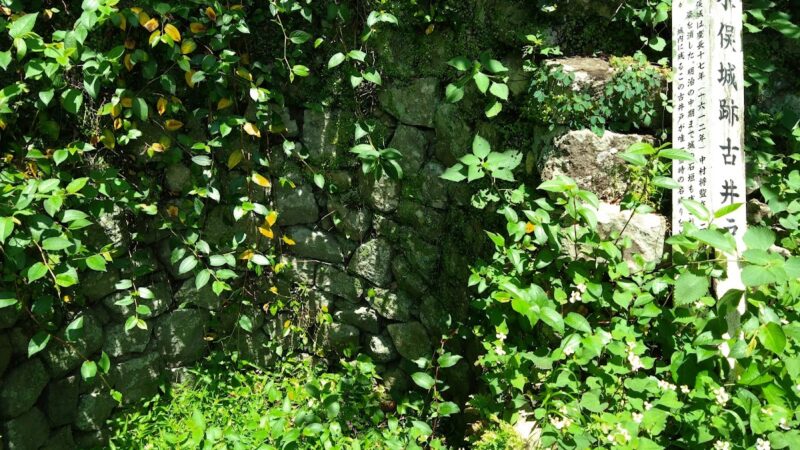
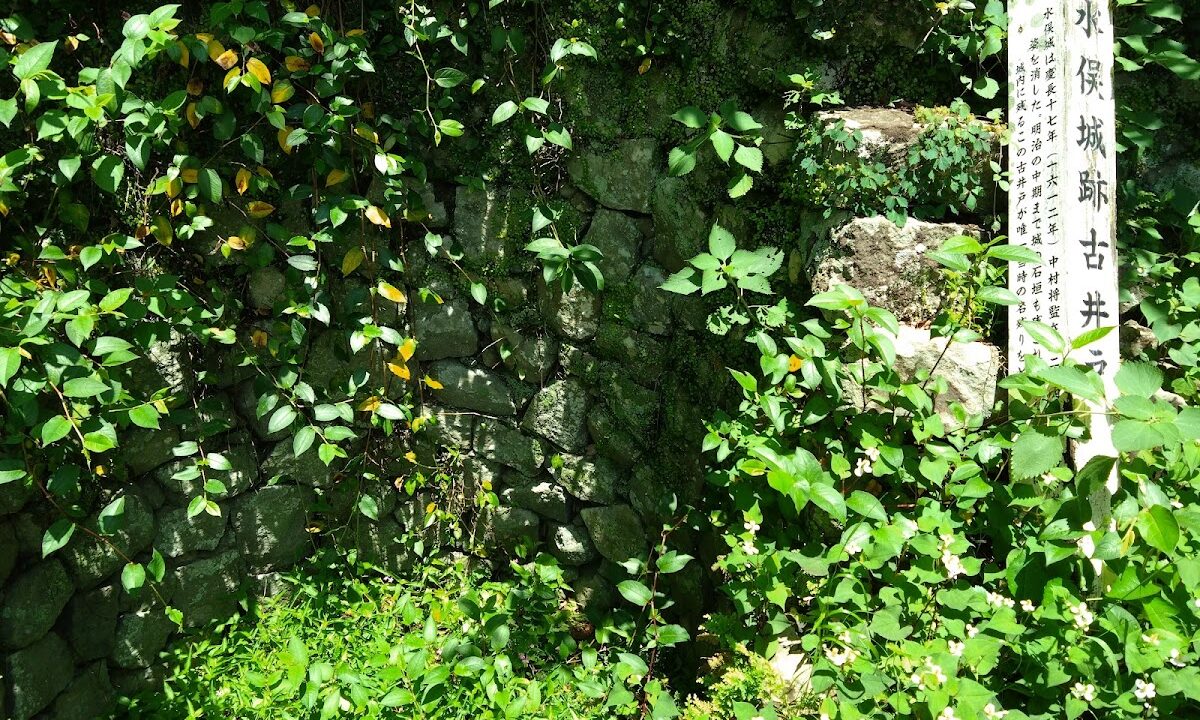
The greatest highlight of Minamata Castle is the stone wall, which still stands today and stretches approximately 42 meters. This wall is the best-preserved part of the castle’s remains, a valuable historical site that conveys the castle-building techniques of the time.
The stone wall was constructed using a technique called “nozurazumi,” which skillfully combines natural stones to create a robust structure. The fact that this wall remains intact after more than 400 years speaks to the high skill of the stonemasons of that era.
Standing before the stone wall, one can feel the tension of the Sengoku period and the determination of the people who tried to protect this land.
Other Remains
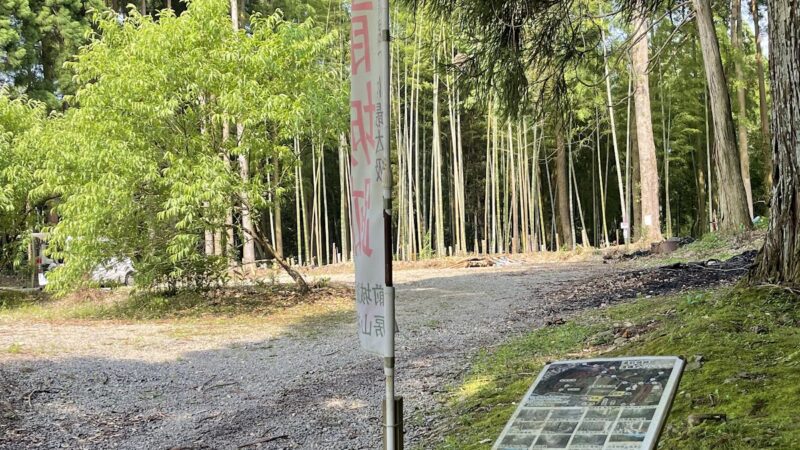
Besides the stone walls, other topographical features indicating the castle’s structure remain within the castle park, such as moats and the remains of baileys. Especially around the main enclosure, the layout of the former defensive structures can be discerned from the topography.
When the site was developed as a park, the design aimed to utilize the original terrain as much as possible, allowing visitors to learn about the structure of a medieval castle while strolling around.
Present as Shiroyama Park
Park Facilities and Amenities
The current Minamata Castle ruins have been developed as “Shiroyama Park,” a place of relaxation for citizens and a popular tourist spot. Walking paths are maintained within the park, allowing visitors to enjoy a leisurely stroll.
Sports facilities are also located within the park, making it a hub for local sports activities. From the observation deck, you can enjoy a panoramic view of Minamata city and the Shiranui Sea, and on clear days, you can even see the Amakusa Islands—a truly spectacular viewpoint.
Kato Shrine and Minamata Castle
Kato Shrine is located very close to the Minamata Castle ruins. This shrine is dedicated to Kato Kiyomasa, known as the lord of Kumamoto Castle, and is a different shrine from the Kato Shrine located within Kumamoto Castle.
Kato Kiyomasa, as the lord of Higo Province, also governed the Minamata region and has been deeply revered by the local people. When visiting Minamata Castle, we recommend also visiting Kato Shrine. The view from the shrine is magnificent, allowing you to enjoy both history and nature.
How to Access Minamata Castle
Access by Public Transportation
Using the JR Kyushu Shinkansen
The nearest Shinkansen station is “Shin-Minamata Station.” From Shin-Minamata Station, take a local bus or taxi to the center of Minamata City. The journey takes approximately 10-15 minutes.
Using the JR Hisatsu Orange Railway
The nearest station is “Minamata Station.” From Minamata Station to the Minamata Castle Ruins (Shiroyama Park) is approximately a 15-20 minute walk or a 5 minute taxi ride.
Using Local Buses
The South Kyushu Westbound bus route passes through Minamata City. Accessible on foot from bus stops in Minamata city center.
Access by Car
Using the Expressway
- Approximately 10 minutes from the Minamata Interchange on the Kyushu Expressway
- Also accessible from the South Kyushu West Bypass Expressway
Shiroyama Park has a parking lot that is free to use.
Location
1-chome, Kojō, Minamata City, Kumamoto Prefecture 867-0065
Tourist Attractions Around Minamata Castle
Yunoko Onsen
Yunoko Onsen, a representative hot spring resort in Minamata City, is a scenic hot spring town facing the Shiranui Sea. Its open-air baths, where you can bathe while gazing at the sea, are popular, and the beauty of the sunset is exceptional.
It is about a 15-minute drive from Minamata Castle, and a sightseeing plan combining a stroll through the castle ruins and a visit to the hot springs is recommended.
Yunoko Cherry Line
The Yunoko Cherry Line is a road along the Shiranui Sea leading to Yunoko Onsen (hot springs), lined with cherry trees in the spring. The cherry trees stretch for approximately 5 kilometers, creating a magnificent contrast between the sea and the blossoms.
It’s a popular spot that attracts many tourists during the cherry blossom season (late March to early April).
Eco Park Minamata
This facility symbolizes Minamata City’s commitment to the environment. It’s a comprehensive park with a rose garden, lawn area, and playground equipment. Ideal for family sightseeing, visitors can enjoy seasonal flowers.
Minamata City Minamata Disease Museum
This museum provides information about Minamata disease, an unavoidable topic in Minamata City’s history. It’s an important facility where you can learn about the history and lessons of pollution, as well as efforts toward environmental restoration.
Located about 10 minutes by car from Minamata Castle, it’s worth visiting as part of a history education.
Minamata City’s Charms and Tourist Information
Geography and Characteristics of Minamata City
Minamata City is located at the southernmost tip of Kumamoto Prefecture, bordering Kagoshima Prefecture. Facing the Shiranui Sea to the west and surrounded by the Kyushu Mountains to the east, it is a naturally rich area surrounded by both sea and mountains.
The ria coast of the Shiranui Sea is scenic, and the beauty of Yunoko Beach in particular attracts many tourists. Furthermore, the inland area boasts numerous natural spots surrounded by lush greenery, such as the Yude Nanataki waterfalls.
History of Minamata City
The name Minamata has been recorded since ancient times, and in the Middle Ages, it developed as a castle town ruled by the Minamata clan. During the Edo period, it was part of the Higo Domain, and from the Meiji era onward, it developed as a chemical industry city.
Present-day Minamata City has overcome past pollution and is moving forward as an “environmental model city.” Minamata City’s environmentally conscious urban development is attracting nationwide attention, and its efforts toward realizing a sustainable society are being highly praised.
Minamata City’s Cuisine
Located on the Shiranui Sea, Minamata City is blessed with fresh seafood. In particular, it boasts an abundance of fish and shellfish such as hairtail, horse mackerel, and sea bream, and local restaurants offer delicious fresh seafood dishes.
Furthermore, the warm climate is a major source of citrus fruit cultivation, with popular local specialties such as Amanatsu oranges and Dekopon oranges. Minamata tea is also a well-known local product.
Minamata City’s Accommodations
Centered around Yunoko Onsen, numerous inns and hotels overlooking the sea are scattered throughout the city. Many accommodations offer the opportunity to enjoy hot springs and fresh seafood, allowing for a relaxing stay.
Business hotels and guesthouses are also available in the city center, allowing you to choose accommodation according to your budget and purpose.
Best Season to Visit Minamata Castle
Spring (March-May)
Spring is the most vibrant season in Minamata City, with cherry blossoms along the Yunoko Cherry Line in full bloom. The cherry blossoms and fresh greenery at Shiroyama Park are also beautiful, and the weather is perfect for a stroll.
Summer (June-August)
Summer is the season for swimming and marine sports at the Shiranui Sea. The view from Shiroyama Park is also magnificent, with a striking contrast between the blue sea and sky.
Autumn (September-November)
Autumn is the season of autumn leaves, with the trees around Shiroyama Park changing color. The weather is pleasant, making it ideal for leisurely exploring the historical sites.
Winter (December-February)
Winter sees fewer tourists, allowing for a quieter visit to the historical sites. It’s a particularly pleasant season for hot springs, and a visit to Yunoko Onsen is highly recommended.
Minamata Castle Visiting Points and Precautions
Visiting Points
- Observing the Stone Walls: The 42-meter-high stone walls are a must-see. Observing the stonework up close reveals the high level of skill of the time.
- View from the Observation Deck: This is a spectacular viewpoint offering panoramic views of Minamata city, the Shiranui Sea, and the Amakusa Islands. The scenery is especially beautiful on a clear day.
- Observing the Topography: The structure of the castle, including baileys and moats, can be deciphered from the topography. Explore while referring to the information boards.
- Visiting Kato Shrine: A spot you should visit in conjunction with Minamata Castle.
Precautions for Visiting
- Shiroyama Park is free to enter, but please check the opening hours before visiting.
- We recommend wearing comfortable shoes. There are slopes and stairs due to the hilly terrain.
- During the summer months, the sun is strong, so please prepare a hat, sunscreen, and water.
- Please observe proper etiquette when visiting the site to avoid damaging it.
- Photography is permitted, but please be considerate of other visitors.
Historical Value and Future Preservation of Minamata Castle
Historical Value
Minamata Castle holds significant historical value as a typical example of a medieval castle in southern Kyushu. As a castle that played a role in power struggles in Kyushu during the Sengoku period, and as the residence of a local powerful family, it is a valuable historical site that tells the history of this region.
In particular, the remaining stone walls are important relics that convey the castle-building techniques of the time, and are a valuable cultural asset within Kumamoto Prefecture.
Efforts for Preservation and Utilization
Minamata City is continuously working on the preservation and utilization of the Minamata Castle ruins. By developing it as Shiroyama Park, the city is achieving both the protection of the historical site and the provision of a place of relaxation for citizens.
It is hoped that efforts will continue to convey the charm of Minamata Castle to more people without diminishing its value as a historical heritage site.
Other Historical Spots in Minamata City
Historic Townscape of the Kojō District
The Kojō district, where Minamata Castle is located, retains a historical townscape that evokes the atmosphere of a castle town. You can feel the atmosphere of the former castle town while strolling through the area.
Shrines and Temples in Minamata City
Besides Kato Shrine, there are many other historical shrines and temples scattered throughout Minamata City. Each is an important spot that conveys the history and culture of the region.
Summary: The Charm of Minamata Castle
Minamata Castle in Minamata City, Kumamoto Prefecture, is a valuable historical site that conveys the history of the Sengoku period (Warring States period). The 42-meter-long stone walls, the spectacular view overlooking the Shiranui Sea, and the relaxing space of Shiroyama Park—all of these contribute to the charm of Minamata Castle.
When visiting Minamata City, be sure to visit the Minamata Castle ruins. You can enjoy the beautiful natural scenery while feeling the weight of history. Combining it with Yunoko Onsen and other tourist spots in Minamata City will allow you to create a more fulfilling travel plan.
In Minamata City, which is taking a new step forward as an environmental model city, Minamata Castle is an important structure that connects the past and the present. Learn about history, enjoy nature, and relax in the hot springs. Please visit Minamata City and Minamata Castle, which have such diverse attractions.
Yunoko Onsen: The Sea and Sunset
Yunoko Onsen, located close to Minamata Castle, is a hot spring resort known for the beauty of the sunset over the Shiranui Sea. The theme of “the sea and sunset” symbolizes the greatest charm of this region.
Many accommodations in the hot spring town offer views of the orange-hued horizon from open-air baths and guest rooms facing the sea. Especially during the twilight hours from autumn to winter, the sky and sea merge into a fiery spectacle, captivating visitors.
The hot spring water at Yunoko Onsen is a gentle alkaline simple hot spring, known for its skin-beautifying effects. Bathing while gazing at the sea will be the perfect way to soothe away the fatigue of everyday life.
After exploring the history of Minamata Castle, enjoying the sea and sunset at Yunoko Onsen is the ideal itinerary for sightseeing in Minamata. The hot spring town boasts many restaurants serving fresh seafood, allowing you to savor dishes made with local ingredients.
Soaking in the hot springs at sunset while watching the sun sink over the Shiranui Sea will surely create an unforgettable memory.