Uchimaki Castle (Aso City, Kumamoto Prefecture): A Complete Guide to its History and Highlights | Visiting the Castle Ruins of the Aso and Kato Clans
Uchimaki Castle, located in Uchimaki, Aso City, Kumamoto Prefecture, is a flatland castle built on the northwestern edge of the Aso crater plain. The castle ruins remain in the current Aso Uchimaki Onsen (hot spring) area, preserving the history of the region. This article provides a detailed introduction to the history of Uchimaki Castle, from its construction to its abandonment, highlights of its remains, and surrounding tourist information.
Overview and Location of Uchimaki Castle
Uchimaki Castle was a Japanese castle from the medieval to early modern period, located in Uchimaki, Aso City, Kumamoto Prefecture. It was built on a slightly elevated area formed by the natural levee of the Kurokawa River, at the northwestern edge of the Aso crater plain. The area is now a hot spring resort known as Aso Uchimaki Onsen, and the castle ruins are scattered throughout the resort.
Geographical Characteristics
Uchimaki Castle was built on a slightly elevated area in the northwestern part of the Aso Caldera, utilizing a natural levee along the Kurokawa River. This topographical advantage allowed for a panoramic view of the surrounding area, making it a suitable location for defense. As a strategic point in the Aso region of Higo Province and a key transportation hub, it was a strategically important castle.
Castle Classification and Size
Uchimaki Castle is classified as a hilltop castle. It utilizes a low hill close to plains, and is an intermediate form—neither as steep as a full mountain castle nor as flat as a plain castle. This location is thought to have been chosen to balance defense and habitability.
History of Uchimaki Castle
The history of Uchimaki Castle is closely intertwined with the changes in Higo Province, from the Aso clan era to the Kato clan and then the Hosokawa clan.
Construction and the Aso Clan Era
The exact construction date of Uchimaki Castle is unclear, but one theory suggests it was built during the Tenbun era (1532-1555). It is believed that the castle was built by members and retainers of the Aso clan, who ruled the area.
During the Tensho era (1573-1592), Hebaru Morimichi, a retainer of the Aso clan, was the castle lord. The Hebaru clan was one of the powerful retainers serving the Aso clan, and Uchimaki Castle was an important base within the Aso clan’s sphere of influence.
Invasion and Fall of the Shimazu Clan
In 1586 (Tensho 14), Uchimaki Castle was attacked by the Shimazu clan, who aimed to unify Kyushu. During this period, the Shimazu clan had expanded their power into Higo Province, and the Aso region was also caught in the crossfire. It is said that Uchimaki Castle fell to the Shimazu army.
This conquest of Kyushu by the Shimazu clan continued until Toyotomi Hideyoshi’s pacification of Kyushu. Following Toyotomi Hideyoshi’s Kyushu campaign in 1587, the Shimazu clan surrendered, and the various daimyo of Kyushu were incorporated into the Toyotomi regime.
The Era of Kato Kiyomasa and the Expansion of the Castle
After Toyotomi Hideyoshi’s conquest of Kyushu, the northern half of Higo Province was given to Kato Kiyomasa. Kato Kiyomasa governed Higo Province from Kumamoto Castle, and Uchimaki Castle also came under the control of the Kato clan.
Kato Kiyomasa positioned Uchimaki Castle as an important subsidiary castle and carried out large-scale renovation and expansion work. Particularly noteworthy is the major civil engineering project that diverted the Kurokawa River southward, utilizing it as a moat on the north and south sides of the castle. This renovation significantly improved the defensive capabilities of Uchimaki Castle.
The castle lords were Kato Yoshishige and his son, Kato Masakata, who served for two generations. Kato Yoshishige is known as a senior retainer of Kato Kiyomasa and dedicated himself to the governance and maintenance of Uchimaki Castle.
The One Castle Per Province Decree and Castle Abolition
In 1615, after the fall of the Toyotomi clan in the Summer Siege of Osaka, the Edo Shogunate issued the “One Castle Per Province Decree” throughout the country. This was an order to abolish castles other than the principal residence of each domain, aimed at defense necessity and prevention of rebellion.
Uchimaki Castle was also abolished under this “One Castle Per Province” Decree between 1615 and 1616. Since the Kato clan’s principal residence was Kumamoto Castle, Uchimaki Castle, a subsidiary castle, was demolished.
The Hosokawa Clan Era and Uchimaki Tea House
In 1632, after the Kato clan was dispossessed of their domain, Hosokawa Tadatoshi was appointed to Higo Province. The Hosokawa clan used the Uchimaki Castle ruins as a lodging station during their journeys to and from Edo (present-day Tokyo), and named it “Uchimaki Ochaya” (Uchimaki Tea House).
Throughout the Edo period, Uchimaki Ochaya functioned as a resting place for the lord of the Higo domain, and the Uchimaki area also developed as a hot spring resort. It can be said that the foundation of the current Aso Uchimaki Onsen (hot spring resort) was formed during this period.
Remains and Highlights of Uchimaki Castle
Currently, the remains of Uchimaki Castle are scattered throughout the Aso Uchimaki Onsen area, allowing visitors to imagine its former appearance.
Current State of the Castle Ruins
The Uchimaki Castle ruins are now an urban area lined with residential areas and hot spring facilities. While large-scale remains such as clearly defined stone walls and castle tower foundations do not remain, the outline of the castle can be inferred from the topography and some earthwork remains.
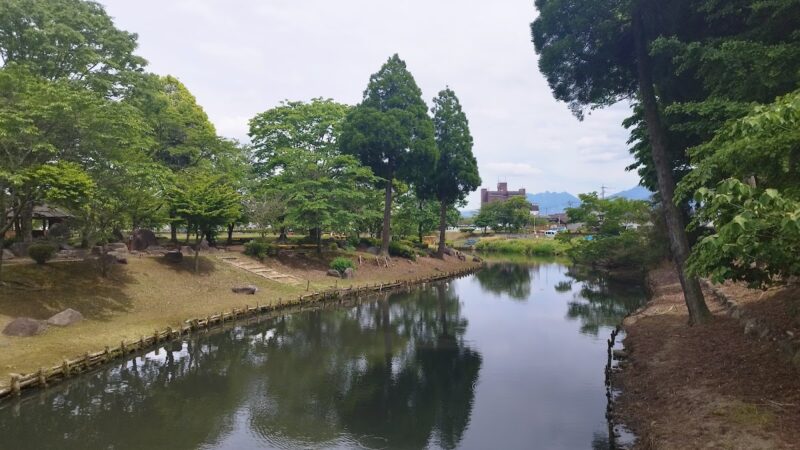
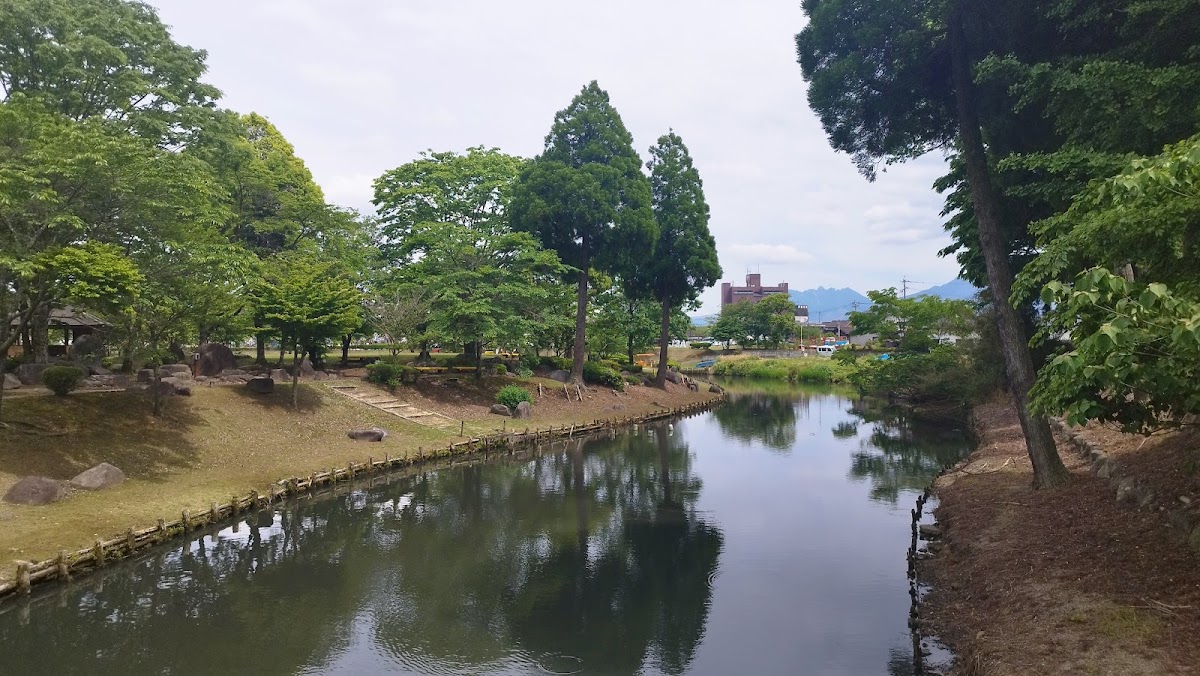
The current topography confirms that the Kurokawa River’s course was used as a defensive structure for the castle. Traces of the moat, which was renovated during the time of Kato Kiyomasa, remain in the current rivers and waterways. ### Earthworks and Moat Remains
Parts of the earthworks, which were important defensive structures for Uchimaki Castle, still remain today as slightly elevated areas. Furthermore, traces of the moat, which utilized the Kurokawa River, can be seen in the current riverbed and lowlands.
The castle’s layout skillfully utilized the natural terrain, and it is presumed that the main enclosure was located on a slightly elevated area formed by the natural levee of the Kurokawa River, surrounded by a moat.
Information Boards and Historical Site Markers
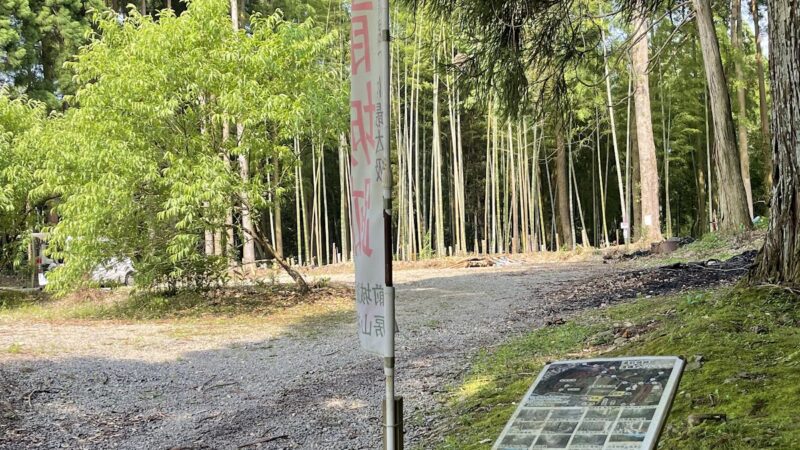
Information boards introducing the history are installed at the Uchimaki Castle ruins. They explain the history and structure of the castle, allowing visitors to learn about the local history. You can feel the atmosphere of the castle ruins while strolling through the hot spring town.
Figures Associated with Uchimaki Castle
Many important figures were involved in the history of Uchimaki Castle.
Henbaru Morimichi
Henbaru Morimichi, who resided at Uchimaki Castle as a vassal of the Aso clan, served as the castle lord during the Tensho era. The Henbaru clan was one of the powerful retainers serving the Aso clan, and they were involved in the governance of the Aso region, based at Uchimaki Castle. It is believed they were in a position to defend the castle during the Shimazu clan’s invasion.
Kato Yoshishige
Kato Yoshishige, a senior retainer of Kato Kiyomasa, was appointed as the first castle lord of Uchimaki Castle. He directed Kiyomasa’s major renovation of Uchimaki Castle, carrying out large-scale civil engineering works such as diverting the Kurokawa River. Yoshishige was a highly trusted retainer of Kiyomasa and contributed to the stability of the Aso region through his governance of Uchimaki Castle.
Kato Masakata
Kato Masakata, the son of Kato Yoshishige, succeeded his father as the second castle lord of Uchimaki Castle. During Masakata’s time, Uchimaki Castle also functioned as an important base in northern Higo Province, playing a role as a regional administrative center. It is believed that Masakata served as castle lord until the castle was abolished due to the “One Castle Per Province” decree.
Access to Uchimaki Castle and Nearby Sightseeing
This section provides access information for visiting the Uchimaki Castle ruins and introduces nearby sightseeing spots.
Access Methods
Access by Car
- Approximately 50 minutes from Kumamoto IC on the Kyushu Expressway
- Approximately 1 hour from Hita IC on the Oita Expressway
- Approximately 40 minutes from Aso Kumamoto Airport
- Parking: Public parking is available in the Uchimaki Onsen area.
Access by Public Transportation
- Approximately 10 minutes by car from Aso Station on the JR Hohi Main Line
- Approximately 15 minutes by Sanko Bus bound for Uchimaki Onsen from Aso Station, get off at Uchimaki bus stop.
Nearby Sightseeing Spots
Aso Uchimaki Onsen
Aso Uchimaki Onsen, where the Uchimaki Castle ruins are located, is a hot spring resort with a history of over 100 years. It is known for having been visited by many literary figures, including Natsume Soseki and the Yosano Tekkan and Akiko couple. There are numerous public baths, inns, and hotels, where you can enjoy fresh, free-flowing hot spring water. After exploring the castle ruins, you can relax and unwind in a hot spring.
Aso Shrine
Known as the Ichinomiya (first shrine) of Higo Province, Aso Shrine is located about 15 minutes by car from Uchimaki. This ancient shrine boasts a history of over 2000 years and has been revered as the tutelary deity of the Aso clan. Although damaged in the 2016 Kumamoto earthquake, restoration work is underway, and the cherry blossom trees lining the approach to the shrine are a highlight in spring.
Mount Aso
Mount Aso, with one of the world’s largest calderas, is about 30 minutes by car from Uchimaki. You can experience the unique nature of Aso, including the magnificent scenery of the Aso Five Peaks and a visit to the Nakadake crater. The driving route to the top of Mount Aso offers beautiful scenery throughout the seasons.
Kusasenrigahama
Kusasenrigahama, a grassland spreading across the middle of Mount Aso, is one of Aso’s representative scenic spots. The vast grassland, pond, and grazing horses evoke the original landscape of Aso. It’s about a 25-minute drive from Uchimaki.
History and Culture of Uchimaki
The Uchimaki region, where Uchimaki Castle was built, boasts a rich history and culture, not just a history of castles.
Origin of the Name Uchimaki
The name Uchimaki is said to originate from the meaning of a place where horses were “grazed” on the “inside” of Aso. The Aso region has long been known for its livestock farming, particularly horse breeding. The name Uchimaki reflects the historical industry of this region.
Development as a Hot Spring Resort
Uchimaki has been known as a hot spring resort since the Edo period. The establishment of the Uchimaki Tea House by the Hosokawa clan gave it the status of an official resting place for the domain, and simultaneously led to the development of the hot spring resort. Since the Meiji era, it has developed as a hot spring resort visited by literati and artists, and continues to thrive today.
Development as a Hot Spring Resort ### Uchimaki Town After the Meiji Era
In 1889 (Meiji 22), with the implementation of the town and village system, Uchimaki Village, Yunoura Village, Nishiyunura Village, Mikubo Village, Minamimiyahara Village, Nishikozono Village, and Ori Village merged to form Uchimaki Village. In 1906 (Meiji 39), it became Uchimaki Town, and in 2005 (Heisei 17), it became part of Aso City.
Historical Significance of Uchimaki Castle
Uchimaki Castle is an important historical site for understanding the history of the Aso region of Higo Province.
Positioning within the Aso Clan’s Territory
The Aso clan, as the family serving as the chief priest of Aso Shrine, ruled the Aso region throughout the Middle Ages. Uchimaki Castle functioned as an important military base within their territory. The fact that the Henbaru clan, vassals of the Aso clan, served as the castle lords is valuable information for understanding the Aso clan’s system of rule.
The Reign and Civil Engineering Techniques of Kato Kiyomasa
Kato Kiyomasa’s renovation of Uchimaki Castle is one example demonstrating his excellent civil engineering skills. The idea of diverting the Kurokawa River’s course to use as a castle moat reflects Kiyomasa’s practical approach to castle construction. While Kiyomasa is best known for building Kumamoto Castle, the renovation of Uchimaki Castle is also an important example for evaluating his castle-building techniques.
The One Castle Per Province Decree and the Transformation of Early Modern Castles
The abandonment of Uchimaki Castle due to the One Castle Per Province Decree is a classic example of the control imposed by the Edo Shogunate and the transformation of the early modern castle system. The strict restrictions placed on castles built throughout the country during the Sengoku period during the Edo period symbolize a shift in the times.
Preservation and Utilization of Uchimaki Castle Ruins
Currently, the Uchimaki Castle ruins are undergoing urbanization, but efforts are underway to preserve and utilize them as a regional historical heritage site.
Recognition as a Historical Site
The Uchimaki Castle Ruins are recognized as an important historical heritage site of Aso City. Efforts are ongoing to pass on the history of the castle ruins to future generations through the installation of information boards and their inclusion in local historical materials.
Potential as a Tourism Resource
The Uchimaki Castle Ruins have great potential as a resource for historical tourism, especially when combined with Uchimaki Onsen (hot springs). Efforts to utilize the site for tourism, such as developing a historical walking course that allows visitors to explore the castle ruins while strolling through the hot spring town, are anticipated.
Local History Education
The history of Uchimaki Castle is also used as material for local school education and lifelong learning. Visits and research activities at the Uchimaki Castle Ruins provide opportunities for local children to learn about their local history.
Precautions When Visiting Uchimaki Castle
Please note the following points when visiting the Uchimaki Castle Ruins:
Visiting in an Urban Area
Much of the castle ruins are now residential areas and hot spring facilities. When visiting, please be considerate of residents’ lives and the operation of facilities, and observe proper etiquette. Unauthorized entry onto private property is strictly prohibited.
Condition of the Ruins
Since no clear remains of stone walls or buildings exist, you will have to imagine its former appearance from the topography and information boards. Learning about the history beforehand will allow for a deeper understanding.
Season and Clothing
The Aso region is at a high altitude, making it relatively cool even in summer, but winters are severely cold. Prepare clothing appropriate for the season you are visiting. Comfortable walking shoes are also recommended for exploring.
Summary
Uchimaki Castle in Aso City, Kumamoto Prefecture, is an important historical site that tells the history of Higo Province, from the Aso clan to the Kato clan and then the Hosokawa clan. Although it is now the Aso Uchimaki Onsen hot spring resort area, you can still imagine its former appearance from the topography and information boards.
The history of Uchimaki Castle, which began as the residence of Morimichi Henbaru, a vassal of the Aso clan, underwent a major renovation by Kiyomasa Kato, and was eventually abandoned due to the “One Castle Per Province” decree, is a representative example of Japanese castle history during the transition from the Sengoku period to the Edo period.
When visiting the ruins of Uchimaki Castle, combining it with a visit to the hot springs of Aso Uchimaki Onsen allows you to enjoy both history and relaxation. Please do visit Uchimaki, a place where the magnificent nature of Aso and rich history and culture blend together.
Knowing the history of this area will allow you to more deeply understand the current landscape and culture of Uchimaki in Aso, enriching your travel experience. When visiting the Aso region of Kumamoto Prefecture, we highly recommend visiting the ruins of Uchimaki Castle.