Complete Guide to Koiso Castle (Kanagawa Prefecture): The Stage of Nagao Kageharu’s Rebellion and Ota Dokan’s Siege
Located in Oiso-machi, Nakagun, Kanagawa Prefecture, Koiso Castle played an important role in Sagami Province from the late Muromachi period to the Sengoku period. Although now developed as Oiso Castle Mountain Park, with few remains, it remains a historical site that holds a significant place in Japanese Sengoku history as the site of fierce battles during Nagao Kageharu’s rebellion and as a strategic base monitoring the Tokaido road.
History and Background of Koiso Castle
Construction History and Echigo Goroshiro
Koiso Castle is believed to have been built during the Bunmei era (1469-1487). The builder was a man named Echigo Goroshiro, a retainer of Nagao Kageharu. While detailed historical records of Echigo Goroshiro are scarce, it is confirmed that he was active in Sagami Province under Nagao Kageharu.
History and Background of Koiso Castle
Construction History and Echigo Goroshiro
Koiso Castle is believed to have been built during the Bunmei era (1469-1487). The builder was a man named Echigo Goroshiro, a vassal of Nagao Kageharu. Although detailed historical records are scarce and many aspects of Echigo Goroshiro’s life remain unclear, it is confirmed that he was active in Sagami Province under Nagao Kageharu. Koiso Castle was built on a hilly area approximately 40 to 48.6 meters above sea level, a strategically important location overlooking the Tokaido road. Given its location, it is presumed that Koiso Castle was primarily a military base intended to monitor and control the Tokaido road. It is thought that the castle aimed to establish regional control by controlling this crucial transportation hub connecting Sagami and Izu provinces.
The Nagao Kageharu Rebellion and Koiso Castle
Koiso Castle’s name is etched in history during the “Nagao Kageharu Rebellion,” which began in 1478. Nagao Kageharu was a member of the Nagao family, who served as chief retainers (stewards) to the Yamanouchi Uesugi family, the Kanto Kanrei (governor of the Kanto region). However, due to a succession dispute, he rebelled against his lord and, in alliance with Ashikaga Shigeuji, the Koga Kubo (governor of Koga), launched a large-scale rebellion.
During this rebellion, Echigo Goroshiro followed his lord, Nagao Kageharu, and resisted by barricading himself in Koiso Castle. While other castles belonging to the Kageharu faction included Mizorogi Castle and Ozawa Castle, Koiso Castle also functioned as an important stronghold.
The Siege and Fall of Koiso Castle by Ota Dokan
In response to the Nagao Kageharu Rebellion, the Yamanouchi Uesugi family ordered their vassal, Ota Dokan (Doshin), to suppress it. Ota Dokan was a renowned general known for building Edo Castle, and was known for his excellent military strategy and bravery.
Dokan successively captured castles belonging to the Kageharu faction, and Koiso Castle was no exception. It is said that Koiso Castle, under attack by Ota Dokan’s forces, fell after a fierce battle. While the specific details of the siege are scarce due to a lack of historical records, considering Dokan’s tactical talent, it is presumed that he captured the castle quickly through a meticulous siege and swift attack.
There are almost no records remaining about Koiso Castle after its fall, and it is unclear whether it was subsequently abandoned or reused by another force. Throughout the Sengoku period, this region came under the control of the Hojo clan, but there is no evidence that Koiso Castle was utilized by the Hojo.
Structure and Layout of Koiso Castle
Location and Topographical Features of the Castle
Koiso Castle was built on a hill overlooking Sagami Bay. While not a particularly high mountain castle, with its highest point at approximately 48.6 meters, it had a significant elevation relative to the surrounding plains and overlooked the Tokaido road. This topographical feature enhanced the military value of Koiso Castle.
The castle’s extent is estimated to be the area of the current Oiso Castle Mountain Park, and it is thought to have spanned the former Yoshida Shigeru residence area to the south and the former Mitsui villa area to the north, separated by National Route 1. In particular, the summit where the former Mitsui residence is located is presumed to have functioned as a lookout post for the Tokaido road, and the area where the observation deck is currently located is thought to have served as a garrison in times of emergency.
Current Status of Remains
Unfortunately, very few remains of Koiso Castle survive today. From the Meiji era onward, this area was used as a villa site for the Mitsui family, a powerful zaibatsu (financial conglomerate), and underwent significant changes during the Showa era, including the construction of the residence of former Prime Minister Shigeru Yoshida. In 1987 (Showa 62), it was developed as a prefectural park, becoming the current Oiso Shiroyama Park.
Some historical documents mention the existence of a moat, but no clearly identifiable remains have been recognized. It is believed that the construction work accompanying the park’s development almost completely destroyed the former castle’s topography.
Nevertheless, the hilly terrain itself remains, and its location overlooking the Tokaido road allows one to experience why a castle once stood here. From the observation deck, a panoramic view of Sagami Bay unfolds, and one can imagine that warlords of the Sengoku period may have strategized their military campaigns while gazing at this scenery.
Current Status of Oiso Shiroyama Park
Park Overview and Development
Currently, Oiso Shiroyama Park is a prefectural urban park managed by Kanagawa Prefecture. The park is divided into two main areas: the area south of National Route 1 is the “Former Shigeru Yoshida Residence Area,” and the area north is the “Former Mitsui Villa Area (Shiroyama Area).”
The Former Shigeru Yoshida Residence Area is home to the residence of former Prime Minister Shigeru Yoshida, who led Japanese politics after the war. It was destroyed by fire in 2009 and rebuilt in 2017. The interior of the residence is open to visitors, and exhibits showcasing Shigeru Yoshida’s life and achievements are on display.
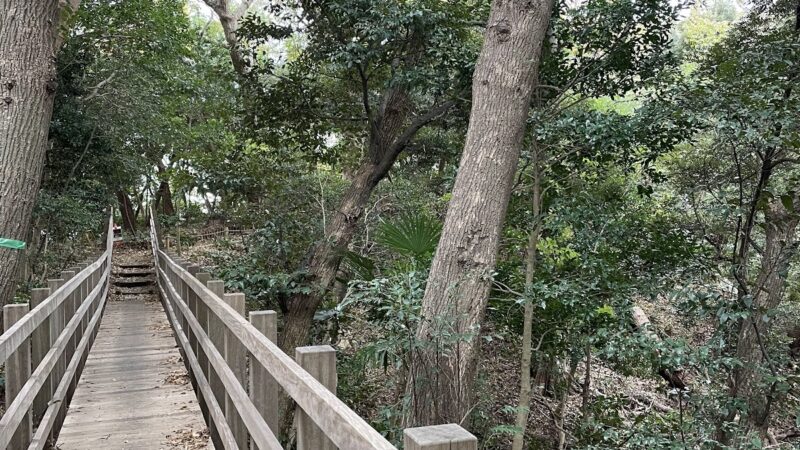
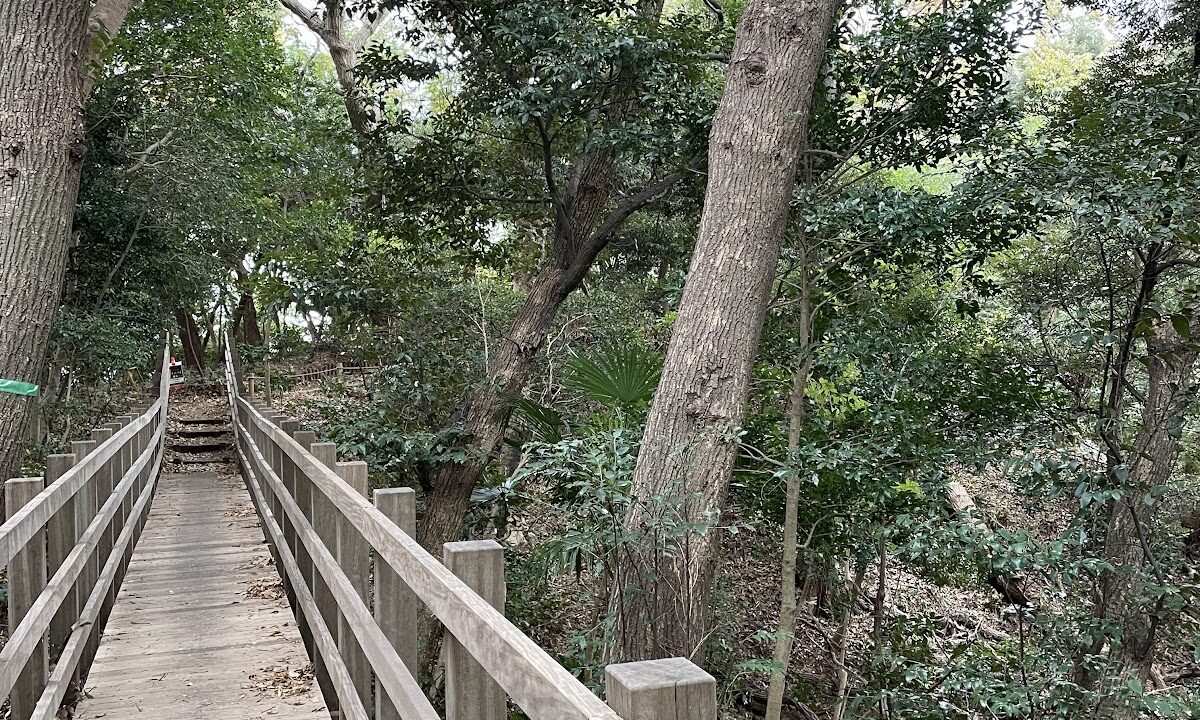
The Former Mitsui Villa Area is a lush forest park with walking trails and observation decks. From this area, located at the top of Shiroyama Hill, you can enjoy panoramic views of Sagami Bay and the town of Oiso, and on clear days, you can even see Mount Fuji.
Highlights and How to Enjoy
The highlights when visiting the Koiso Castle Ruins are not so much the castle ruins themselves, but rather the topography and landscape that served as the stage for history, and the historical value accumulated over generations.
View from the Observation Deck: From the observation deck in the Shiroyama area, you can see the Tokaido road, which was likely once monitored by Echigo Goroshiro. Enjoy the scenery while imagining how warlords of the Sengoku period monitored the surrounding area and devised their strategies from this location.
Yoshida Shigeru Residence: This place allows you to feel the continuity of history from the ruins of a Sengoku period castle to the political history of modern Japan. Yoshida Shigeru may have chosen this location not only for its scenic beauty but also because he recognized its value as a historically significant site.
Nature Walk: The park is planted with plants that change with the seasons, and the cherry blossoms in spring and the autumn leaves are particularly magnificent. It’s a popular spot for locals and tourists alike, offering both historical walks and nature appreciation.
Sengoku Period Picture Scroll Event: Oiso Shiroyama Park occasionally hosts an event called the “Oiso Shiroyama Park Sengoku Period Picture Scroll,” featuring demonstrations by armored samurai and events that allow visitors to experience the atmosphere of the Sengoku period. This is a valuable opportunity to experience the history of Koiso Castle.
Access and Visiting Information
Access by Public Transportation
The nearest station to Koiso Castle Ruins (Oiso Castle Park) is Oiso Station on the JR Tokaido Main Line.
Using Train and Bus:
- Take the Kanagawa Chuo Kotsu bus from JR Oiso Station and get off at the “Shiroyama Park-mae” bus stop, then walk for about 3 minutes.
- Buses run approximately 2-3 times per hour (may vary depending on the time of day).
Walking:
- Approximately 25-30 minutes on foot from JR Oiso Station.
- The route follows National Route 1 and is relatively easy to follow.
Access by Car
Using Expressway:
- Approximately 5 minutes from the Odawara-Atsugi Expressway “Oiso IC”.
- Approximately 30 minutes from the Tomei Expressway “Atsugi IC”.
Parking:
- Oiso Shiroyama Park has its own parking lot (free).
- Due to limited spaces, it may be crowded on holidays.
Opening Hours and Admission Fee
Oiso Shiroyama Park (Shiroyama Area):
- Opening Hours: Always open.
- Admission Fee: Free
Former Yoshida Shigeru Residence:
- Opening Hours: 9:00 AM – 4:30 PM (Last entry at 4:00 PM)
- Closed: Mondays (Open on national holidays, closed the following weekday), New Year holidays
- Admission Fee: General 500 yen, High school and university students 300 yen, Junior high school students and younger free
Best Season to Visit
While Koiso Castle Ruins can be visited year-round, the following times are particularly recommended:
Spring (Late March – April): Cherry blossoms are in full bloom, making it a popular spot for cherry blossom viewing. You can enjoy historical sightseeing and cherry blossoms at the same time.
Autumn (November – Early December): The autumn foliage is beautiful, and the mild climate is ideal for strolling. The view from the observation deck is exceptional due to the clear air.
Winter (January – February): There are fewer tourists, allowing you to quietly reflect on history. On clear days, Mount Fuji is clearly visible.
Nearby Historical Sites and Tourist Information
Historical Charms of Oiso Town
Besides Koiso Castle, Oiso Town boasts many other historical sites. Since the Meiji era, it has developed as a resort area for prominent figures in politics and business, and is known as “Oiso’s villa culture.”
Former Shimazaki Toson Residence: This is the residence where the renowned author Shimazaki Toson spent his later years, and is now open to the public as a memorial museum. It’s about a 10-minute drive from the Koiso Castle ruins.
Shigi-tate-an: A haiku dojo built in the early Edo period, it is considered one of Japan’s three major haiku dojos. It’s a place where you can feel Oiso’s cultural traditions.
Oiso Beach: Known as Japan’s first beach, it has been popular with many people since the Meiji era. In the summer, you can enjoy sightseeing that combines swimming with historical walks.
Nearby Castles and Historical Sites
When visiting Koiso Castle, visiting other castles in Kanagawa Prefecture will allow you to gain a deeper understanding of the history of Sagami Province during the Sengoku period.
Odawara Castle: One of the most famous castles in the Kanto region, which flourished as the base of the Hojo clan. It is about a 30-minute drive from Koiso Castle, and you can visit the reconstructed keep and castle ruins.
Ishigakiyama Castle: A “one-night castle” said to have been built by Toyotomi Hideyoshi in a single night during the siege of Odawara. The stone walls remain in good condition, and it overlooks Odawara Castle.
Tamanawa Castle: A branch castle of the Hojo clan located in Kamakura City, it holds an important position in the history of castles in the Kanto region. Although there are few remains, it is a castle of high historical value.
Points to Note When Visiting Koiso Castle
Adjusting Expectations Regarding Remains
The most important thing when visiting Koiso Castle is to understand that there are almost no clear castle remains. Visitors expecting typical castle remains such as stone walls, earthworks, and moats may be disappointed.
However, it is still possible to feel the atmosphere of the historical site and imagine the castle’s appearance from the topography. Learning about the history of Koiso Castle and the Nagao Kageharu Rebellion beforehand will likely lead to a deeper appreciation of the site.
Photography Tips
Photography at Koiso Castle Ruins will mainly focus on the views from the observation deck and the natural scenery of the park. While photos of the castle remains themselves are unlikely, there are several photo opportunities:
- Views of Sagami Bay and the Tokaido Road from the observation deck
- Architectural beauty of the former Yoshida Shigeru Residence
- Seasonal nature within the park (cherry blossoms, fresh greenery, autumn leaves, etc.)
- Information boards and explanatory panels (as records of historical information)
Estimated Time Required
The time required to visit Koiso Castle Ruins (Oiso Castle Park) varies depending on your purpose.
- Strolling only through the Shiroyama area: 30 minutes to 1 hour
- Visiting the former Yoshida Shigeru Residence: 1 hour 30 minutes to 2 hours
- Sightseeing including surrounding tourist spots: Half a day to 1 day
Historical Significance of Koiso Castle
Position in the Nagao Kageharu Rebellion
Koiso Castle holds a certain significance in Japanese Sengoku period history as a fortress that played a part in the power struggles in the Kanto region at the end of the Muromachi period. The Nagao Kageharu Rebellion began as an internal conflict within the Yamanouchi Uesugi family, the Kanto Kanrei (governor of Kanto), and developed into a large-scale conflict involving the Koga Kubo (governor of Koga).
In this rebellion, Koiso Castle functioned as one of Kageharu’s strongholds, and battles against Ota Dokan took place there. Dokan’s suppression had a significant impact on the subsequent political situation in Kanto, ultimately leading to the rise of Hojo Soun.
Although the history of Koiso Castle is short and detailed records are scarce, it is a subject of historical research as a symbol of the complex political situation in Kanto during the transition to the Sengoku period.
Value as a Strategic Point on the Tokaido Road
Another important aspect of Koiso Castle is its function as a military base for monitoring and controlling the Tokaido Road. From ancient times to the early modern period, the Tokaido was the most important main road connecting eastern Japan with Kyoto.
Controlling this road brought advantages in many areas, including control of logistics, control of military movement, and access to information. The hilly area on which Koiso Castle was built offered an excellent vantage point overlooking the Tokaido Road, making the reason why Echigo Goroshiro chose this location clear.
While many castles were built along the Tokaido Road throughout the Sengoku period, Koiso Castle stands as one of the pioneers, demonstrating the importance of controlling transportation routes.
Related Historical Figures
Nagao Kageharu
Nagao Kageharu was a member of the Nagao clan, vassals of the Yamanouchi Uesugi family, and his father was Nagao Kagenobu. He clashed with his lord over the succession of the family headship and raised an army in 1478.
The Kageharu Rebellion lasted for about 10 years, becoming a large-scale conflict that engulfed the entire Kanto region. Although it was ultimately suppressed through the efforts of Ota Dokan and others, this rebellion was a crucial event that marked the beginning of the Sengoku period in Kanto.
Ota Dokan
Ota Dokan (Doshin, 1432-1486) was a samurai of the late Muromachi period, known for constructing Edo Castle. As a retainer of the Yamanouchi Uesugi family, he made significant contributions to suppressing the Nagao Kageharu Rebellion.
Dokan was known as a master of both military and literary arts, excelling not only in martial prowess but also in poetry, and was hailed as “the greatest samurai of his time.” He successively captured castles belonging to Kageharu’s side, including Koiso Castle, playing a decisive role in suppressing the rebellion. However, his achievements aroused suspicion from his lord, and he ultimately met a tragic end, being assassinated. ### Echigo Goroshiro
Regarding Echigo Goroshiro, who is said to have been the lord of Koiso Castle, there are few historical records, and details are unknown. All that is known is that he holed up in Koiso Castle as a retainer of Nagao Kageharu and that the castle fell after being attacked by Ota Dokan.
His origins, career, and fate after the castle’s fall are unclear, but he is remembered in the history of Koiso Castle as a loyal warrior who remained faithful to his lord, Kageharu, until the end.
Current Status and Challenges of Koiso Castle Research
Historical research on Koiso Castle has not progressed significantly due to the scarcity of historical records. The main sources are limited to military chronicles and later geographical records, with very few contemporary primary sources remaining.
Furthermore, because the remains have been lost, it is difficult to obtain new insights through archaeological investigations. While there is a possibility that new information may be revealed through future excavations in the surrounding area and the discovery of ancient documents, at present, we can only speculate based on the limited information available.
Nevertheless, as one of the sites of the important historical event of the Nagao Kageharu Rebellion, and as a castle built at a strategic point on the Tokaido road, Koiso Castle continues to hold value for research. It will likely continue to attract attention in the context of regional history research and Sengoku period research.
Summary: The Charm of Koiso Castle and the Significance of Visiting It
At first glance, Koiso Castle might seem to have little value as a castle site with no clear remains. However, this castle possesses the following multifaceted appeal:
Firstly, it was the site of the Nagao Kageharu Rebellion, an important historical event in the early Sengoku period. As the location where battles with Ota Dokan took place, it symbolizes a turning point in Japanese Sengoku history.
Secondly, its geographical importance as a strategic point on the Tokaido road. Standing on the site allows one to experience why the castle was built in this location and what its strategic value was.
Thirdly, its historical continuity from the Sengoku period to the modern era. The history of this area, which has transformed from a villa area for zaibatsu (financial conglomerates) to the residence of Shigeru Yoshida, demonstrates that this land has been chosen by people throughout the ages.
Fourthly, there is the modern value of Oiso Castle Park. Located in a rich natural environment, it is a place where many people can enjoy historical walks and nature appreciation simultaneously.
When visiting Oiso Castle, it is important to interpret history not only from the visible remains but also from the topography and landscape. Standing on the observation deck and gazing at Sagami Bay, one can imagine the battles fought here and the thoughts of the warlords who once fought. Such an experience is arguably the greatest significance of visiting Oiso Castle.
While Kanagawa Prefecture boasts many famous castles, including Odawara Castle, smaller castle ruins like Oiso Castle each have their own unique history and stories. Visiting these regional castles is extremely valuable for understanding the complex political situation in the Kanto region during the Sengoku period (Warring States period).
In the scenic land of Oiso, one can gaze upon the sea and reflect on the Sengoku period. The ruins of Koiso Castle are a place where you can have such a luxurious historical experience.