.png)
Yumibari Castle (Kimotsuki Town, Kagoshima Prefecture) Complete Guide: The History and Highlights of a Mysterious Medieval Mountain Castle in Osumi
What is Yumibari Castle?
Yumibari Castle is a medieval mountain castle built on Shiroyama (elevation 103m) in Shintomi, Kimotsuki Town, Kimotsuki District, Kagoshima Prefecture. Also known as “Fumoto no Shiro” and “Shiroyama,” it is a castle ruin that occupies an important position in the medieval history of the Osumi region.
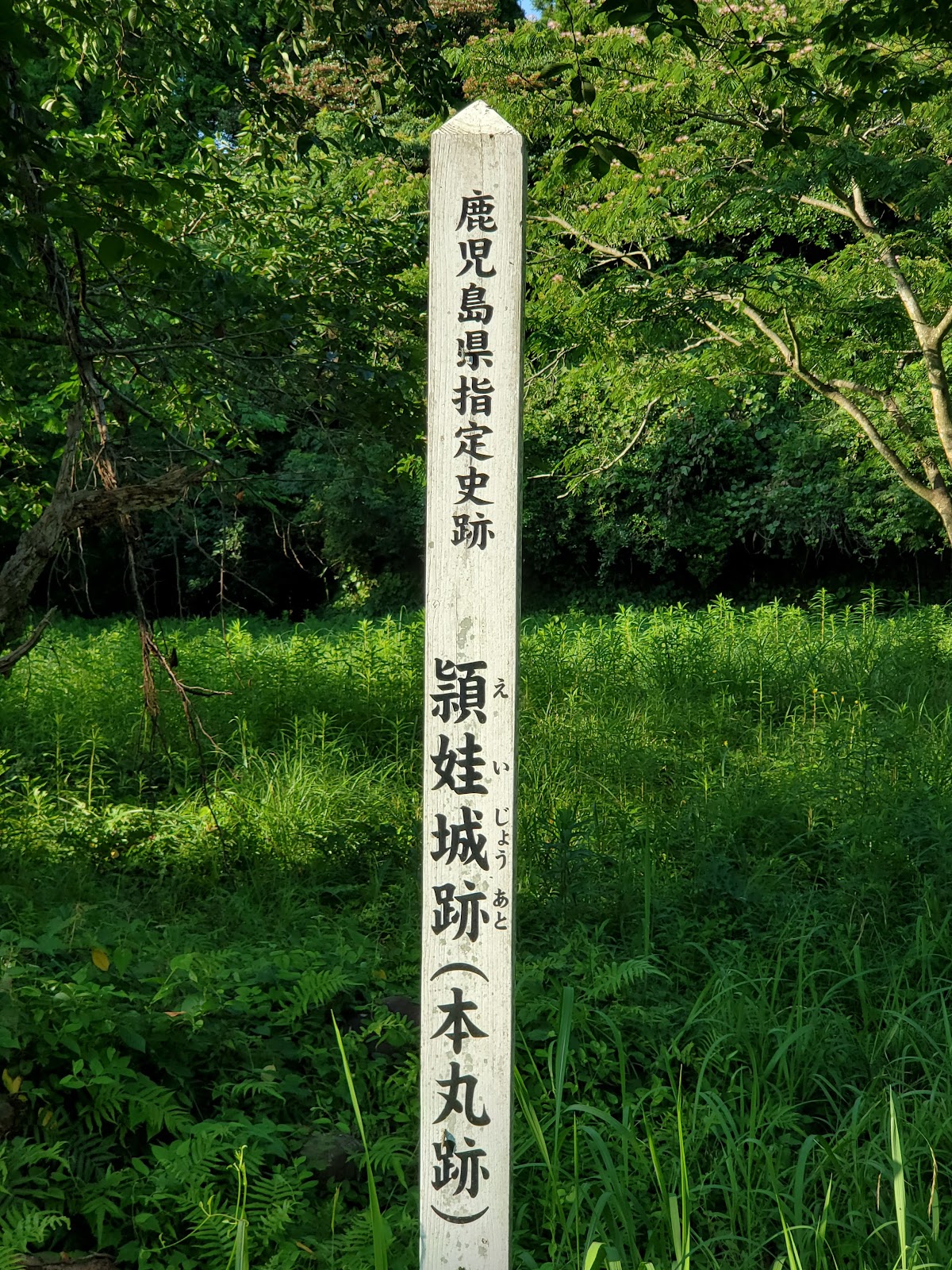
Even today, the remains of earthworks, baileys, and moats are well-preserved, making it a valuable historical site for learning about the structure of medieval mountain castles. Built on a hilly area in the center of Kimotsuki Town, this castle is an important cultural heritage that conveys the history of the region to the present day.
History of Yumibari Castle
The Mystery of its Construction: Nirei Yorinaka and the Kimotsuki Clan
The greatest mystery of Yumibari Castle lies in the circumstances of its construction. This castle is believed to have been built by Nirei Yorinaka, a samurai who was active in Shibushi. However, the details of how a Shibushi samurai was able to build his own castle in what was then the territory of the Kimotsuki clan remain unclear.
The Nirei clan was a powerful local samurai group based in Shibushi, while the Kimotsuki clan was a well-known powerful local lord of the Osumi Peninsula. The relationship between the two clans and the political background that made the construction of Yumihari Castle possible are still debated among historians.
Position in Medieval Osumi
Medieval Osumi was a complex political situation with multiple powerful local lords, including the Kimotsuki, Neji, and Kunigo clans, vying for power. Yumihari Castle was located in an area where these forces intersected, and it may have held political significance beyond a mere military base.
In particular, Shibushi was an important port city in southern Kyushu and a key point for maritime trade. It is believed that the Nirei clan built a castle in this area with strategic intentions, such as expanding their influence inland and securing trade routes.
Changes after the Sengoku Period
During the Sengoku period, the Osumi region was also affected by the expansion of the Shimazu clan’s power. The Kimotsuki clan initially opposed the Shimazu clan, but ultimately came under their control. There are no clear records of what role Yumihari Castle played in this process, nor when it was abandoned.
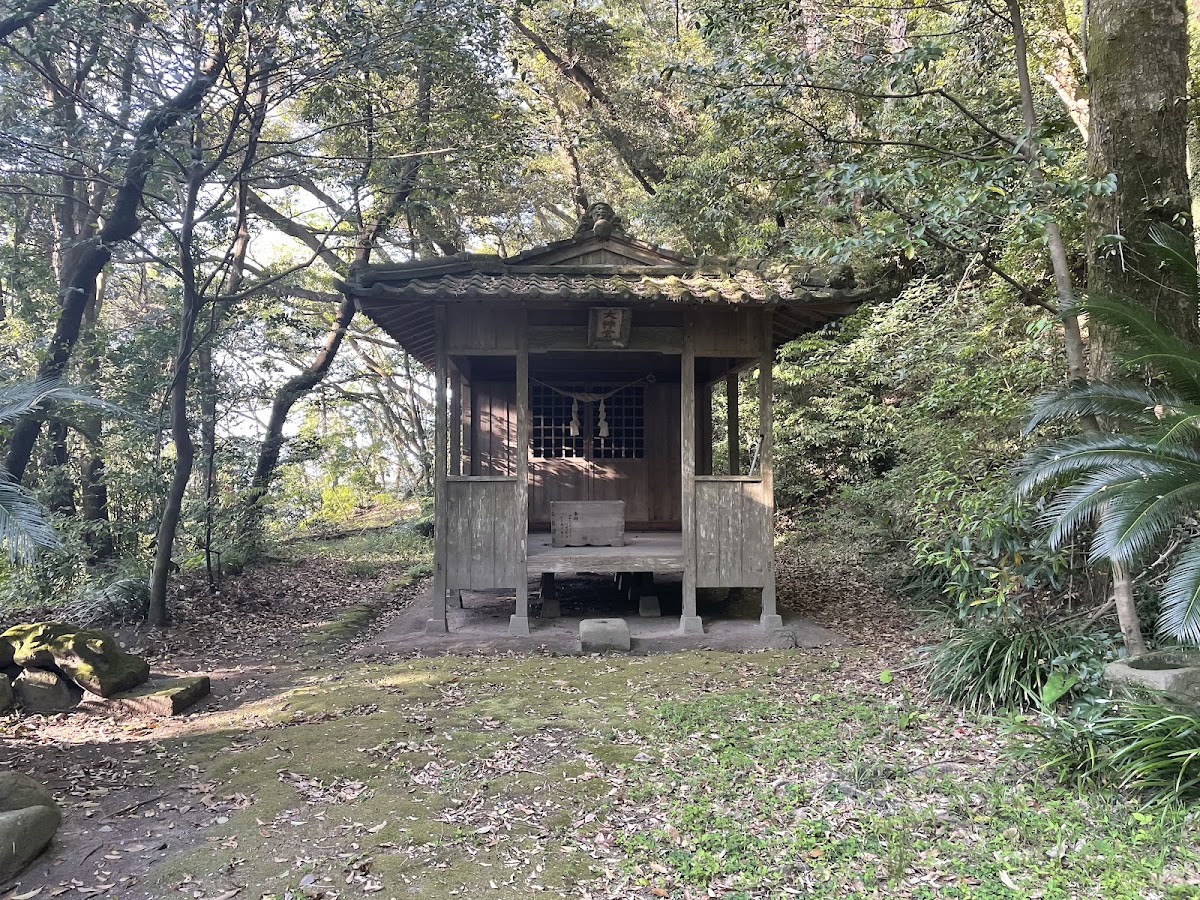
During the Edo period, the castle lost its function, and the castle hill came to be used as a place of worship and living for the local community. To this day, it continues to be affectionately known as “Shiroyama” (Castle Hill) by the locals.
Structure and Remains of Yumihari Castle
Characteristics as a Mountain Castle
Yumihari Castle is a typical medieval mountain castle built on a hill 103 meters above sea level. While the elevation difference is not particularly large, its location overlooking the surrounding plains provides excellent defensive and surveillance advantages.
A common characteristic of mountain castles in southern Kyushu is their layout, which takes advantage of the unique topography of the Shirasu plateau. Shirasu is easy to process but also prone to crumbling, requiring unique construction techniques to address this.
Major Remains
Enclosures (Kuruwa)
Multiple enclosures (kuruma) have been identified within the castle grounds. A series of enclosures, arranged in stages around the main enclosure, form the framework of the mountain castle. Each enclosure is relatively flat and is thought to have been used for buildings or troop encampments.
The arrangement of the enclosures reveals the builder’s intention to efficiently utilize the limited space. While medium-sized for a medieval mountain castle, it is characterized by its functional layout.
Earthworks
Earthworks surround each enclosure. These earthworks functioned as defensive structures and also clearly defined the boundaries of the enclosures. They remain relatively well-preserved today, making them important remains for understanding the construction techniques of the time.
The earthworks of southern Kyushu were constructed using a unique method adapted to the soil of the Shirasu plateau, and the earthworks of Yumihari Castle also exhibit this characteristic.
Moats and Dry Moats
Important moats and dry moats, crucial defensive structures for mountain castles, have also been identified. These structures were designed to block the ridgeline and prevent enemy incursions. The scale and arrangement of the moats reveal the castle’s defensive plan.
In particular, more robust defensive structures are positioned in the directions assumed to be the main invasion routes, reflecting the tactical thinking of the castle’s builder.
Highlights of Yumihari Castle
View from the Castle Mountain
From the summit of the castle mountain, you can enjoy a panoramic view of the town of Kimotsuki and the surrounding mountains. On a clear day, the vast landscape of the Osumi Peninsula unfolds, and imagining the medieval castle lords gazing upon this view evokes a sense of historical romance.
The view is not only aesthetically valuable but also important for understanding the military function of the mountain castle. Understanding the strategic value of a castle by considering which directions could be monitored and what kind of information could be obtained.
Well-Preserved Remains
One of the attractions of Yumihari Castle is the relatively well-preserved remains of this medieval mountain castle. The earthworks and the shapes of the baileys are clearly visible, making it a valuable subject for castle enthusiasts.
By observing even the smallest details, such as the cross-sections of the earthworks and the elevation changes of the baileys, one can discover the construction techniques and ingenuity of the time. Even without specialized knowledge, walking through the remains allows one to experience the atmosphere of a medieval mountain castle.
Quiet Exploration Environment
While Yumihari Castle is not widely known, this offers the advantage of exploring the castle ruins in a quiet environment. It’s a valuable place where you can carefully observe the remains and reflect on medieval history without worrying about crowds.
Among castle enthusiasts, many find special value in visiting such “hidden gems,” and Yumihari Castle is certainly one of them.
Access Information
Location
Address: Shiroyama, Shintomi, Kimotsuki-cho, Kimotsuki-gun, Kagoshima Prefecture
Access by Public Transportation
Public transportation access is limited. There is no nearby train station; buses are the primary mode of transport.
- Approximately 1 hour 30 minutes by car from Kagoshima Airport
- Approximately 30 minutes by car from Kanoya city center
Since bus services are infrequent, it is recommended to check the timetable in advance.
Access by Car
Access by car is the most convenient.
- Approximately 40 minutes from the Soo-Yagoro IC on the Higashi-Kyushu Expressway
- Use National Route 220 and National Route 448
There are parking spaces around Shiroyama, but they are not designated as parking areas. Therefore, when parking on the street, please be careful not to obstruct surrounding traffic.
Points to Note When Visiting the Castle
- Some parts of the path to the castle are not well-maintained, so we recommend wearing comfortable shoes.
- In summer, vegetation can grow thick, making it difficult to see the ruins.
- Don’t forget insect repellent.
- Prepare drinking water in advance.
- The estimated time required for a visit is about 30 minutes.
Nearby Tourist Attractions
Takayama Castle Ruins
Takayama Castle Ruins, known as the main castle of the Kimotsuki clan, is about a 10-minute drive from Yumihari Castle. It is an important castle ruin indispensable for understanding the history of the Kimotsuki clan, and visiting it together with Yumihari Castle will give you a deeper understanding of the medieval history of this region.
Uchinoura Space Center
Another face of Kimotsuki Town is the Uchinoura Space Center, a base for space development. You can enjoy a combination of sightseeing that transcends time, visiting a medieval castle ruin and a modern space development facility.
Kimotsuki Town Historical and Folk Museum
This facility allows you to learn about the history and culture of the region. There are also exhibits related to Yumihari Castle and the Kimotsuki clan, and visiting before or after visiting the castle ruins will provide a deeper understanding.
Shibushi Castle Ruins
Shibushi, the base of the Nirei clan, is home to the Shibushi Castle Ruins, a nationally designated historical site. Visiting the base of operations for Nirei Yorinaka, who built Yumihari Castle, will provide a better understanding of the background to its construction. It’s about a 40-minute drive away.
History and Culture of Kimotsuki Town
History of the Kimotsuki Clan
The Kimotsuki clan was a powerful local lord representing the Osumi Peninsula during the medieval period. They wielded considerable power in this region from the late Heian period to the Sengoku period. They used Takayama Castle as their main castle and controlled their territory by strategically placing many branch castles around it.
The Kimotsuki clan also left behind outstanding cultural achievements, and traditional events such as Yabusame (mounted archery) are still practiced today. Understanding the activities of the Kimotsuki clan during the time Yumihari Castle was built is crucial to understanding the historical significance of this castle.
Medieval History of Osumi
The medieval history of the Osumi region presented a complex picture, characterized by multiple local lords vying for power, sometimes cooperating, sometimes clashing. The Kimotsuki, Neji, and Kunigo clans were among the major powers, each building their own unique castle networks.
Yumihari Castle emerged within this political landscape of medieval Osumi, and it’s crucial to understand it within the historical context of the entire region, rather than in isolation.
The Value of Yumihari Castle in Castle Research
Characteristics of Southern Kyushu Mountain Castles
Yumihari Castle possesses many characteristics common to mountain castles in southern Kyushu. Its construction techniques adapted to the unique geology of the Shirasu plateau, its relatively small yet functional layout, and its defensive structures primarily based on earthworks are important elements for understanding mountain castles in this region.
Nationwide, castles in southern Kyushu have undergone unique development, and Yumihari Castle is a valuable example of this development.
Unresolved Historical Issues
Many historical issues remain unresolved regarding Yumihari Castle. Currently, there is a lack of definitive documentation regarding basic matters such as the circumstances of its construction, period of use, and the timing of its abandonment.
These mysteries are a subject of exploration for researchers and a source of romance for general castle enthusiasts. Future archaeological excavations and documentary research may reveal new facts.
Visitor Voices and Evaluations
On castle enthusiast community websites, visitors to Yumihari Castle have posted their impressions. Evaluations include comments such as “The remains are well-preserved,” “It’s a quiet place to explore,” and “Access is somewhat difficult.”
The average evaluation is moderate, which is likely due to its low profile and inconvenient access. On the other hand, the castle remains themselves receive many positive evaluations, and it is recognized as a castle site worth visiting.
Recommendations for Visiting Yumihari Castle
Recommended Time to Visit
The best time to visit Yumihari Castle is from autumn to spring. This time of year sees less vegetation, making it easier to observe the ruins. The mild climate also makes it ideal for exploration.
In summer, insects are abundant and vegetation is dense, making observation of the ruins difficult. However, the beauty of the fresh green season is undeniably appealing.
Points for Exploration
When visiting Yumihari Castle, keeping the following points in mind will make your visit more fulfilling:
- Prior Study: Gain basic knowledge about the history of the Kimotsuki and Nirei clans.
- Topographical Observation: Carefully observe the layout of the enclosures and the shape of the earthworks.
- View Confirmation: Check what can be seen from the castle and consider its strategic value.
- Photography: Record the ruins (but remember to be considerate of private property).
- Comparison with Surrounding Castles: Compare it with surrounding castle ruins such as Takayama Castle.
Message to Castle Fans
Yumihari Castle is not a famous castle ruin, but that’s precisely why it’s worth visiting. This is a precious place where you can experience a medieval mountain castle in a tranquil setting and contemplate the mysteries of history.
If you are planning a tour of castles in southern Kyushu, be sure to add Yumihari Castle to your list. It will be an unforgettable experience as part of a journey to explore the rich history and culture of the Osumi Peninsula.
Accommodation and Dining in Kimotsuki Town
Accommodation
Kimotsuki Town has guesthouses and small hotels. There are also many accommodations in the neighboring city of Kanoya, making it a convenient base.
In the Uchinoura area, there are accommodations for tourists visiting the space observatory. You can create an itinerary that combines castle ruins exploration with a visit to the space development facility.
Local Food Culture
The Osumi Peninsula is a region with a rich food culture. You can enjoy dishes using ingredients unique to Kagoshima, such as Kurobuta pork, Kurogyu beef, and fresh seafood.
In Kimotsuki Town, there are restaurants that serve local cuisine using locally sourced ingredients. After exploring the castle ruins, why not enjoy the local flavors?
Summary
Yumihari Castle is a medieval mountain castle built on Shiroyama Mountain in Kimotsuki Town, Kagoshima Prefecture. It’s a mysterious castle site, said to have been built by Yorinaka Nirei of Shibushi within the Kimotsuki clan’s territory. The remains, such as earthworks and baileys, are well-preserved, making it a valuable historical site for understanding the characteristics of medieval mountain castles in southern Kyushu.
While access is somewhat inconvenient, it’s a charming spot where you can reflect on medieval history in a quiet environment. Visiting it along with other nearby castle ruins such as Takayama Castle and Shibushi Castle will allow you to gain a deeper understanding of the medieval history of the Osumi region.
For castle enthusiasts, history buffs, and those interested in exploring the culture of southern Kyushu, Yumihari Castle is a place worth visiting. Explore this medieval mountain castle while experiencing the rich nature and history of Kimotsuki Town.