A Complete Guide to the History and Highlights of Shōtsūji Castle (Ayauta District, Kagawa Prefecture)
Shōtsūji Castle is a mountain castle built on Mt. Shōtsūji, which straddles Utazu Town and Sakaide City in Ayauta District, Kagawa Prefecture. Located on a mountaintop at an altitude of 122m (relative height approximately 120m), offering panoramic views of the Seto Inland Sea, it is also known as Shōtsūjiyama Castle, Utazu Castle, and Hirayama Castle. From the Muromachi period to the Sengoku period, it functioned as an important base in Sanuki Province, and historically important warlords such as the Nara, Sengoku, and Ikoma clans served as its lords.
Basic Information on Shōtsūji Castle
Location and Geography
Shōtsūji Castle is located in Sakashita, Hirayama, Utazu Town, Ayauta District, Kagawa Prefecture. Built on the summit of Mount Shōtsūji, which is believed to have once been a cape jutting out into the Seto Inland Sea, the view of the Shiwaku Islands floating in the Seto Inland Sea from the summit is still magnificent, allowing one to truly appreciate the importance of its strategic location.
Basic Data:
- Location: Hirayama, Utazu-cho, Ayauta-gun, Kagawa Prefecture
- Former Province: Sanuki Province
- Elevation: 122m (Relative height approximately 110-120m)
- Classification/Structure: Mountain castle
- Construction Period: Ōnin era (around 1467-1468)
- Builder: Nara Tarōzaemon Motoyasu
- Main Lords: Nara clan, Sengoku Hidehisa, Bito Tomonori, Ikoma Chikamasa
- Year of Abandonment: Tenshō 16 (1588)
- Keep Structure: None
- Remains: Enclosures, moats, earthworks, stone monument
- Current Status: Developed as Tokiwa Park
Castle Structure
Shōtsūji Castle is a mountain castle with a series of interconnected baileys, composed of three peaks: the north peak, the central peak, and the south peak. The central peak served as the main keep, and a transmission tower now stands there. The north peak, known as Hirayama, is now developed as Tokiwa Park and has a wedding hall. An outwork was located on the south peak. The layout, utilizing these three peaks, indicates that it functioned as a defensive line against the inland areas of Sanuki Province, while monitoring maritime traffic in the Seto Inland Sea.
Detailed History of Shōtsūji Castle
Construction and the Era of the Nara Clan
The history of Shōtsūji Castle begins during the Nanboku-chō period and the Muromachi period. During the Ōnin era (around 1467-1468), Nara Tarōzaemon Motoyasu, who served as a retainer for the Hosokawa clan (the Kanrei), was granted the two districts of Utari and Naka for his military achievements in the Battle of Takaya, and is said to have built the castle on Shōtsūji Mountain.
The Nara clan held significant power in Sanuki Province, and Nara Motomasa, in particular, was a powerful figure, considered one of the “Four Heavenly Kings of the Hosokawa Keichō Family,” along with Kagawa Motoaki, Kōzai Motosuke, and Yasutomi Morinaga. The Nara clan controlled the two districts of Utari and Naka from their base at Shōtsūji Castle, expanding their influence by controlling a crucial point on the Seto Inland Sea’s maritime trade routes.
Chōsokabe Motochika’s Invasion and the Fall of the Castle
In 1582 (Tenshō 10), Chōsokabe Motochika of Tosa, aiming to unify Shikoku, invaded Sanuki Province. Chōsokabe Motochika led a massive army of 12,000 men to attack Shōtsūji Castle. Faced with this overwhelming difference in military strength, the Nara clan had no choice but to abandon the castle.
The castle lord, the Nara clan, fled, seeking refuge with Sogō Masayasu, who was at Shōzui Castle in Awa Province. Thus, the Nara clan’s rule over Shōtsūji Castle came to an end, and the castle came under the control of the Chōsokabe clan.
The Era of Sengoku Hidehisa and Bito Tomonori
In 1585, after Toyotomi Hideyoshi’s conquest of Shikoku, Sengoku Hidehisa was appointed to Sanuki Province. Sengoku Hidehisa is said to have positioned Shōtsūji Castle as an important base and carried out renovations. However, Sengoku Hidehisa was dispossessed of his domain after his defeat at the Battle of Hetsugigawa in 1586.
Afterward, Bito Tomonori became the lord of the castle, but the Bito clan’s rule did not last long. The system of control over Sanuki Province under the Toyotomi regime was constantly changing in short periods.
Ikoma Chikamasa and the Relocation to Takamatsu Castle
In 1587, Ikoma Chikamasa was appointed as the lord of Sanuki Province with a domain of over 170,000 koku. Initially, Ikoma Chikamasa was based at Hikita Castle, but later moved his base to Shōtsūji Castle, located in the central part of Sanuki Province.
However, Shōtsūji Castle, being a mountain castle, was inconvenient as a residence for a modern daimyo. Furthermore, to more effectively manage maritime traffic in the Seto Inland Sea, Ikoma Chikamasa began construction of Takamatsu Castle in 1588 (Tenshō 16) as his new residence. Takamatsu Castle was designed as a coastal castle and possessed all the functions of a modern castle.
With the completion of Takamatsu Castle, Shōtsūji Castle ceased its role and was abandoned in 1588 (Tenshō 16). After approximately 120 years since its construction, this mountain castle, which had witnessed the turbulent times of the Sengoku period, thus disappeared from the stage of history.
Remains and Highlights of Shōtsūji Castle
Existing Remains
Although more than 400 years have passed since the abandonment of Shōtsūji Castle, remains of the mountain castle can still be seen today. Major Remains:
- Enclosures (Kuruwa): Traces of enclosures remain on the north, middle, and south peaks.
- Moat: Traces of defensive structures separating each peak.
- Earthworks: Traces of earthworks can be seen in some areas.
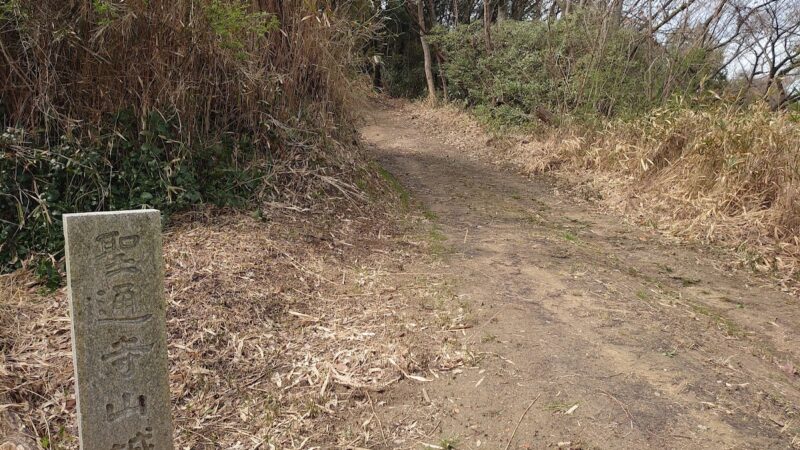
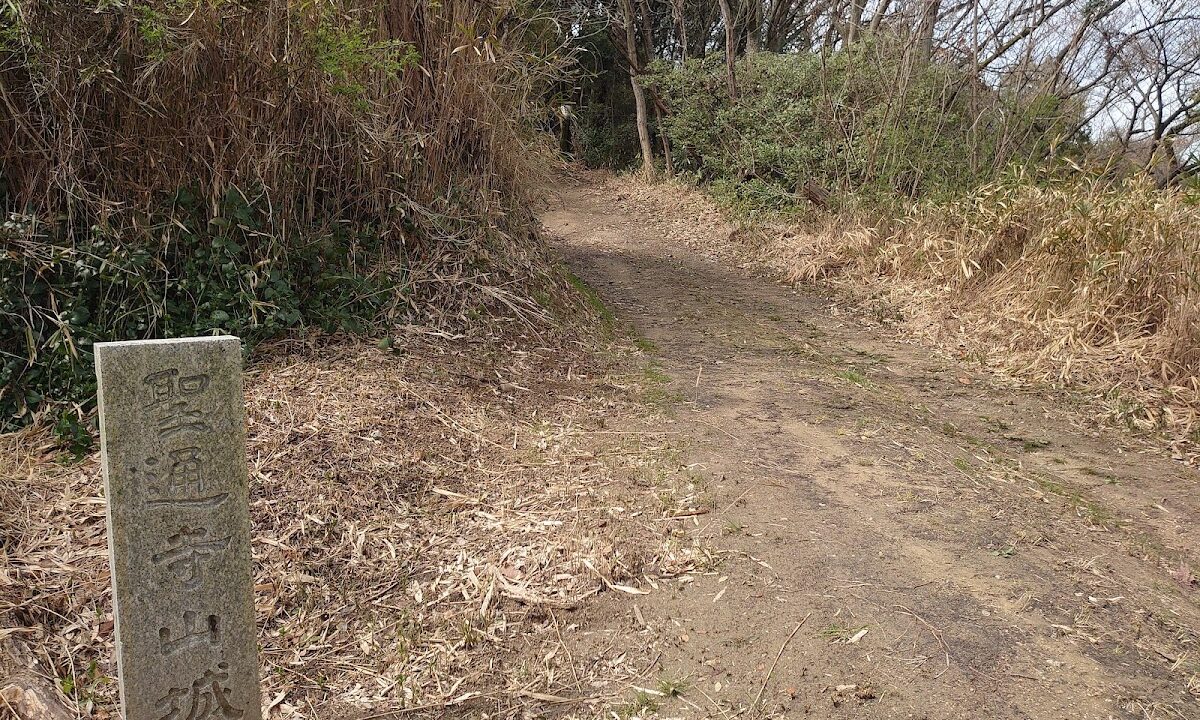
- Stone Monuments: A stone monument inscribed “Hirayama Castle” stands in the corner of the Tokiwa Park parking lot, and a stone monument inscribed “Shotsuji-yama Castle” stands on the southern summit.
View from Tokiwa Park
The north peak is currently developed as Tokiwa Park, and a wedding hall has also been constructed. From the park, you can enjoy a spectacular view of the Seto Inland Sea, and on a clear day, you can see all the islands of the Shiwaku Islands. This view speaks to why Shotsuji Castle was considered important as a key point for maritime traffic.
A parking lot is available, making it accessible by car. A stone monument inscribed “Hirayama Castle” stands in the corner of the parking lot, indicating that this site was once a castle.
Main Enclosure Site on Nakamine Peak
Nakamine Peak is considered the site of the main enclosure, and currently a transmission tower stands there. From the main enclosure, a 360-degree view unfolds, offering a panoramic vista stretching from the Sanuki Plain to the Seto Inland Sea. One can imagine the castle lord surveying his territory from this vantage point.
Outpost Site on Minamimine Peak
An outpost was located on Minamimine Peak. A stone monument inscribed with “Shōtsūji-yama Castle” stands on the summit of Minamimine Peak, indicating its castle site. Minamimine Peak held a crucial position for inland defense.
Historical Background of Shōtsūji-yama
Human Activity from the Paleolithic Era
Shōtsūji-yama is believed to have originally been a cape jutting out into the Seto Inland Sea. Archaeological investigations have uncovered evidence of human habitation from the Paleolithic era, indicating its importance to people since ancient times.
Stone Mound Burial Mound
A stone mound burial mound lies on the mountaintop, indicating that this area was considered important even during the Kofun period (Tumulus period). Its location, allowing for monitoring of maritime traffic in the Seto Inland Sea, held strategic value from ancient times.
The Existence of Shōtsūji Temple
Shōtsūji Temple, from which the mountain gets its name, is a Shingon Buddhist temple located at the western foot of the mountain. Founded during the Tenpyō era by Gyōki Bodhisattva, it was later restored by Shōbō (Rigen Daishi). Shōbō is known as one of the Five Great Masters of Sanuki.
Shōtsūji Temple is also one of the 33 Kannon pilgrimage sites of Sanuki and has functioned as a center of local faith. The coexistence of a castle and a temple on the same mountain is an interesting example illustrating the relationship between religion and military power in the medieval period.
Transportation Access and Surrounding Area Information
Access Methods
Access by Train:
- Approximately 10 minutes by car from JR Yosan Line “Utazu Station”
- Approximately 30-40 minutes on foot from Utazu Station (using the hiking trail)
Access by Car:
- Approximately 10 minutes from Seto-Chuo Expressway “Sakaide IC”
- Parking available at Tokiwa Park (free)
Hiking Trail:
- A hiking trail is maintained from the grounds of Shōtsūji Temple
- It is possible to climb to the castle on foot, but comfortable walking shoes are recommended as it is a mountain trail.
Surrounding Castles
Several castles that tell the history of Sanuki Province exist around Shōtsūji Castle.
Marugame Castle:
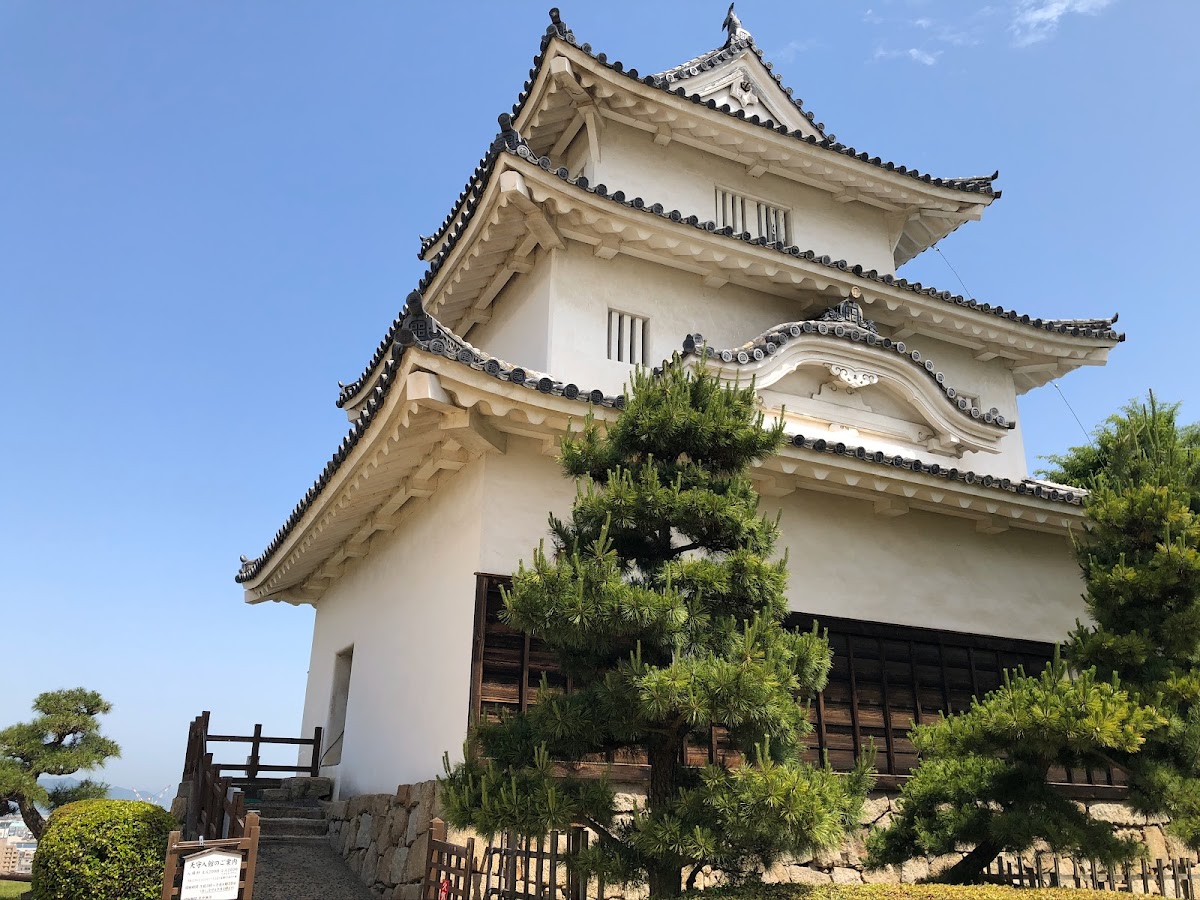
Approximately 8 km west of Shōtsūji Castle is Marugame Castle, known as one of the twelve remaining original castle keeps. It was built by Yamazaki Ieharu, who divided and ruled Sanuki Province after the Ikoma clan, and later became the residence of the Kyōgoku clan. Famous for its magnificent stone walls, Takamatsu Castle is highly recommended for a visit to both Shōtsūji Castle and Takamatsu Castle.
Takamatsu Castle:
Built by Ikoma Chikamasa as a successor to Shōtsūji Castle, this is a coastal castle. Currently, it is maintained as Tamamo Park, where you can see the remains of the water castle. The relocation from Shōtsūji Castle to Takamatsu Castle symbolized the transition from medieval mountain castles to early modern flatland castles.
Nearby Spots
Utazu Town:
Located at the foot of Shōtsūji Castle, Utazu Town is a historic town that has flourished as a port town since ancient times. The town retains its old streetscape, making it ideal for historical walks.
Seto Ohashi Bridge:
From Shōtsūji Mountain, you can enjoy a close-up view of the Seto Ohashi Bridge. It’s a valuable place where you can experience both a massive modern structure and the remains of a medieval mountain castle simultaneously.
Kotohira Shrine:
Located approximately 15km south of Shōtsūji Castle, Kotohira Shrine, affectionately known as “Konpira-san,” is a representative shrine of Sanuki Province. It is believed that Sanuki’s warlords, including the Nara clan, also visited the shrine.
Points to Note When Visiting Shōtsūji Castle
Preparations for Climbing the Castle
Shōtsūji Castle is a mountain castle, and visiting the remains requires walking along mountain paths. The following preparations are recommended.
- Attire: Comfortable clothing and walking shoes (trekking shoes recommended)
- Items to bring: Drinks, towel, insect repellent (summer)
- Time: Allow 1-2 hours from arrival to sightseeing
- Weather: Be careful as the ground can be slippery in rainy weather
Points to note during your visit
- Tokiwa Park Parking Lot: First, check the “Hirayama Castle” monument in the parking lot
- View of the Seto Inland Sea: Enjoy the view of the Seto Inland Sea and the Shiwaku Islands from the north peak
- Main Enclosure Ruins on the Middle Peak: Check the shape of the enclosure near the transmission tower
- South Peak: Visit the “Shotsujiyama Castle” monument and the remains of the outer bailey
- Shotsuji Temple: After descending, visit Shotsuji Temple at the western foot of the mountain
Historical Significance of Shotsuji Castle
Strategic Importance in Sanuki Province
Shōtsūji Castle, located in the central part of Sanuki Province and situated in a location that allowed for monitoring maritime traffic in the Seto Inland Sea, was a strategically important fortress throughout the medieval period. The Nara clan’s ability to control the Utari and Naka districts from this base was precisely due to this geographical advantage.
Turning Point from Medieval to Early Modern Period
The relocation of Ikoma Chikamasa’s base from Shōtsūji Castle to Takamatsu Castle symbolizes the shift in Japanese castle history from medieval mountain castles to early modern flatland castles. With the end of the Sengoku period, the role of castles shifted from mountain castles, which emphasized defense, to flatland castles, which served as political and economic centers.
Role in the Shikoku Unification Campaign
In Chōsokabe Motochika’s campaign to unify Shikoku, the capture of Shōtsūji Castle was a crucial step in conquering Sanuki Province. Furthermore, even after Toyotomi Hideyoshi’s pacification of Shikoku, it continued to function as a base for controlling Sanuki Province. The fact that the castle changed hands between the Sengoku, Bito, and Ikoma clans within just a few years speaks volumes about the political turmoil from the late Sengoku period to the early modern period.
The Charm of Shōtsūji Castle
Historical Romance
Shōtsūji Castle, which was associated with famous warlords such as the Nara clan, Chōsokabe Motochika, Sengoku Hidehisa, and Ikoma Chikamasa, is filled with the historical romance of the Sengoku period. By exploring the ruins while imagining the role the castle played in each era, you can have a deeper historical experience.
Scenic Spot
The view of the Seto Inland Sea from Tokiwa Park is one of Shōtsūji Castle’s greatest attractions. The islands floating in the Seto Inland Sea, the ships passing by, and the Seto Ohashi Bridge visible in the distance—seeing this view, you’ll intuitively understand why this area has been considered important since ancient times.
Easily Accessible Mountain Castle
Since Tokiwa Park is accessible by car, you can easily visit without needing full-fledged mountaineering equipment. This is a recommended spot not only for castle enthusiasts, but also for those interested in history and those who want to enjoy the scenery.
Summary
Shōtsūji Castle is a historically important mountain castle located in Utazu-cho, Ayauta-gun, Kagawa Prefecture. Built by the Nara clan during the Ōnin era, it functioned as a strategic point in Sanuki Province throughout the Sengoku period. It is a castle that experienced a turbulent history, including the invasion by Chōsokabe Motochika, the changes in rulers under the Toyotomi regime, and the relocation to Takamatsu Castle and subsequent abandonment of Shōtsūji Castle by Ikoma Chikamasa.
Currently, it is maintained as Tokiwa Park, where you can see the remains of the baileys and moats. Above all, the spectacular view of the Seto Inland Sea from the mountaintop is a must-see. With easy access (approximately 10 minutes by car from Utazu Station), it is a valuable spot where you can experience the history of Sanuki, and a place that castle enthusiasts and history lovers should visit.
Visiting it along with the nearby Marugame Castle and Takamatsu Castle will allow you to gain a deeper understanding of the castle history of Sanuki Province. Be sure to visit Shōtsūji Castle, where you can enjoy both the beautiful scenery of the Seto Inland Sea and the historical romance of the Sengoku period at the same time.