Hitokabe Castle (Oshu City, Iwate Prefecture) Complete Guide | History, Ruins, and Access Information
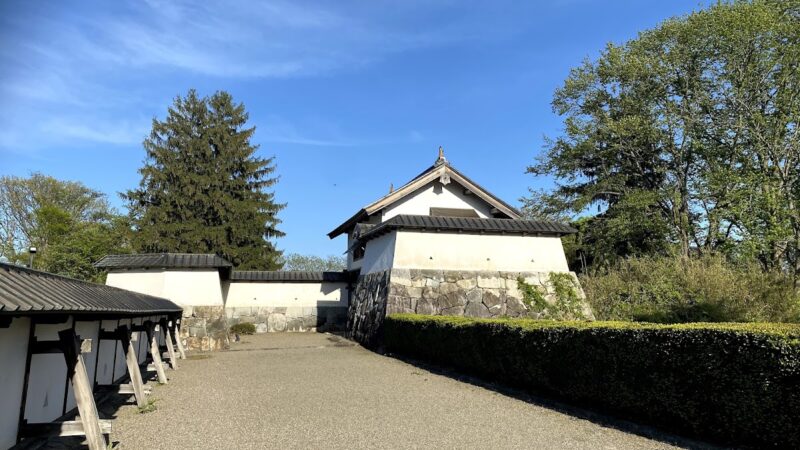
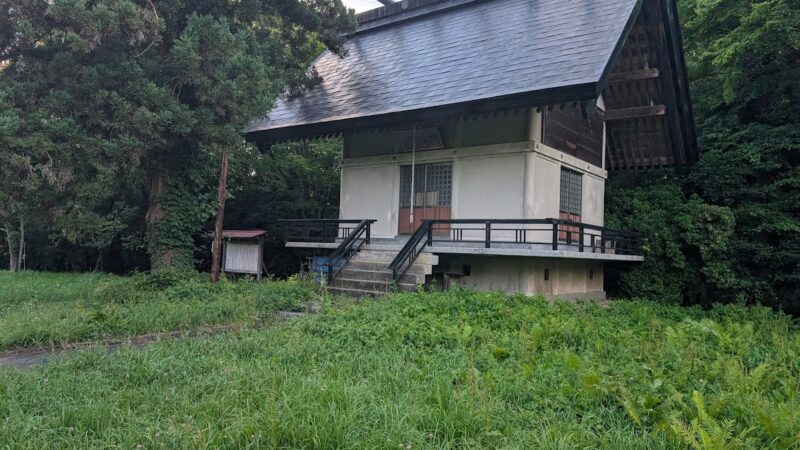
Hitokabe Castle, located in Yonesato, Esashi Ward, Oshu City, Iwate Prefecture, is a mountain castle with a long history dating from the Heian period to the Meiji Restoration. It functioned as an important stronghold on the northern frontier of the Date clan, and valuable castle ruins remain to this day. This article provides a detailed explanation of Hitokabe Castle, from its historical background and highlights to access methods and surrounding tourist information.
What is Hitokabe Castle?
Hitokabe Castle is a mountain castle located in Aramachi, Yonesato, Esashi Ward, Oshu City, Iwate Prefecture, built on a hill approximately 210m above sea level and 50m above ground level. It is commonly known by various names such as “Hitokabe Fortress,” “Hitokabe Residence,” and “Gagyū Castle,” and played an important role as one of the 21 strongholds of the Date clan.
Basic Information on Hitokabe Castle
Name: Hitokabe Castle Ruins
Location: Aramachi, Yonesato, Esashi-ku, Oshu City, Iwate Prefecture
Classification/Structure: Hilltop Castle/Mountain Castle
Builder: Hitokabe Clan (Hitokabemaru in legend)
Year of Construction: Heian period (legend), effectively Sengoku period
Main Lords: Hitokabe Clan, Nanbu Clan, Numabe Clan, Vassals of the Date Clan
Remains: Enclosures, earthworks, moats, gate ruins, main gate ruins
Admission Fee: Free
Visiting Hours: No restrictions (daytime visits recommended)
Parking: Available (approx. 2-3 cars)
History of Hitokabe Castle
Legends of the Heian Period
An interesting legend remains regarding the origin of Hitokabe Castle. In 801, during the Heian period, when Sakanoue no Tamuramaro advanced into the Tohoku region to subdue the Emishi people, it is said that Hitokubimaru, the son of Otakemaru (who is believed to be the younger brother of Aterui), took refuge in this area. This legend is the origin of the place name “Hitokubi,” indicating that this area was a strategically important military location from ancient times.
Construction during the Sengoku Period
It is believed that the castle was actually developed as a fortress during the Sengoku period (Warring States period). Built by the Hitokubi clan, who ruled this region, it functioned as part of the Nanbu clan’s sphere of influence. During the Sengoku period, the Tohoku region was embroiled in fierce power struggles between the Nanbu and Date clans, and Hitokubi Castle was at the center of this conflict.
Fortress during the Date Domain
In the Edo period, Hitokubi Castle came under the control of the Date domain and was developed as one of the “21 Fortresses of the Date Domain.” Located on the northern edge of the Date domain, close to the border with the Nanbu domain, it functioned as an extremely important military base. The castle was ruled by retainers of the Date clan, such as the Numabe clan, and continued to serve as a strategic stronghold until the Meiji Restoration.
The castle town was lined with samurai residences, and the “Hitokubi Guardhouse Ruins” remain along Prefectural Road No. 8, the “Morikaido,” conveying the appearance of the castle as an administrative and military base at the time.
Remains and Highlights of Hitokubi Castle
Layout and Structure
Hitokubi Castle is a flatland castle utilizing a hill with a relative elevation of approximately 50m, characterized by its layout that skillfully makes use of the natural terrain. Multiple enclosures are arranged around the main enclosure, and defenses are strengthened by moats and earthworks.
Main Gate Ruins
Climbing from the signpost at the entrance to the Hitokubi Castle ruins, the first thing you encounter is the main gate ruins. Although only the ruins remain today, it is an important site indicating that this was once the official entrance to the castle. Defensive measures can be seen throughout the path from the main gate to the main enclosure.
Main Enclosure and Group of Enclosures
The main enclosure is located at the mountaintop, surrounded by several enclosures arranged in a stepped pattern. The main enclosure has a relatively large, flat area and is presumed to have housed the lord’s residence and important facilities. Each enclosure is demarcated by earthen ramparts, which functioned as troop deployment areas during wartime.
Moats and Earthen Ramparts
Several moats, important defensive structures, can be identified. However, depending on the time of year, overgrown vegetation may obscure the shape of the remains. Earthen ramparts also remain in various places, allowing us to imagine the defensive system of the time.
Remains of the Castle Entrance
The remains of the castle entrance (koguchi) can also be identified. The castle entrance had a complex structure to prevent enemy intrusion and is a valuable relic for understanding castle construction techniques.
Haiku Monument of Kawahigashi Hekigoto
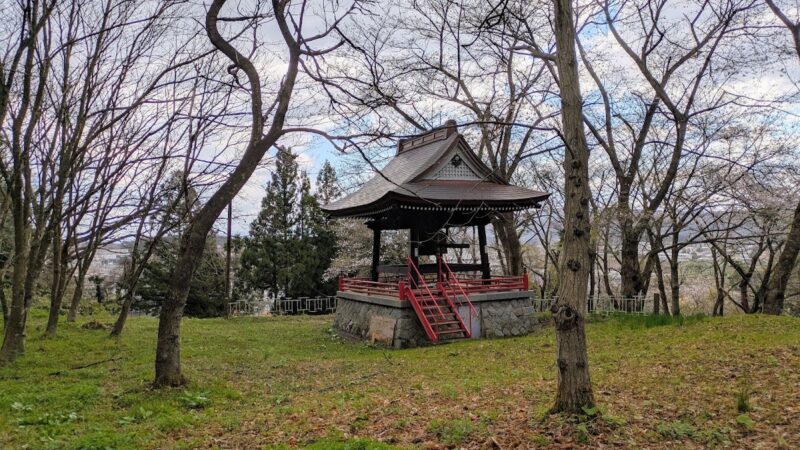
A haiku monument to the renowned haiku poet Kawahigashi Hekigoto stands at the site of Hitokubi Castle. Hekigoto is known as a disciple of Masaoka Shiki and a key figure in the New Style Haiku Movement. This haiku monument holds significant literary value and is one of the highlights for visitors to the castle ruins.
Access Information
Access by Public Transportation
By Train and Bus:
- Approximately 60 minutes by bus from JR Mizusawa Station
- Accessible on foot from the nearest bus stop
Access by public transportation is somewhat inconvenient, so we recommend planning your trip with ample time.
Access by Car
By Car:
- Approximately 40 minutes from Mizusawa IC on the Tohoku Expressway
- Proceed using the Yonesato Post Office as a landmark
- Climb the road next to the post office and you will find a signpost for “Hitokubi Castle Ruins Entrance”
- From the signpost, climb the road, which is barely wide enough for one car
- There is a parking lot near the summit (approximately 2-3 cars)
Notes:
- The road to the castle ruins is narrow, so drive carefully
- There are places where it is difficult to pass oncoming vehicles
- Pay attention to road conditions during rainy weather and winter
Parking Information
There is a parking space next to the water facility at the summit, which can accommodate approximately 2-3 cars. It is free to use, but space is limited, so caution is advised during busy times.
Points to Note When Visiting
Clothing and Equipment
- Wear comfortable walking shoes (hiking boots or trekking shoes recommended)
- Bring insect repellent depending on the season
- Long sleeves and long pants are preferable in summer due to the lush vegetation
- Bring drinking water
Best Season for Visiting
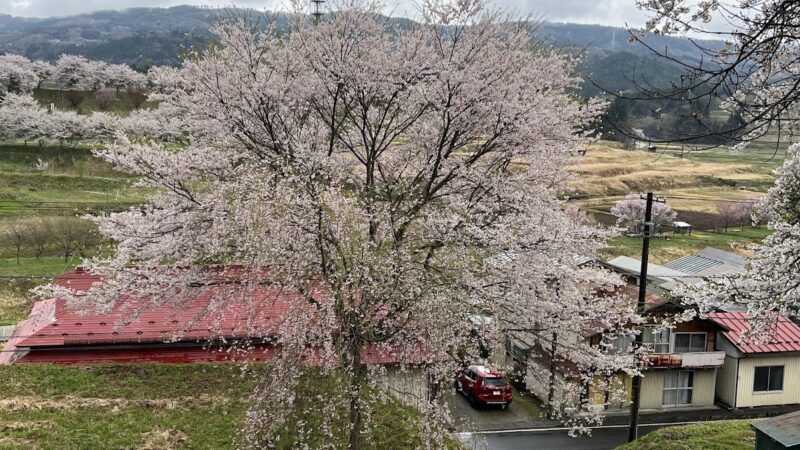
Spring (April-May): Beautiful fresh greenery and mild weather. The ruins are relatively easy to see.
Autumn (October-November): Enjoy the autumn foliage, and the vegetation is mellow, making it suitable for observing the ruins.
Summer (June-September): The vegetation may be overgrown, making it difficult to see the ruins.
Winter (December-March): Be cautious when visiting due to the possibility of snow and ice.
Estimated Time Required
Allow approximately 30 minutes to 1 hour for the round trip from the parking lot to the main enclosure and viewing the ruins. If you want to carefully observe the ruins, it’s best to allow about an hour and a half.
Recommended Tourist Spots Around Hitokubi Castle
Esashi Fujiwara no Sato
Located about 20 minutes by car from Hitokubi Castle, Esashi Fujiwara no Sato is a theme park that recreates Heian period architecture. It’s famous as a filming location for NHK’s historical dramas, making it especially recommended for history buffs. Visiting it in conjunction with a visit to Hitokubi Castle allows you to experience the flow of history from the Heian period to the Sengoku period.
Shōhōji Temple
Shōhōji Temple, an ancient temple of the Sōtō Zen sect, boasts a main hall designated as a National Important Cultural Property, offering a solemn atmosphere. It’s located about 30 minutes by car from Hitokubi Castle.
Esashi Fujiwara no Sato Onsen (Hot Springs)
If you want to relax after sightseeing, nearby hot spring facilities are also recommended. You can also enjoy dishes made with local ingredients.
Around Esashi Fujiwara no Sato Historical Park
This area is home to a complex of historical facilities, including museums, restaurants, and souvenir shops.
Gourmet Information Around Hitokubi Castle
Esashi Local Cuisine
Esashi Ward in Oshu City is famous for its “Esashi apples.” Restaurants in the area offer dishes made with locally sourced ingredients.
Recommended Gourmet:
- Dishes using Esashi beef
- Locally produced soba noodles
- Local dish “Hittsumi”
- Sweets made with Esashi apples
Mizusawa Roadside Station
At “Mizusawa Roadside Station,” easily accessible on the way back from Hitokubi Castle, you can purchase fresh local agricultural products and processed goods. The restaurant also serves local cuisine from southern Iwate Prefecture.
Photo Spots at Hitokubi Castle Ruins
View from the Main Enclosure
On a clear day, you can enjoy a panoramic view of the surrounding mountains and the cityscape of Oshu from the main enclosure. The autumn foliage season, in particular, offers breathtaking views.
Earthworks and Moats
For those who want to photograph castle ruins, well-preserved earthworks and moats are recommended. Visiting during seasons with less vegetation will allow for clearer photographs.
Kawato Hekigoto Haiku Monument
This haiku monument, where literature and history intersect, is a popular spot for commemorative photos.
Model Itinerary for Visiting Hitokubi Castle
Half-Day Course (Morning)
9:00 Depart Mizusawa Station (by car)
9:40 Arrive at Hitokubi Castle Ruins and tour (1 hour)
10:40 Visit Hitokubi Guardhouse Ruins (20 minutes)
11:00 Lunch and shopping at a roadside station
Full-Day Course
9:00 Depart Mizusawa Station
9:40 Visit Hitokubi Castle Ruins (1 hour)
11:00 Travel to Esashi Fujiwara no Sato and tour (2 hours)
13:00 Lunch (Esashi beef, etc.)
14:30 Visit Shobo-ji Temple
16:00 Relax at a hot spring
17:30 Return trip
Recommended Points for Castle Fans
Date 21 Fortresses Tour
Hitokubi Castle is one of the “Date 21 Fortresses”. For castle enthusiasts, visiting other fortifications along with Hitokubi Castle will provide a comprehensive understanding of the Date clan’s defense system. Nearby fortifications include Mizusawa Castle and the ruins of Izawa Castle.
Continued Top 100 Japanese Castles Stamp Rally
Iwate Prefecture boasts several famous castles, and starting at Hitokubi Castle and touring the prefecture’s castles is highly recommended. Consider visiting Morioka Castle and Kunohe Castle as well.
Nippon Castle Tour App
The location-based stamp rally app “Nippon Castle Tour” allows you to obtain a stamp for Hitokubi Castle. Enjoy keeping a record of your visits.
Hitokubi Castle Reviews and Ratings
The following are comments from people who have actually visited Hitokubi Castle:
Positive Reviews:
- “I was able to leisurely view the ruins in a quiet and peaceful atmosphere.”
- “It’s easily accessible as you can drive almost to the summit.”
- “A valuable historical site that allows you to feel the history of the Date clan.”
- “The view was magnificent, making the visit worthwhile.”
Points to Note:
- “The road is narrow, so careful driving is necessary.”
- “In summer, the vegetation is overgrown, making it difficult to see the ruins.”
- “More signposts would make it easier to understand.”
- “The parking lot is small, so coordination is necessary for visits with multiple vehicles.”
Overall, while it receives high praise from history buffs and castle enthusiasts, some issues regarding access have also been pointed out.
Historical Value of Hitokubi Castle
Position in the History of Castles in the Tohoku Region
Hitokubi Castle occupies an important position in the history of castles in the Tohoku region. From the subjugation of the Emishi in the Heian period to the conflict between the Nanbu and Date clans in the Sengoku period, and the border defense of the domain in the Edo period, it has witnessed the history of each era.
The Defense System of the Date Domain
As one of the 21 fortresses of the Date Domain, Hitokubi Castle played a crucial role in the northern defense of the Date Domain. Due to its proximity to the border with the Nanbu Domain, it required constant vigilance and security. Studying the castle layout in this region provides clues to understanding the domain’s border defense system during the Edo period.
Resources for Local History Research
Hitokubi Castle and its surroundings contain valuable historical sites, such as the remains of samurai residences and guardhouses, which are essential for understanding the local community during the Edo period. These are important resources for local history research and are highly valued academically.
Summary
Hitokubi Castle is a historically significant mountain castle located in Oshu City, Iwate Prefecture. It boasts a long history, spanning from the Heian period to the Meiji Restoration, and played a particularly important role as one of the 21 fortresses of the Date Domain.
Highlights of Visiting Hitokubi Castle:
- A valuable castle ruin that can be viewed free of charge.
- Accessible by car almost to the summit (the road is narrow).
- Remains such as baileys, earthworks, and moats remain.
- A haiku monument by Kawato Hekigoto is also a highlight.
- Numerous other tourist attractions nearby, such as Esashi Fujiwara no Sato.
- Spring and autumn are the best seasons to visit.
Hitokubi Castle is a historical site worth visiting for history buffs, castle enthusiasts, and anyone interested in the history and culture of Iwate Prefecture. Why not reflect on the history of the Tohoku region in this quiet mountain castle?
When visiting, please check the weather and road conditions in advance and take safety precautions. Enjoy a fulfilling Oshu City sightseeing experience by combining your visit with other nearby tourist attractions and gourmet food.