Complete Guide to Daiho Castle Ruins | Historical Sites and Highlights of the Nanboku-cho Period in Shimotsuma City, Ibaraki Prefecture
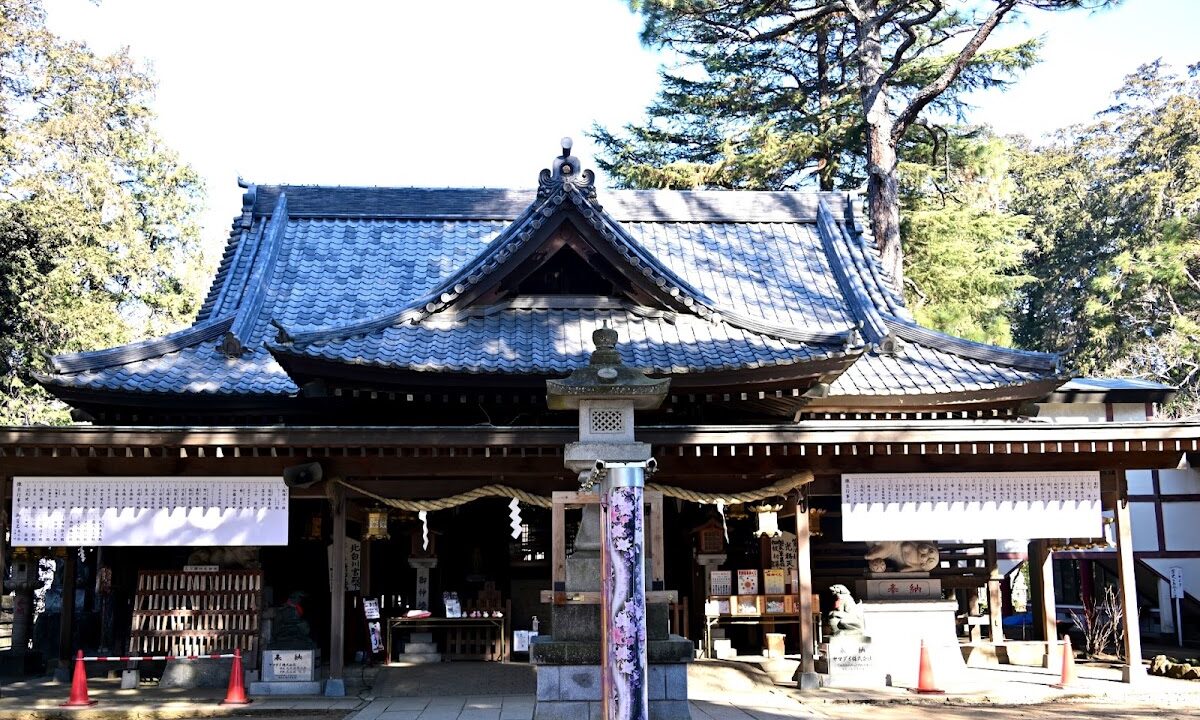
The Daiho Castle Ruins, located in Daiho, Shimotsuma City, Ibaraki Prefecture, were a flatland castle that played an important role from the late Heian period to the Nanboku-cho period. Currently, it is the grounds of Daiho Hachimangu Shrine, known as the oldest Hachimangu shrine in the Kanto region, and was designated a National Historic Site on May 1, 1934. Counted as one of the six castles of the Southern Court in the Kanto region, this castle was the site of fierce battles. This guide provides a detailed introduction to its history and highlights.
History of Daiho Castle
Construction and the Establishment of the Shimotsuma Clan
There are several theories regarding the construction of Daiho Castle, but it is generally believed to have been built in 1232 by Shimotsuma Nagamasa. One theory suggests that it was built in 1086 by Shimotsuma Morimoto, suggesting that it may have already functioned as a castle by the late Heian period.
Shimotsuma Nagamasa was born the second son of Oyama Tomonaga, the lord of Oyama Castle. Around 1230, he was appointed as the jitō (land steward) of Shimotsuma-go, Niihari District, Hitachi Province. Upon arriving in this area, Nagamasa adopted the surname “Shimotsuma,” derived from the place name, and established the foundation of the Shimotsuma clan with Ōhō Castle as his residence. The Oyama clan was a prestigious family descended from Fujiwara no Hidesato, and the Shimotsuma clan, as a branch of this family, built their power in southern Hitachi Province.
Ōhō Castle during the Nanboku-chō Period
Ōhō Castle first appears on the historical stage during the Nanboku-chō period (Northern and Southern Courts period). After the collapse of the Kenmu Restoration and Emperor Go-Daigo’s establishment of the Southern Court in Yoshino, the conflict between the Southern and Northern Courts intensified in eastern Japan.
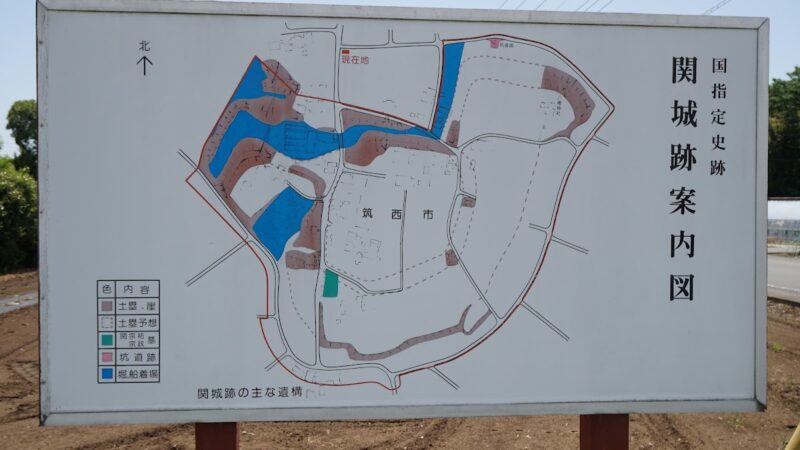
In 1341 (Kōkoku 2nd year/Ryakuō 4th year), Kasuga Chūjō Akikuni, a court noble of the Southern Court, entered Ōhō Castle with Prince Kōryō. The castle lord at the time was Shimotsuma Masayasu, who raised an army on the Southern Court’s side in response to a call from Kitabatake Chikafusa. Ōhō Castle, along with Seki Castle (Chikusei City, Ibaraki Prefecture) to the north, became an important base for the Southern Court in eastern Japan.
The six castles of the Southern Court in the Kantō region refer to Ōhō Castle, Seki Castle, Ishihama Castle (Arakawa Ward, Tokyo), Kanazawa Shōmyōji Temple (Yokohama City, Kanagawa Prefecture), and others. These were the military and political centers of the Southern Court in eastern Japan. In particular, Ōhō Castle and Seki Castle were the two pillars of the Southern Court’s forces in Hitachi Province, fiercely confronting the Ashikaga clan of the Northern Court.
Two Years of Siege and Fall
Facing Ōhō Castle, a Southern Court stronghold, the Northern Court and Ashikaga forces dispatched a large army under the command of Kō no Morofuyu. The siege, which began in 1341 (Kōkoku 2), became a brutal two-year siege that starved the defenders of the castles.
Kō no Morofuyu was a senior retainer of Ashikaga Takauji and, as the military commander for the Northern Court in eastern Japan, prioritized the capture of Seki Castle and Ōhō Castle. The Northern Court army, having surrounded the castles, adopted a strategy of cutting off supply lines and prolonging the siege.
On November 11, 1343 (Kōkoku 4 / Kōei 2), the Northern Court launched a full-scale attack. The Southern Court forces, exhausted from two years of siege, saw Seki Castle and Ōhō Castle fall in quick succession on November 12th. The castle lord, Shimotsuma Masayasu, was killed in battle, and Ōhō Castle fell. This battle significantly weakened the Southern Court’s power in Hitachi Province.
Ōhō Castle After its Fall
After its fall, Ōhō Castle was abandoned and lost its function as a fortress. Later, the Daihō Hachiman Shrine was built on the castle site, and it remains there to this day. The Daihō Hachiman Shrine is said to be the oldest Hachiman shrine in the Kanto region, founded in 701 AD (Daihō 1). It is highly likely that it existed before the construction of Daihō Castle, and the castle is thought to have been built around this shrine.
Structure and Layout of Daihō Castle
Characteristics as a Flatland Castle
Daihō Castle was a flatland castle built on the plains at the western foot of Mount Tsukuba in Hitachi Province. Because it was built on flat land with almost no elevation difference, it lacked the natural fortifications of a mountain castle. However, it is believed that a defensive system utilizing the surrounding low-lying wetlands and rivers was constructed.
Flatland castles offer excellent habitability and are well-suited as centers of political and economic activity during peacetime. However, they also have disadvantages in terms of defense. Therefore, Daihō Castle skillfully incorporated earthworks and moats, and enhanced its artificial defensive facilities.
Existing Remains
Currently, the site of Taiho Castle is occupied by Taiho Elementary School and Taiho Hachimangu Shrine, and only partial remains of the castle exist. The main remains are as follows:
Earthworks
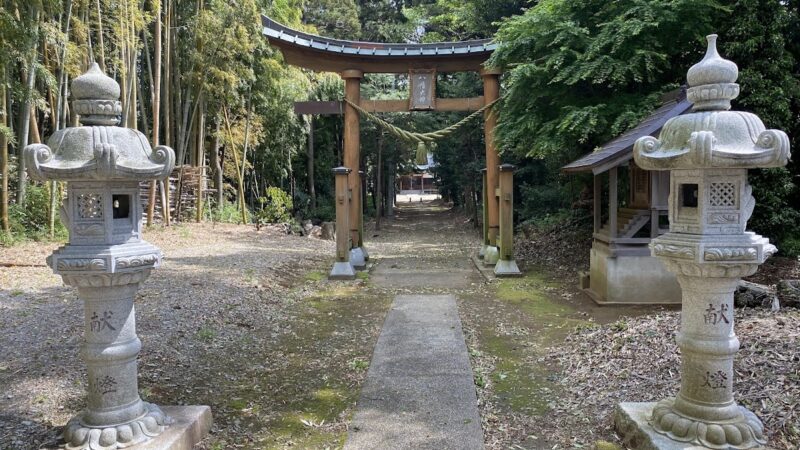
Earthworks remain near the torii gate of Taiho Hachimangu Shrine and on the north side. The earthworks on the north side, in particular, are preserved in relatively good condition, giving a glimpse into the scale of the castle in its heyday. The height of the earthworks varies depending on the location, but the highest point is around 2 meters, making it an important remains indicating the castle’s defensive line.
Traces of Enclosures
The area around the main hall of Taiho Hachimangu Shrine is presumed to be the main enclosure (honmaru). Observing the topography of the shrine grounds, slight elevation differences and flat areas remain, suggesting the possibility of multiple enclosures being arranged.
Moat Remains
While clear moat remains are difficult to confirm, the topography of the south side of Hachimangu Shrine and the surrounding area suggests that a water moat or dry moat once surrounded the castle.
Highlights of Daiho Hachimangu Shrine and the Castle Ruins
About Daiho Hachimangu Shrine
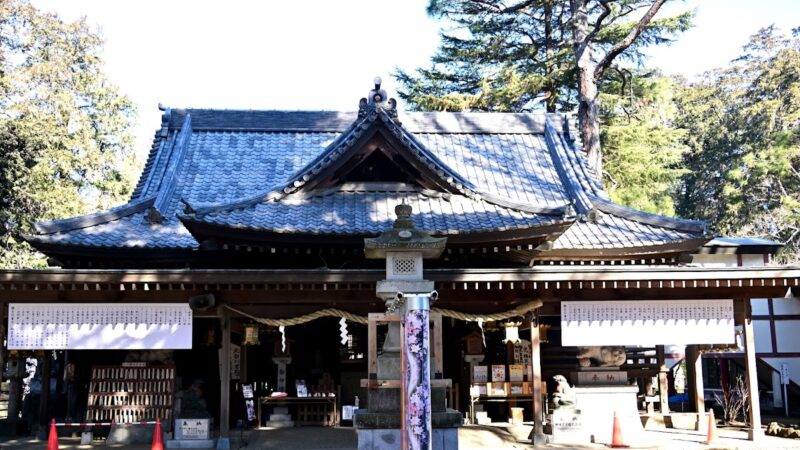
Daiho Hachimangu Shrine is the central point of interest when visiting the Daiho Castle ruins. It is said to have been founded in 701 AD by Fujiwara Tokitada, who invited the deity from Usa Hachimangu Shrine in Chikushi, and has long been revered as the oldest Hachimangu shrine in the Kanto region.
The main hall was rebuilt during the Edo period and exudes a solemn atmosphere. The grounds are home to centuries-old giant trees, creating a space that evokes a sense of history.
Points to Observe the Earthworks
Before passing through the torii gate of Daiho Hachimangu Shrine, first observe the earthworks near the gate. This was the entrance to the castle and a crucial defensive point. The shape, height, and slope of the earthworks offer insights into the construction techniques of medieval castles.
Next, if you go around to the north side of the main hall, you will find more clearly defined earthworks. This earthen rampart served as a defensive line protecting the northern side of the castle, playing a crucial role in repelling attacks by the Northern Court army. Walking along the top of the rampart allows you to survey the surrounding area from the perspective of a castle soldier.
Points to Note When Exploring the Grounds
When exploring the grounds of Daiho Hachimangu Shrine, pay attention to the subtle undulations of the terrain. Even seemingly flat grounds actually have subtle differences in elevation, which may indicate the divisions of the castle’s baileys.
The area around the main hall is the highest point, and it is presumed to have been the main bailey (honmaru). The area behind the main hall and to the south was also once an area where castle facilities were located.
Surrounding Historical Landscape
The area surrounding the Daiho Castle ruins retains the atmosphere of a medieval rural landscape. The rural scenery viewed from the castle ruins may not have changed much from the view seen by Shimotsuma Masayasu. The Kokaigawa River flows nearby, and this river may also have been used for the castle’s defense.
Access
Access by Public Transportation
Using the Kanto Railway Joso Line
- Get off at Taiho Station, approximately 3 minutes on foot
- Transfer to the Kanto Railway Joso Line from Moriya Station on the Tsukuba Express, approximately 40 minutes
- Taiho Station is an unmanned station, but it is very close to the castle ruins and easily accessible on foot.
From Taiho Station to Taiho Hachimangu Shrine, simply walk approximately 200 meters east from the station exit. There are signs from the station, so you won’t get lost. Since the Joso Line has limited service, it is recommended to check the timetable in advance.
Access by Car
From the Joban Expressway
- Approximately 30 minutes from Tanihara IC via National Route 294
- Approximately 20 minutes from Tsukuba JCT via the Ken-O Expressway to Joso IC
Parking
There is a free parking lot for visitors at Taiho Hachimangu Shrine. However, spaces are limited, so caution is advised during busy periods such as New Year’s.
Address
667 Daiho, Shimotsuma City, Ibaraki Prefecture (Daiho Hachimangu Shrine)
Combining with Nearby Castle Ruins
Seki Castle (Chikusei City, Ibaraki Prefecture), also a base for the Southern Court like Daiho Castle, is located approximately 15 kilometers north of Daiho Castle. It’s about a 20-minute drive, so visiting both castles together is recommended. Seki Castle ruins are also designated as a National Historic Site, and the remains such as earthworks and moats are well-preserved.
Furthermore, there are other medieval castle ruins scattered along the Joso Line, allowing for a “Joso Line Castle Tour” visiting multiple castle sites.
Best Season and Precautions for Visiting
Recommended Time to Visit
Spring (Late March to May)
This is the season when the cherry blossoms in the shrine grounds bloom and the fresh greenery is beautiful. The weather is also suitable for observing the earthworks, making it a pleasant time for strolling.
Autumn (October-November)
The autumn foliage is beautiful, making it a suitable season to reflect on the history of the fall of Taiho Castle. Around mid-November, the site is bustling with visitors celebrating Shichi-Go-San (a traditional Japanese rite of passage for children).
Winter (December-February)
The fallen leaves make it easier to observe the remains, such as the earthworks. For castle enthusiasts, this is the perfect season for observing the remains.
Points to Note When Visiting
- Taiho Hachimangu Shrine is an active shrine; consideration for other visitors is necessary.
- To protect the remains, such as the earthworks, please refrain from climbing or digging unnecessarily.
- In summer, there are many insects such as mosquitoes, so insect repellent is recommended.
- Caution is needed when it rains, as the ground can become slippery.
- Please do not enter the grounds of Taiho Elementary School without permission.
Historical Significance of Taiho Castle Ruins
Importance in the Study of the Nanboku-cho Period
Taiho Castle is an extremely important historical site for understanding the activities of the Southern Court in eastern Japan during the Nanboku-cho period. Historical sources, including Kitabatake Chikafusa’s *Jinnō Shōtōki*, describe the castle, and it is studied as a concrete example illustrating the political and military situation of the time.
The fact that key figures of the Southern Court, such as Prince Kōryō and Kasuga Akinori, actually stayed there indicates that Ōhō Castle was not merely the castle of a local powerful family, but a crucial base in the Southern Court’s eastern Japan strategy.
Position in Medieval Castle History
Ōhō Castle, as a flatland castle, is a valuable example illustrating the development process of medieval castles. It shows the process by which the residence of a local lord from the late Heian period to the Kamakura period developed into a full-fledged castle after the wars of the Nanboku-chō period.
The Ōhō Castle ruins are also an important research subject for understanding the structure of flatland castles before the Sengoku period, when mountain castles became mainstream.
Impressions of Visitors to Ōhō Castle
Among castle enthusiasts, the Ōhō Castle ruins are valued as a “place where one can quietly feel history.” While there are no flashy reconstructed buildings, the combination of the earthworks and other remains, along with the solemn atmosphere of the Daiho Hachimangu Shrine, allows you to experience a medieval historical space.
In particular, as a castle with a complex historical background from the Nanboku-cho period, it is a fascinating historical site for history buffs. Visiting after learning about the dramatic history of the two-year siege will allow you to appreciate the quiet scenery of the shrine grounds with deeper meaning.
Its excellent accessibility, just a 3-minute walk from Daiho Station on the Kanto Railway Joso Line, is also highly appreciated by visitors. For those who enjoy castle tours by train, Daiho Castle is a must-visit.
Nearby Tourist Spots
Highlights of Shimotsuma City
Sunanuma Wide Area Park
A vast park centered around Sunanuma Lake, located about 10 minutes by car from the Daiho Castle ruins. Enjoy seasonal flowers and it’s ideal for walks and cycling.
Kokaigawa Fureai Park
A nature-rich park along the Kokaigawa River, where poppies bloom profusely in spring. Enjoy the scenery of the Kokai River, which is thought to have been used for the defense of Taiho Castle.
Beer Spark Shimotsuma
A hot spring facility with an attached craft beer brewery, perfect for relaxing after a castle tour.
Historical Facilities
Shimotsuma City Hometown Museum
A museum introducing the history and culture of Shimotsuma City, including exhibits on Taiho Castle. Visiting before visiting the castle ruins will deepen your understanding.
Summary
The Taiho Castle ruins in Shimotsuma City, Ibaraki Prefecture, are a valuable historical site that conveys the turbulent history of the Nanboku-cho period. Despite its convenient location, just a 3-minute walk from Taiho Station on the Kanto Railway Joso Line, it is a quiet space where you can feel history, and is loved by castle enthusiasts and history lovers.
The earthworks and remnants of baileys remaining within the grounds of Taiho Hachimangu Shrine convey the appearance of the castle from the late Heian period to the Nanboku-cho period. Standing on this site, where Shimotsuma Masayasu and other Southern Court generals held out for two years and fought to the very end, you can feel the spirit of the medieval samurai.
The Taiho Castle ruins, protected as a national historical site, are expected to be properly preserved and passed down to future generations. When visiting Ibaraki Prefecture, be sure to visit these historic castle ruins. The unique space created by the solemn atmosphere of the oldest Hachiman Shrine in the Kanto region and the remains of the medieval castle continues to fascinate visitors.