Tsukaguchi Castle (Hyogo Prefecture) Complete Guide: From a Base of the Ikko-ikki Rebellion to an Outpost of Araki Murashige
Located in Amagasaki City, Hyogo Prefecture, Tsukaguchi Castle is a castle ruin with a unique history, having evolved from a medieval temple town into a fortress. This castle, which spread around the current Hankyu Tsukaguchi Station, transformed from a religious city centered on the Jodo Shinshu Tsukaguchi Gobo to a turbulent stage during the Sengoku period. This article provides comprehensive information on Tsukaguchi Castle, from its history, structure, highlights, and access methods, making it enjoyable for both castle enthusiasts and beginners.
History of Tsukaguchi Castle: From a Religious Center to a Military Fortress
Establishment of Tsukaguchi Gobo and Formation of the Temple Town
The origins of Tsukaguchi Castle date back to the Muromachi period. During the Bunmei era (1469-1487), Shoun Shonin, a monk of the Jodo Shinshu Koshōji sect, established Tsukaguchi Gobo (a branch temple of Koshōji) in this area. In Settsu Province at that time, missionary activities of the Jodo Shinshu sect were thriving, and Tsukaguchi Gobo served as an important base for the Ikko-ikki uprising in the Amagasaki area.
Followers gathered around the Gobo, and gradually a temple town formed. This temple town had an autonomous character, and defensive earthworks and moats were built around it. Because of the existence of these defensive structures, Tsukaguchi Gobo also came to be called “Tsukaguchi Castle.”
Tsukaguchi Castle in the Sengoku Period: A Fortress of the Ikko-ikki
With the arrival of the Sengoku period, Tsukaguchi Castle increasingly took on the character of a military base for the Ikko-ikki forces. In Settsu Province, the Ikko-ikki, centered around Ishiyama Honganji Temple, held considerable power and confronted the Sengoku daimyo. Tsukaguchi Castle, with its strong fortifications of earthworks and moats, served as a gathering place for Ikko-shu followers in the surrounding area.
A unique feature of temple towns was the presence of multiple temples and townhouses within the castle grounds, making it a religious facility that also possessed military functions. During this period, Tsukaguchi Castle functioned not merely as a temple, but as the political, economic, and military center of the region.
The Role of Tsukaguchi Castle as an Outpost of Arioka Castle and Araki Murashige
The most important turning point in Tsukaguchi Castle’s history occurred in 1578. Araki Murashige, the lord of Arioka Castle (present-day Itami City), rebelled against his lord, Oda Nobunaga. In this “Araki Murashige Rebellion,” Tsukaguchi Castle was positioned as an important outpost of Arioka Castle.
Araki Murashige constructed a defensive network centered around Arioka Castle, with multiple branch castles positioned around it. Tsukaguchi Castle played a key role in this network, functioning as a strategic point protecting the western side of Arioka Castle. Murashige strengthened Tsukaguchi Castle’s defensive facilities and attempted to resist the Oda army while coordinating with Arioka Castle.
Oda Nobunaga’s Siege of Arioka Castle and Capture of Tsukaguchi Castle
In October of Tensho 6 (1578), Oda Nobunaga led a large army to besiege Arioka Castle in order to subdue Araki Murashige. During this siege, Tsukaguchi Castle initially resisted as an outpost of the Araki forces, but it soon fell to the fierce attacks of the Oda army.
After capturing Tsukaguchi Castle, the Oda army decided to use it as a forward base (outpost) for their siege of Arioka Castle. Powerful generals such as Niwa Nagahide, Hachiya Yorimasa, Gamo Ujisato, Takayama Ukon, and Kambe Nobutaka, all senior retainers of Oda Nobunaga, were stationed at Tsukaguchi Castle, making it a key strategic point in the siege of Arioka Castle.
The siege of Arioka Castle lasted approximately one year, and Arioka Castle fell in October of Tensho 7 (1579). In this battle, Tsukaguchi Castle played a crucial role as an important military base for the Oda army, significantly contributing to the capture of Arioka Castle.
Tsukaguchi Castle from the Edo Period Onward
After the Battle of Arioka Castle, Tsukaguchi Castle ceased to function as a military base. During the Edo period, it regained its character as a temple, surviving as a temple town centered around Shogenji Temple. However, its function as a castle was lost, and many of the earthworks and moats were gradually filled in or demolished.
Due to modernization and urban development from the Meiji era onward, most of the remains of Tsukaguchi Castle were lost. Currently, the few remaining earthworks around Shogenji Temple and the remains of the east gate are valuable remnants that convey the former appearance of the castle.
Structure and Layout of Tsukaguchi Castle
Characteristics of a Temple Town-Type Castle
Tsukaguchi Castle is a typical example of a so-called “temple town-type castle.” Tsukaguchi Gobo (a branch temple of Koshōji Temple) was located at the center, with the residential areas of the temple’s followers spreading out around it. The entire castle was surrounded by earthworks and moats, a structure designed to withstand attacks from the outside.
A characteristic of temple-town style castles, unlike typical samurai castles, is the absence of structures such as keeps or turrets. Instead, the main hall and bell tower of the temple served as landmarks, and earthworks and moats functioned as the primary defensive structures.
Structure of Earthworks
The earthworks of Tsukaguchi Castle surrounded the castle completely. The earthworks remaining today, located north of Shogenji Temple, are approximately 2 meters high and 3 meters wide, conveying the appearance of the defensive structures at the time.
The earthworks were not simply piles of earth, but were constructed using rammed earth techniques, compacting the soil in layers, and are thought to have possessed considerable strength. Fences and walls were built on top of the earthworks to prevent enemy intrusion.
Moats and Waterways
A moat was dug around Tsukaguchi Castle. This moat served not only as a defensive structure but also as a waterway for the surrounding area. Although most of the moat has been filled in, its former location can be estimated from the surrounding topography and old maps.
The moat is estimated to have been approximately 5-8 meters wide and 2-3 meters deep. In peacetime, it was used for agricultural water and was an important infrastructure supporting life in the temple town.
Castle Gates and Entrances
Tsukaguchi Castle had several gates. Currently, the remains of the East Gate remain east of Shogenji Temple, and a stone monument and explanatory sign have been erected. The East Gate was one of the main entrances to the temple town, and earthen ramparts connected to both sides of the gate.
It is also believed that there were North, South, and West gates, but no clear remains exist today. These gates functioned as entrances to the town in peacetime and as strategic defensive points during wartime.
Internal Layout
Tsukaguchi Gobo (a branch temple of Koshōji Temple) was located in the center of the castle, surrounded by the residences of temple followers and merchant houses. The area exhibits a planned street layout characteristic of a temple town, with a grid-like road network likely in place.
The current Shogenji Temple is located on the site of the former Tsukaguchi Gobo temple, and remnants of the original town layout remain in the surrounding area. The temple town is estimated to have stretched approximately 300 meters east-west and 400 meters north-south.
Highlights of Tsukaguchi Castle: Existing Remains
Shogenji Temple and its Surroundings
Shogenji Temple is the central point of interest when visiting the Tsukaguchi Castle ruins. This temple, the successor to the former Tsukaguchi Gobo temple, is located in the heart of the castle site. The temple grounds are enveloped in a quiet and peaceful atmosphere, making it difficult to imagine that this was once the site of fierce battles during the Sengoku period.
While the main hall of Shogenji Temple was rebuilt in modern times, the layout of the grounds and the surrounding topography retain traces of the medieval temple town. It is polite to inform the temple staff before visiting.
Existing Earthworks
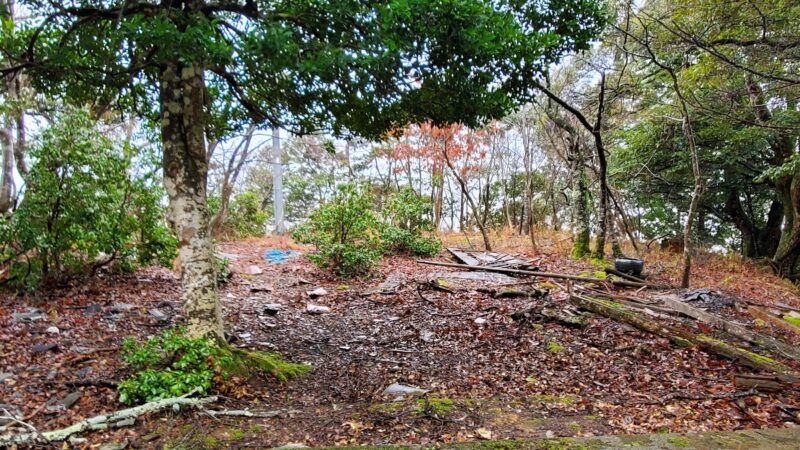
North of Shogenji Temple, the earthworks of Tsukaguchi Castle remain in excellent condition. These earthworks are preserved for approximately 30 meters in length, and a mound of earth about 2 meters high can be seen.
Although the surface of the earthworks is covered with vegetation, its shape is clear, making it a valuable historical site where you can see an actual example of a medieval castle’s defensive structure up close. Standing before the earthworks, you can truly appreciate the scale and structure of the castle at that time.
East Gate Ruins and Stone Monument
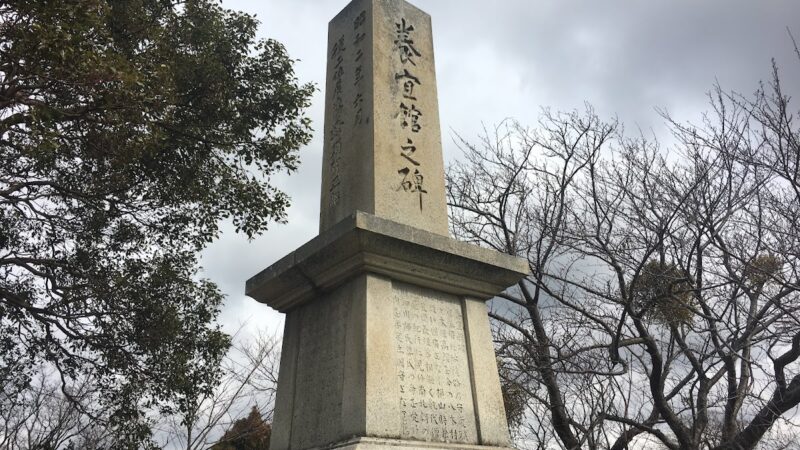
East of Shogenji Temple are the ruins of the east gate of Tsukaguchi Castle. Currently, a stone monument inscribed with “Tsukaguchi Castle Ruins” stands there, along with an explanatory sign. This is an important point indicating that this was the main entrance to the castle.
Around the monument, faint traces of the earthworks remain, allowing you to imagine how the earthworks connected to both sides of the gate. The explanatory sign contains information about the history and structure of Tsukaguchi Castle, so we recommend reading it carefully.
Surrounding Topography and Town Layout
Walking around the Tsukaguchi Castle ruins, you can discover topographical features that suggest the location of the former moats and earthworks, as well as remnants of the town layout. Especially around Shogenji Temple, slight elevation changes and road curves retain topographical features indicating the castle’s remains.
Comparing old and current maps while walking will allow you to gain a deeper understanding of the temple town’s extent and structure. For castle enthusiasts, this kind of “topographical reading” is one of the pleasures of visiting.
Information Boards and Signs
The Amagasaki City Board of Education has installed several information boards at the Tsukaguchi Castle ruins. These boards provide detailed information about the castle’s history, structure, and the results of archaeological excavations, helping visitors to deepen their understanding.
The information boards are located near the East Gate ruins and earthworks, so be sure to check them during your visit. They include photographs and diagrams, allowing you to visually understand the castle’s appearance.
Access and Visiting Guide to Tsukaguchi Castle
Access by Train
Access to the Tsukaguchi Castle ruins is very convenient. The nearest station is Tsukaguchi Station on the Hankyu Kobe Line, approximately a 10-minute walk away. It is also accessible from Tsukaguchi Station on the JR Fukuchiyama Line, approximately a 15-minute walk.
Route from Hankyu Tsukaguchi Station:
- Exit the north exit of Hankyu Tsukaguchi Station.
- Head north along the shopping street in front of the station.
- After walking for about 10 minutes, you will arrive at Shogenji Temple.
Route from JR Tsukaguchi Station:
- Exit the south exit of JR Tsukaguchi Station.
- Head southwest towards Hankyu Tsukaguchi Station.
- Via Hankyu Station to Shogenji Temple (approximately 15 minutes).
Access by Car and Parking
If visiting by car, it is approximately 15 minutes from the Amagasaki IC on the Meishin Expressway and approximately 10 minutes from the Amagasaki-Higashi IC on the Hanshin Expressway. However, Shogenji Temple does not have its own parking lot, so you will need to use nearby coin-operated parking lots.
There are several coin-operated parking lots around Hankyu Tsukaguchi Station, available for approximately 200-300 yen per hour. Since visiting the castle ruins itself only takes about 30 minutes to an hour, parking fees are relatively inexpensive.
Points to Note During Your Visit
Tsukaguchi Castle Ruins are located in a residential area, and Shogenji Temple is an active temple. Please keep the following points in mind when visiting:
- Please inform the temple staff before entering the grounds of Shogenji Temple.
- As it is a residential area, please refrain from shouting or making noise.
- Do not trespass on private property.
- When taking photographs, please be considerate of those around you.
- Please take all your trash with you.
Estimated Visiting Time
A visit to Tsukaguchi Castle Ruins usually takes about 30 minutes to an hour. Even if you carefully examine the earthworks, the East Gate ruins, and the explanatory signs, and stroll around the surrounding area, an hour should be sufficient.
For those who want to explore in more detail or enjoy taking photos, it’s recommended to allocate 1 hour 30 minutes to 2 hours.
Best Season and Time of Day for Visiting
While Tsukaguchi Castle Ruins are open year-round, the best seasons are spring (March-May) and autumn (October-November). The weather is mild during these times, the earthworks are beautifully green, and it’s ideal for a stroll.
The best time to visit is from morning to early afternoon (around 9:00 AM to 3:00 PM). Since Shogenji Temple is a temple, it’s best to avoid visiting early in the morning or after sunset.
Nearby Attractions and Tourist Spots
Arioka Castle Ruins (Itami Castle Ruins)
Arioka Castle Ruins, which have a deep connection to Tsukaguchi Castle, are located very close to JR Itami Station. It’s about a 15-minute train ride from Tsukaguchi Castle, so visiting both is recommended. At Arioka Castle Ruins, stone walls and earthworks remain, allowing you to appreciate the grand scale of its former residence as the home of Araki Murashige.
Amagasaki Castle
Amagasaki Castle, a representative castle of Amagasaki City, had its keep rebuilt in 2019 and is a popular tourist spot. It’s about a 20-minute train ride from Tsukaguchi Castle, and you can see the appearance of a modern Edo-period castle.
Tomimatsu Castle Ruins
Another medieval castle in Amagasaki City is the Tomimatsu Castle Ruins. This is also a valuable historical site with remaining earthworks and dry moats, a must-see spot for castle enthusiasts. It’s about a 15-minute drive from Tsukaguchi Castle.
Inano Shrine
This ancient shrine is located about a 5-minute walk from the Tsukaguchi Castle Ruins, and you can feel the history of the region. The quiet grounds are perfect for a stroll, and it’s recommended to stop by before or after visiting the castle ruins.
Cultural Property Designation and Preservation Activities of Tsukaguchi Castle
Amagasaki City Designated Historic Site
The Tsukaguchi Castle Ruins (East Gate Ruins and Earthworks) are protected as a designated historic site of Amagasaki City. The city’s board of education is working to preserve and utilize the ruins, installing explanatory signs and conducting regular maintenance.
Results of Archaeological Excavations
Multiple archaeological excavations have been conducted in the past, yielding valuable data on the structure of the earthworks, the location of the moat, and the layout of buildings within. These findings are publicly available on explanatory signs and in the city’s cultural property archives.
Challenges in Preservation Activities
With increasing urbanization, preserving the castle ruins presents various challenges. Because the ruins are located within a residential area, large-scale development is difficult, and the focus is primarily on maintaining the current state. However, thanks to the cooperation of local residents and history enthusiasts, these valuable ruins are being protected.
Points to Enjoy Tsukaguchi Castle
Recommendation for Prior Study
Before visiting Tsukaguchi Castle, acquiring basic knowledge about the Araki Murashige Rebellion and the Battle of Arioka Castle will deepen your understanding at the site. We recommend studying relevant books and websites beforehand.
Comparison with Old Maps
If possible, bring old maps from the Edo period or Meiji period and compare them with the current topography while walking around. This will help you understand the castle’s extent and structure more clearly. Using a smartphone map app in conjunction with this is convenient.
Photography Tips
Photographing the earthworks from the north side will clearly show their height and shape. Including the stone monument at the East Gate site along with the explanatory sign in the frame makes for a good record. The surrounding townscape is also worth photographing as it conveys the atmosphere of the former temple town.
Comparison with Surrounding Castles
Visiting Tsukaguchi Castle while comparing it with surrounding castles such as Arioka Castle Ruins and Tomimatsu Castle Ruins will clarify the characteristics and roles of each castle. If possible, enjoying a “castle tour” by visiting multiple castles in one day is also recommended.
Summary: The Historical Value of Tsukaguchi Castle
Tsukaguchi Castle is a valuable historical site with a unique history of a Jodo Shinshu Buddhist temple town being transformed into a castle. This castle, which rapidly changed roles in a short period, from a base for the Ikkō-ikki rebels to an outpost of Araki Murashige and then to an auxiliary castle of Oda Nobunaga, is an important historical site that tells the story of the complex political and military situation of the Sengoku period.
The remaining earthworks and the remains of the east gate are precious relics that have been miraculously preserved amidst urbanization. Although small in scale, Tsukaguchi Castle ruins offer a close-up view of a medieval castle, making it a worthwhile place to visit not only for castle enthusiasts but for anyone interested in history.
Its easy accessibility, being within walking distance of Hankyu Tsukaguchi Station, is another attractive feature. Tsukaguchi Castle ruins are perfect for a day trip from Osaka or Kobe, so please do visit. Standing before the earthworks remaining in a quiet residential area, you will surely feel the spirit of the Sengoku period.