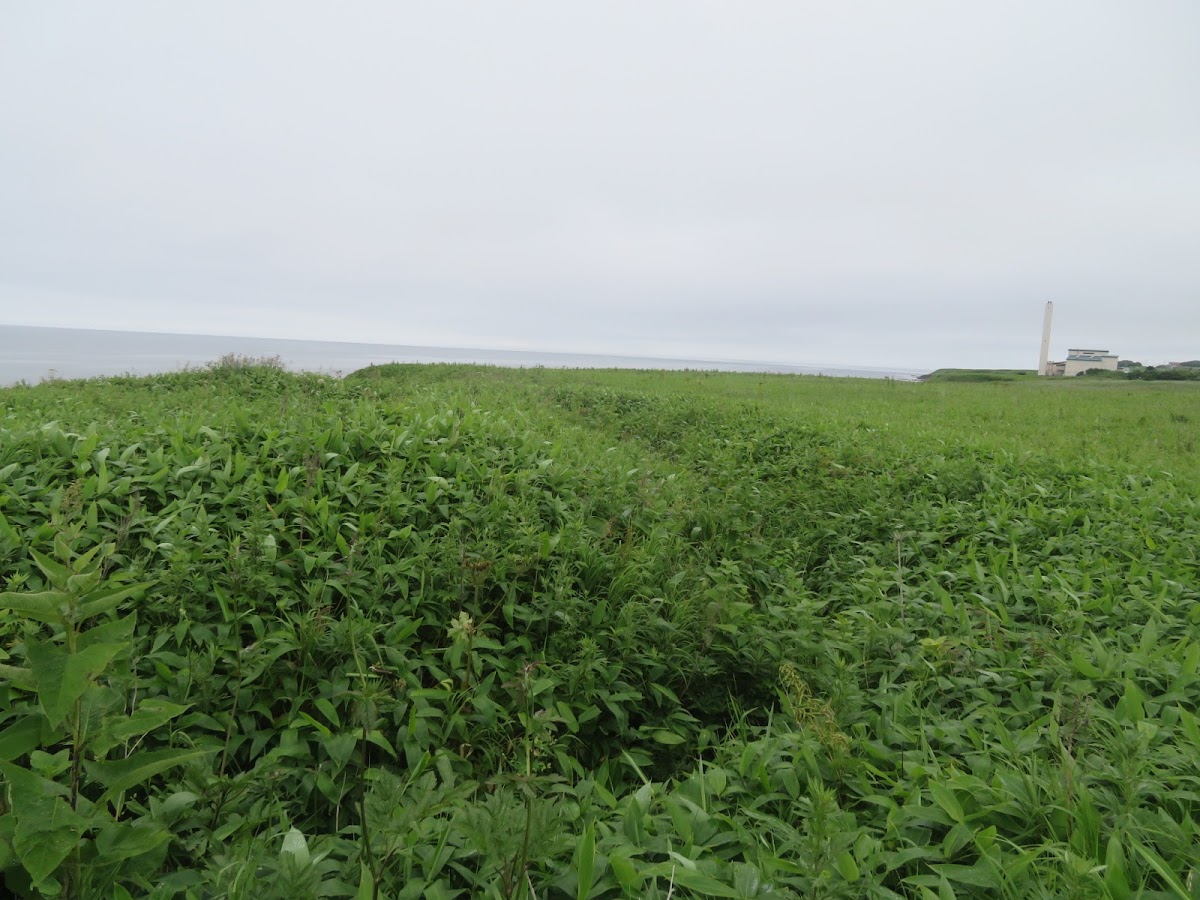
Tateyama Chashi (Hokkaido): A Complete Overview of a Historical Site Conveying Ainu Culture
What is Tateyama Chashi?
Tateyama Chashi is one of the historical sites built by the Ainu people remaining in Hokkaido. “Chashi” is an Ainu word meaning “fence,” “fence,” “fortress,” or “mansion,” and it is a valuable cultural heritage site that conveys the life, culture, and history of the Ainu people.
More than 500 chashi sites have been confirmed in Hokkaido, and Tateyama Chashi is positioned as an important site among them. In particular, Tateyama Chashi, located around Mount Hakodate, is known as one of the theories for the origin of the place name Hakodate, and is an indispensable part of understanding the region’s history.
Historical Background of Chashi
Appearance and Historical Context of Chashi
Archaeological research has revealed that chashi were mainly constructed by the Ainu people during the early modern period (16th to 19th centuries). However, it has been suggested that some chashi may predate this period, making them an important subject of research for understanding the changes in Ainu culture.
The *Tsugaru Ittōshi*, a historical record compiled by the Hirosaki Domain during the Kyōhō era (1716-1736), already contains records of chashi (fortified settlements). Furthermore, records of chashi use during periods of tension between the Ainu and the Japanese, such as the Shakushain Rebellion of 1669, indicate their historically significant role.
Historical Positioning of Tateyama Chashi
Tateyama Chashi is believed to have been located on Ezotateyama (Ezo-Tateyama), a peak of Mount Hakodate. This region was a place of active trade and contact between the Japanese and the Ainu, and functioned as a center of cultural exchange.
There are various theories regarding the origin of the place name “Hakodate,” but one is believed to be related to the existence of Tateyama Chashi. “Tate” refers to a chashi or fort, and it has been suggested that Tateyama Chashi, which existed in this area, may be the origin of the place name.
Structure and Characteristics of Chashi
Basic Structure
While the structure of a chashi varies depending on its location and purpose, several common characteristics exist. Many chashi are located on steep terrain facing the sea, rivers, or lakes, and possess defensive structures that skillfully utilize the natural landscape.
The main structural elements include:
Moat (Go): A trench-like excavation, a defensive structure designed to prevent enemy intrusion. Depth and width vary depending on the location, but they were excavated with a clear defensive intention.
Enclosure (Kuruwa): A space separated by an embankment, forming functional compartments within the chashi. The arrangement and size of these enclosures can be used to infer the purpose and size of the chashi.
Fence Enclosure: A structure surrounded by a wooden fence, which is the origin of the name “chashi.” Although no longer exists, its existence has been confirmed through archaeological excavations using post holes and other evidence.
Classification of Chashi
Chashi are classified into several types based on their location and structural characteristics:
Isolated Island Chashi: These chashi utilize isolated hills or island-like terrain. Surrounded by steep cliffs and bodies of water, the natural topography provides a strong defensive structure.
Hilltop Chashi: Built on the top of a hill, these chashi offer excellent views and are suitable for monitoring the surrounding area. Often located on plateaus, they offer relatively large open spaces.
Hilltop Chashi: Built on the tip of a plateau or hill. Surrounded on three sides by cliffs or steep slopes, with only one side connected to the plateau, these chashi are highly defensible.
Cliffside Chashi: These chashi utilize cliff faces, making maximum use of the steep terrain. Their limited access makes them highly defensive.
Tateyama Chashi, located at a high elevation on the peak of Mount Hakodate, is likely to be classified as either a hilltop or hilltop chashi. ### Structural Characteristics of Tateyama Chashi
Tateyama Chashi was built on the unique terrain of Mount Hakodate. Mount Hakodate is a tombolo, and its protrusion into the sea provides a natural stronghold. It is believed that Tateyama Chashi was built in a strategically important location, taking advantage of this geographical advantage.
The arrangement of enclosures utilizing the flat surface of the mountaintop, the defensive lines using the surrounding steep slopes, and the view overlooking the Tsugaru Strait suggest that Tateyama Chashi likely functioned as a military and political base.
Uses and Functions of Chashi
Diverse Uses
The uses of Chashi have been a subject of debate among researchers for many years. Archaeological excavations, documentary records, and Ainu oral traditions have revealed that Chashi had multiple functions rather than a single purpose.
Military Base/Fortress: This is the most commonly recognized use. Defensive structures such as trenches and enclosures confirm its use as a base or refuge during combat. Records of battles such as Shakushain’s Rebellion also indicate that Chashi were used as military bases.
Sites of Ritual and Ceremonial Purposes: Artifacts related to rituals and ceremonies have been discovered at some Chashi, suggesting they may have functioned as religious and ceremonial spaces. They have also been identified as sacred sites where important Ainu ceremonies were performed.
Watchtowers and Observation Facilities: Chashi built in locations overlooking the sea, rivers, and trade routes are thought to have functioned as bases for monitoring and gathering information on surrounding areas. This function would have been particularly important in areas with active trade.
Meeting Places and Political Centers: Some Chashi were used as residences or meeting places for chiefs and influential figures of Kotan (Ainu settlements). They may have functioned as places for political decisions and negotiations.
Trading Centers: Chashi located near areas where trade with the Japanese took place may have been used for managing trade and conducting negotiations.
Uses of Tateyama Chashi
Located on the strategically important site of Mount Hakodate, Tateyama Chashi is presumed to have had multiple uses. Its location overlooking the Tsugaru Strait certainly suggests it served as a lookout post for monitoring maritime traffic and tracking the movements of ships from Honshu.
Furthermore, given its early contact with the Japanese, it is highly likely that it also functioned as a center for trade and diplomacy. Moreover, as a political center of the region, it is presumed to have served as a residence and meeting place for Ainu chieftains.
Distribution and Characteristics of Chashi in Hokkaido
Distribution of Chashi in Hokkaido
More than 500 Chashi sites have been identified in Hokkaido, and their distribution extends throughout the entire prefecture. Particularly concentrated in the following areas:
Nemuro Peninsula Region: 32 Chashi sites have been identified within Nemuro City alone, and the Nemuro Peninsula Chashi Sites are designated as a national historic site. It is also selected as one of Japan’s 100 Famous Castles and is known as the best-preserved group of Chashi sites. Kushiro River Basin: Approximately 40 Chashi sites have been identified, and integrated preservation and utilization efforts are being made as the “Kushiro River Basin Chashi Sites Historic Site.” They are distributed over a wide area, including lakes and marshes.
Hidaka Region: Many Chashi sites are also distributed in the Hidaka region, including Shinhidaka Town. Many are located along the coast and rivers, telling the story of the region’s history.
Southern Hokkaido Region: Chashi sites are also distributed in the southern Hokkaido region, including the area around Hakodate, and Tateyama Chashi is included in this region. It holds a historically important position as a region that had early contact with the Japanese.
Representative Chashi Sites
Charukorofina Chashi: This is the largest Chashi site among the Nemuro Peninsula Chashi sites. Located along the coast on the western side of the peninsula, it offers views of Daitenko Lake and Nezumiko Lake. It is characterized by its large-scale structure with multiple enclosures.
Onnemoto Chashi Site: One of the Nemuro Peninsula Chashi sites, known for its excellent state of preservation. Its easily accessible location makes it an important site for understanding the structure of Chashi.
Notsukamafu Chashi Site: Also included in the Nemuro Peninsula Chashi site group, it boasts a spectacular location overlooking the sea. Its defensive structure remains clearly visible.
Chashi Research Status
Research History
Academic research on Chashi began in earnest after the Meiji era. Initially, emphasis was placed on its connection to castles built by the Japanese and its role as a military facility. However, post-war archaeological research has led to a more multifaceted understanding.
Since the 1960s, archaeological excavations have been conducted in various locations, accumulating detailed data on Chashi structure, age, and excavated artifacts. This has revealed the diversity, regional characteristics, and historical changes of Chashi.
Current Research Trends
Current research employs the following multifaceted approaches:
Archaeological Investigation: Research continues to clarify the structure, usage period, and unearthed artifacts of Chashi (fortified settlements) through excavation. Advances in scientific dating techniques have made more accurate dating possible.
Documentary Historical Research: Research is progressing to clarify the historical background and uses of Chashi by analyzing Japanese records and Ainu oral traditions.
Geographical and Topographical Research: Research is also being conducted to analyze the reasons for the selection of Chashi locations and how the terrain was utilized. Analysis utilizing technologies such as GIS (Geographic Information Systems) is also advancing.
Ethnological Research: Research to understand the meaning and role of Chashi within Ainu culture as a whole is also important. Interviews with contemporary Ainu people are also being conducted.
Preservation and Utilization Efforts
Many Chashi sites have been designated as historical sites by the national and local governments, and efforts for preservation and utilization are underway. Like the Nemuro Peninsula Chashi Ruins, the Chashi site has been selected as one of Japan’s Top 100 Castles, leading to increased recognition of its value as a tourist resource.
Information signs have been installed, viewing paths have been improved, and explanatory pamphlets have been created, increasing opportunities for the general public to visit the Chashi and experience Ainu culture. Furthermore, the Chashi are being used as teaching materials for learning local history in regional schools.
History of Tateyama Chashi and Hakodate
Origin of the Name Hakodate
There are several theories regarding the origin of the name Hakodate, one of which relates to the existence of Tateyama Chashi. The term “Tate” means Chashi or fort, and this theory suggests that Tateyama Chashi, located on Mount Hakodate, is the origin of the place name.
In the Ainu language, the area around Hakodate was called “Usukeshi” (edge of the bay), but as the Japanese advanced, it is believed that the name “Hakodate” originated from the prominent Tateyama Chashi.
Contact with the Japanese and Transformation
The area around Hakodate was one of the earliest regions in Hokkaido to have contact with the Japanese. Trade was already taking place in the Middle Ages, and in the early modern period, it came under the control of the Matsumae Domain.
Within this historical context, Tateyama Chashi was located on the front lines of contact between the Japanese and the Ainu people. It is believed to have played diverse roles as a trading hub, a diplomatic center, and at times, a defensive structure during tense relations.
At the end of the Edo period, Hakodate opened its port and developed into an international trading port. During this process, Tateyama Chashi gradually faded into history, but it continues to hold significant meaning as the origin of Hakodate.
Learning about Ainu Culture from Chashi
Ainu Life and Culture
Chashi provide important clues to understanding the life and culture of the Ainu people. Their location selection reflects a deep understanding of the natural environment and skillful use of the terrain.
The Ainu people lived a life based on hunting, fishing, and gathering, but the existence of Chashi indicates that their society was not simply self-sufficient, but rather a society with a political organization, social stratification, and complex relationships with the Japanese.
Relationship between Kotan and Chashi
Kotan (Ainu settlements) and Chashi were closely related. Many Chashi were located near kotan and functioned as fortresses protecting the settlement, or as political and religious centers of the settlement.
The size and structure of a Chashi are thought to reflect the size of the kotan and the power of its chief. Large Chashi were likely associated with large kotans ruled by powerful chiefs.
Value to be Passed on to the Modern Age
Chashi are valuable cultural heritage sites that convey the history and culture of the Ainu people to the present day. Preserving these sites and passing them on to future generations is of great importance in modern Japan, which aims for a multicultural society.
Ainu culture has seen a renewed recognition of its value, exemplified by the enactment of the “Act on the Promotion of Measures to Realize a Society Where the Pride of the Ainu People is Respected” in 2019. Chashi, as an important part of this culture, should be understood and respected.
Current Status and Future of Tateyama Chashi
Current Situation
Due to the development of Mount Hakodate and the progress of urbanization, it is now difficult to clearly identify the remains of Tateyama Chashi. However, its existence remains important in terms of historical records, place names, and the origins of Hakodate.
Various archaeological sites and historical landmarks from different periods have been identified around Mount Hakodate, and Tateyama Chashi is situated within this historical context. Further investigations may lead to new discoveries.
Future Challenges and Prospects
The following points are challenges for Chashi research as a whole:
Continued Detailed Excavation: Many Chashi sites have not yet been sufficiently investigated, and continuous research is necessary.
Balancing Preservation and Development: Chashi located in urban areas present challenges in coordinating with development.
Promoting Public Awareness Activities: Educational activities to broaden understanding of Chashi and Ainu culture are crucial.
Collaboration with the Ainu People: It is necessary to promote the preservation and utilization of cultural heritage in cooperation with the Ainu people.
Regarding Tateyama Chashi, future challenges will include collecting and analyzing historical materials, confirming the remains to the extent possible, and clarifying its position in the history of Hakodate.
Summary
Tateyama Chashi is an important historical site that can be considered the origin of the history of Hakodate City, Hokkaido. Chashi, meaning “fence enclosure” in the Ainu language, was a multi-purpose facility built by the Ainu people, serving various functions such as a military base, a place of worship, a watchtower, and a political center.
Located on the strategically important Mount Hakodate, Tateyama Chashi overlooked the Tsugaru Strait and played a vital role as the front line of trade and contact with the Japanese. Known as one of the origins of the name Hakodate, it is an indispensable element in understanding the history of this region.
More than 500 Chashi sites have been identified in Hokkaido, and preservation and utilization efforts are underway in various locations, including the Nemuro Peninsula Chashi Sites and the Kushiro River Basin Chashi Sites. These sites are valuable cultural heritage that conveys the richness and diversity of Ainu culture to the present day.
Research on Chashi is progressing through multifaceted approaches, including archaeology, documentary history, geography, and ethnology, gradually revealing the social structure, lifestyle, and relationship with the Japanese people of the Ainu.
In modern society, Chashi are not merely historical ruins, but serve as a reminder of the importance of multicultural coexistence. It is our responsibility to deepen our understanding of and respect for Ainu culture and to pass on these valuable cultural heritages to future generations.
Learning the history of Tateyama Chashi not only helps us understand the origins of Hakodate, but also provides an opportunity to experience the history of Hokkaido and the rich culture of the Ainu people. It is hoped that this important cultural heritage will be protected and utilized through continued research and preservation efforts.