History of Nakamura Castle and detailed explanation of famous castle forts in Tosawa Okuboza
In the history of castle forts in Japan, “Nakamura Castle” is actually a fort that is different from the rest. The troupe is located in Tosa Nakamura Castle (also known as Tamamatsu Castle) in Shimanto City, Kochi, and the troupe is located in Tosa Nakamura Castle (also known as Bara Castle) in Shimanto City, Fukushima. Main text details: Nakamura Castle, comprehensive history, structure, current situation, and viewing guide.
Memories
- Nakamura Castle, Tosa Province (Kochi Shimanto City)
- Nakamura Castle, Soma City, Ooku Province (Fukushima Soma City)
- Comparative features of Biza Castle Fort
- Visitor guidance and communication information
History of Nakamura Castle in Tosa Province (Kochi Shimanto City)
From medieval times to early modern times
Nakamura Castle in Tosa Province was located in Marunouchi, Shimanto City, Kochi Province, and is the Ichiza Yamato Castle Fortress, which is also a designated historical monument in Shimanto City. The castle was built on a mountain hill (Yamatsuyama) in about 90 years, from the medieval period to the early modern period, and was the center of important political and military affairs in western Tosa.
Construction and early history of the Tamatsu clan
The origin of Nakamura Castle is believed to be that it was built by the Tamamatsu clan. The Umatsu clan is one of the most powerful families in Tosa, with one district in the area. First, there were four forts: Higashi Castle, Umatsu Castle, Gojo (Tsume) Castle, and Ima Castle. This is a typical special conquest of a medieval castle fortress that is currently on hold.
Tosa Ichijo clan era
The most important turning point in the history of Nakamura Castle was the arrival of King Ichijo and his wife in Tosa. The Ichijo family moved from Kyoto to Tosa, and during the chaos that followed the rebellion, they settled in Tosa’s Hata District, and the commander, Nakamura Castle, and others established their positions. Ichijou Ujisho’s Kyoto culture book has arrived at Tosa and Nakamura Castle’s exhibition, “Tosa Little Kyoto”.
Under the rule of the Ichijo clan, Nakamura Castle progressed, extensive renovations were completed, and the castle town was also exhibited. The fifth generation of the Ichijo clan, Nakamura, lived in western Tosa and had great strength. However, at the end of the Warring States period, Ichijo Kanesada encountered Motosuke Sokabe’s invasion, and he was exiled to Iyo in 1575.
Mr. Yamauchi
After the war in Ibara, Kazuhiro Yamauchi moved to Tosa Province, where he built Kochi Castle and lived there. Yasushi Yamanouchi, one of his younger brothers, served as the guardian of Nakamura Castle, and was appointed to the post of chief of staff.The Nakamura-Yamauchi clan was also known as the commander of the Western Tosa region. In 1601, the lord of Chengdu Nakamura Castle completed the construction of Kangfu City Fortress.
However, in 1615, Nakamura Castle was enshrined under the law of “one country, one castle.” This is the end of the 400-year history of Nakamura Castle.
Summary of Nakamura Castle in Tosa Province
Fortress structure
Nakamura Castle is a flatland fort built by the Shimanto River, which is built by the Shimanto River and is surrounded by natural rivers. The castle tower is located on a mountain hill with a two-tiered castle tower and a third-tiered castle tower, approximately 90 meters above sea level, and the defense construction is due to land-quality castle towers and reinforced castle walls.
This kind of mutually communicating fort structure is a typical special conquest in the period of fortification from the Middle Ages to the early modern period. Some areas have been used as stone tombs, but the main defense work is still in place.
Existing legacy
In front of us, the Nakamura Castle ruins are being opened and the “Jade Song Park” is open for public holidays. The following historical developments within the park include:
- Hijikata process: Part of the Hijikata process for defensive construction of the castle fortress has been perfectly preserved. 围墙:Can be found in the main castle, the ruins of the second and third 围墙.
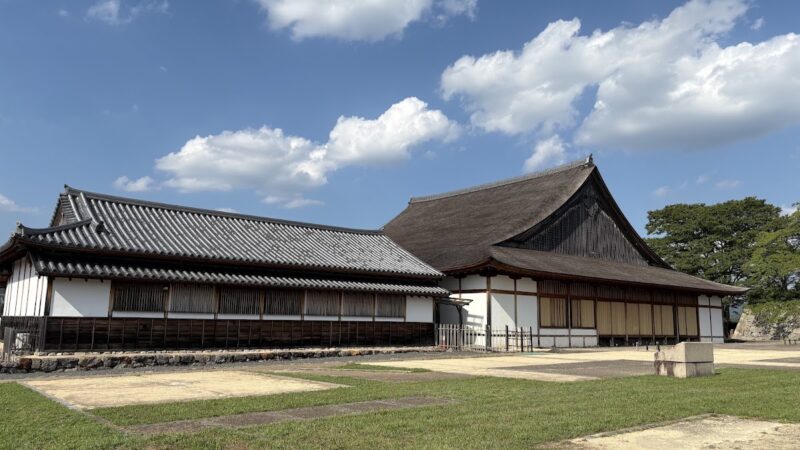
Tenshū Gate: The first castle tower built in the Showa era, located on the site of the second castle tower, now in operation at the Shimanto City Local History Museum.
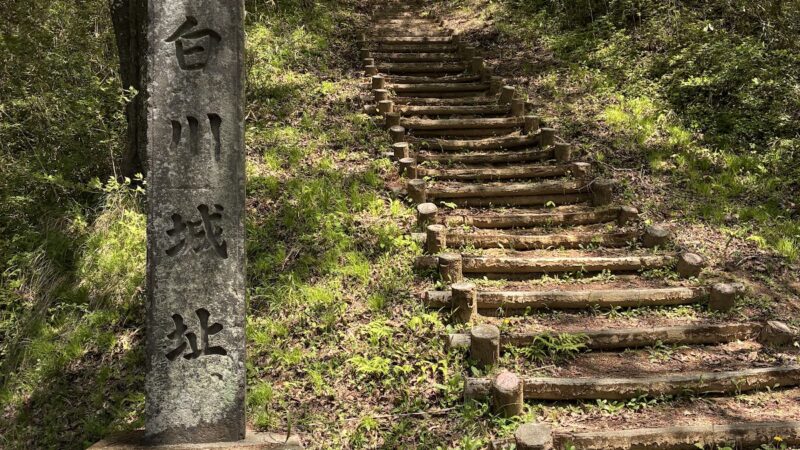
Stone monument: A stone monument with information on the history of the castle fort.
Shimanto City Local History Museum
The second castle tower was constructed in the Showa era, and is currently in use as the Shimanto City Local History Museum. Exhibits related to the history of Nakamura Castle, including materials from the museum’s collection of the Ichijo and Wayamanai clans.
History of Soma Nakamura Castle in Ooku Province (Fukushima Soma City)
Construction of Nakamura Castle by the Aima clan
Xiangma Nakamura Castle (also known as Balian Castle) located in Xiangma City, Fu Island, built in 1611 by Yusangma Lichenyu. The Xiangma family is a long-standing family that has existed for generations. A while ago, other people lived in Odaka Castle, but after the defense, it was decided that Nakamura was building a new castle.
Focus on the feudal government
It was built in the early Meiji period, around 260 years ago, when Nakamura Castle was built and the domain was established. The Nakamura clan’s administration centered on production, the politics of production, the integration of Japanese culture, and the development of castle towns and travels.
During the Edo period, the Nakamura clan was a feudal lord whose land was 60,000 koku (which is equivalent to 60,000 koku of rice). The fort has undergone multiple repairs, the mission has improved its abilities, and the fort has been successfully transformed into a modern fort.
Other name: Masao Castle
Aima Nakamura Castle also known as “Umao Castle”. This name is due to the geographical location of Yucheng Fortress, which is a deep and deep source of water for the Xiangma family. Since ancient times, the Soma clan has been a famous area for horses, and since then it has been famous for its Soma field horse festival.
Meiji era new development
After the Meiji era and the new era, the feudal system was abolished, the Nakamura domain was abolished, and the castle was established. Unfortunately, the construction was not successful, but there are still a few things that have been preserved.
Nakamura Castle’s structure and departure
Fortress structure
The Nakamura Castle is a fort built in Uyama, and the Udagawa River is a natural river. The main city is located in the center of the city, the surrounding area is surrounded by two walls, three walls are built, and the defense works and earthworks are strengthened by the stone mounds.
Special features of modern castle forts, special features of castle fort construction techniques in the early Edo period, examples of which are the use of stone forts in the modern era.
Existing Baling Park
In front of us, the Nakamura Castle ruins were designated as “Baling Park”, which was also designated as Fukushima’s historic site. The following further development is included in the park:
- Earthworks: The earthworks for the protection of the castle fort have been perfectly preserved.
- Stone Mound: A partial stone mound still exists, with the appearance of a modern castle fort.
- 护城川遗迹: Traces of the water that can be seen and dried.
- Outer fort: The main outer fort based on the topography of Kaneki, the layout of the two outer forts and the three outer forts.
- Information tile: An explanation tile of the history of the castle fortifications and construction.
Yosomamanomasai’s connection system
Nakamura Castle has been designated as a nationally important, non-trivial folk culture, luxury, and has a deep source of wealth. The story of the origin of the festival is a history of the military affairs of the Xiangma clan, which is now held in great celebration every July of the year. This is one of the most important festival stages in the Shuchen area of the city fortress site.
Comparative features of the castle fort
Similar songs
Nakamura Castle in Tosa Province and Nakamura Castle in Oku Province are similar songs as follows:
- Yamataka Castle: Yamataka Castle Fort, which makes use of the hilly terrain evenly.
- River flow used: The Shimanto River and the Udagawa River are natural rivers that have been used by the Uza Castle Fort.
- Long-term use: Long-term use of the castle fortress, from the medieval period to the early modern period.
- Current Park: The present park is located in the city center, and is a favorite of the local residents.
- Cultural heritage designation: The designated cultural and historic sites are important in each region.
Undou no 处
On the other hand, there is a difference between the existence of Biza Jōtaya:
| Item | Nakamura Castle, Tosa Province | Nakamura Castle, Souma, Ooku Province |
|——|————–|——————-|
| Location | Kochi Shimanto City | Fukushima Shimanto City |
| Other name | Tamamatsu Castle | Bara Castle |
| Major feudal lords | Tamamatsu clan, Ichijo clan, Yamauchi clan | Aima clan |
| Construction date | Medieval history (written in English) | 1611 |
| Era of Gyoen | 1615 (Each province’s Ichijo Rei) | Early Meiji period |
| Existence time | Approximately 400 years | Approximately 260 years |
| Current name | Yusong Park | Baliang Park |
| Featured design | Aihara Castle Tower (Local History Museum) | Aimano Umao Aikan design |
Tosa Province Nakamura Castle Tour Guide
Traffic Breath
Point: Marunouchi, Shimanto City, Kochi
Public transportation:
- Approximate journey time: 15 minutes from Nakamura Station on the Tosa Kuroshio Railway
- Approximately 5 minutes’ ride from Zhongmura Station
Self-indulgence:
- From Kochi Expressway Shimanto-cho Chuo IC exit, take National Route 56 for approximately 50 minutes.
- Providing free parking
Learn about the game
- Shimanto City Local History Museum: Before the introduction, the opening time and closing date of the museum. Enter the purchase slip.
- Hijikata Engineering Japanese Temple: A walk through the park, a monument to the castle forts of the medieval period and early modern period.
- Famous Victory Land: This is a famous victory land, spring heaven time, no customer connection, heat time extraordinary.
- Viewing platform: From the top of the castle fort tower tower, you can enjoy a magnificent panoramic view of the Shimanto City and Shimanto River.
Zhoukan Scenic Spot
- Shimanto River: The Shimanto River is one of Japan’s most primitive rivers, and has the charm of a single wooden boat that can be used as a drifting vessel.
- Ichijo Shrine: A shrine dedicated to the Tosa Ichijo clan.
- Nakamura Streetscape: A historic district of the prestigious “Tosa Little Kyoto.”
Nakamura Castle Visitor Guide
Traffic Breath
Point: Xishan Nakamura, Fushima, Xiangma City
Public transportation:
- Travel time from JR Tokiwa Line to Soma Station is approximately 20 minutes.
- A 5-minute ride from the station to the airport
Self-indulgence:
- Approximately 10 minutes from the Tokiwa Expressway Soma IC exit
- Providing free parking
Notes
- Japanese stone mounds made with earthworks: Perfectly preserved Japanese stone mounds made with earthworks are must-see sites.
- Information tile: An information tile with detailed information about the contents of the castle fort.
- Saimano Horse Passing Festival: Visit during the Sangomano Horse Festival in July, and visit the fortress site on the same occasion.
- Park Manwalk: 您可以迥楎城偗址、欣赏四期迭.
Zhoukan Scenic Spot
- Aima Shrine: A shrine dedicated to the guardian of the Aima clan.
- Aima City Museum: Historical museum of the Aima clan and Nakamura domain.
- Matsukawaura: Lake with beautiful scenery.
Nakamura Castle’s cultural scene
History meaning
Nakamura Castle is an important part of the history of each district. Nakamura Castle in Tosa Province is the political and cultural center of western Tosa, and Nakamura Castle is the administrative center of the feudal domain in Oku Province.
Work culture protection
The site of the castle fortress is an important cultural and cultural property that is protected by the government. Nakamura Castle in Tosa Province is a historical monument designated by Shimanto City, and Nakamura Castle in Soma City, Ooku Province is a historical monument designated by Fukushima Island.两za castle fortress uniformity achieved reasonable management wabo 护.
Regional recognition
Nakamura Castle is the same element as the important area where each of them is located. In Shimanto City, we are the cultural legacy of the Ichijo clan; in Soma City, we are the historical legacy of the feudal clan, which is the arrogant conquest of local residents.
Conclusion
“Nakamura Castle” refers to the castle fortress site in different areas: Shimanto City, Wafukushima City, Kochi City. The fortress capital has its own unique historical and Japanese characteristics, and the current production also has important regional cultural benefits.
Nakamura Castle in Tosa Province was established by the Tamamatsu clan, the Tosa Ichijo clan and the Yamanouchi clan, etc., changed hands, and the center of production in the western Tosa area spanned approximately 400 years. Nowadays, the historical scenery of the Shimanto City Local History Museum in Tamamatsu Park, which is currently under observation, has been completed as part of the Shimanto City Local History Museum Exhibition.
Nakamura Castle, the clan’s residence in the Oku Province, was the residence of the clan for 260 years, and was also the administrative center of the area. As of now, you can see the history of Baliang Park, the local horse festival, and the history of the local horse festival.
This castle fort is a rare historical monument, from the middle ages to the early modern period, and is an important monument in the history of Japanese castle forts. When I visited, I understood that the fortress had a unique history and cultural background, and the general’s arrival was more serious and more meaningful.
We hope to explore the castle ruins, explore the historical and Japanese culture of Japan, and explore the local attractions.