A Thorough Explanation of the History and Remains of Hobara Castle (Date City, Fukushima Prefecture)
Hobara Castle was a flatland castle located in Jounouchi, Hobara-machi, Date City, Fukushima Prefecture. Although very few remains exist today due to urbanization, it was an important castle associated with powerful daimyo in the Tohoku region, including the Date clan, from the Kamakura period to the early Edo period. This article provides a detailed explanation of Hobara Castle’s history, the changes in its lords, its current state, and how to access it.
Hobara Castle was a flatland castle located in Jounouchi, Hobara-machi, Date City, Fukushima Prefecture. ## Basic Information on Hobara Castle
Location: Jonouchi, Hobara-machi, Date City, Fukushima Prefecture
Castle Structure: Flatland Castle
Construction Period: Early Kamakura Period (Tradition)
Main Lords: Date clan, Nakajima clan, Kakeda clan, Ouchi Sadatsuna, Uesugi clan retainers, Oishi clan, Ogoe clan
Year of Abandonment: Around 1636 (Kanei 13)
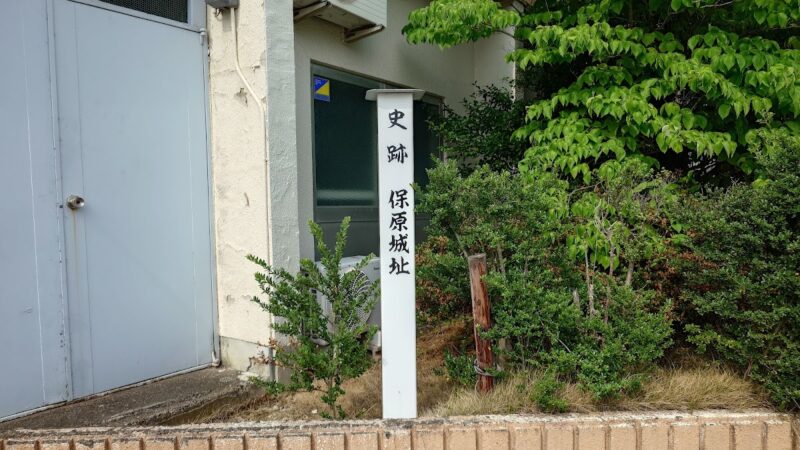
Remains: Almost completely lost (only the marker post remains)
Designated Cultural Property: None
The current site of Hobara Castle is believed to be around the Date City Hobara Community Center and near “Nakano Clinic”. The location of the main keep is estimated to be near the current site of Nakano Hospital (Nakano Clinic), and the large moat that was once located north of the main keep was called “Motoki Tamei” and remained until recently.
History of Hobara Castle
Kamakura Period: Legend of Founding
It is said that Hobara Castle was founded by the Date clan in the early Kamakura period, but no historical records remain to confirm this. The Date clan was a prestigious samurai family that expanded its power from the northern part of present-day Fukushima Prefecture to the southern part of Miyagi Prefecture from the Kamakura period to the Muromachi period, and it is believed that the Hobara area was under the influence of the Date clan from an early stage.
Sengoku Period: Base of a Date Clan Vassal
Historical records confirm that Hobara Castle functioned as an important branch castle of the Date clan during the Sengoku period.
Nakajima Ise (Nakajima Munemoto)
Records show that Nakajima Ise (Nakajima Munemoto), a vassal of the Date clan, resided at Hobara Castle during the Tensho era (1573-1592). Nakajima Munemoto is known as a warrior who frequently achieved military success in battles between the Date clan and the Soma clan. The Soma clan was a powerful rival force located to the east of the Date clan, and military clashes frequently occurred between them. Hobara Castle played a crucial role as a base for the Date clan’s eastern defenses.
Kaketa Gozen
Records indicate that a woman named Kaketa Gozen resided at Hobara Castle. During the Sengoku period, women sometimes managed castles and territories, suggesting that Kaketa Gozen, as a figure connected to the Date clan, governed the Hobara area.
Ouchi Sadatsuna
During the time of Date Masamune, Ouchi Sadatsuna is said to have briefly ruled Hobara Castle. Ouchi Sadatsuna was one of Date Masamune’s generals and played a significant role in Masamune’s unification of Oshu. The fact that Hobara Castle was given to a retainer of Masamune indicates its importance to the Date clan.
Momoyama Period: Renovation by Uesugi Kagekatsu
In 1598 (Keicho 3), when Uesugi Kagekatsu entered Aizu with a domain of 1.2 million koku by order of Toyotomi Hideyoshi, the Hobara area also became part of the Uesugi clan’s territory. Uesugi Kagekatsu made Aizu-Wakamatsu Castle (Tsuruga Castle) his base and proceeded to improve the surrounding branch castles.
Hobara Castle was also renovated during this period, strengthening its function as a base for the Uesugi clan’s eastern defense. During the Uesugi era, Hobara Castle is thought to have been positioned as an important strategic point on the road connecting Aizu and Yonezawa.
Edo Period: From Branch Castle of the Uesugi Clan’s Yonezawa Domain to Abandonment
The Era of the Oishi Clan
In the Battle of Sekigahara in 1600 (Keicho 5), the Uesugi clan sided with the Western Army. After the war, their domain was reduced from 1.2 million koku in Aizu to 300,000 koku in Yonezawa. However, the Hobara area remained part of the Uesugi clan’s Yonezawa Domain.
In the early Edo period, the Oishi clan, a senior retainer of the Uesugi clan, was appointed as the lord of Hobara Castle. The Oishi clan was a prominent family of hereditary vassals of the Uesugi clan, and they governed the surrounding area from Hobara Castle.
Ogoshi Kiyomichi and the Abandonment of the Castle
In 1636 (Kanei 13), Ogoshi Kiyomichi was dispatched as the castle lord of Hobara Castle, replacing the Oishi clan. It is said that Hobara Castle was abandoned at this time. Due to the Edo shogunate’s “One Castle Per Province” decree, each domain was required to abolish castles other than its main castle, and it is believed that Hobara Castle was abandoned under this policy.
After the castle’s abandonment, a jinya (fortified residence) was established in Hobara, and it continued to function as an outpost of the Yonezawa Domain. The current name of Jinya-dori (Jinya Street) originates from the Hobara Jinya of this period.
Hobara Jinya (fortified residence) of the Shirakawa Domain
In 1742 (Kanpo 2) during the mid-Edo period, the Hobara Jinya was built by Matsudaira Sadakata, the lord of the Shirakawa Domain. This fortified residence was established by the Shirakawa Domain to govern the 17 villages of the Hobara area, and continued to function as a fortified residence for both the Shirakawa and Tanagura Domains even after the Abe clan took over. This Hobara Jinya was located in a different place from the Hobara Castle ruins (near the current Hobara Central Community Center in Date City).
Structure and Layout of Hobara Castle
Hobara Castle was built as a flatland castle, and it is believed that defensive structures were arranged utilizing the surrounding terrain.
Honmaru (Main Enclosure)
The Honmaru is estimated to have been located near the current Nakano Hospital (Nakano Clinic). Because it was a flatland castle, there were no large structures such as stone walls or a keep; it is thought to have been defended by earthworks and moats.
Moat and Reservoir
There was a large moat on the north side of the Honmaru, called “Motoki Reservoir.” This reservoir remained until recently, but has now been filled in. It is believed that the reservoir served not only as a defensive moat but also as a reservoir for agricultural water.
Town Layout
A castle town formed around Hobara Castle, forming the basis of the current Hobara town center. Place names reflecting the Edo period town layout, such as Jinya-dori (Jinya Street), still remain today.
Current Status and Highlights of Hobara Castle Ruins
Status of Remains
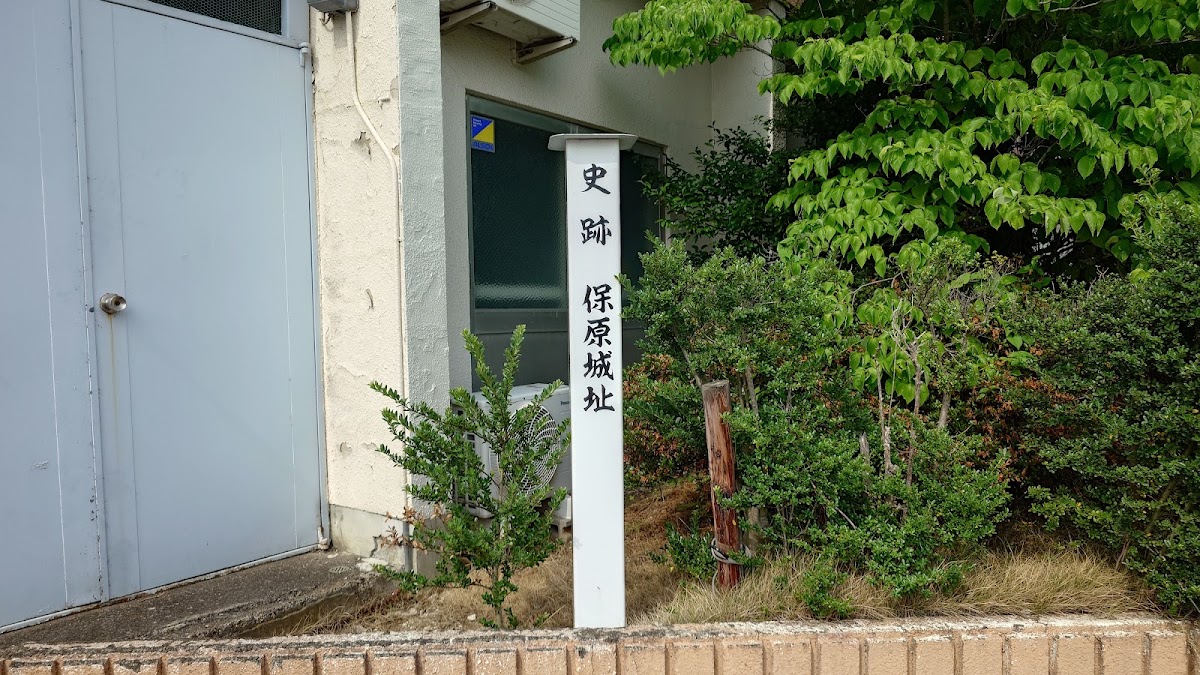
The current Hobara Castle site is completely urbanized, and very few remains such as moats or earthworks remain. The site believed to be the main keep is now occupied by “Nakano Clinic,” with only a marker post in front of it.
Location of the Marker Post
A marker post indicating the Hobara Castle site is erected on the grounds of “Nakano Clinic” at the intersection of Jonouchi, Hobara-machi, Date City, Fukushima Prefecture. This marker post is the only remaining trace of the castle site.
Nearby Related Facilities
Hobara Community Center
The area around the Date City Hobara Community Center, located approximately 100m west of the Hobara Castle ruins, is also believed to have been part of the castle grounds. The community center has a parking lot, which can be used when visiting the castle ruins.
Hobara Town Historical and Cultural Museum
This museum introduces the history and culture of Hobara Town and also features exhibits related to Hobara Castle. If you want to learn more about the castle’s history and life at the time, a visit here is recommended.
Hobara Jinya Site (Date City Hobara Central Community Center)
The Date City Hobara Central Community Center, located approximately 100m west of the Hobara Castle ruins, is the site of the Edo period Hobara Jinya (fortified residence). While a separate facility from Hobara Castle, it is an important place for understanding Hobara’s Edo period history.
Results of Archaeological Excavations
Archaeological excavations have been conducted at the Hobara Castle ruins in the past, and reports have been published as “Hobara Castle Ruins 6, Miyashita Site, and Daichiuchi A Site.” The survey was conducted by the Hobara Town Board of Education (now the Date City Board of Education), and insights into the extent and structure of the castle ruins were obtained.
The archaeological excavations have confirmed artifacts and remains from the medieval to early modern periods, confirming that Hobara Castle was used for a long period of time.
How to Access Hobara Castle
Access by Train
From JR Tohoku Main Line Hobara Station
- Approximately 12 minutes on foot from Hobara Station
- Distance: Approximately 1 km
- Exit the station and head northeast towards Hobara Community Center.
Access by Car
From Tohoku Expressway
- Approximately 15 minutes (approximately 10 km) from Kunimi IC
- Approximately 25 minutes (approximately 18 km) from Fukushima Nishi IC
Parking
- Parking is available at Hobara Community Center.
- Please be considerate when visiting, as the parking lot in front of Nakano Clinic is for a medical facility.
Address and Map Information
Hobara Castle Ruins (Location of the Marker)
〒960-0600 Jonouchi, Hobara-machi, Date City, Fukushima Prefecture
(In front of Nakano Clinic)
Hobara Community Center (Parking Available)
〒960-0628 10-1, Hobara-machi, Date City, Fukushima Prefecture
Castles Related to Hobara Castle
Several castles related to Hobara Castle exist in and around Date District, Fukushima Prefecture.
Yanagawa Castle
A castle located in Yanagawa-machi, Date City, and one of the Date clan’s strongholds. Hobara Castle functioned as a branch castle of Yanagawa Castle at one time. Yanagawa Castle is an important castle for understanding the history of the Date clan.
Koori Nishiyama Castle
A mountain castle located in Koori-machi, Date District, and one of the Date clan’s strongholds. It was used during the time of Date Tanemune and Harumune, father and son, and is closely related to Hobara Castle.
Fukushima Castle
A castle located in Fukushima City, which served as the administrative center of the Fukushima Domain during the Edo period. While Fukushima Castle belonged to a different domain during the time when Hobara was part of the Yonezawa Domain, they were geographically close.
Points to Note When Visiting Hobara Castle
- Almost No Remains Remain: The Hobara Castle site is completely urbanized, and no remains such as moats or earthworks can be found. Only the marker post remains as a trace of the castle site.
- Consideration for Medical Facilities: The marker post is located on the grounds of a medical facility (Nakano Clinic). Please be considerate and avoid interfering with medical treatment during your visit.
- Parking: You can use the parking lot at the Hobara Community Center. Please do not use the clinic’s parking lot, as it is for patients only.
- Visiting the Museum: If you would like to learn more about the history of Hobara Castle, we recommend visiting the Hobara Town Historical and Cultural Museum.
- Nearby Historical Sites: The Hobara Jinya Ruins (Date City Hobara Central Community Center) are also nearby, and visiting them together will give you a deeper understanding of Hobara’s history.
Historical Significance of Hobara Castle
Hobara Castle is an important castle for understanding the history of the Tohoku region, particularly northern Fukushima Prefecture, from the medieval to the early modern period.
A Base for the Expansion of the Date Clan’s Power
From the Kamakura period to the Sengoku period, Hobara Castle served as a branch castle of the Date clan, playing a crucial role in eastern defense. It was a vital strategic point in the conflict between the Date and Soma clans.
A Part of the Uesugi Clan’s Control of Aizu
During the Momoyama period, it was remodeled by Uesugi Kagekatsu and functioned as an eastern base for the Uesugi clan’s control of Aizu.
A Center of Regional Governance in the Edo Period
During the Edo period, it served as a branch castle of the Yonezawa Domain, and later as a fortified residence of the Shirakawa Domain, playing a central role in regional governance.
Although very few remains today, Hobara Castle continues to hold historical value as an important historical site that tells the story of Tohoku’s Sengoku period history and the history of regional governance in the Edo period.
Summary
Hobara Castle was a flatland castle located in Hobara-machi, Date City, Fukushima Prefecture. It played an important role under the rule of the Date and Uesugi clans from the Kamakura period to the early Edo period. While very few remains exist today due to urbanization, a marker post has been erected, and the Hobara Town Historical and Cultural Museum offers opportunities to learn about the castle’s history.
It’s easily accessible, about a 12-minute walk from JR Hobara Station, and parking is available at the Hobara Community Center. For those interested in the medieval and early modern history of the Tohoku region, or those wanting to trace the history of the Date and Uesugi clans, this historical site is well worth visiting.
When visiting Hobara Castle ruins, visiting the nearby Hobara Jinya ruins and the Hobara Town Historical and Cultural Museum will allow for a deeper understanding of the region’s history.