Utsumine Castle (Fukushima Prefecture) Complete Guide | The Charm of a Fortress from the Nanboku-cho Period and a National Historic Site
Located in the central part of Fukushima Prefecture, on the border between Sukagawa City and Koriyama City, Utsumine Castle is a valuable mountain castle ruin that conveys the turbulent history of the Nanboku-cho period. A large-scale mountain castle that fortified the entire Utsumineyama mountain, an isolated peak at an altitude of 677 meters, it was designated a national historic site in 1931. This article comprehensively explains everything you need to know for your visit, from the historical background of Utsumine Castle to detailed information about the site, hiking routes, and surrounding spots.
Basic Information on Utsumine Castle
Location and Geographical Characteristics
Location: Utsumine, Shiodahara, Sukagawa City, Fukushima Prefecture (partially overlapping with Koriyama City)
Former Province: Iwaki District, Mutsu Province (partially Asaka District)
Elevation: 677 meters
Relative Height: Approximately 426 meters (from the Moriyama area at the foot of the mountain)
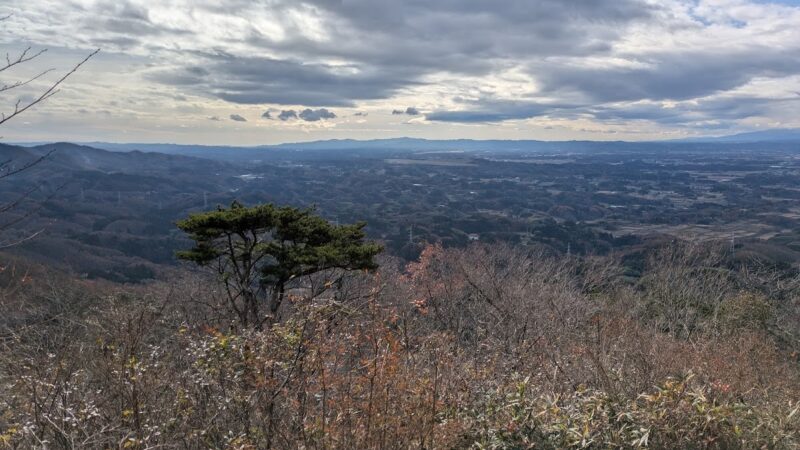
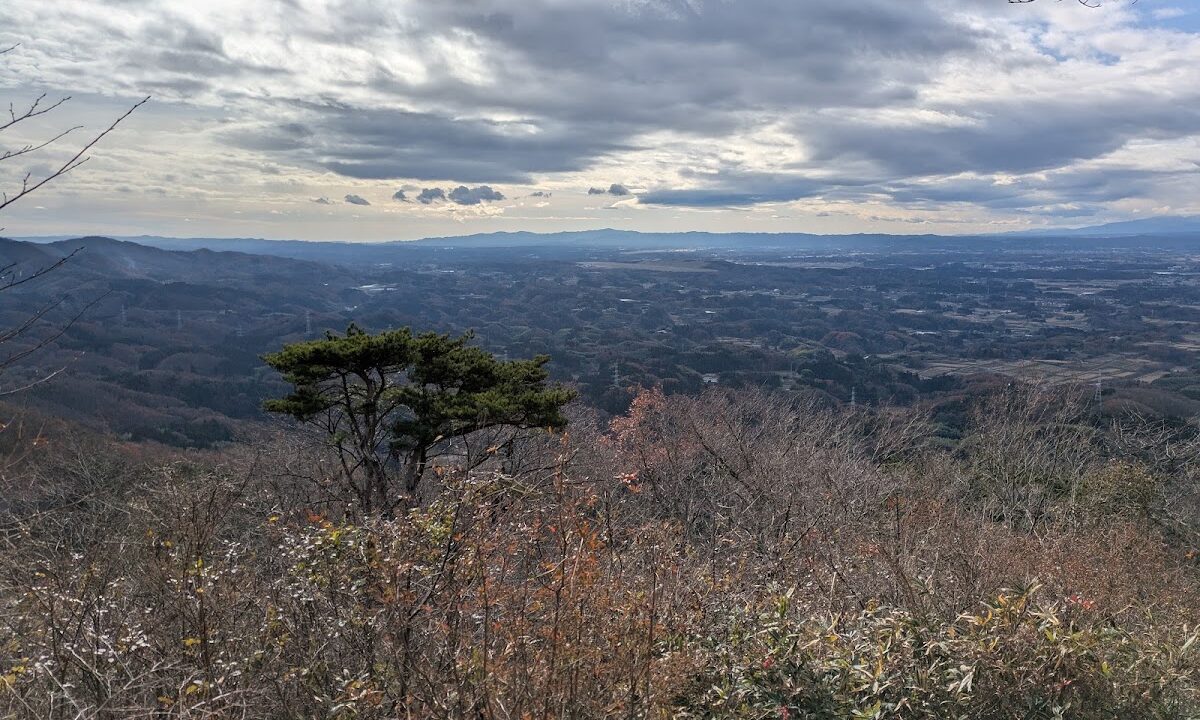
Utsumineyama is an isolated peak belonging to the Abukuma Mountains, characterized by its steep, pyramidal shape rising from the surrounding plains. This topographical advantage was one of the reasons it was chosen as an important military base during the Nanboku-cho period. On clear days, the summit offers a panoramic view of Koriyama and Sukagawa cities, and even Mount Bandai and Mount Adatara can be seen in the distance, making it an excellent viewpoint.
Common Names and Alternative Names
Utsumine Castle has several alternative names:
- Unsuihojo: Named after the appearance of the mountaintop being shrouded in clouds.
- Hoshigajo: Named because the bonfires on the mountaintop at night resembled stars.
- Uzumine: An alternative spelling of the place name.
These alternative names are valuable historical records that tell the story of how people at the time viewed Mount Utsumine.
Classification and Structure
Castle Classification: Mountain Castle
Castle Structure: Consecutive Enclosure Mountain Castle
Keep Structure: None (As it is a medieval mountain castle, there is no keep)
Major Remains: Enclosures (Kuruwa), Earthworks, Dry Moats, Vertical Moats, Well Remains, Stone Monument
Cultural Property Designation: National Historic Site (Designated March 30, 1931)
Utsumine Castle is a typical medieval mountain castle, featuring a consecutive enclosure layout with multiple enclosures arranged along the ridge from the mountaintop. Defensive facilities are spread throughout the entire mountain area, and its large scale suggests it was an important base for the Southern Court.
History of Utsumine Castle
Background of Construction and the Nanboku-cho Period
Builder: Kitabatake Akinobu
Year of Construction: Kōkoku 1st year/Ryakuō 3rd year (1340)
Main Lords: Tamura Muneki, Kitabatake Akinobu
Utsumine Castle appears on the historical stage during the Nanboku-cho period, a time of great upheaval in Japanese history. Following the collapse of Emperor Go-Daigo’s Kenmu Restoration, Japan split into the Southern and Northern Courts, and Ōshū (the Tohoku region) became the stage for fierce struggles between the two forces.
In Kōkoku 1st year (1340), Kitabatake Akinobu, a key figure on the Southern Court side, was appointed Chinju-fu Shōgun (Commander-in-Chief of the Northern Defense Headquarters) and descended to Mutsu Province as the commander-in-chief of the Southern Court forces in Ōshū. With the cooperation of Tamura Muneki, a powerful local warlord, Akinobu constructed a full-fledged mountain castle on Mount Utsumine. At this time, Utsumine Castle housed the Chinju-fu (military headquarters) and the Kokufu (provincial capital), becoming the political and military center of the Southern Court in Oshu.
Relationship with Moriyama Castle
Approximately 6 kilometers northwest of Utsumine Castle was Moriyama Castle (present-day Moriyama, Tamura-cho, Koriyama City), the base of the Tamura clan. Moriyama is a hilly area with an elevation of approximately 250 meters, located approximately 426 meters lower than Utsumineyama.
Tamura Muneki used Moriyama Castle as his residence, while providing the more defensively superior Utsumine Castle as a base for Kitabatake Akinobu. These two castles formed a mutually interconnected defensive network, becoming a key element of the Southern Court’s control over Oshu.
Fierce Battles and the Fall of the Castle
The existence of Utsumine Castle posed a significant threat to the Northern Court. In 1348 (Shohei 3/Jowa 4), the Southern Oshu samurai of the Northern Court mobilized all their forces and launched a full-scale attack on Utsumine Castle. This battle was extremely fierce, and a siege dragged on for several years.
In 1353 (Shohei 8th year/Bunwa 2nd year), Utsumine Castle finally fell. This fall significantly weakened the Southern Court’s forces in Oshu and marked a crucial turning point in the Nanboku-cho conflict. Many Southern Court generals, including Prince Morishige, son of Prince Takanaga (son of Emperor Go-Daigo), were reportedly holed up inside the castle, and it is said that there were many casualties upon its fall.
History after the Fall of the Castle
After the unification of the Northern and Southern Courts (1392), Utsumine Castle ceased to serve its military purpose and was abandoned. However, its historical importance was passed down among the local people, and it became an object of worship, with a shrine dedicated to the three princes, known as “Senjin-dame,” being built near the mountaintop.
In modern times, the historical value of Utsumine Castle was re-evaluated, and it was designated a national historic site on March 30, 1931. Currently, it attracts attention from castle researchers and history enthusiasts as a valuable historical site where the remains of a medieval mountain castle are well-preserved.
Remains and Highlights of Utsumine Castle
Major Enclosures (Kuruwa)
The most distinctive feature of Utsumine Castle is the numerous enclosures spread throughout the mountain area. The major enclosures are as follows:
Main Enclosure (Honmaru): The most important enclosure located at the mountaintop. Surrounded by earthen ramparts, it is believed to have housed the central functions of the Southern Court. Utsumine Shrine is currently located here.
Second and Third Enclosures: Groups of enclosures arranged to surround the main enclosure. Each functioned as an independent defensive unit.
Senjin-dame: A relatively large, flat area near the mountaintop, named for the large number of soldiers that could be stationed there. There is a shrine dedicated to the three princes.
These enclosures are skillfully positioned along the ridges and slopes, forming a multi-layered defensive system to prevent enemy intrusion. The defensive design, utilizing the elevation differences between the enclosures, is a typical characteristic of medieval mountain castles.
Earthworks and Moats
At Utsumine Castle, the earthworks surrounding each enclosure remain in good condition. In particular, the earthworks around the main enclosure reach heights of 2-3 meters in some places, demonstrating the high level of castle-building technology of the time.
Multiple moats (dry moats) blocking the ridges can also be seen. These were designed to limit enemy intrusion routes and facilitate defense. Especially along the main ridge leading to the mountaintop, a series of moats were constructed, suggesting they would have been a significant obstacle for attackers.
Vertical Moats
Vertical moats, excavated vertically into the slopes, are also important defensive structures at Utsumine Castle. These were designed to attack enemies climbing the slopes from the flanks, demonstrating defensive techniques unique to mountain castles. Several clearly visible vertical trenches remain today, making them valuable historical remains for understanding the castle’s layout at the time.
Well Sites
Securing a water source was a matter of life and death for mountain castles. Several well sites have been identified at Utsumine Castle, suggesting efforts to secure a water source in preparation for a long siege. However, securing a water source at the mountaintop is thought to have been extremely difficult, and this may have been a contributing factor to the castle’s eventual fall.
Stone Monuments and Memorials
Near the mountaintop, several stone monuments and memorials commemorating the history of Utsumine Castle have been erected. These include a monument commemorating the designation as a national historical site, as well as monuments honoring Southern Court generals, demonstrating how much the local people cherished the history of Utsumine Castle.
Hiking and Access Information
Hiking Courses and Estimated Time
Utsumine Castle ruins are accessed via hiking trails. The main hiking routes are as follows:
Route from the Sukagawa side trailhead
- Elevation of trailhead: Approximately 250 meters
- Elevation difference to summit: Approximately 427 meters
- Time required: Ascent approximately 1 hour 30 minutes to 2 hours, Descent approximately 1 hour to 1 hour 30 minutes
- Difficulty: Intermediate (includes steep climbs)
Route from the Koriyama side trailhead
- Elevation of trailhead: Approximately 300 meters
- Elevation difference to summit: Approximately 377 meters
- Time required: Ascent approximately 1 hour 30 minutes, Descent approximately 1 hour
- Difficulty: Intermediate
The hiking trails are well-maintained, but there are steep slopes and rocky areas, so appropriate equipment such as trekking shoes is recommended. Particular caution is needed after rain, as the trails can become slippery.
Parking Information
Sukagawa Side Parking
- Location: Shiodahara area, Sukagawa City
- Number of Parking Spaces: Approximately 10
- Fee: Free
- Toilets: Available
Koriyama Side Parking
- Location: Tamura-cho area, Koriyama City
- Number of Parking Spaces: Approximately 5-10
- Fee: Free
- Toilets: None (Simple toilets available near the trailhead)
The trailhead is a few minutes’ walk from the parking lot. Parking lots can get crowded on holidays and during the autumn foliage season, so early arrival is recommended.
Access by Public Transportation
Using the JR Tohoku Main Line
- Get off at Sukagawa Station, approximately 15 minutes by taxi
- Get off at Koriyama Station, approximately 20 minutes by taxi
Access by public transportation alone is difficult, so using a rental car or taxi is more practical.
Precautions for Hiking
- Season: April to November is the best time for hiking. In winter, there is snow cover, so it should be avoided by anyone other than experienced hikers.
- Clothing: Long sleeves, long pants, and trekking shoes are recommended. Even in summer, insect repellent is necessary.
- Items to bring: Drinking water, snacks, rain gear, map, flashlight (in case of delays in descending)
- Bear precautions: There have been bear sightings in Fukushima Prefecture, so it is recommended to carry bear repellent items such as bells.
- Cell phone: There is reception near the summit, but there are areas on the hiking trail where there is no signal.
Spots around Utsumine Castle
Moriyama Castle Ruins
The Moriyama Castle Ruins, the base of the Tamura clan which had close ties to Utsumine Castle, are located in Moriyama, Tamura-cho, Koriyama City. It is about a 15-minute drive from Utsumine Castle, and visiting both together will give you a deeper understanding of the situation in Oshu during the Nanboku-cho period. There are also historical sites related to the Tamura clan scattered around the Moriyama Castle Ruins.
Sukagawa City Museum
This museum introduces the history and culture of Sukagawa City and also features exhibits related to Utsumine Castle. Visiting before climbing the castle will allow you to gain a deeper understanding of its historical background before visiting the site.
Location: 6 Ikegami-cho, Sukagawa City
Opening Hours: 9:00 AM – 5:00 PM (Last entry at 4:30 PM)
Closed: Mondays (or the following day if Monday is a public holiday), New Year holidays
Admission Fee: General 200 yen, High school/University students 100 yen, Elementary/Junior high school students 50 yen
Koriyama City Fureai Science Museum
This science museum is located in the Big Eye Building in front of Koriyama Station. From the observation lobby on the top floor, you can see Mount Utsumine in the distance. It is suitable for confirming the relative positions of Koriyama city and Mount Utsumine.
Asaka Kunizukuri Shrine
This ancient shrine is known as the guardian shrine of Koriyama City and is located about 20 minutes by car from Utsumine Castle. There are many spots in the surrounding area where you can experience the history of Koriyama.
Sukagawa Peony Garden
This is one of the largest peony gardens in the Tohoku region, and it is bustling with tourists during the blooming season from mid- to late May. You can enjoy the seasonal flowers in combination with a climb to Utsumine Castle.
Best Season to Visit Utsumine Castle
Spring (April-May)
This is the season of fresh greenery, making it ideal for hiking. The temperature is mild, allowing you to concentrate on observing the ruins. Since the number of hikers increases during Golden Week, visiting on weekdays is recommended.
Summer (June-August)
The greenery is lush, and the view from the mountaintop is magnificent. However, temperatures are high and there are many insects, so sufficient heat protection and insect repellent are necessary. Early morning hiking is comfortable.
Autumn (September-November)
This is the season of autumn leaves, and Utsumine Mountain is at its most beautiful. The best time to see the autumn foliage is from late October to early November, attracting many hikers. The temperature is also ideal for hiking, making it the most recommended time of year.
Winter (December to March)
There is snow cover, and it is not recommended for general hikers. However, for experienced winter mountain climbers, it is an attractive time to enjoy the beauty of snow-covered Mt. Utsumine and the winter-only views.
The Cultural Value of Utsumine Castle
Significance of National Historic Site Designation
The following factors contributed to Utsumine Castle’s designation as a National Historic Site in 1931:
- Important Base during the Nanboku-cho Period: Historically significant as it functioned as the political and military center of the Southern Court in Oshu.
- Preservation of Remains: Remains such as baileys, earthworks, and moats are well-preserved.
- Typical Example of a Medieval Mountain Castle: A valuable example demonstrating the characteristics of medieval Japanese mountain castles.
- Significance in Regional History: An indispensable historical site for understanding the medieval history of Fukushima Prefecture.
Academic Research
Utsumine Castle is continuously being investigated by castle researchers. Recent surveys have revealed previously unknown remains, and research is still ongoing. These research findings provide valuable data for understanding the construction techniques and tactics of medieval mountain castles.
Preservation and Utilization
As a national historical site, Utsumine Castle requires appropriate preservation and management. Sukagawa City and Koriyama City are cooperating to preserve the remains and maintain the hiking trails. Simultaneously, they are considering installing information boards to widely communicate the value of the historical site and conducting guided tours.
How to Enjoy Visiting Utsumine Castle
Feeling the Romance of History
The greatest appeal of Utsumine Castle is the opportunity to experience firsthand the turbulent history of the Nanboku-cho period. Standing on the mountaintop and gazing at the surrounding scenery, reflect on the battles that took place here over 670 years ago. Observing the remains such as earthworks and moats, and imagining how the samurai fought at that time is also part of the enjoyment.
Enjoying the View from the Mountaintop
From the mountaintop at an altitude of 677 meters, a 360-degree panoramic view unfolds. From here, you can see not only the city centers of Koriyama and Sukagawa, but also, on a clear day, Mount Bandai, Mount Adatara, and the Nasu mountain range. The Big Eye Building (133 meters above ground) in front of Koriyama Station is a particularly striking landmark, creating an impressive contrast between the modern cityscape and the medieval mountain castle ruins.
Nature Observation
Utsumineyama is blessed with abundant nature, allowing you to observe plants and wild birds throughout the seasons. It displays different expressions in each season, from spring wildflowers and summer greenery to autumn foliage and winter frost-covered trees.
Photography
Utsumineyama Castle is an excellent spot for photography, with its castle ruins, mountaintop views, and seasonal natural beauty. Especially during the autumn foliage season, early mornings and evenings offer a fantastical scene.
Summary
Utsumineyama Castle is a valuable medieval mountain castle ruin that Fukushima Prefecture is proud of. It played a historically important role as the site of fierce battles during the Nanboku-cho period and is now protected as a national historical site. Built on an isolated peak at an altitude of 677 meters, this magnificent mountain castle boasts remarkably well-preserved remains such as baileys, earthworks, and moats, showcasing medieval castle-building techniques.
Utsumine Castle, where you can explore historical remains through hiking and enjoy breathtaking views from the summit, is an attractive spot not only for history buffs but also for hiking enthusiasts. Located across two cities, Sukagawa and Koriyama, it is surrounded by related sites such as the ruins of Moriyama Castle and museums.
When visiting, be sure to prepare with appropriate equipment and safety precautions, and fully enjoy the historical romance of the Nanboku-cho period and the natural beauty of Fukushima. Utsumine Castle, a special place where past and present intersect, is sure to leave a profound impression on visitors.