Asakawa Castle (Fukushima Prefecture) Complete Guide: From the Asakawa Clan’s Residence to Shiroyama Park
What is Asakawa Castle?
Asakawa Castle (Asakawa-jo) is a Japanese castle from the Sengoku period located in Asakawa-machi, Ishikawa-gun, Fukushima Prefecture. Also known as Aoba Castle, it is known as a Negoya-style mountain castle built on the summit of a mountain called Shiroyama, approximately 90 meters above sea level. From the Kamakura period to the Sengoku period, the Asakawa clan, a branch of the Ishikawa clan who ruled this region, used it as their residence for generations.
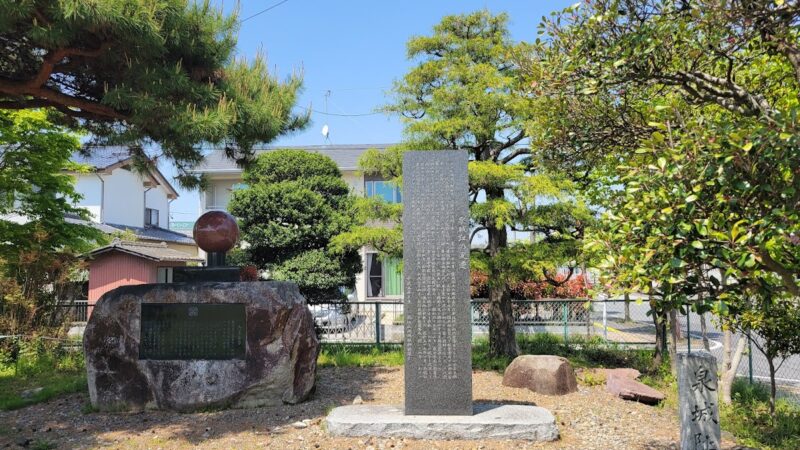
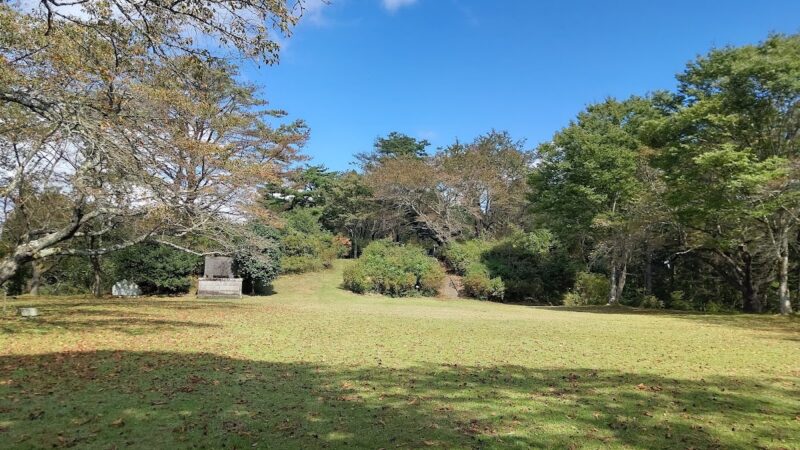
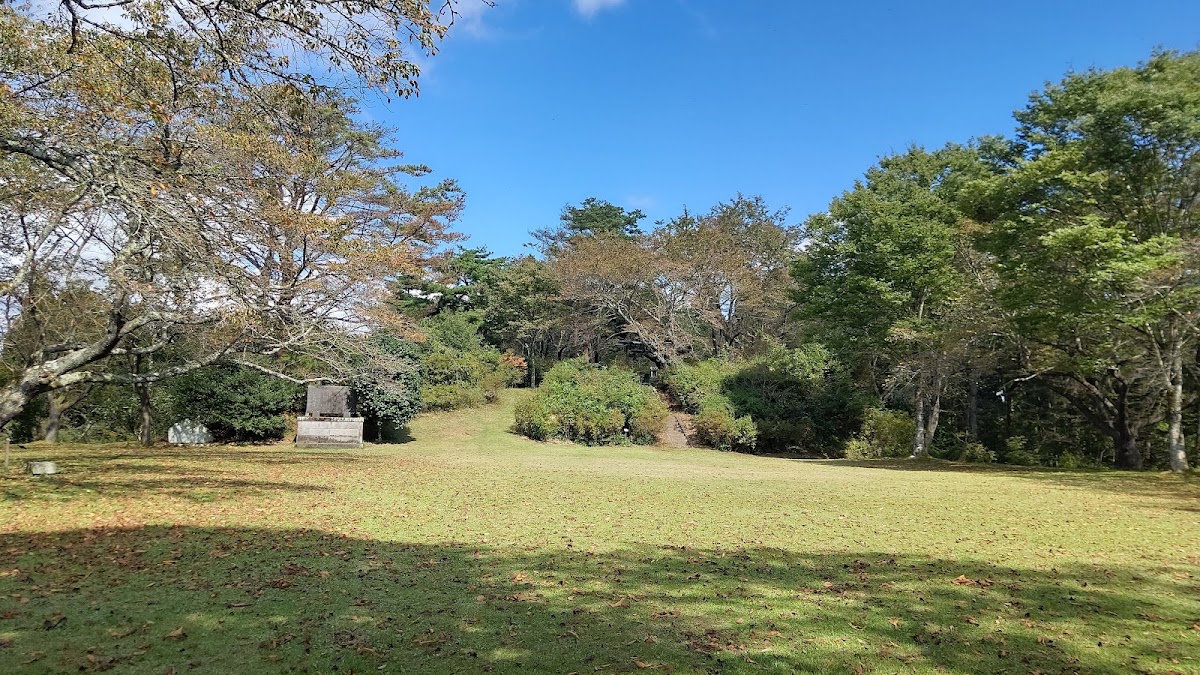
Currently, the castle ruins have been developed into “Shiroyama Park,” a historical spot accessible by car that is popular with locals and castle enthusiasts. It is located approximately 1 kilometer northeast of the Asakawa Town Hall and approximately 1.1 kilometers in a straight line from Iwaki-Asakawa Station on the JR Suigun Line.
History of Asakawa Castle
Founding and the Asakawa Clan
Asakawa Castle is believed to have been founded in Bunji 5 (1189). After the fall of the Oshu Fujiwara clan, Asari Tomoyoshi was granted this land for his service in Minamoto no Yoritomo’s conquest of Oshu. The Asari clan later changed their name to the Asakawa clan and settled in this area.
The Asakawa clan was a branch of the Ishikawa clan and grew into a powerful local lord ruling over the Ishikawa district. Throughout the Kamakura and Muromachi periods, the Asakawa clan used this castle as their residence and controlled the surrounding region.
Battles during the Sengoku Period
During the Sengoku period, Asakawa Castle became the stage for numerous battles. In particular, it was frequently attacked by surrounding Sengoku daimyo such as the Shirakawa Yuki clan and the Tamura clan, resulting in fierce battles.
At that time, southern Mutsu Province was a region where the powers of various clans, including the Date, Ashina, Tamura, and Shirakawa Yuki clans, were intricately intertwined, and Asakawa Castle was caught in the middle of this turmoil. The Asakawa clan strived to maintain their power in this region, sometimes forming alliances and sometimes becoming enemies.
Abandoned Castle
In 1590 (Tensho 18), Toyotomi Hideyoshi implemented the “Oshu Settlement.” At this time, the Asakawa clan’s territory was confiscated, and it is believed that Asakawa Castle was abandoned around this time. This marked the end of the Asakawa clan’s rule, which had lasted for approximately 400 years.
Structure and Layout of Asakawa Castle
Basic Structure of the Castle
Asakawa Castle is classified as a Negoya-style mountain castle. It had the typical form of a medieval mountain castle, with the main castle area located at the summit of the castle mountain, and the residences of the vassals and other buildings at the foot of the mountain.
Composition of the Main Castle Area
The main castle area at the summit consisted of two main enclosures: the main enclosure (honmaru) and the secondary enclosure (ninomaru). The main enclosure was located at the highest point of the castle mountain, and three tiers of enclosures were arranged in a concentric pattern. The outer bailey, second bailey, and third bailey are arranged to surround the main bailey, enhancing its defensive capabilities.
From the main bailey, visitors can enjoy a panoramic view of Asakawa town, a magnificent sight even today.
Moats and Baileys
A distinctive defensive feature of Asakawa Castle is the presence of at least four consecutive moats. Between these moats are baileys with earthworks and gates, creating a structure that effectively prevented enemy intrusion.
Currently, a forest road runs through the center of these baileys, and some remains have been eroded. Ironically, this provides a valuable opportunity to observe the cross-sections of the moats and baileys from the side. For castle researchers, this is an interesting resource for understanding the structure of medieval mountain castles.
Residence Site
Apart from the main castle area at the mountaintop, a flat area believed to be a residence remains near the southern entrance to the road. This is thought to be where the lord and retainers lived during peacetime, exhibiting a typical structure of a Negoya-style mountain castle.
Current Status as Shiroyama Park
Access and Facilities
Currently, the Asakawa Castle ruins are maintained as “Shiroyama Park,” with a paved road. You can drive up to the parking lot below the main enclosure, making it easily accessible. There are signs for the “Shiroyama Park Entrance” along National Route 118 (Ishikawa Road), so you can access it without getting lost.
Points of Interest
The average time spent visiting Shiroyama Park is approximately 30-37 minutes. The main points of interest are as follows:
Main Enclosure Ruins: Located at the highest point of the mountaintop, it offers a panoramic view of Asakawa town. The shape of the enclosure is relatively well preserved.
Moat System: The continuous moats visible along the forest road are important remains for understanding the defensive system of a medieval mountain castle.
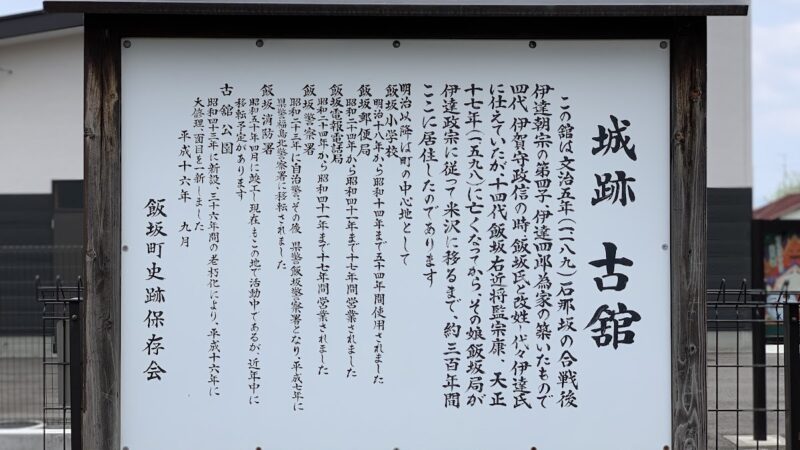
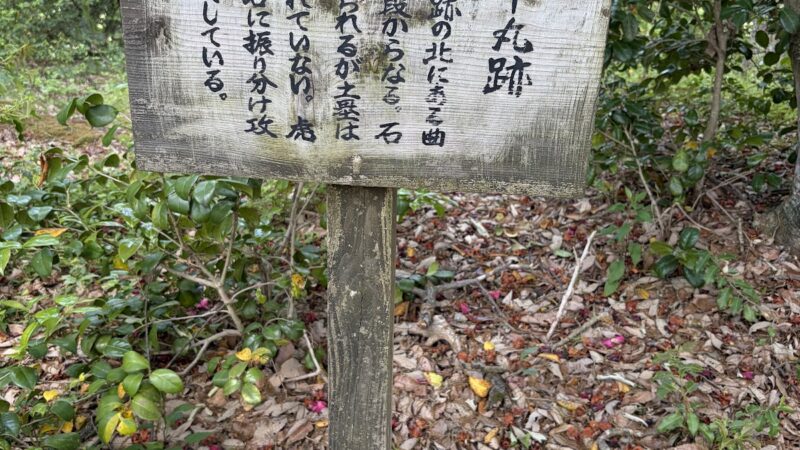
Information Boards: Information boards explaining the history and structure of Asakawa Castle are installed within the park, allowing even first-time visitors to understand the castle’s overview.
View: The view from the main enclosure is magnificent, offering panoramic views of Asakawa town and the surrounding mountains.
Visitor Ratings
The average rating from castle enthusiasts nationwide is 3.00-3.33, a fitting assessment for a medium-sized mountain castle. The number of visitors is relatively small, making it a hidden gem for quietly exploring the castle ruins.
Highlights of Asakawa Castle
Preservation of the Remains
Although some parts of Asakawa Castle’s remains have been altered due to its development as a park, the main enclosures and moats remain relatively well-preserved. The moat system, in particular, is a valuable historical site for understanding the defensive systems of medieval mountain castles.
Historical Value
Asakawa Castle is an important historical site for understanding regional history, as it served as the residence of a local lord from the Kamakura period to the Sengoku period. The history of the Asakawa clan, a branch of the Ishikawa clan, ruling this area for approximately 400 years, provides valuable information for understanding the regional society of medieval Mutsu Province.
Connections to Surrounding Castles
Asakawa Castle had close ties to Miyoshi Castle in Ishikawa Town and other medieval castles in the surrounding area. Visiting these castles together will help you understand the medieval castle network throughout Ishikawa County.
Access to Asakawa Castle
Location
Shiroyama, Asakawa, Asakawa-machi, Ishikawa-gun, Fukushima Prefecture
Public Transportation
Approximately 15-20 minutes on foot from JR Suigun Line “Iwaki-Asakawa Station” (straight-line distance approximately 1.1 km). However, since the climb to the summit is on foot, it is recommended to allow ample time for your visit.
Access by Car
There is a sign for “Castle Ruins Park Entrance” along National Route 118 (Ishikawa Highway). From there, follow the paved road uphill to reach the parking lot below the main enclosure. The main enclosure is a few minutes’ walk from the parking lot.
Nearest Major Facilities
Located approximately 1 kilometer northeast of Asakawa Town Hall, it offers good access from the town center.
Best Season to Visit Asakawa Castle
Spring (March-May)
During cherry blossom season, the cherry blossoms in Shiroyama Park are beautiful, making it a popular spot for cherry blossom viewing. The fresh green season makes the layout of the baileys easier to see, making it ideal for observing the ruins.
Summer (June-August)
The greenery becomes denser, and some ruins may be difficult to see, but the view from the mountaintop is magnificent. Don’t forget insect repellent.
Autumn (September-November)
The autumn foliage season is particularly beautiful, making it ideal for strolling around the castle ruins. The weather is mild, allowing for thorough observation of the ruins.
Winter (December-February)
If there is snow, visiting may be difficult. However, on clear, snow-free days, the air is crisp, offering excellent views, making it a good season to enjoy the scenery.
Asakawa Castle and Surrounding Historical Sites
Miyoshi Castle
Located in Ishikawa Town, Miyoshi Castle, like Asakawa Castle, is a castle associated with the Ishikawa clan. Situated along National Route 118, visiting both Asakawa Castle and Miyoshi Castle provides insight into the Ishikawa clan’s sphere of influence.
Nakazato Manor and Sanjo Manor
Several other medieval manor sites exist within Asakawa Town. Visiting these together offers a deeper understanding of the Asakawa clan’s system of rule.
History and Culture of Asakawa Town
Besides Asakawa Castle, Asakawa Town is dotted with historical sites and cultural properties that tell the story of the region. Obtaining information beforehand at the town’s historical museum will make your visit more fulfilling.
Precautions When Visiting Asakawa Castle
Clothing and Equipment
As it is a mountain castle, comfortable walking shoes and clothing are essential. Especially if you plan to closely observe the remains such as moats, equipment similar to that used for mountain climbing is recommended.
Safety Considerations
Since the forest road cuts through the ruins, caution is required when driving. Also, when observing the moats and baileys, be careful of your footing to avoid accidents such as falls.
Manners
The castle ruins are a valuable cultural asset. Please observe proper manners when visiting, such as not damaging the ruins or littering.
The Charm of Asakawa Castle
The greatest charm of Asakawa Castle lies in the fact that it offers a relatively well-preserved example of a typical medieval mountain castle structure. Although some parts have been altered due to its development as a park, the main remains are still intact, making it a worthwhile site for castle enthusiasts.
Furthermore, its convenient access by car and relatively quiet environment with few visitors make it ideal for those who want to carefully observe the castle ruins. The view from the main bailey is also magnificent, making it a valuable spot where you can enjoy both historical and nature walks.
Why not imagine the appearance of this Sengoku period mountain castle while feeling the history of this land, which was ruled by the Asakawa clan for approximately 400 years? For those interested in the medieval history of Fukushima Prefecture, and for those who enjoy visiting castles, this is a historical site you should definitely visit.
Summary
Asakawa Castle (Asakawa-machi, Ishikawa-gun, Fukushima Prefecture) is a Negoya-style mountain castle that served as the residence of the Asakawa clan from the Kamakura period to the Sengoku period. Also known as Aoba Castle, it was abandoned in 1590 during the Oshu Settlement. Currently, it is maintained as Shiroyama Park and is a historical spot accessible by car.
You can observe typical structures of a medieval mountain castle, such as a concentric layout centered around the main and secondary enclosures, and a series of moats. The average visit time is about 30-37 minutes, and from the main enclosure, you can enjoy a magnificent panoramic view of Asakawa town.
As a valuable historical site that tells the history of the Ishikawa clan, and as a cultural asset that preserves the appearance of a Sengoku period mountain castle, Asakawa Castle is a castle ruin worth visiting. Please consider visiting it as part of a trip to experience the medieval history of Fukushima Prefecture.