Complete Guide to the Kuwori Jinya Ruins (Fukushima Prefecture) | The Charm of the Edo Period Magistrate’s Office and Former Date County Office
Located in Kuwori Town, Date County, Fukushima Prefecture, the Kuwori Jinya Ruins are a valuable historical site that retains the appearance of a magistrate’s office directly controlled by the shogunate during the Edo period. Currently, it is developed as Jinya-no-Mori Park, adjacent to the former Date County Office, which is designated as a National Important Cultural Property, and is a tourist spot where you can experience the history from the Edo to Meiji periods.
Overview of the Kuwori Jinya Ruins
The Kuwori Jinya Ruins are the site of the Kuwori Magistrate’s Office (Jinya), which was established as a shogunate-controlled territory during the Edo period. A Jinya was a place where county magistrates and local officials governed during the Edo period, and the term collectively referred to offices, residences, and storehouses. The Kuwori Magistrate’s Office was a large facility consisting of one main inn, six foot soldier barracks, fifteen silver mine workers’ quarters, and five metalworking quarters.
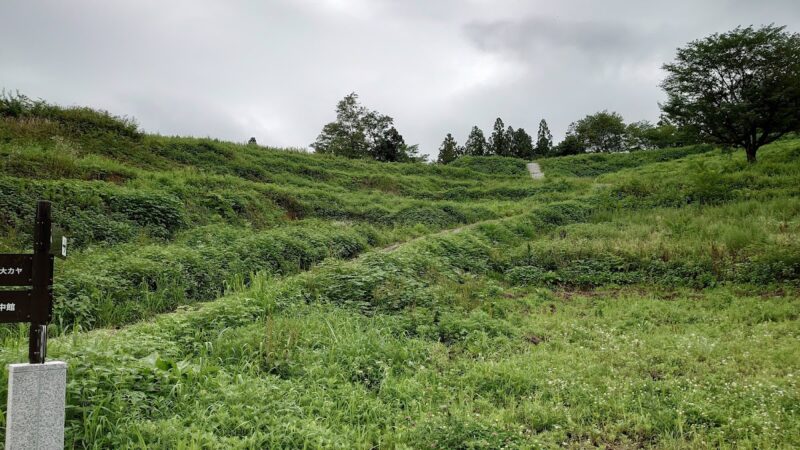
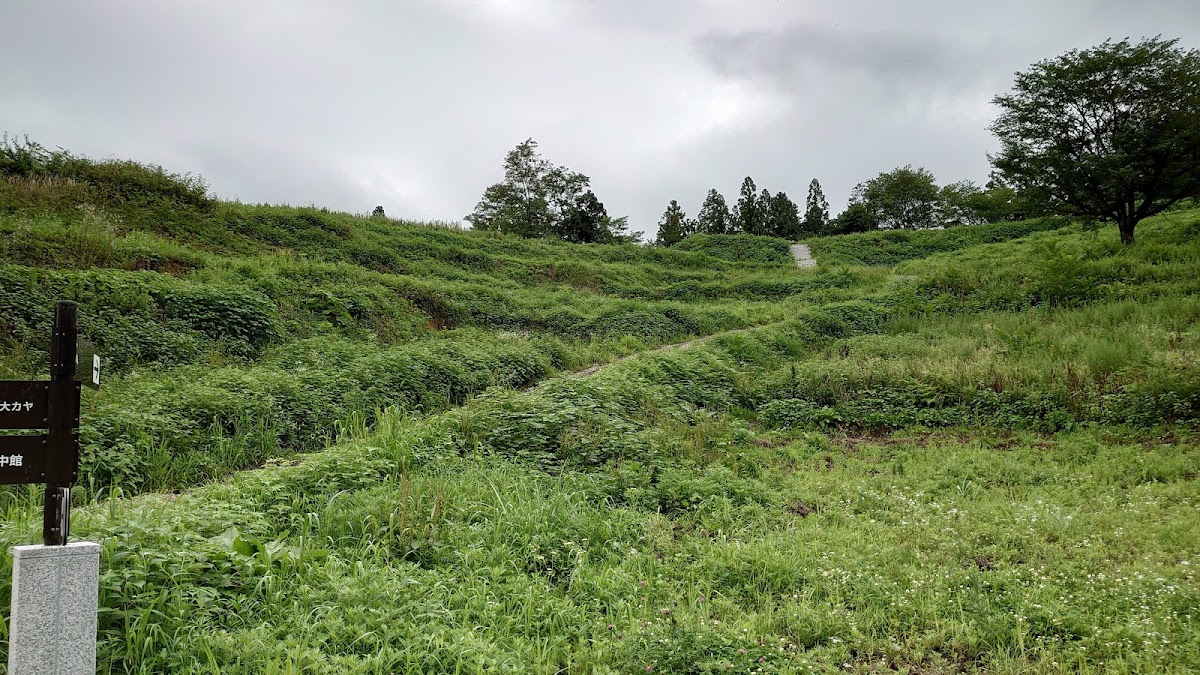
The current place name, Jinya, Kuwori Town, is derived from the fact that this magistrate’s office once stood there. The Jinya (fortified residence) site is located on a hill overlooking National Route 4, and the surrounding area has been developed into Jinya-no-Mori Park. Especially in late November, the autumn leaves are vividly colored, creating a beautiful landscape of a bright red carpet.
Location and Access
Location: 12 Jinya, Koori-machi, Date-gun, Fukushima Prefecture
Access:
- Approximately 10 minutes on foot from JR Tohoku Main Line “Koori Station”
- Approximately 10 minutes by car from Tohoku Expressway “Kunimi IC”
- Located along National Route 4, with ample parking available
Koori-machi is located in the northern part of Fukushima Prefecture and is a region rich in historical and cultural heritage, including the ruins of Koori Nishiyama Castle, built as the base of the Sengoku period daimyo Date clan, and the townscape of Koori-juku, which flourished as a junction of the two major highways of the Tohoku region during the Edo period (Oshu Kaido and Ushu Kaido).
The History and Architectural Value of the Former Date County Office
The former Date County Office, located adjacent to the site of the Kuwori Jinya (fortified residence), is a building of extremely high value as a pseudo-Western style building from the Meiji era. It was designated a National Important Cultural Property on June 27, 1977 (Showa 52), and has become a symbolic presence in Kuwori Town.
Architectural History
In 1879 (Meiji 12), the Date County Office was initially established in Hobara. However, due to the enthusiastic efforts of the residents of Kuwori Town, it was decided that the office would be relocated to Kuwori in April 1883 (Meiji 16). In October of the same year, a new building in a pseudo-Western style was completed at a cost of 25,000 yen, a huge sum at the time.
This construction cost, when converted to today’s value, would be equivalent to several hundred million yen, illustrating the passion that the residents of Kuwori Town poured into attracting this county office. In Meiji-era local administration, the location of a county office was a crucial factor directly linked to regional development.
Characteristics of Pseudo-Western Style Architecture
The former Date County Office is known as a representative example of “pseudo-Western style architecture.” Pseudo-Western style architecture is a unique architectural style developed during the Meiji era by Japanese master carpenters who imitated Western architecture while incorporating traditional Japanese techniques.
Architectural Features:
- Two-Story Structure: A rare example of a completely two-story building for its time.
- Central Tower: An impressive tower located in the center of the building creates an imposing presence.
- Balcony: A decorative balcony incorporating elements of Western architecture.
- Foundation: A robust foundation structure made of stone masonry.
- Windows: Sash windows with glass panes.
- Eaves: Decorative rafter-like ornaments with circular cornices.
- Eclectic Style: A design that skillfully incorporates Japanese techniques into a Western-style exterior.
This building is a valuable cultural heritage that conveys the atmosphere of the early Meiji era, when Japan actively sought to adopt Western civilization. It is particularly well-preserved among pseudo-Western style buildings in the Tohoku region and is highly valued from an architectural history perspective.
Historical Background of the Kuwori Jinya Site and Surrounding Area
Kuwori Magistrate’s Office in the Edo Period
The Kuwori Jinya played an important role as a territory directly controlled by the shogunate. This region is the birthplace of the Date clan, and during the Sengoku period, Kuwori Nishiyama Castle served as the Date clan’s base. In the Edo period, it became a direct territory of the shogunate, and the establishment of a magistrate’s office solidified its position as an administrative center.
The magistrate’s office handled a wide range of administrative duties, including tax collection, maintaining public order, and civil administration. The Kuwori magistrate’s office, in particular, was responsible for managing the surrounding silver mines, and its importance is evident from the presence of silver mine officials and refiners.
The Crossroads of the Oshu and Ushu Highways
Kuwori-juku flourished greatly as the crossroads (oiwake) of the Oshu and Ushu Highways, the two major highways in the Tohoku region during the Edo period. Many travelers and merchants passed through, making it a bustling post town.
This strategic location as a transportation hub was a major advantage when attracting the county office during the Meiji era, and it became the foundation for the development of Kuwori Town.
Significance as the Birthplace of the Date Clan
Koori Town is known as the birthplace of the Date clan, who later established the Sendai Domain. The Date clan expanded their power from their base at Koori Nishiyama Castle, eventually growing into a leading daimyo (feudal lord) in the Tohoku region.
Even today, Koori Town retains numerous historical sites related to the Date clan, and understanding the Koori Jinya (fortified residence) site within this historical context gives it deeper meaning.
Highlights of Jinya-no-Mori Park
Jinya-no-Mori Park, adjacent to the Koori Jinya site, is a park utilizing the site of a former magistrate’s office directly controlled by the shogunate. It has been developed as a place of relaxation where visitors can enjoy the changing seasons while experiencing history.
A Famous Spot for Autumn Foliage
Jinya-no-Mori Park offers particularly beautiful scenery during the autumn foliage season in late November. The trees in the park turn vivid colors, and a carpet of bright red fallen leaves spreads across the ground. Located on a hill, it offers panoramic views of the surrounding area and is a popular spot for photography.
Historical Walking Trail
Within the park, there are numerous signposts and stone monuments indicating the layout of the former magistrate’s office, allowing visitors to enjoy a stroll while imagining what the Edo-period magistrate’s office was like. Visiting this site along with the former Date County Office makes it a valuable place to experience the transition from the Edo period to the Meiji era.
Tourist Spots and Surrounding Facilities in Koori Town
When visiting the Koori Jinya Ruins, we recommend also visiting the surrounding tourist spots.
Koori Nishiyama Castle Ruins
The ruins of a medieval mountain castle built as the base of the Date clan. From the castle ruins, built on Nishiyama Mountain at an altitude of 193 meters, you can enjoy a panoramic view of Koori Town. It is an essential spot for learning about the history of the Date clan.
Koori Peach Line (Koori Peach Blossom Paradise)
Koori Town is known as the “Village of Tribute Peaches,” and in spring, peach blossoms bloom profusely across the landscape. The Koori Peach Line, lined with peach orchards, is adorned with pink blossoms from late April to early May, offering a truly beautiful landscape reminiscent of a peach blossom paradise.
Shōtoku Art Museum
This art museum, located within Koori Town, showcases local culture and art. Visiting it in conjunction with the former Date County Office will provide a deeper understanding of Koori Town’s cultural aspects.
Ando Nogan Poetry Monument
A monument commemorating Ando Nogan, a poet associated with Koori Town. It is preserved as a local literary heritage.
Koori Temple Gate
A temple building of historical value. It offers insight into the characteristics of temple and shrine architecture in Koori Town.
Cultural Value of the Koori Jinya Ruins
The Koori Jinya Ruins and the former Date County Office are valuable cultural heritage sites where the history of multiple eras is layered.
Significance as an Important Cultural Property
The former Date County Office is designated as a National Important Cultural Property not only because of its outstanding architectural features, but also because it provides important evidence for the history of local administration, architectural technology, and culture during the Meiji era.
The pseudo-Western style architecture is a unique architectural style that emerged during Japan’s modernization process, illustrating the cultural process of accepting Western civilization and integrating traditional Japanese techniques. It is highly regarded academically as a valuable example of the progress of modernization in the Tohoku region during the Meiji era.
Regional Symbol
The former Date County Office is a symbolic landmark of Koori Town, beloved by its residents. As a building symbolizing the town’s history, it serves as a core element of regional identity and is also utilized as a base for education and tourism.
Visiting Information and Precautions
Visiting Hours and Fees
For information on visiting the former Date County Office, it is recommended to check the official information of Koori Town in advance. To maintain the building’s preservation, there may be restrictions on internal viewing.
Jinya-no-Mori Park is generally open to the public for free strolling, but please be careful not to touch signposts or monuments to protect the historical site.
Photography
Photography of the exterior of the former Date County Office is generally permitted, but there may be restrictions on interior photography. From the perspective of cultural property protection, flash photography and the use of tripods may be restricted, so it is recommended to check before visiting.
Surrounding Facilities
Parking is available around the former Date County Office. It is also within walking distance of Koori Station, making it easily accessible by public transport.
The Significance of Learning Koori Town’s History
Visiting the Koori Jinya Ruins and the former Date County Office has meaning beyond mere sightseeing.
Understanding Japan’s Modernization Process
During the Meiji era, Japan rapidly modernized while adopting Western civilization and striving to preserve its unique culture. The pseudo-Western style architecture of the former Date County Office perfectly embodies the spirit of that era.
While imitating Western architectural styles, this building, constructed using traditional Japanese carpentry techniques, symbolizes the characteristics of Japan’s modernization: the acceptance and creative adaptation of culture.
Valuable Evidence of Local Administrative History
The transition of administrative organizations from an Edo-period magistrate’s office to a Meiji-era county office can be observed in the same location, making it a rare example nationwide and an important historical site for the study of local administrative history.
Inheritance of Regional History
The history of Koori Town, which flourished as the birthplace of the Date clan and a key point on the Oshu and Ushu roads, is important for understanding the history of the entire Tohoku region. Visiting the Koori Jinya Ruins allows you to experience the depth of history rooted in the region.
Summary: The Charm of the Koori Jinya Ruins
The Koori Jinya Ruins in Koori Town, Fukushima Prefecture, is a valuable spot where you can experience the layered nature of history, with the remains of an Edo-period shogunate-controlled magistrate’s office coexisting with the former Date County Office, a pseudo-Western style building from the Meiji era.
The former Date County Office, designated a National Important Cultural Property, is a two-story pseudo-Western style building constructed in 1883. While incorporating elements of Western architecture such as a central tower, balcony, and sash windows, it skillfully blends these elements with traditional Japanese architectural techniques. As a building symbolizing the modernization of the Tohoku region during the Meiji era, it holds high architectural historical value.
Adjacent to the office is Jinya-no-Mori Park, where visitors can enjoy the changing seasons while still feeling the atmosphere of the former magistrate’s office. The scenery is particularly beautiful during the autumn foliage season in late November.
Kuwori Town, known as the birthplace of the Date clan, a crossroads of the Oshu and Ushu highways, and a region famous for its peaches offered to the shogun, is home to the Kuwori Jinya Ruins. This site, located at the heart of its history, is an important cultural heritage that tells the story of the history of a regional Japanese city.
When you visit Fukushima Prefecture, be sure to stop by Koori Town and experience the historical value and architectural beauty of the Koori Jinya Ruins and the former Date County Office. It is a fascinating tourist spot where you can discover the transition from the Edo to the Meiji era, the process of Japan’s modernization, and the rich history rooted in the region.