History and Highlights of Kokura Castle (Koriyama City, Fukushima Prefecture) | From the Ito Clan’s Residence to Kokura Shrine
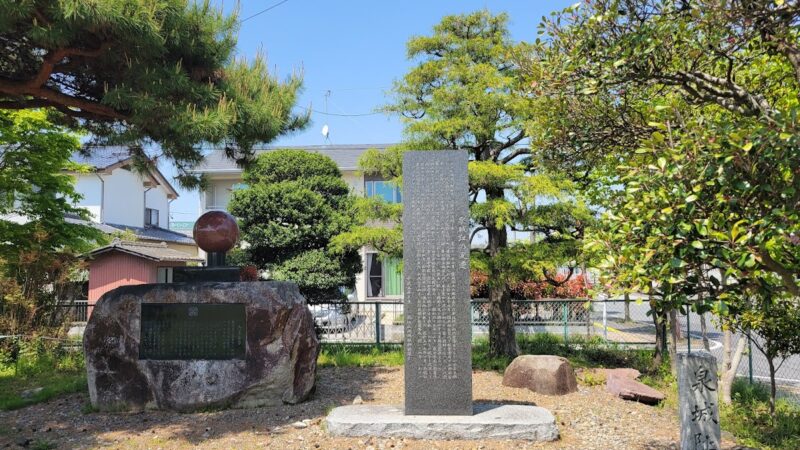
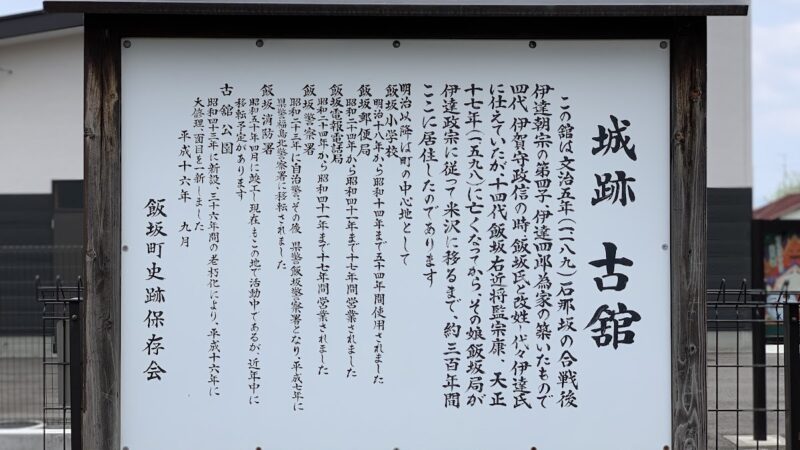
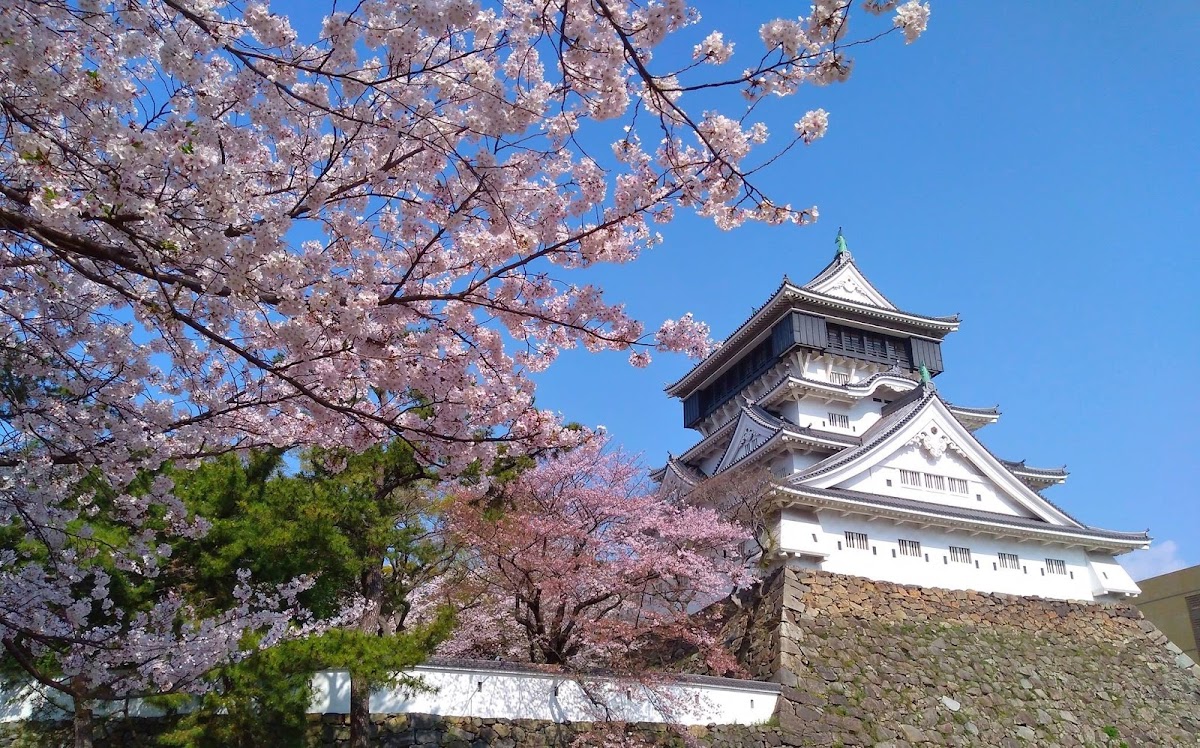
Located in Konan-cho, Koriyama City, Fukushima Prefecture, Kokura Castle is a different castle from the Kokura Castle in Kitakyushu City, Fukuoka Prefecture. It is a historic mountain castle, also known locally as “Tsurushima Castle” or “Nakachi Castle.” Currently, it is the grounds of Kokura Shrine, and the earthworks and bailey remains that retain traces of its former glory convey the history of the Middle Ages to visitors.
Basic Information on Kokura Castle
Kokura Castle is located in the Suwamae district of Nakano, Konan-cho, Koriyama City, Fukushima Prefecture. It stands on an isolated plateau approximately 20 meters high, northwest of the confluence of Prefectural Roads 6 and 9. Its proximity to the southern shore of Lake Inawashiro and its strategic location at a transportation hub connecting the Aizu and Nakadori regions are thought to be one of the reasons the castle was built in this location.
Location: Nakano Suwamae, Konan-machi, Koriyama City, Fukushima Prefecture (Ogura Shrine)
Other Names: Tsurushima Castle, Nakachi Castle
Castle Structure: Hill Castle (Hilltop Castle)
Relative Height: Approximately 20 meters
Construction Date: Bunreki 2 (1235)
Builder: Tsukazuka Tanba-no-kami Sanetsune
Main Lords: Tsukazuka clan, Ito clan
Year of Abandonment: Around Tensho 18 (1590)
Current Status: Within the grounds of Ogura Shrine, some remains still exist
History of Ogura Castle
Construction during the Kamakura Period
The history of Ogura Castle is very old, beginning in Bunreki 2 (1235) during the Kamakura period, when it was built by Tsukazuka Tanba-no-kami Sanetsune. This period was when the Kamakura Shogunate was established, and samurai groups in the Tohoku region built residences and castles throughout the land to control their territories.
The Tsukazuka clan was one of the samurai groups that held power in the Aizu region, and it is believed that they built Kokura Castle to solidify their control over the area. The castle’s location on the southern shore of Lake Inawashiro was a crucial point for water transport, and also a key point on the land route from Aizu to Koriyama, making it a militarily and economically important base.
The Ito Clan Era
In the late medieval period, Kokura Castle became the residence of the Ito clan. The Ito clan ruled this area for generations, and during the Sengoku period, they wielded considerable power as a powerful local lord in Aizu. In particular, during the Tensho era (1573-1592), Ito Moritsune served as the castle lord, operating from Kokura Castle.
Amidst the complex political situation in the Aizu region, the Ito clan maintained their own sphere of influence while maintaining relationships with powerful daimyo such as the Ashina and Date clans. Kokura Castle is thought to have served as the core of the Ito clan’s base, playing a central role in a network of castles and fortifications that coordinated with surrounding residences and branch castles.
The Death of Ito Moritsune and the Abandonment of the Castle
In 1590 (Tensho 18), Toyotomi Hideyoshi carried out the pacification of Oshu, and Gamo Ujisato was appointed to Aizu. At this time, the “Kasai-Osaki Rebellion” (Kasai-Osaki Uprising) broke out in the Tohoku region, and Gamo Ujisato marched out to suppress it.
Ito Moritsune marched out with Gamo Ujisato and was killed in battle at Myojo Castle (Kurihara City, Miyagi Prefecture). With the loss of its lord, Kokura Castle is believed to have been abandoned as the Ito lineage ended. This marked the end of Kokura Castle’s history, spanning over 350 years.
The Layout and Structure of Kokura Castle
Overall Structure
Kokura Castle is a hill castle built on an independent plateau, utilizing the difference in elevation with the surrounding lowlands to create a highly defensible fortress. The overall structure of the castle is a concentric layout with multiple baileys arranged around the main bailey.
The main keep (Honmaru) was located at the top of the plateau, where the main hall of Ogura Shrine now stands. Earthen ramparts surrounded the Honmaru, and parts of them remain in good condition. These ramparts are approximately 2-3 meters high, preserving remnants of the defensive structures of the time.
Arrangement of Enclosures
It is believed that multiple enclosures (Kuruwa) were arranged in a stepped fashion, centered around the Honmaru. From the current topography, at least 3-4 levels of flat areas can be identified, and it is presumed that these functioned as enclosures.
Each enclosure was demarcated by earthen ramparts and steep slopes, enhancing its defensive capabilities. In particular, the enclosures around the Honmaru are thought to have functioned as an important defensive line protecting the core of the castle.
Moats and Defensive Structures
While clear moat remains are difficult to identify at Ogura Castle, steep slopes were constructed along the edge of the plateau, functioning as defensive structures. Furthermore, some topographical features suggesting the presence of moats remain, indicating the possibility that moats dividing the plateau existed in the past.
The area surrounding the castle was a low-lying wetland, which is thought to have served as a natural moat. This type of defense, utilizing the terrain, is a common feature of medieval castles.
Current Highlights of Kokura Castle Ruins
Kokura Shrine
Currently, Kokura Shrine stands on the site of the former main keep of Kokura Castle. The entire shrine grounds are part of the castle ruins, allowing visitors to enjoy exploring the castle site while paying their respects.
The main hall of Kokura Shrine is built in the center of the main keep, and the earthen ramparts from the time remain around it. The shrine grounds are well-maintained, and in spring, cherry blossoms bloom, making it a place of relaxation for local residents.
Remaining Earthen Ramparts
Within the grounds of Kokura Shrine, valuable earthen ramparts remain as remnants of a medieval castle. These ramparts are 2-3 meters high and 5-6 meters wide at the base, making them important historical materials for understanding the technology used at the time of construction.
Although some parts of the ramparts are covered with trees, their shape is relatively well-preserved, allowing us to imagine the scale of the castle in its heyday. The earthworks on the north and east sides of the main enclosure are particularly well-preserved, making them a fascinating sight for castle enthusiasts.
Topography of the Enclosure Sites
Walking through the grounds, you can observe the terraced terrain. These are the remains of the former enclosures, and it is presumed that buildings and watchtowers once stood on each flat area.
Although currently used as shrine facilities and a path, careful observation reveals traces of artificially created flat areas and cut slopes.
Views
From the Kokura Castle ruins, you can enjoy panoramic views of the surrounding area. While the elevation of 20 meters is not particularly high, the low-lying terrain allows for surprisingly wide views.
The views towards Lake Inawashiro and the Aizu Basin are particularly unobstructed, highlighting the castle’s strategic location for monitoring transportation hubs. The castle lords of the past likely also surveyed their territories and monitored the situation from this vantage point.
Access to Kokura Castle
Access by Car
Access to Kokura Castle Ruins (Kokura Shrine) is most convenient by car.
- From central Koriyama City: Head west on National Route 49 towards Konan Town. Approximately 30 minutes using Prefectural Route 6 or 9.
- From Aizuwakamatsu City: Head east on National Route 49 for approximately 40 minutes.
- From Ban-etsu Expressway: Approximately 20 minutes from Inawashiro Bandai Kogen Interchange.
There is parking space near the entrance to the Kokura Shrine approach. However, parking for large vehicles is difficult, so please be aware of this.
Access by Public Transportation
If using public transportation, the JR Ban-etsu West Line is an option, but the nearest station is quite far, so taking a taxi is more practical.
- JR Ban’etsu West Line Inawashiro Station: Approximately 15 minutes by taxi
- JR Ban’etsu West Line Kawageta Station: Approximately 20 minutes by taxi
Nearby Castles and Points of Interest
Kurama Castle
Near Kokura Castle lies the site of Kurama Castle. These are thought to be part of a network of castles centered around Kokura Castle, supporting the Ito clan’s rule.
Yokozawa Castle
Yokozawa Castle is another nearby residence, presumably serving as a subsidiary castle of Kokura Castle. Visiting these castles provides a deeper understanding of the ruling structure of the lords of medieval Aizu.
Lake Inawashiro
Lake Inawashiro, close to Kokura Castle, is the fourth largest lake in Japan and boasts a beautiful landscape, also known as “Tenkyo-ko” (Heavenly Mirror Lake). Visitors can enjoy lakeside walks and sightseeing in conjunction with their castle ruins visit.
Other Castles in Aizu
Many castle ruins remain in the Aizu region. Visiting castles from the same period as Kokura Castle, such as Aizu-Wakamatsu Castle (Tsuruga Castle), Mukaihaguroyama Castle, and Inawashiro Castle, allows for a more comprehensive understanding of Aizu’s medieval history.
Historical Materials and Research on Kokura Castle
While historical materials concerning Kokura Castle are limited, descriptions can be found in local histories such as the “Aizu Shike Goko” and the “Shinpen Aizu Fudoki.” Furthermore, recent archaeological excavations and layout surveys are yielding new insights into the castle’s structure and transformations.
Historical materials concerning the Ito clan are also fragmentary, but a record of Ito Moritsune’s death in battle remains in documents related to Gamo Ujisato, providing a clue to understanding the circumstances of Kokura Castle’s abandonment.
Historical Significance of Kokura Castle
Kokura Castle occupies an important position in regional history as a castle of a local lord in medieval Aizu. Having survived for over 350 years, from the Kamakura period to the end of the Sengoku period, it is a valuable historical site that tells the story of the political and military changes in the Aizu region. In particular, the history of Ogura Castle, which maintained its unique power amidst the complex political situation of Aizu as the residence of the Ito clan, is an interesting case study for considering the nature of regional power during the Sengoku period.
Currently, it serves as a place of worship for the local community as Ogura Shrine, forming a unique space where history and faith are intertwined. The remains, such as earthworks and baileys, are valuable cultural assets that convey the appearance of the castle in its heyday and are a regional treasure that should be passed down to future generations.
Points to Note When Visiting
When visiting Ogura Castle ruins, please note the following:
- Respect for the Shrine: Remember that you are on the grounds of Ogura Shrine and observe proper worship etiquette.
- Protection of Remains: Please be careful not to climb on or damage the remains, such as earthworks.
- Safety: Pay attention to your footing, such as steps and tree roots, when walking around.
- Season: The scenery is especially beautiful during the cherry blossom season in spring and the autumn foliage season. 5. Photography: Please take photographs respectfully at the shrine.
Summary
Ogura Castle in Konan-machi, Koriyama City, Fukushima Prefecture, is a castle with a history of over 350 years, spanning from the Kamakura period to the Sengoku period. Built by the Tsukazuka clan, it flourished as the residence of the Ito clan, but was abandoned in 1590 after Ito Moritsune was killed in battle.
Currently, the site is the grounds of Ogura Shrine, with the main hall standing on the site of the former main keep, and earthworks and remnants of baileys remaining around it. Built on an isolated plateau 20 meters high, the castle is thought to have had a multi-bailey layout.
While it is a different castle from the Ogura Castle in Kitakyushu City, Fukuoka Prefecture, it is a valuable historical site that conveys the history of medieval Aizu, making it a worthwhile place to visit for castle enthusiasts and history buffs. Visiting it along with Lake Inawashiro and other castles in Aizu will allow for a deeper understanding of the region’s history.
Why not spend some time in the tranquil grounds of the shrine, contemplating the castle’s former glory, and immersing yourself in the history of medieval Aizu?