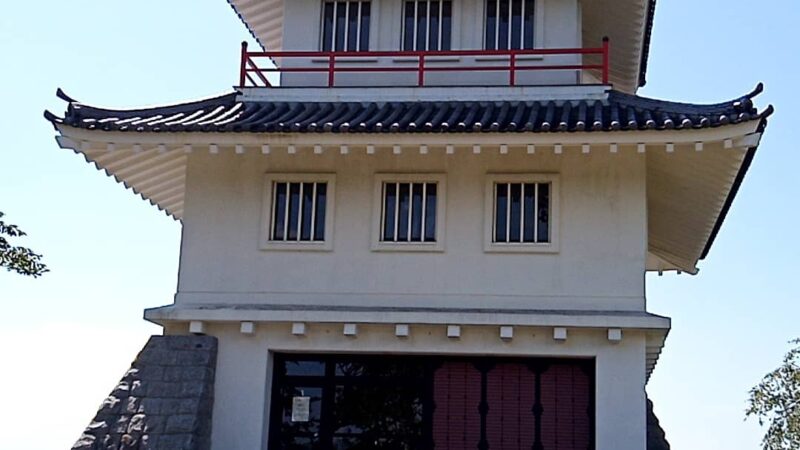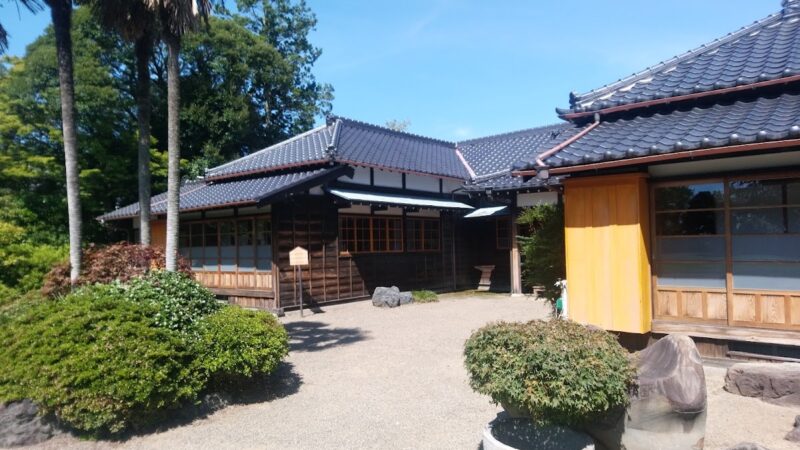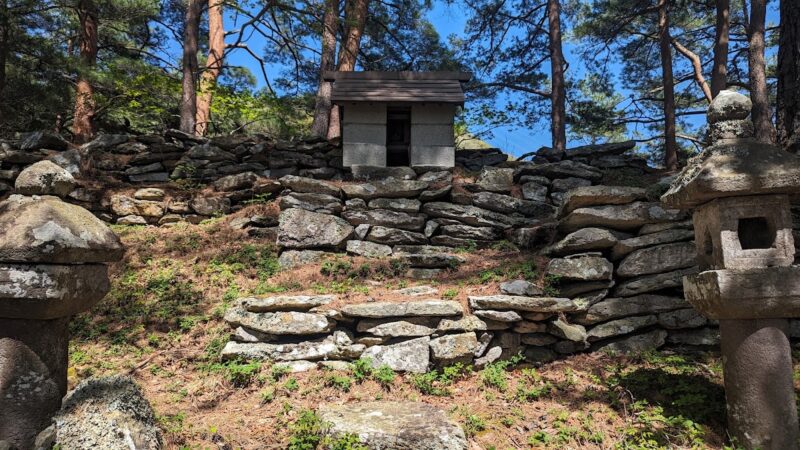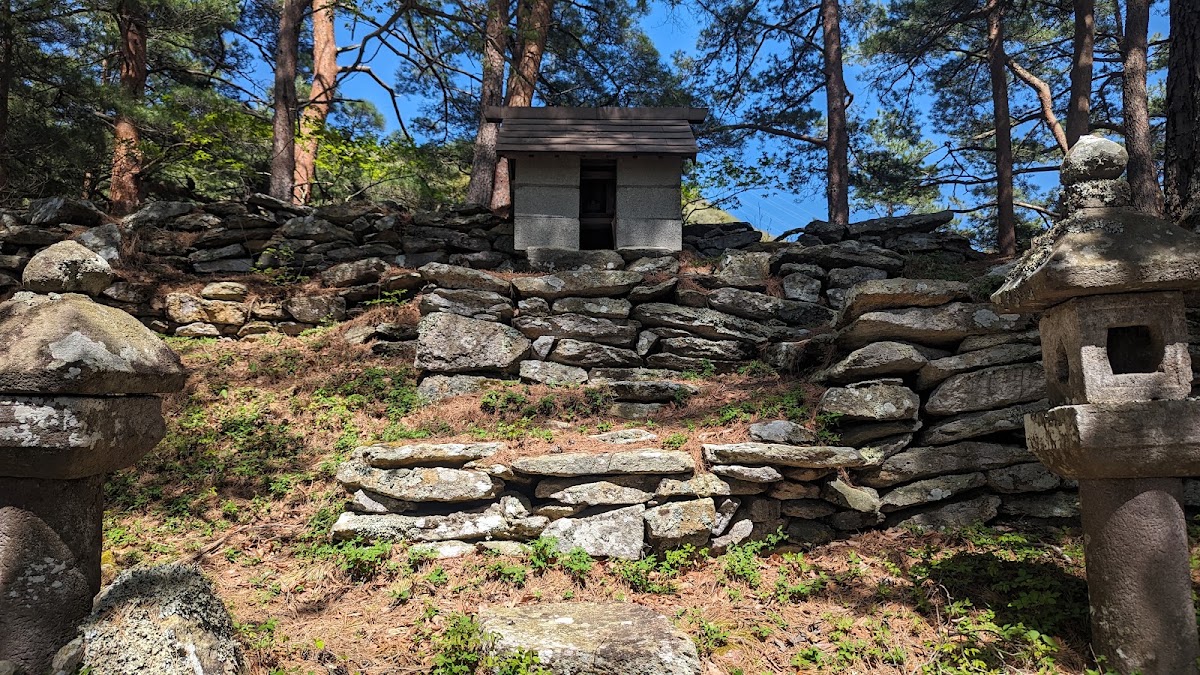
Mano Ancient Castle (Fukushima Prefecture) Complete Guide: Visiting the Legend of Sakanoue no Tamuramaro and the 8th Century Remains
Located in Kashima Ward, Minamisoma City, Fukushima Prefecture, Mano Ancient Castle is a valuable castle site that conveys the history of ancient Tohoku. This historical site, where the legend of Sakanoue no Tamuramaro’s conquest of the Emishi intersects with the 8th-century remains revealed by archaeological excavations, is indispensable for understanding the ancient history of Fukushima Prefecture.
Overview and Historical Background of Mano Ancient Castle
Mano Ancient Castle is an ancient castle site located in Shinjo, Edare, Kashima Ward, Minamisoma City, Fukushima Prefecture, and is protected as a city-designated historical site. It is a hill castle built on a hill approximately 30 meters above sea level, utilizing terrain suitable for defense with a relative height difference of about 30 meters.
The Legend of Sakanoue no Tamuramaro and the Conquest of the Emishi
The most famous legend of Mano Old Castle is that Sakanoue no Tamuramaro, a military commander of the early Heian period, built a castle in this area during his conquest of the Emishi. Sakanoue no Tamuramaro, as the Seii Taishogun (Commander-in-Chief of the Expeditionary Force Against the Barbarians), conducted military operations in the Tohoku region from 801 to 802, and is said to have established many fortifications.
Mano Old Castle is said to be one of these fortifications, but detailed documentary records do not remain, and the main basis for this legend is local oral tradition and legend. However, the results of the archaeological excavations described later suggest that this legend has a certain historical background.
8th Century Remains Revealed by Archaeological Excavations
Archaeological excavations have been conducted at Mano Old Castle, yielding important results. The excavations have confirmed the remains of dwellings from around the 8th century, demonstrating the existence of some kind of settlement or military facility during this period.
The excavated artifacts include pottery and iron products, providing clues to the lifestyle and technological level of the time. This archaeological evidence overlaps with the era of Sakanoue no Tamuramaro (late 8th to early 9th century), potentially indicating a connection between legend and historical fact.
Structure and Highlights of Mano Old Castle
The ruins of Mano Old Castle retain characteristics of castle structures from the medieval to ancient periods. When visiting the site, paying attention to the following remains and highlights will allow for a deeper understanding of the castle’s history.
Arrangement of Earthworks and Enclosures
Traces of earthworks remain at the castle site, indicating their function as defensive structures. Earthworks are earthen walls built by piling up soil, serving to prevent enemy intrusion and clearly defining the boundaries within the castle.
Flat areas called enclosures (kuruwa) can also be identified, and these are thought to have been used as living spaces, command posts, and storage areas for supplies. The presence of multiple baileys suggests that it likely functioned as a military base or administrative facility of a certain size.
Remains of the Moat
To enhance the castle’s defensive capabilities, a moat was also constructed. Even today, traces of the moat can be discerned from the topography, making it an interesting point of observation for castle researchers and castle enthusiasts.
The moat not only hindered enemy approach but also served as a source of soil for constructing earthworks. This efficient castle-building technique is a common feature found in Japanese castles from ancient to medieval times.
Defensive Design Utilizing the Topography
Mano Old Castle was built skillfully utilizing the natural topography of the hills. The layout, which takes advantage of elevation differences, allows for effective defense with a small number of personnel, demonstrating the high level of ancient castle-building technology.
Observing the surrounding topography reveals that the castle’s location was suitable for monitoring transportation routes and governing the surrounding area. The Mano region was an important transportation hub from ancient to medieval times, and it is presumed that this castle functioned as its center of control.
Access and Visiting Guide to Mano Old Castle
This section provides specific access methods and points to note when visiting Mano Old Castle.
Access by Public Transportation
The nearest station is Kashima Station on the JR Joban Line. The castle ruins are approximately a 20-minute walk from the station. Exit the station and head northeast, following the signs to reach the castle entrance.
If using public transportation, it is recommended to check train schedules in advance. Especially on holidays, the number of trains may be limited, so planning with ample time is necessary.
Access by Car
It is approximately a 10-minute drive from the Minamisoma Kashima Smart Interchange on the Joban Expressway. It is also easily accessible from National Route 6.
Since there may not be a dedicated parking lot around the castle ruins, you will need to find a place to park on the street or use a parking lot at a nearby public facility. Please be considerate of local residents.
Visiting Time and Points to Note
The average visiting time for Mano Old Castle is approximately 15 to 30 minutes. While the castle ruins aren’t particularly large, it’s a good idea to allocate a little more time to carefully observe the remains and enjoy the surrounding scenery.
The site is not a manicured park, but a historical site with preserved natural terrain. Please keep the following points in mind when visiting:
- Watch your step: There are uneven ground and slopes, so wear comfortable walking shoes.
- Consider the season: In summer, vegetation can be overgrown, making it difficult to see the remains. Visiting in spring or autumn is recommended.
- Insect repellent: Due to the rich natural environment, insect repellent spray is recommended.
- Check the weather: The ground can become slippery in rainy weather, so visiting on a sunny day is safer.
Photography Tips
Many visitors enjoy taking photos of the castle ruins. By photographing the earthworks, baileys, and surrounding scenery from various angles, you can capture the charm of Mano Old Castle.
In particular, the morning light and the slanted light of the evening highlight the undulations of the terrain, making the remains easier to see. Those experienced in photographing castles will likely capture excellent photos by aiming for these times of day.
Castle Ruins in Minamisoma City and Surrounding Areas
Minamisoma City, where Mano Old Castle is located, also has several other castle ruins. Visiting these other castle ruins in addition to Mano Old Castle will allow you to gain a deeper understanding of the region’s history.
Odaka Castle
Located in Odaka Ward, Minamisoma City, Odaka Castle is an important castle ruin related to the Soma clan of the medieval period. Although it dates to a different era than Mano Old Castle, its location within Minamisoma City allows one to feel the continuity of the region’s history.
Odaka Castle functioned as one of the Soma clan’s residences and was an important base during the Sengoku period. The remains, such as earthworks and baileys, are relatively well-preserved, making it a suitable historical site for learning about the structure of medieval castles.
Ushikoshi Castle
Located in Ushikoshi, Haramachi Ward, Minamisoma City, Ushikoshi Castle is also an important castle ruin in telling the history of the region. While much of its detailed history remains unknown, it is believed to have functioned as the residence of a local powerful family or feudal lord.
Tanaka Castle
Tanaka Castle, located in Kashima, Kashima Ward, Minamisoma City, is a castle site within the same Kashima Ward as Mano Old Castle. It is presumed to have been built as a base for regional control during the medieval period, making it an interesting historical site for considering its relationship with the surrounding area.
Comparison with Major Castle Sites in Fukushima Prefecture
Fukushima Prefecture has many famous castle sites. Comparing Mano Old Castle with other major castle sites clarifies its characteristics and historical position.
Aizu-Wakamatsu Castle (Tsuruga Castle)
Aizu-Wakamatsu Castle, known as a representative castle of Fukushima Prefecture, is a famous castle that played a role in the Boshin War. Compared to Aizu-Wakamatsu Castle, which has a restored keep and functions as a museum, Mano Old Castle is a historical site where only ruins remain, differing greatly in scale and character.
While Aizu-Wakamatsu Castle represents the completed form of a modern castle, Mano Old Castle differs in historical value in that it preserves the appearance of a castle from ancient to early medieval times.
Nihonmatsu Castle
Nihonmatsu Castle played an important role from the Sengoku period to the Edo period, and remains such as stone walls and baileys still exist. It is also known for the tragedy of the Nihonmatsu Boys’ Corps at the end of the Edo period, and is a popular castle site among history enthusiasts.
Compared to Mano Old Castle, Nihonmatsu Castle shows the development of castles from the medieval to early modern periods, while Mano Old Castle preserves the appearance of an older military base.
Shirakawa Komine Castle
Shirakawa Komine Castle is one of the important castles in the Tohoku region, and its three-story turret has been restored. Extensive renovations were carried out after the Battle of Sekigahara, giving it the appearance of a modern castle.
While Mano Old Castle has the characteristics of an ancient defensive facility, Shirakawa Komine Castle functioned as the residence of a modern daimyo, and their eras and purposes are significantly different.
Mukaihaguroyama Castle
Located in the Aizu region, Mukaihaguroyama Castle boasts one of the largest scales among Sengoku period mountain castles in Tohoku. It is also selected as one of the Continued Top 100 Japanese Castles, and is characterized by its magnificent layout.
Comparing Mano Old Castle and Mukaihaguroyama Castle, while their construction periods and scales differ, both share the common feature of skillfully utilizing the terrain for defensive design.
Miharu Castle
Miharu Castle is known as the residence of the Tamura clan, and remnants such as stone walls and baileys remain. It is also famous as a cherry blossom viewing spot, attracting many tourists in spring.
While Mano Old Castle was an ancient military base, Miharu Castle developed as a lord’s residence from the medieval to early modern periods, thus differing in character as a castle.
Historical Significance and Value of Mano Old Castle
Although Mano Old Castle is not as well-known as other castle ruins in Fukushima Prefecture, it holds significant historical importance.
Place in Ancient Tohoku History
From the 8th to the 9th centuries, the Tohoku region was characterized by a tense relationship between the expanding rule of the Yamato court and the resistance of the Emishi people. Fortifications and military strongholds built during this period are crucial historical sources for understanding the ancient state’s administration of Tohoku.
The 8th-century remains confirmed by the excavation of Mano Old Castle are invaluable evidence that tells the history of this period. This suggests the possibility that the legend of Sakanoue no Tamuramaro’s conquest of the Emishi is supported by archaeological evidence.
Role in Regional History
The Mano region has held an important position as a transportation hub since ancient times. Located on a route connecting the north and south of the Pacific coast, and serving as a gateway to the inland area, the construction of a castle in this region is thought to have had military and administrative necessities.
Mano Old Castle is an important historical site demonstrating the historical continuity from ancient to medieval times in this region, and is indispensable when discussing the history of Minamisoma City.
Archaeological Value
The artifacts and dwelling remains unearthed through excavation are invaluable resources for understanding the lifestyle and technological level of the Tohoku region in the 8th century. In ancient Tohoku history, where written records are scarce, the importance of such archaeological evidence is extremely high.
Further investigations may clarify the nature, function, and construction period of Mano Castle, potentially bringing new insights to the study of ancient Tohoku history.
Reviews and Comments from Castle Enthusiasts
Mano Castle has attracted attention from castle enthusiasts nationwide, and multiple reviews and ratings have been posted on castle information websites such as Kojodan.
Visitor Ratings
According to Kojodan data, Mano Castle has received an average rating of 2.25 from 35 castle enthusiasts nationwide. This is a comprehensive evaluation of the state of preservation and maintenance of the remains, as well as the difficulty of access.
The following points explain why the site’s rating isn’t always high:
- The remains are difficult to discern on the surface.
- The site is not well-maintained, making it difficult for beginners to understand.
- Access information is scarce.
- There is a lack of information boards and explanatory signs.
However, visitors interested in castle research and ancient history highly value it as a valuable historical site.
From Actual Visit Records
Visitor reviews include comments such as:
- “I was able to see traces of earthworks and baileys, and felt the atmosphere of an ancient castle.”
- “The surrounding scenery was beautiful, and I understood the importance of the location at the time.”
- “I think its value would be conveyed to more people if there was more maintenance and guidance.”
- “I was able to stroll around while reflecting on the legend of Sakanoue no Tamuramaro.”
These reviews show that Mano Old Castle is a historical site worth visiting for castle enthusiasts and history lovers.
Background Knowledge for Enjoying Mano Old Castle
Here is some background knowledge to help you understand Mano Old Castle more deeply and enrich your visit.
About Sakanoue no Tamuramaro
Sakanoue no Tamuramaro (758-811) was a military commander in the early Heian period. He gained the trust of Emperor Kanmu and was appointed Seii Taishogun (Commander-in-Chief of the Expeditionary Force against the Barbarians). He played a central role in the subjugation of the Emishi people and is said to have built many fortresses in the Tohoku region.
Tamuramaro was not merely a military commander; he is also said to have possessed excellent diplomatic skills and is known for his negotiations with Aterui, a leader of the Emishi. The legend of Mano Ancient Castle is also based on Tamuramaro’s activities in Tohoku.
What are Ancient Fortresses?
Ancient fortresses built in Tohoku differed in character from castles of the early modern period. They primarily functioned as military and administrative bases, aiming to control surrounding areas and secure transportation routes.
Representative ancient fortresses include Taga Castle (Miyagi Prefecture), Akita Castle (Akita Prefecture), and Shiwa Castle (Iwate Prefecture). These features have been confirmed through archaeological excavations and historical documents, and Mano Castle may have possessed similar characteristics.
About the Emishi
The Emishi are a term referring to the people who lived in the Tohoku region in ancient times. They had their own unique culture and society, independent of the Yamato court’s rule.
From the 8th to the 9th centuries, the court attempted to expand the Emishi’s territory northward, and the Emishi resisted. Many fortifications were built during this process, and Mano Castle may have been one of them.
Tourist Information Around Mano Castle
When visiting Mano Castle, exploring the surrounding tourist spots will allow you to experience the charm of Minamisoma City more deeply.
Minamisoma City Museum
This museum, where you can learn about the history and culture of Minamisoma City, may also house exhibits and materials related to Mano Castle. Visiting before or after your castle visit will provide a deeper understanding.
Soma Nomaoi Festival
The Soma Nomaoi Festival, a traditional event in the Soma region including Minamisoma City, is a magnificent festival held every July. The sight of mounted warriors clad in armor galloping is breathtaking, preserving the traditions of the region’s samurai culture.
While different from the era of Mano Castle, this event allows you to feel the continuity of the region’s history and culture.
Nature and Scenery of Kashima Ward
Kashima Ward, where Mano Castle is located, is a naturally rich area facing the Pacific Ocean. You can enjoy the beautiful natural environment, including coastal scenery and rural landscapes.
The view from the castle ruins is also superb, allowing you to imagine how people viewed this land in those times.
Summary: The Charm and Significance of Visiting Mano Castle
Mano Castle is a valuable castle ruin from ancient to early medieval times, remaining in Minamisoma City, Fukushima Prefecture. This historical site, where the legend of Sakanoue no Tamuramaro’s conquest of the Emishi intersects with archaeological evidence of an 8th-century dwelling, holds significant importance for understanding the ancient history of Tohoku.
The remains of earthworks, baileys, and moats convey the castle-building techniques and defensive philosophies of the time, making it a fascinating subject for castle researchers and history enthusiasts. Unlike other famous castle sites in Fukushima Prefecture such as Aizu-Wakamatsu Castle, Nihonmatsu Castle, and Shirakawa-Komine Castle, Mano Old Castle’s greatest feature is its preservation as an ancient military base.
When visiting, it’s important to wear comfortable clothing and shoes and consider the season and weather. The average visit takes about 15 minutes, but you can have a more fulfilling experience by carefully observing the remains and enjoying the surrounding scenery.
Minamisoma City also has other castle sites, such as Odaka Castle and Ushikoshi Castle. Visiting these castle sites along with Mano Old Castle will allow you to appreciate the depth and continuity of the region’s history. Furthermore, combining a visit to Mano Castle with cultural facilities and events such as the Minamisoma City Museum and the Soma Nomaoi festival allows for a richer historical experience.
Mano Castle is not so much a well-maintained tourist spot, but rather a historical site that quietly conveys traces of history. However, precisely because of this, visitors can use their imagination and reflect on the history of ancient Tohoku. As part of your tour of castle ruins and exploration of ancient history in Fukushima Prefecture, please consider visiting Mano Castle.