Complete Guide to Ogoshi Castle (Tamura City, Fukushima Prefecture) | History, Highlights, and Access Information
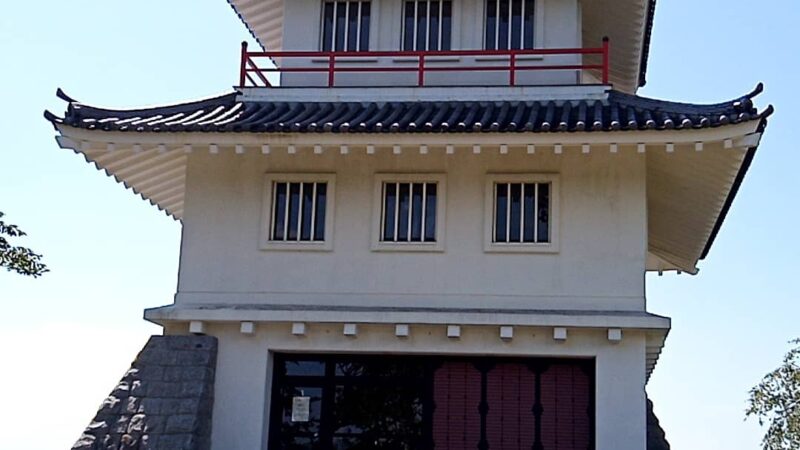
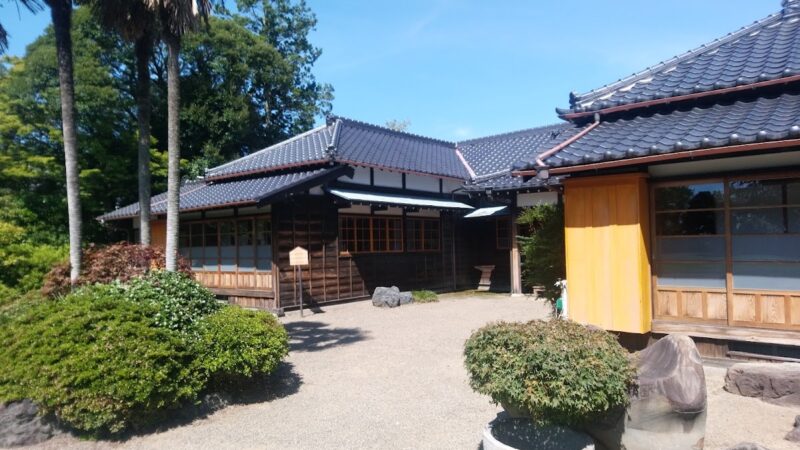
Located in Ogoshi-cho, Tamura City, Fukushima Prefecture, Ogoshi Castle is a mountain castle built during the Sengoku period by Ogoshi Akimitsu, a senior retainer of the Tamura clan. It boasts the largest scale among the “Forty-Eight Castles of Tamura” built by the Tamura clan within their territory, and its remains, such as earthworks and moats, are still well-preserved today. This article provides a detailed explanation of Ogoshi Castle, from its history and structure to its highlights and access information.
History and Background of Ogoshi Castle
The Legend of the Ogoshi Clan and Sakanoue no Tamuramaro
The Ogoshi clan, who built Ogoshi Castle, are said to be descendants of Sakanoue no Tamuramaro, a military commander from the Heian period. Ogoshi Akimitsu played an important role as a senior retainer of the Tamura clan, contributing to the expansion of the Tamura clan’s power. The Ogoshi clan is known as one of the most powerful families within the Tamura family, and their residence, Ogoshi Castle, also boasted a magnificent scale.
History of the Castle’s Construction
Ogoshi Akimitsu built Ogoshi Castle as a new residence, replacing his previous home, Shimo-Ogoshi Castle. Located on a mountaintop at an altitude of 562 meters, its defensible location with a relative height of approximately 120 meters was chosen. This castle was not merely a residence, but functioned as an important military base within the Tamura clan’s sphere of influence.
Division of the Tamura Clan and Allegation with the Soma Clan
After the death of Tamura Kiyosuke, the head of the Tamura clan, the family fell into a state of division. Amidst this turmoil, Ogoshi Akimitsu chose to side with the Soma clan. This decision would later lead to conflict with Date Masamune.
Attack and Defense by Date Shigezane
In 1588 (Tensho 16), Date Shigezane, acting on orders from Date Masamune, attacked Ogoshi Castle. The battle was fierce, but Ogoshi Akimitsu successfully repelled the attack. It is said that Masamune himself secretly participated in this battle, but ultimately failed to capture the castle and was forced to retreat to Miyamori Castle. The success of this defense demonstrated the strength of Ogoe Castle and the bravery of the Ogoe clan.
The Settlement of Oshu and the Abandonment of the Castle
In 1590 (Tensho 18), Toyotomi Hideyoshi carried out the “Settlement of Oshu,” and the former territory of the Tamura clan, including Ogoe Castle, was recognized as Date territory. However, the following year, in 1591, when Date Masamune moved to Iwadeyama (present-day Miyagi Prefecture), it is believed that Ogoe Castle was abandoned. Even a famous castle that survived the Sengoku period came to an end with the changing times.
Structure and Layout of Ogoe Castle
Location as a Mountain Castle
Ogoe Castle is a typical mountain castle built on a mountaintop at an altitude of 562 meters. The elevation difference of approximately 120 meters was a major obstacle for attackers and provided favorable conditions for the defenders. The castle’s layout, which makes maximum use of the unique terrain of a mountain castle, speaks to the high level of castle-building technology of the Sengoku period.
Arrangement of Enclosures
Ogoe Castle has multiple enclosures (kuruma), each organically interconnected. The group of enclosures, arranged in stages around the main enclosure, formed a multi-layered defense system that prevented enemy incursions in stages. The size and arrangement of each enclosure convey a grandeur befitting its reputation as the largest of the 48 castles of Tamura.
Characteristics of Earthworks
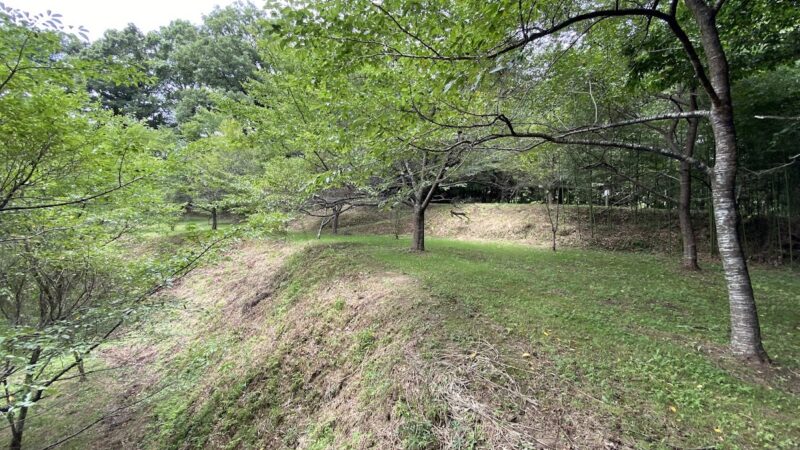
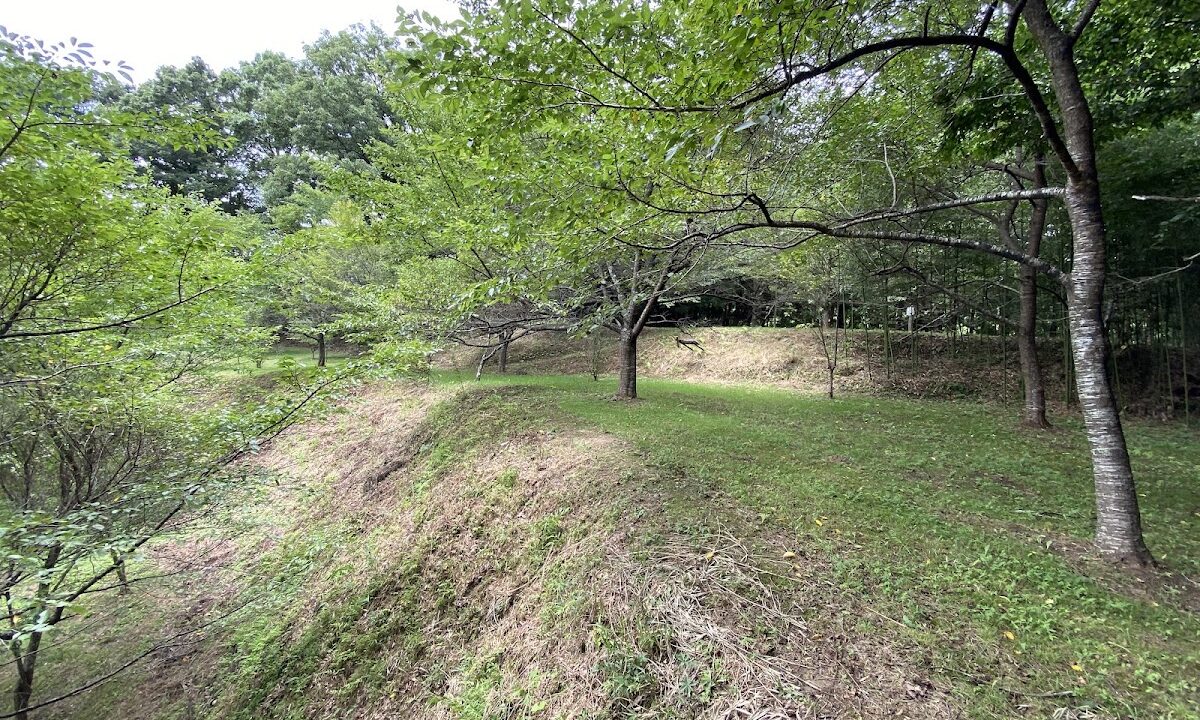
The earthworks remaining throughout the castle are an important element supporting Ogoe Castle’s defensive functions. These earthworks not only prevented enemy incursions but also served various roles, such as protection from arrows and firearms, and obstructing visibility. The well-preserved earthworks demonstrate the high level of castle-building technology of the time.
Arrangement of Moats
Multiple moats, an important defensive structure in mountain castles, can be found at Ogoe Castle. By cutting off the ridge, moats blocked enemy routes, increasing defensive efficiency. The deeply excavated moats can still be clearly observed today, showing traces of the large-scale civil engineering work of the time.
Design of the Entrance (Koguchi)
The entrances to the castle, known as koguchi, incorporated various features to make enemy intrusion difficult. Designs emphasizing defense are evident throughout, such as curved passages rather than straight ones, and layouts that allow for attacks from the flanks. By observing the structure of these entrances, one can understand the practical castle-building philosophy of the Sengoku period.
Presence of a Well
Securing water was vital for mountain castles. The remains of a well have been confirmed at Ogoe Castle, indicating that facilities for siege warfare were in place. Having water at the mountaintop greatly increased the castle’s endurance.
Highlights of Ogoe Castle (Castle Notes)
View from the Main Enclosure
From the main enclosure (honmaru), one can enjoy a panoramic view of the surrounding landscape. During the Sengoku period, the lords of the Ogoe clan surveyed their territory and monitored enemy movements from this location. Today, visitors can enjoy views of the townscape of Tamura City and the mountains of the Abukuma Highlands, experiencing the perspective of the castle lord at the time.
Well-Preserved Earthworks
The earthworks of Ogoe Castle remain in relatively good condition even after more than 400 years since its construction. By observing the details of the earthworks, such as their height, width, and the beauty of their curves, one can appreciate the sophistication of the castle-building techniques of the time. The earthworks around the main enclosure are particularly impressive.
Clearly Remaining Moats
Multiple moats remain clearly visible, making them valuable remains for understanding the defensive system of the mountain castle. By observing their depth, width, and placement, one can concretely imagine how enemy incursions were prevented. Walking across the moats allows one to experience their defensive effectiveness firsthand.
Structure of the Enclosure
The intricately designed entrance is one of the highlights of Ogoe Castle. By observing the structure of the entrance, which functions not merely as an entrance but as a defensive stronghold, one can gain insight into the practical castle-building philosophy of the Sengoku period.
Attractions as a Hiking Course
Currently, the Ogoe Castle Ruins are maintained as a hiking course, allowing visitors to enjoy both historical exploration and nature walks simultaneously. The moderate exercise level allows you to explore the remains of the mountain castle, making it a recommended spot not only for castle enthusiasts but also for hiking lovers.
Information Boards and Explanations
Information boards are installed within the castle grounds, providing explanations of each ruin and their historical background. By using this information as a guide while exploring, you can gain a deeper understanding of the history and structure of Ogoe Castle.
Access Information
Location
Address: Sumio-machi, Kami-Ogoe, Ogoe-machi, Tamura City, Fukushima Prefecture
Ogoe Castle is located near the town center of Ogoe-machi, Tamura City, making it a relatively easily accessible mountain castle.
Access by Public Transportation
Nearest Station: JR Ban’etsu East Line, Ōgoe Station
- Approximately 0.7km (straight-line distance) on foot from Ōgoe Station
- Accessible on foot from the station to the castle entrance
Distance from Other Stations:
- Approximately 4.0km from Sugaya Station
- Approximately 4.5km from Iwaki-Tokiwa Station
- Approximately 7.2km from Kamimata Station
- Approximately 8.0km from Funahiki Station
Access by Car
Major Road: Fukushima Prefectural Road 57, Koriyama-Ōgoe Line
A signpost for Narugami Castle (Ōgoe Castle) is located between Ōgoe Elementary School and Ōgoe Post Office along Prefectural Road 57. Using this signpost as a landmark will make it easier to find the castle entrance.
Parking: There is parking space near the castle entrance, but it is recommended to check the current situation beforehand.
Time Required to Visit the Castle
It usually takes 30 minutes to an hour to reach the main keep from the entrance. If you plan to thoroughly explore the castle grounds, it is recommended to allow an additional hour or so.
Points to Note When Visiting
- As it is a mountain castle, please wear comfortable shoes and clothing.
- Bringing drinking water is recommended.
- Insect repellent may be necessary depending on the season.
- Be careful as the ground can be slippery during and after rain.
- In winter, there is a possibility of snow, so it is recommended to check the information beforehand.
About Ogoe Town and the Ogoe Administrative Office
History of Ogoe Town
Ogoe Town was formerly a town located in Tamura District, Fukushima Prefecture. On March 1, 2005 (Heisei 17), it merged with Takine Town, Tokiwa Town, Tsutsumi Village, and Funahiki Town to form Tamura City. The center of Ogoe Town during its time was the current Kami-Ogoe district of Ogoe Town, Tamura City.
Ogoe Administrative Office
Currently, the former Ogoe Town area is under the jurisdiction of the Tamura City Ogoe Administrative Office.
Address: 62-1 Mizukami-gu, Kami-Ogoe, Ogoe-machi, Tamura City, Fukushima Prefecture 963-4192
Telephone Number: 0247-79-2111 (Main)
FAX Number: 0247-79-2115
The Ogoe Administrative Office functions as a point of contact for providing services to local residents and handling various procedures. Inquiries regarding local tourism information, including Ogoe Castle, can also be made here.
Local Transportation Network
The following major roads pass through the Ogoe Town area:
Major Prefectural Roads:
- Fukushima Prefectural Road 57, Koriyama-Ogoe Line
General Prefectural Roads:
- Fukushima Prefectural Road 112, Tomioka-Ogoe Line
- Fukushima Prefectural Road 301, Kuride-Sugaya Line
These road networks ensure access to Koriyama City and surrounding areas.
Surrounding Tourist Information and Related Castles
Tamura Forty-Eight Castles and Surrounding Castles
Ogoe Castle is one of the “Tamura Forty-Eight Castles,” and many related castles exist in the surrounding area. Visiting these castles will provide a deeper understanding of the Tamura clan’s sphere of influence and the regional history of the Sengoku period.
Major Castles of Tamura District:
- Miharu Castle: The base of the Tamura clan
- Funabiki Castle: An important base for the Tamura clan
- Tokiwa Castle: A castle located near Ogoe Castle
- Ono Castle: Located in the eastern part of Tamura District
- Kuride Castle: A castle closely associated with Ogoe Castle
- Monzawa Manor: Site of a manor related to the Tamura clan
- Kumagami Manor: Site of a manor within Tamura District
- Nanagusaki Manor: The manor of a local influential figure
- Narugami Castle: Also known as another name for Ogoe Castle
Model Castle Tour Course
Starting from Ogoe Castle, you can plan a historical tour route visiting the surrounding castles. Tokiwa Castle, Kuride Castle, and Funabiki Castle are relatively close to each other, making it possible to visit multiple castles in one day. It is recommended to check the relative locations and distances of each castle in advance to plan an efficient route.
Tourist Attractions in Tamura City
In addition to visiting Ogoe Castle, you can also enjoy other tourist attractions in Tamura City:
- Abukuma Cave: One of Japan’s leading limestone caves
- Hoshi no Mura Astronomical Observatory: Astronomical observation facility
- Licca-chan Castle: Doll museum and factory
- Kodomo no Kuni Mushimushi Land: A facility themed around rhinoceros beetles
These facilities offer a different kind of charm than exploring the castle.
Photo Gallery: Highlights of Ogoe Castle
When visiting Ogoe Castle, here are some recommended photo spots:
Recommended Photo Spots
- Information Board at the Entrance: A great first photo to commemorate your visit.
- Panoramic View of the Earthworks: Photograph the well-preserved earthworks from various angles.
- Depth of the Moat: Capture the impressive defensive structure from a low angle looking up from the bottom of the moat.
- Structure of the Enclosure: Document the complex design of the entrance.
- View from the Main Enclosure: See the surrounding area from the perspective of the castle lord.
- Level Differences in the Enclosures: The structure of the enclosures arranged in tiers.
- Well Remains: The water source that supported life in the mountain castle.
- Details of the Remains: Cross-sections of stonework and earthworks, etc.
Photography Advice
- Morning light is ideal for capturing the remains in three dimensions.
- Spring’s fresh greenery and autumn’s colorful foliage make for particularly beautiful photos.
- After the rain, the contrast of the earthworks and moats is emphasized.
- A wide-angle lens makes it easier to capture the scale of the entire enclosure and earthworks.
- Using a macro lens to record the details of the remains is also recommended.
Research on Ogoe Castle and Related Books
Academic Value
Ogoe Castle, as the largest castle in the sphere of influence of the Tamura clan, occupies an important position in the study of regional history of the Sengoku period. Its academic value is particularly recognized for the following reasons:
- Physical evidence showing the power structure of the Tamura clan
- An example of mountain castle construction techniques during the Sengoku period
- An important strategic point in the power struggle between the Date and Soma clans
- A castle affected by the political changes caused by the Oshu Settlement
References and Information Sources
For those who want to learn more about Ogoe Castle, you can refer to the following information sources:
Books related to castles:
- Comprehensive books on castles in Fukushima Prefecture
- Research books on the Tamura clan and the Tamura Forty-Eight Castles
- Books dealing with castles in the Tohoku region during the Sengoku period
- Specialized books on mountain castle construction techniques
Information on the Internet:
- Castle databases such as Kojodan
- Personal websites such as Jōkaku Hōrōki
- Tourism information on the Tamura City official website
- Blogs and travelogues by history enthusiasts
Gathering Information on-site
You may be able to obtain materials and information about Ogoe Castle at the Ogoe Administrative Office or the Tamura City Tourist Information Center. Inquiring before your visit may allow you to obtain the latest information and detailed materials.
Visitor Guide: Enjoying Ogoe Castle
Recommended Time to Visit
Spring (April-May): Beautiful fresh greenery and mild weather, perfect for a stroll. Enjoy the surrounding scenery during cherry blossom season.
Autumn (October-November): Beautiful autumn foliage, ideal for photography. Moderate temperatures make long walks comfortable.
Summer (June-August): Lush greenery and a charming mountain castle atmosphere, but be prepared for the heat and insects.
Winter (December-March): Snowfall is possible, so checking information beforehand is crucial. While the castle ruins in a snowy landscape are picturesque, safety precautions are essential.
Estimated Time Required
- Short Visit: 1 hour to 1 hour 30 minutes
- In-depth Visit: 2 hours to 3 hours
- Photo-Focused Visit: 3 hours or more
- Plan Including Surrounding Castles: Half a day to a full day
Checklist of Items to Bring
Essential Items:
- Comfortable walking shoes (trekking shoes recommended)
- Drinking water
- Towel
- Hat (for sun protection)
Useful Items:
- Camera
- Binoculars (for enjoying the view)
- Map or guidebook
- Insect repellent (depending on the season)
- Rainwear (for unpredictable weather)
- Snacks
- Mobile battery
Manners and Precautions
- Please be careful not to damage the ruins.
- Please take all your trash with you.
- Please do not trespass on private property.
- The use of fire is strictly prohibited.
- Please refrain from collecting plants and animals.
- Please be considerate of other visitors.
Summary: The Charm of Ogoe Castle
Ogoe Castle, the largest mountain castle among the 48 castles of the Tamura clan, is a valuable historical site that conveys the history and castle-building techniques of the Sengoku period to the present day. Built as the residence of the Ogoe clan, said to be descendants of Sakanoue no Tamuramaro, it is etched in history as a formidable fortress that repelled attacks by Date Masamune.
The well-preserved remains, such as earthworks, moats, and gates, attest to the high level of castle-building technology of the time, making it a fascinating spot for castle enthusiasts. The area is also well-maintained as a hiking trail, allowing visitors to enjoy both historical exploration and nature walks simultaneously.
Access is relatively good, and its location within walking distance of JR Ogoe Station makes it convenient for visitors using public transportation. Since there are many castles associated with the Tamura clan in the surrounding area, it is recommended to visit it as part of a historical exploration route visiting multiple castles.
A visit to Ogoe Castle allows you to experience the turbulent history of the Tohoku region, including the power of the Tamura clan during the Sengoku period, their conflicts with the Date clan, and the political upheavals brought about by the Oshu Settlement. When visiting Fukushima Prefecture, be sure to stop by Ogoe Castle.
As a reference, it is recommended to check the latest information with the Tamura City Ogoe Administrative Office (Tel: 0247-79-2111) before your visit. The condition of the castle ruins may change depending on the season and weather, so checking in advance will ensure a safe and fulfilling visit.