History of Castle Castles and Explanation of Famous Castles | Charm of Japan’s 100 Famous Castles and Local Information
Is this a castle?
Sakura-jo (Japanese: 樱城, 罗马:Sakura-jo) is a castle fortress in the early modern period of Japan, located in the castle town of Chiba City. During the Jiang Dynasty, it was the administrative center of the feudal lords, and it was also an important point to protect the eastern part of the Jiang Dynasty. As of now, it has been selected as one of Japan’s top 100 famous castles (ranked 20th) by the Japan Castle Association.
The castle fort is also known as “Lushima Castle” or “Lushimayama Castle”, which is a completely original castle with a non-stone construction. The castle was built as a plain fortress on the eastern bank of the eastern plateau, which was built on the Lushima River and the Takasaki River, and the area was skillfully utilized for its natural topography.
Historical background of Bakijo
Shijianyu Medieval Period
The history of the castle was traced back to the mid-period astronomical period (1532-1552). Its predecessor was a medieval castle fort built by the Chiba clan’s members, who lived in Lushimadai.
In 1538 (7th year of Tenbun), Mototane of Rokushima started construction of the castle fort, but it was interrupted due to the passing of others, but its construction was not completed until the end. After the unfinished construction of the fort was completed, the foundation of the fort was built. This is an important location for the Chiba clan, which belongs to the Hojo clan, and is located here in the southwestern part of the northern part of Chiba and Ibaraki.
Large scale fort construction for Doi year victory
In 1600, after the invasion of Kanbara, Tokugawa Ieyasu, Shigezou, Shigemachi, Wadongkin, and Ieyasu Tokugawa, the movement of the military was carried out, and attention was paid to the strategy of Mt. Mori Ieyasu carried out solid defensive construction on Mt. Lushima, the title of the proclamation was: “Ichiza Yusuke’s Kokujo, the commander of the castle is here!” 1610, another mission. At that time, the castle was occupied by Doi Toshiyoshi, the lord of Damiecheon Castle, a highly respected feudal lord who received the first rank, and the fort was built in the fort.
Between 1611 and 1616, the construction of Shobaku-cho was completed, and a modern fortress was built in the area of Hirodai. This time, the large-scale remodeling of the terrain was fully utilized, the land quality was improved, the outer fort was strengthened, the fort was dug, the river was drained, and the fort was finally constructed.
Castle of the Jiang Dynasty
During the Jiang Era, it was an important strategic strategic point in the Jiang Dynasty, where the castle was built and protected, and was ruled by the feudal lords (feudal lords). The important officials in charge of the shogunate were, for example, Roju (Higher Grade Question), Wataro (Chief Question), Oorai Kyojo.
The lord of the castle was replaced by the lord of the castle, the nine families shared, the 20th generation of the lord, and the 9th among them was the last to reach old age. His position was one of the most important positions in the Shogunate in the castle. The core figures of the shogunate were Toshitoshi Nyodoi, Kazutaka of the Hotta clan, and the castle of Tsuson.
Changes from Meiji to New Years
After the Meiji era, the castle was built, and many buildings were built. Part of the fort was used for military development, and after the war, the park was opened.
In 1983, the National Museum of Japanese History opened in the fort, and the work was exhibited as a historical and cultural site in Japan, attracting a large number of visitors. At present, this area is a castle park, a place for citizens to rest, and a city-level designated area to preserve its history.
Features of the castle
Earthen embankment construction, stone-free burial mound
The special features of the author of Bengcheng Saiyan are the complete construction of the earthen embankment, the number of unused stone mounds, the defensive construction, and the construction of the Hewa City Defense Works. Unfortunately, I have always seen the castle in the eastern part of the city, but the castle is a representative representative.
Improvements in the construction time of the earthen embankment, shorter construction time, and stronger seismic performance. The height of the earthen embankment of the castle was several meters high, and the current level was very high.
Natural topographical structure used
On the east bank of the plateau on the east bank of the Lushi River, the north, west and south three sides of the lake, the back of the castle is a natural defensive fortress. Its strategic use makes it easy to use the terrain, making it easy to attack and defend.
The construction of one series of troupes was a series of mutually interconnected castle towers, a plain castle pond, a main castle tower, a second circle, and a three-layered castle tower structure, and at this time, the land embankment was divided into four castle rivers. The east side of the castle town is connected to the castle town.
Layout of water trench and trench trench
The construction of the castle’s clever land transportation, water trenches and drought trenches. The water flow of the Kashima River and the Takasaki River was used, and the water trench was protected on the north side of the west side of the castle; and the east side and the south side of the castle were repaired and constructed. Nowadays, part of the water trench is still perfectly preserved, and the visitors can see it in its ancient Japanese brilliance.
Ryoten Kakashiro
Honmaru Castle Site
The site of the main building is the central area of the castle, and is a square area. This is the base of the castle tower, but the last tower tower in the castle has yet to be built. This is why the Shogunate’s records arrived at the castle and the Omi-Kyo (now Tokyo), and the castle tower was built by the Emperor.
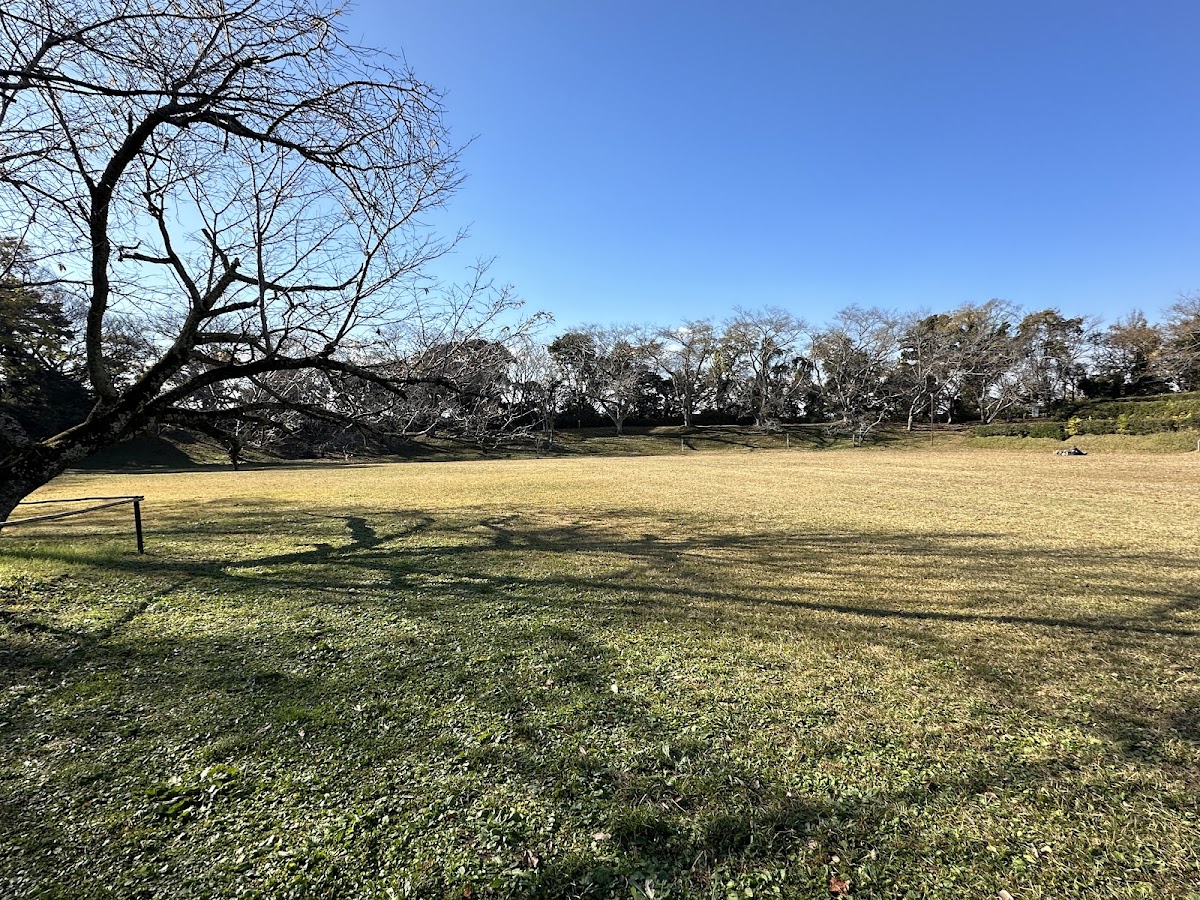
It is possible to have a bird’s-eye view of the city, and the geographical location of the city is well-planned. The earthworks and construction work in Zhouyuan are perfectly preserved, and the history of the world is a rare example of history.
Second Wa Third Outer Fort Site
Nowadays, it is located on the site of the second outer fort of the Hidong High School Junior High School, and part of the third outer fort site of the Japan National Museum of History. However, the construction of the foreign fort was postponed, and the construction of the castle river was postponed.
Kakubo (Kakude)
Construction of corner forts and defensive construction. The corner fort was constructed in front of the Yucheng gate, and played an important role in preventing the invasion of enemy forces. The location of the earthworks construction is as follows.
Kawa Castle Hijikata Construction
The northern side of the fort and the western side of the fortress are the most representative of the city’s history. As we walked along the river, we were able to experience the high ground and the profound defense system of the river. In particular, the river on the west side was perfectly preserved, and when the spring cherry blossoms were in full bloom, the scenery was even more beautiful.
Hiyoritopo
Days of travel to the south of Yucheng. It is an important thoroughfare in the castle town that connects the city, and its name is “Yiwa Topo” (meaning “铃铛坡”). To this day, the scenery of the lost people in the bamboo forest environment is still on hold, and it is a hot scenic spot in history.
It’s a good day to hike to Topo, and you can reach the castle pond with its unique features of defensive construction. It is a hot spot, with different scenery in each season.
Oii Gate
The Oi Gate is the only preserved structure in the castle. However, the castle gate was not covered by a part of the original construction of the castle. In this case, the building was built during the Jiang Dynasty and preserved in the city park.
The Oi gate is a castle gate with a main pillar and supporting pillars, and is a large gate like a samurai’s residence. Let’s take a look at the internal structure and understand the current construction techniques.
Fortress after repair
The outer fort is located on the eastern side of the castle tower, and is occupied by important defensive positions. At present, the construction of the archeological excavation and construction of the outer fort is underway, and the construction of the castle’s river has been completed. A clear and clear place has been revealed, and it is a must-visit place for castle lovers.
The Four Seasons of Bongcheng Park
Spring maple flowers
The site of the castle park is also a famous place of victory. Approximately 50 kinds of plants are planted in the park, and there are over 1,100 cherry blossom trees, attracting many visitors in the spring. The flowers on the banks of the river are beautiful, and the sea of flowers is reflected on the surface of the water.
Summer day green intention
In the summer, the park is green, the green leaves are green. As we walked through the construction of the castle and river, at the same time, we were able to explore the secrets of history.
Autumn day red leaf
In autumn, the red leaves are beautiful and colorful, and the scenery around the bamboo forest and red leaves is very spectacular. At this time, I was walking in a quiet and quiet place, and I felt that the place was quiet and peaceful.
Winter day silence
The number of visitors in winter is low, and it is an ideal time for thinking in a calm and quiet way. When the leaves fell, the construction of the castle and river was changed to a clear and clear view, and the structure of the castle fort was understood.
Japan National Museum of History
The Japanese National Museum of Cultural History, located in the Yucheng Park, opened in 1983, and is one of the largest museums in Japan.It has a full exhibition of Japanese history and culture, and visitors can understand the history of Japanese cuisine from prehistoric times to ancient times to modern times.
Built on the site of Yu Sannomaru (Third Outer Fort), Sannomaru is a part of the castle ruins. Visit the museum, explore the castle, and get a deeper understanding of Japanese history and culture. Excluding regular exhibitions, there are many special exhibitions in the museum, and each visit brings new content.
Protection of the castle
The city’s historical heritage is designated as the site of the castle, and it is protected. The city government is working on opening, developing and protecting the country. Nedate archaeological excavation, Hijikata’s restoration work on the castle river is still in progress, and the original appearance of the castle has been reconstructed.
In recent years, we have been constantly promoting the installation of information cards, making it easier for visitors to understand the history of the city. In addition, we will provide guidance to those who wish to visit, and we will also provide guidance to those who wish to visit.
Yongcheng is located in a city designated as a historic site, and Yongchang city government maintains its continuity and peace of mind. ## Location and transportation
Location
Land site: Chikanosagi City, Jonai-cho, government-owned, land with no title
Sago Castle Site Park Management : Chiba, 117 Jonaicho, Saga City
Fire vehicle transportation
- From JR Tenbu Main Line “Sakura Station” Walk approximately 20 minutes or sit while sitting approximately 5 minutes.
- Keisei Electric Railway “Keisei Sashu Station” Walking time approximately 15 minutes
The most convenient way to go to the airport in front of Shanghai Airport, the signboard with the sign inside the station, and the bus stop in front of the airport.
Car route
- Departing from the East Expressway “Yuu IC”, approximately 25 minutes by car
- National Highway 296
There are many parking spaces in the park, which can accommodate up to 200 regular cars.
Open time gate vote
- Opening time: All-sky opening (Japan National Museum of History’s opening time changes)
- Key vote: Disclaimer
- Closed date: None
Nearby view points
Samurai residence
A walk through the park of Yuqiang Castle is a samurai residence from the Jiang Era period, and the residence has been perfectly preserved and opened to the outside. Three shared buildings: Hara Kawara’s residence, Hara Tadashi’s residence, Wahara Takei’s residence, and the samurai life at the time for visitors to enjoy.
Sakyu Tian-do Memorial Museum
A memorial to the establishment of Zentendo, a Western medicine school founded by Taisho Sato in the post-war period, and a memorial to the works of Nyokon was opened abroad. This is the origin of modern Japanese medicine, and a must-visit place for lovers of medical history.
Hotta’s former residence
Hotta’s former residence is the address of Masatomo Hotta, the last lord of the Sago domain, and is an important building that gave the appearance of a high-class samurai’s residence during the Meiji era. The flower garden is also beautiful and has been designated as a nationally important cultural item.
Yukansa Castle Knowledge
Travel time
You can just walk around the castle ruins park, open from 1-2pm. As you visit the Japanese National Museum of History, you will be glad to know that the construction and maintenance of the museum was almost unprecedented.
Clothing and accessories
The park topography is not good, so it’s important to explore the terrain of the mountain and explore the scenery. The sun shines brightly in summer, and the construction hat is protected from frost. It’s also very useful.
Seal of Japan’s 100 Great Castles
Seals of Japan’s 100 greatest castles can be found at the Yu Castle Park Management Center (in Yu Park) or the Yu City Tourist Information Center (in front of the JR Station). Visiting the castle fortress must be recorded.
Guidance service
The park offers free tuition for those who wish to visit the park. Based on possible demand, the city tour will be held. The understanding of the general manager, the earth, and the depths of the city.
overview
Since the castle’s unique land quality castle structure (abandoned stone castle), it has historical significance as a key location for the conquest of the Edo Shogunate, and has been recognized as one of Japan’s 100 most famous castles. Nowadays, the historical capital has been successfully preserved, such as the castle ruins park, landlocked castle, water ditch and dry ditch, etc.
All four seasons in this village are beautiful, Kasuga lily flowers are flaming, summer days are green and natural, autumn days are like red leaves, winter days are quiet, Xiang Kazu, and we are exploring the natural ideal land of history and Japanese travels. In addition, we have visited Japan’s National Museum of Cultural History, built samurai residences, etc., and visited the historical culture of the city, which has been enriched over and over again.
When visiting thousands of islands, you will have to visit the castle ruins park, which looks like a castle fortress of the feudal lords of the time.