Terawaki Castle (Kitashitara District, Aichi Prefecture) Complete Guide | The Nagura Okudaira Clan’s Castle Ruins and Highlights of its Remains
Terawaki Castle, located in Higashi-Nagura, Shitara-cho, Kitashitara-gun, Aichi Prefecture, is a mountain castle known as the residence of the Nagura Okudaira clan, who were active in the Mikawa region during the Sengoku period. Even today, the remains, including large earthworks and dry moats, remain in excellent condition, centered around the main enclosure, making it a valuable historical site that conveys the appearance of a medieval castle. This article provides a thorough explanation of Terawaki Castle’s history, lords, details of its remains, and access methods.
Basic Information and Location of Terawaki Castle
Location and Geographical Characteristics
Terawaki Castle is located in Nokiyama, Higashi-Nagura, Shitara-cho, Kitashitara-gun, Aichi Prefecture. Nagura is pronounced “Nagura,” and due to changes in place names, it is also written as Nagura. It is a flatland castle built on a hill 701 meters above sea level with a relative height of 25 meters in the Terawaki area, a rice paddy area on the right bank of the upper reaches of the Nagura River.
The castle measures approximately 150 meters square, with a central enclosure at the center and smaller enclosures extending to the south and east. Located about 300 meters northeast of the Hachiman Shrine (a prefecturally designated cultural property), it functioned as a central point in the Nagura region’s fortress network.
Alternative Names and Historic Site Designation
Terawaki Castle is also known as “Terawaki Village Castle Residence” and “Haman Castle.” It is protected as a town-designated historic site and is considered an important historical heritage site of the region.
History of Terawaki Castle and its Lords
The Nagura Okudaira Clan and the Establishment of Terawaki Castle
The history of Terawaki Castle is deeply intertwined with the Okudaira clan, a powerful local lord in the Mikawa region. The main branch of the Okudaira clan was the Tsukude Okudaira clan, based in Tsukude, but a branch of that family expanded into the Nagura region, forming the Nagura Okudaira clan.
In 1532 (Tenbun 1), Okudaira Sadatsugu, the sixth son of Okudaira Sadahisa of the Tsukude Okudaira clan, is said to have built Terawaki Castle as his base. Sadatsugu developed a strong fortress that utilized the local terrain, serving as a base for controlling the Nagura region.
The Era of Okudaira Kihachiro Nobumitsu (Toda Kaga-no-kami Nobumitsu)
The most well-known lord of Terawaki Castle is Okudaira Kihachiro Nobumitsu (later Toda Kaga-no-kami Nobumitsu). As the head of the Nagura Okudaira clan, Nobumitsu made Terawaki Castle his residence and defended his territory amidst the complex political situation of the Sengoku period.
During Nobumitsu’s time, the Mikawa region was a frontline where the forces of the Imagawa, Takeda, and Tokugawa (Matsudaira) clans intersected. The Nagura Okudaira clan engaged in diplomatic maneuvering to survive, sometimes siding with the Imagawa clan and sometimes following Tokugawa Ieyasu.
Relationship with Tokugawa Ieyasu
The Nagura Okudaira clan played a crucial role in Tokugawa Ieyasu’s unification of Mikawa Province. While the main branch of the Okudaira clan, the Tsukude Okudaira, is famous for confronting the Takeda clan at the Battle of Nagashino, the Nagura Okudaira clan also became an important support force in Ieyasu’s administration of Mikawa.
Terawaki Castle functioned as one of the Tokugawa clan’s bases in eastern Mikawa, serving as the main castle overseeing the group of fortresses in the Nagura region.
Goto Danjo and the Castle’s History
Some historical documents suggest that a person named Goto Danjo was involved with Terawaki Castle. It has been suggested that he may have been involved in the castle’s management as a vassal of the Okudaira clan or as a local influential figure.
From the late Sengoku period to the early Edo period, Terawaki Castle is believed to have gradually ceased its military role and was abandoned.
Terawaki Castle’s Layout and Structure
Overall Layout
Terawaki Castle has the structure of a typical medieval mountain castle, characterized by a layout that skillfully utilizes the natural terrain. Multiple baileys are arranged within the castle grounds, which are approximately 150 meters square.
The main bailey, the center of the castle, is located at the highest point, surrounded by secondary baileys such as the East Third Bailey, East Second Bailey, and South Second Bailey. Each bailey is demarcated by earthworks and dry moats, enhancing its defensive capabilities.
Structure of the Main Bailey (Main Enclosure)
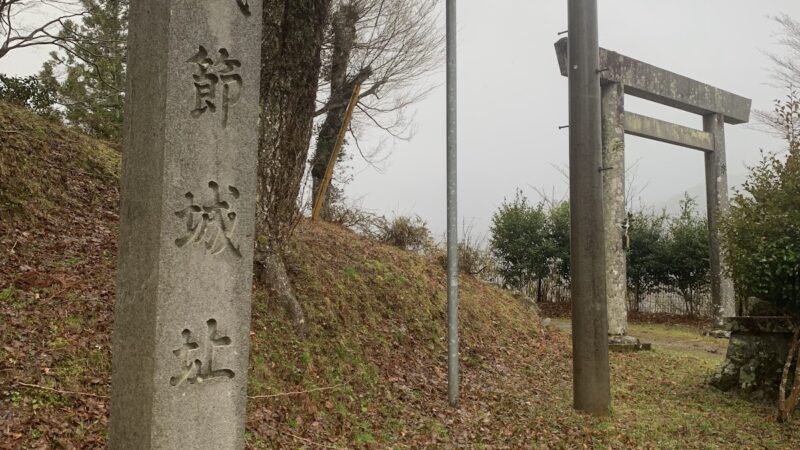
The main bailey is the central part of the castle, and it is presumed to have housed the lord’s residence and command post. Currently, the Shiroyama Inari Shrine is enshrined on the site of the main bailey, serving as a place of worship for the local community.
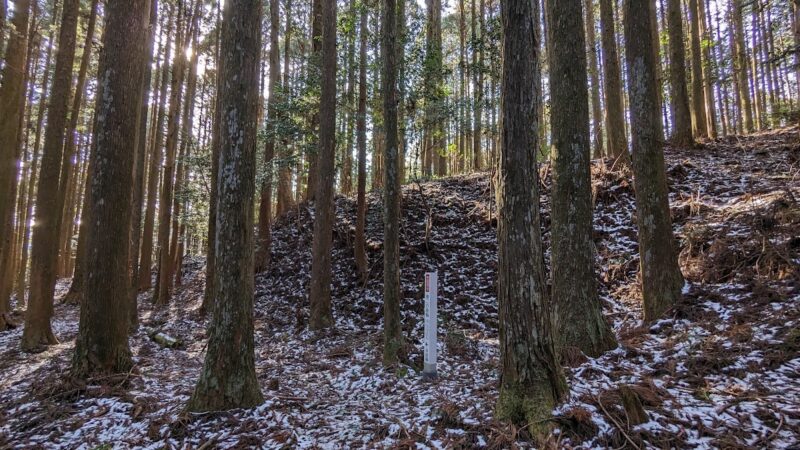
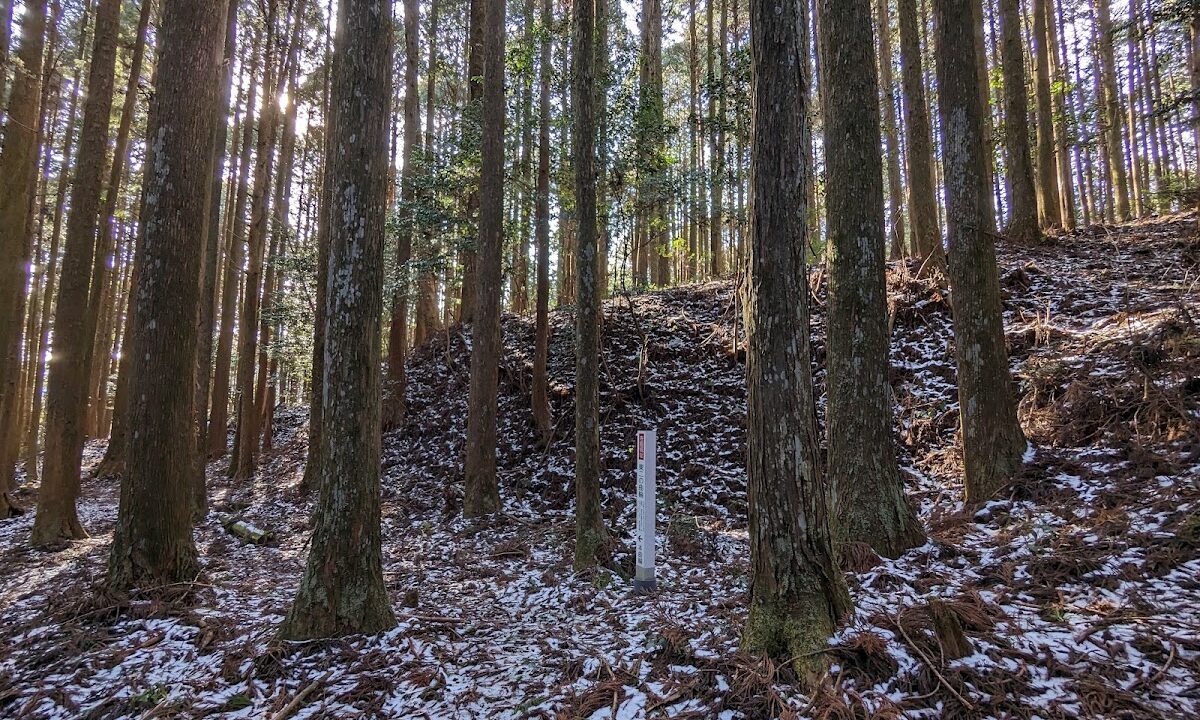
To the north of the main bailey, a large earthwork approximately 3 meters high remains in good condition. This large earthwork was a key defensive feature of the castle, an important structure that prevented enemy intrusion. The scale of the earthworks suggests that considerable effort was invested in its construction.
Main Gate and Entrance
The main entrance to the castle, the Ote-guchi, was located to the southwest. The path from the Ote-guchi to the main enclosure shows numerous defensive features.
Behind the Ote-guchi was a large dry moat, a crucial defensive structure hindering enemy advances. This dry moat is still clearly visible today, and its depth and width attest to the advanced castle-building techniques of the time.
The entrance (Koguchi) is thought to have had a masugata (square-shaped) structure, suggesting it was designed to repel intruders. A masugata koguchi is an excellent defensive structure that lures enemies into a narrow space, allowing for attacks from above and the sides.
Rear Gate and Defenses
On the opposite side of the main enclosure was the rear gate (Karamete-guchi). The rear gate served as an escape route and supply route in emergencies, but it was also a defensive weak point, so it was heavily fortified.
Moats and earthworks were also constructed around the rear gate, creating a structure that could withstand attacks from all directions.
Arrangement of the Enclosures
Eastern Enclosures
Multiple enclosures, including the East Third Enclosure, East Second Enclosure, and East Lower Enclosure, are arranged in a stepped pattern. These functioned as an outer perimeter defending the main enclosure, forming a tiered defensive line. The East Lower Enclosure extended in a long, narrow shape along the ridge, playing a role in monitoring and preventing enemy approaches from the flank.
Southern Enclosures
The South Second Enclosure and South Belt Enclosure are located here, strengthening defenses from the direction of the main gate. The South Belt Enclosure is a long, narrow, belt-shaped enclosure, which, together with the earthworks, formed a defensive line.
Dry Moats and Horizontal Moats
A major feature of Terawaki Castle is its well-preserved group of dry moats. In addition to the large dry moat behind the main gate, a horizontal moat was constructed on the north side of the main enclosure, serving to demarcate the enclosures and restrict enemy movement.
The horizontal moat was excavated along the ridge terrain, resulting in a clever design that integrates natural terrain with artificial defensive structures. The depth of the dry moats varies depending on the location, but in the deepest parts, it reaches several meters, demonstrating the advanced civil engineering technology of the time.
Structure of Earthworks
Besides the large earthwork on the north side of the main enclosure, earthworks were also constructed around each enclosure. These earthworks are not simply piles of earth, but likely constructed using rammed earth techniques, allowing them to withstand prolonged exposure to wind and rain and remain to this day.
The earthworks averaged 2-3 meters in height, and it is estimated that fences or walls were built on top of them. The area inside the earthworks was leveled, designed to facilitate the movement and positioning of soldiers.
Current Highlights of Terawaki Castle Ruins
Shiroyama Inari Shrine
The Shiroyama Inari Shrine, situated on the site of the main enclosure, is a symbolic landmark of the castle ruins. Though a small shrine preserved by local residents, it evokes the memory of the castle lord’s residence that once stood here. Visitors can observe the size of the main enclosure and the surrounding topography while paying their respects.
The Impressive Earthwork
The approximately 3-meter-high earthwork remaining on the north side of the main enclosure is the most impressive structure of Terawaki Castle. Its clear resemblance after hundreds of years speaks to the castle’s construction techniques and importance. Climbing the earthwork and surveying the surroundings provides a good understanding of the castle’s defensive structure.
The Scale of the Large Dry Moat
The large dry moat remaining behind the main gate is impressive in both depth and width. Descending to the bottom of the moat and looking up, one can truly appreciate its defensive strength. It’s also possible to observe the excavation methods and soil deposition patterns from the cross-section of the dry moat.
Continuity of Moats and Enclosures
The moat on the north side of the main enclosure extends long along the ridge, forming the castle’s defensive line. Observing the continuous arrangement of moats and enclosures reveals the ingenuity of castle design during the Sengoku period.
Brilliant Views and Location
From the castle ruins at an altitude of 701 meters, one can overlook the valleys of the Nagura River basin and the surrounding mountains. This view is the reason Terawaki Castle was built, demonstrating its strategic location for monitoring and controlling the surrounding area.
Terawaki Castle and the Nagura Fortress Network
Relationship with Hamajo Castle
Terawaki Castle is also called “Hamajo Castle,” but there is a theory that a fortress called Hamajo Castle existed in a different location. In the Nagura region, multiple branch castles and fortresses were arranged around Terawaki Castle, forming a interconnected fortress network.
If Hamajo Castle was a separate castle, it is thought to have functioned as a branch castle of Terawaki Castle, responsible for the defense of a wider area.
Castles of the Nagura Region
The Nagura Okudaira clan used Terawaki Castle as their main base, with several subsidiary castles positioned around it. These fortresses communicated with each other via signal fires and messengers, ensuring a rapid response to enemy invasions.
This network of fortresses, utilizing the unique terrain of the Mikawa mountainous region, was a rational system for defending a large area with a small force.
Access and Visiting Information for Terawaki Castle
Location
15 Nokiyama, Higashinokura, Shitara-cho, Kitashitara-gun, Aichi Prefecture 441-2432, Japan
Access Method
Access by Car
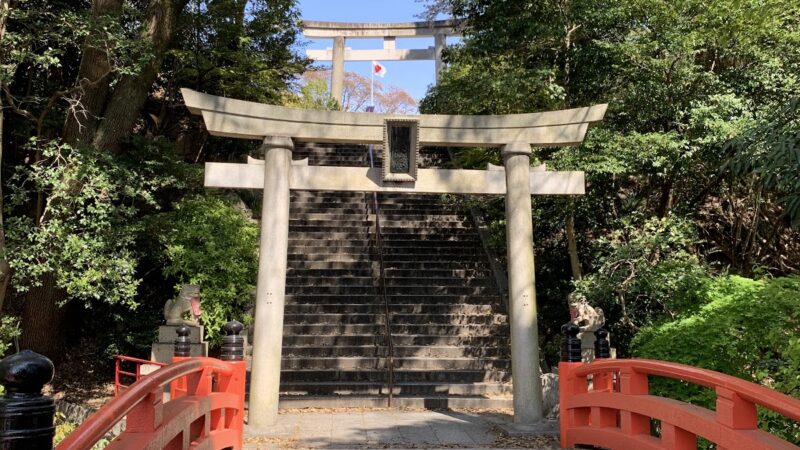
Approximately 40 minutes from Shinshiro IC on the Shin-Tomei Expressway via National Routes 151 and 257. Parking is available in front of the Hachiman Shrine, southwest of the castle ruins. The Hachiman Shrine is a prefecturally designated cultural property; a visit to the shrine is recommended.
Public Transportation
From Toyohashi Station, take the Toyotetsu Bus Taguchi-Shinshiro Line and get off at the “Nagura” bus stop. From there, it’s about a 15-minute walk. However, since bus service is limited, it’s necessary to check the timetable in advance.
Castle Ascent Route
From the parking lot in front of Hachiman Shrine, follow the signs to Terawaki Castle and enter the small path next to the houses. After climbing the well-maintained mountain path for about 10 minutes, you will arrive at the castle ruins. The path is relatively gentle, but comfortable shoes are recommended.
An information board is installed beforehand, where you can read detailed explanations about the castle’s history and structure. Referring to the information board while exploring will allow you to understand the castle ruins more deeply.
Points to Note During Your Visit
- As the castle ruins are located in a forest, insect repellent and long-sleeved clothing are recommended.
- Be careful as the ground can be slippery during and after rain.
- To protect the remains, please refrain from unnecessarily digging or damaging the earthworks and dry moats.
- In winter, there is a possibility of snowfall, so please check weather information in advance.
- Please take all your trash with you and cooperate in preserving the natural environment.
Estimated Visit Time
The estimated time, including round trip from the parking lot to the castle ruins and the visit itself, is approximately 1 to 1.5 hours. If you wish to observe the remains in detail, it is recommended to allow about 2 hours.
Nearby Attractions
Hachiman Shrine
Hachiman Shrine, a prefecturally designated cultural property, is not only a starting point for visiting Terawaki Castle, but is also a valuable cultural asset in itself. It is a historical shrine dating back to the Muromachi period, and the architectural style and carvings of the main hall are of great value.
Nagura Post Office
Located at 13-2 Funaishi, Higashinokura, Shitara-cho, Kitashitara-gun, Aichi Prefecture, Nagura Post Office is a small post office that retains a retro atmosphere. Getting a commemorative postmark is recommended as a souvenir of your visit to Terawaki Castle.
Benten Pond
Near Terawaki Castle is Benten Pond, a scenic spot. This quiet pond nestled in the mountains allows you to enjoy the changing seasons. Visiting it in conjunction with a tour of the castle ruins allows you to fully appreciate the nature and history of the Nagura region.
Historical Spots in Shitara Town
Shitara Town has many other historical spots. By visiting the mountain castles of Okumikawa, settlements that retain the atmosphere of old highways, and local history museums, you can experience the rich history and culture of this region.
Terawaki Castle’s Official Stamp
Following the recent castle boom, Terawaki Castle also issues its own official stamp. Available at designated facilities within Shitara Town, it is a popular souvenir of a visit to the castle ruins. Castle stamps feature the castle’s emblem and history, making them valuable collector’s items.
For information on how to obtain and purchase castle stamps, we recommend contacting the Shitara Town Tourism Association or the Shitara Town Hall.
Research and Preservation Activities of Terawaki Castle
Archaeological Surveys
Multiple surveys and archaeological remains confirmation surveys have been conducted at Terawaki Castle. These surveys have revealed details of the castle’s layout, construction techniques, and period of use.
Continued research is expected, and new discoveries may further shed light on the history of Terawaki Castle.
Preservation Activities
Preservation activities are carried out by local residents and history enthusiasts, including regular mowing and maintenance of information boards. These activities ensure that the valuable remains are maintained in good condition.
Educational Activities
Local elementary and junior high schools conduct lessons using Terawaki Castle as part of their local history curriculum. This provides children with an opportunity to learn about local history and deepen their attachment to their hometown.
The Value of Terawaki Castle as a Mountain Castle in Mikawa
Characteristics of Mikawa Mountain Castles
Many mountain castles were built in the Mikawa region, especially in the mountainous areas of eastern Mikawa. Unlike flatland castles, these castles have unique structures that utilize the rugged terrain. Terawaki Castle is a typical example, clearly demonstrating the characteristics of Mikawa mountain castles.
Regional Control in the Sengoku Period
The history of Terawaki Castle is an important case study for understanding the nature of regional control in the Sengoku period. The castle’s structure and location reveal how small and medium-sized local lords built their own fortress networks to survive among larger powers.
Significance as a Cultural Property
The well-preserved remains, such as earthworks and dry moats, are valuable resources for the study of medieval castles. Together with archaeological excavations and documentary research, they provide clues to understanding castle construction techniques and military ideology of the Sengoku period.
Summary
Terawaki Castle, located in Shitara-cho, Kitashitara-gun, Aichi Prefecture, is a mountain castle that played an important role in the Sengoku period as the residence of the Nagura Okudaira clan. Built on a hill 701 meters above sea level, Terawaki Castle boasts well-preserved remains, including a large earthen rampart, a large dry moat, and a horizontal moat, showcasing the advanced castle-building techniques of the time.
Lord Okudaira Kihachiro Nobumitsu (Toda Kaga-no-kami Nobumitsu) ruled Terawaki Castle, which played a crucial role in Tokugawa Ieyasu’s unification of Mikawa Province. Its history and remains are essential for understanding the Sengoku period history of the Mikawa region.
The path to the castle from Hachiman Shrine is well-maintained, making it relatively easy to visit. Why not experience the spirit of the Sengoku period at this castle ruin surrounded by the beautiful nature of the Nagura River basin? Collecting castle stamps and combining your visit with other nearby tourist spots such as Benten Pond are also recommended.
Protected by the local people, Terawaki Castle will undoubtedly continue to be passed down to future generations as a valuable historical heritage. It’s a fascinating spot worth visiting for castle enthusiasts, history buffs, and nature lovers alike.