Yamaga Castle (Ayabe City, Kyoto Prefecture) Complete Guide: History, Remains, and Access Explained in Detail
Yamaga Castle, located in Hirose-cho, Ayabe City, Kyoto Prefecture, played an important role as a strategic point in the Tanba region from the Sengoku period to the Edo period. Locally known as “Koga-mine Castle,” it is now maintained as Yamaga Castle Ruins Park, attracting many history enthusiasts and tourists. This article provides a detailed explanation of Yamaga Castle, from its historical background to existing remains and tourist information.
Basic Information on Yamaga Castle
Location and Geographical Features
Yamaga Castle is located in Hirose-cho, Ayabe City, Kyoto Prefecture, at a strategic point where the main stream of the Yura River and the Kaminbayashi River merge. Built on the summit of Mt. Koga-mine (236 meters above sea level), it boasts an excellent location overlooking the Yamaga district of Ayabe City.
The confluence of the Yura River and the Kaminbayashi River has been considered a crucial transportation hub since ancient times. This geographical advantage was the primary reason for the construction of Yamaga Castle, enhancing its value as a military and economic center in the Tanba region.
Castle Classification and Structure
Former Province Name: Tanba Province
Classification: Mountain Castle
Structure: Concentric Mountain Castle
Other Names: Kogamine Castle, Yamaga Jinya (Edo Period)
Yamaga Castle, a typical Sengoku period mountain castle, possesses a defensive structure that skillfully utilizes the natural terrain. It features a concentric layout with multiple baileys arranged around the main bailey at the mountaintop, and defensive structures such as dry moats and earthworks are strategically placed throughout.
History of Yamaga Castle
Sengoku Period: Residence of the Waku Clan
While there are various theories regarding the origin of Yamaga Castle, it is said to have been the residence of Waku Saemon-no-suke during the Sengoku period. The Waku clan ruled this area as local lords of the Tanba region.
During the Sengoku period, the Tanba region became the stage for Akechi Mitsuhide’s conquest of Tanba as Oda Nobunaga’s power expanded. During the Tensho era (1573-1592), fierce battles were fought throughout Tanba, and it is believed that the area around Yamaga Castle was also affected by the conflict.
1582 (Tensho 10): Construction by Tani Moritomo
The full-scale construction of Yamaga Castle began in 1582 (Tensho 10) when Tani Dewa-no-kami Moritomo was granted this territory.
Tani Moritomo was a samurai who served under Hashiba Hideyoshi (later Toyotomi Hideyoshi) and distinguished himself in the siege of Miki Castle in Harima Province in 1579 (Tensho 7). During the chaotic period following the Honnō-ji Incident, Hideyoshi sought to stabilize the Tanba region by placing trustworthy retainers in various locations. Tani Moritomo was granted the Yamaga domain with a stipend of 16,000 koku from Mino Province, and built a new castle on Kōgamine, overlooking the confluence of the Yura River and the Kaminbayashi River.
Tani Moritomo’s castle construction was not merely a military facility; its function as a governing center for the region was also emphasized. It was designed as a castle that combined the defensive capabilities of a Sengoku-period mountain castle with the role of a central administrative center for the territory.
Edo Period: The Era of the Yamaga Jinya
In the Edo period, the Tani clan continued to rule the Yamaga area as hatamoto (direct retainers of the shogun). However, with the arrival of peace in the Edo period, the mountain castle on the summit lost its practical use, and a jinya (fortified residence) was established at the foot of the mountain.
This jinya is known as the “Yamaga Jinya,” and the main part of the current Yamaga Castle Ruins Park corresponds to the site of this jinya. Throughout the Edo period, the Tani clan ruled this area for generations, contributing to the region’s development. Their rule continued until the Meiji Restoration, and they reigned as lords of the Yamaga district for approximately 280 years.
Abandoned Castle and Modern Times
After the Meiji Restoration, the Yamaga Jinya (fortified residence) was abolished due to the abolition of the feudal domains and establishment of prefectures. Even after losing its function as a castle, Yamaga Castle remained a cherished historical symbol for the local residents.
From the Showa to the Heisei period, preservation and development of the site as a local historical heritage progressed, resulting in the current Yamaga Castle Ruins Park. A replica of the gate tower was erected within the park, and its second floor houses the “Yamaga Museum,” displaying materials related to the Tani clan.
Remains and Highlights of Yamaga Castle
Medieval Mountain Castle Remains on the Summit of Mt. Kogamine
On the summit of Mt. Kogamine, at an altitude of 236 meters, the remains of a mountain castle dating from the Sengoku period to the early Edo period are well-preserved.
Main Enclosure (Honmaru)
Located at the mountaintop, the main enclosure is the most important section of the castle, serving as its central point. Even today, the flat, well-defined shape of the enclosure remains clearly visible, surrounded by earthen ramparts. From the main enclosure, one can enjoy a panoramic view of Ayabe city and the Yura River, truly appreciating the castle’s strategic value.
Dry Moats and Earthen Ramparts
A notable feature of Yamaga Castle’s defensive structures are its well-preserved dry moats and earthen ramparts. The dry moats, positioned to surround the main enclosure, functioned as a crucial defensive line to prevent enemy intrusion.
The depth of the dry moats varies depending on the location, reaching several meters in some places. Earthen ramparts were also built around each enclosure, providing valuable historical remains that convey the castle-building techniques of the Sengoku period.
Enclosure Groups
Several enclosures (kuruwa) are arranged around the main enclosure. These form a series of interconnected enclosures, creating a tiered defensive system. Each enclosure is skillfully positioned to utilize the natural terrain, demonstrating the high level of castle-building technology during the Sengoku period.
Cut Slopes
Between the enclosures are artificially carved steep slopes (cut slopes). These were designed to make enemy movement difficult and enhance defensive effectiveness. Even today, the sharp shape of the cut slopes remains, allowing visitors to appreciate the castle-building technology of the time.
Facilities at Yamaga Castle Ruins Park
Yamaga Castle Ruins Park, developed at the foot of the mountain, is a historical park centered around the site of the Yamaga Jinya (fortified residence) from the Edo period.
Replica Tower Gate
A magnificent replica tower gate stands at the park entrance. This gate was restored based on historical documents, conveying the atmosphere of the Edo-period Jinya to the present day. The gate’s structure and design faithfully reproduce the architectural style of the time, making it a popular photo spot.
Yamaga Museum
The second floor of the replica tower gate is open to the public as the “Yamaga Museum.” The museum displays valuable historical materials, including armor, swords, ancient documents, and drawings belonging to successive generations of the Tani clan.
Of particular note are the Tani clan’s armor. Weapons from the Sengoku period to the Edo period are preserved, allowing visitors to imagine what samurai looked like at that time. Ancient documents related to the Yamaga Jinya (fortified residence) and land management from the Edo period are also on display, providing valuable resources for local history research.
Information Boards and Explanation Boards
Detailed information boards and explanation boards are installed throughout the park and along the hiking trails. These provide easy-to-understand explanations of the castle’s history and remains, ensuring that even first-time visitors can fully appreciate the charm of Yamaga Castle.
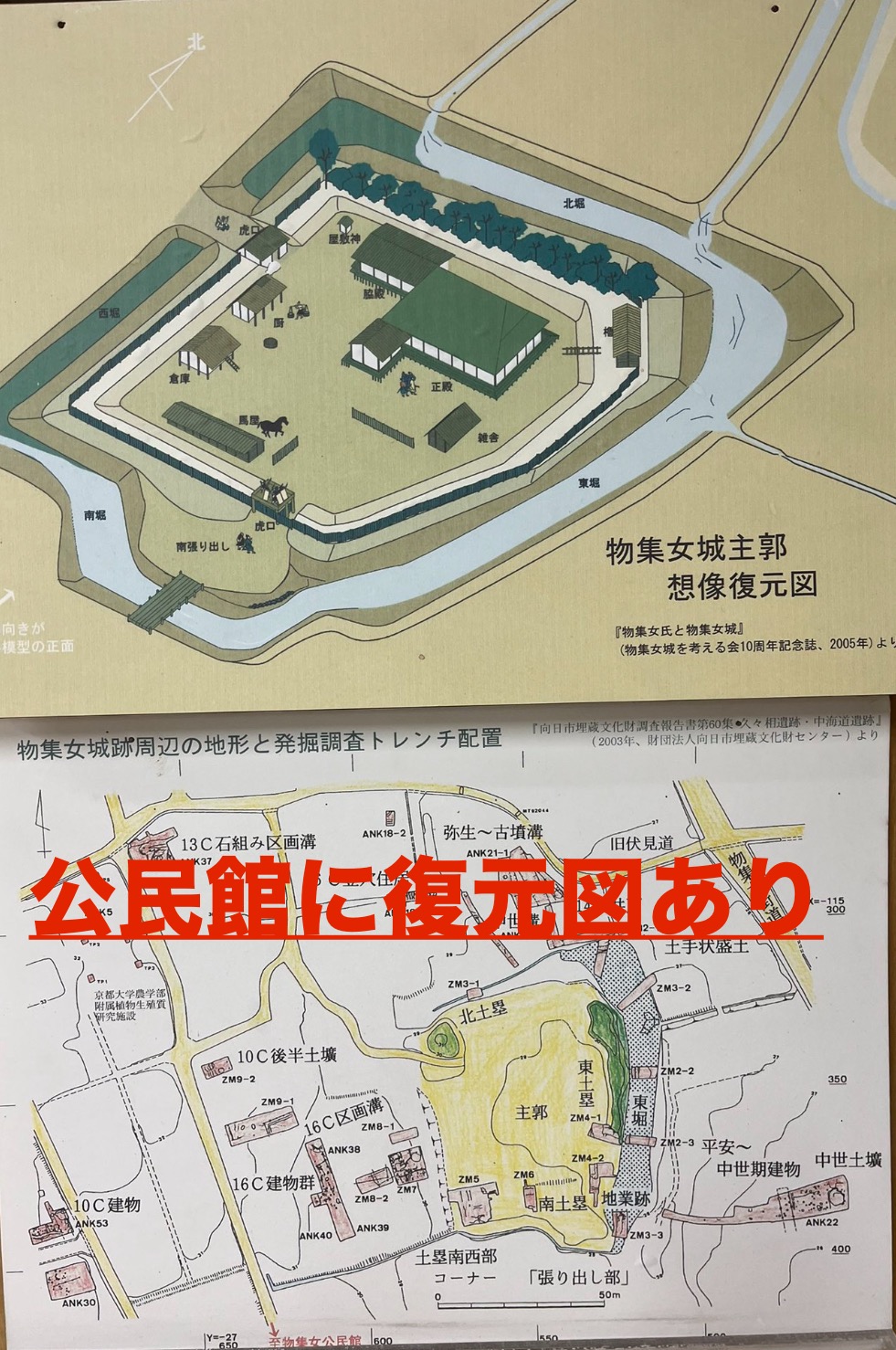
The explanation boards at the site also include layout maps and reconstruction drawings, helping visitors imagine the castle’s former appearance.
Seasonal Highlights
Yamaga Castle Ruins Park is a spot where you can enjoy the natural beauty of each season.
Spring Cherry Blossoms
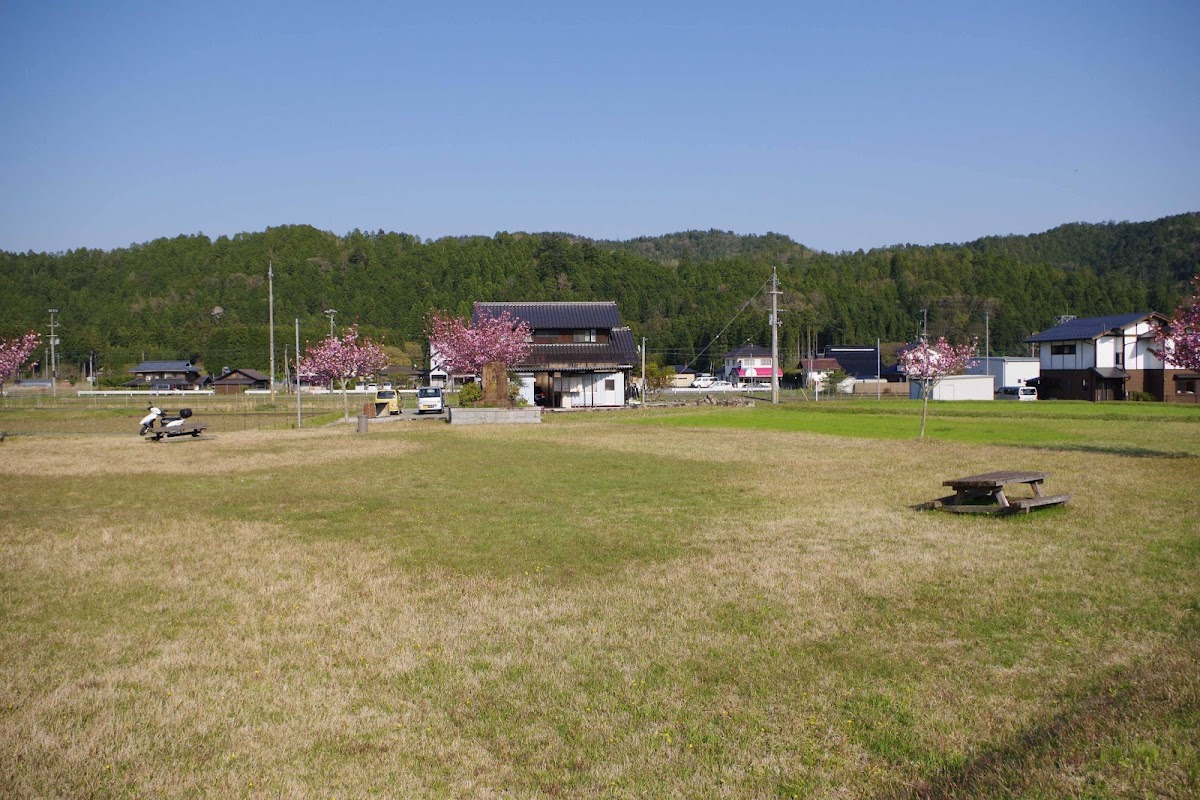
In spring, the cherry trees planted in the park bloom all at once, beautifully decorating the castle ruins. The contrast between the cherry blossoms and the historical buildings makes for an excellent photo spot, attracting many visitors.
Autumn Foliage
In autumn, the surrounding mountains are dyed in beautiful autumn colors, and the castle ruins park also becomes a magnificent autumn landscape. The view from the summit of Mt. Kogamine is particularly spectacular, offering a panoramic view of the townscape of Ayabe and the flow of the Yura River, adorned with autumn leaves.
Historical Spots Around Yamaga Castle
Nearby Castles
When visiting Yamaga Castle, we recommend also visiting other castles around Ayabe City.
Kamibayashi Castle
Located along the Kamibayashi River, this medieval mountain castle was an important base in the Tanba region, just like Yamaga Castle. Known as the residence of the Kamibayashi clan, it is a castle with deep ties to Yamaga Castle.
Inozaki Castle
A mountain castle remaining in Ayabe City, it was one of the fierce battlegrounds during the conquest of Tanba Province. It has a history related to Akechi Mitsuhide’s invasion of Tanba, making it a must-see spot for fans of Sengoku period history.
Fukuchiyama Castle
Located northwest of Ayabe City, it is the central castle of Fukuchiyama City. Known for being built by Akechi Mitsuhide, its keep has been restored and is now open to the public as a museum. It’s about a 30-minute drive from Yamaga Castle, making it an ideal base for touring Tanba castles.
Tanabe Castle
A modern castle located in Maizuru City, famous as the residence of Hosokawa Yusai (Fujitaka). The “Siege of Tanabe Castle” during the Battle of Sekigahara is a historically significant event.
Nearby Shrines and Temples
Iya Shrine
An ancient shrine located in the Yamaga district, it has been worshipped as the local tutelary deity. It is said to have been revered by the Tani clan, the lords of Yamaga Castle.
Shofuku-ji Temple
Located in the Yamaga district, this temple is known for its connection to the Tani clan. The temple grounds also contain the burial grounds of the Tani family, making it an important spot for understanding the history of Yamaga Castle.
Access and Tourist Information
Transportation Access
Access by Train
Get off at Ayabe Station on the JR San’in Main Line. From the station, take the Aya Bus (Ayabe City Bus) and get off at the Yamaga bus stop. Yamaga Castle Ruins Park is approximately a 5-minute walk from there.
Since bus service is limited, it is recommended to check the timetable in advance. If using a taxi, it takes approximately 15 minutes from Ayabe Station.
Access by Car
Approximately 15 minutes from the Ayabe Interchange on the Maizuru-Wakasa Expressway via National Route 27. Parking is available at Yamaga Castle Ruins Park.
When using a car navigation system, it is recommended to search for “Yamaga Castle Ruins Park” or “Hirose-cho, Ayabe City.”
Castle Visit Information
Yamaga Castle Ruins Park (Jinya Site)
- Opening Hours: Always open
- Admission Fee: Free
- Parking: Available (Free)
Yamaga Museum
- Opening Hours: Open only on Saturdays, Sundays, and public holidays (hours vary seasonally)
- Admission Fee: Free
- Closed: Weekdays, New Year’s holidays
*We recommend checking the museum’s opening hours with the Ayabe City Tourism Association in advance.
Koga-mine Summit (Medieval Mountain Castle Ruins)
A hiking trail is maintained from Yamaga Castle Ruins Park to the summit. The hike takes approximately 30-40 minutes one way. While the trail is relatively well-maintained, we recommend wearing appropriate clothing and shoes for exploring mountain castles.
Estimated Visit Time
- Yamaga Castle Ruins Park only: 30 minutes to 1 hour
- Including museum visit: 1 hour to 1 hour 30 minutes
- Including ascent to the summit of Mt. Kōgamine: 2 hours to 3 hours
If you wish to thoroughly explore the castle ruins, we recommend allocating about half a day.
The Charm and Value of Yamaga Castle
Historical Value
Yamaga Castle is a valuable historical site that shows the evolution of castles from the Sengoku period to the Edo period. The coexistence of remains from two eras—a medieval mountain castle on the summit and a modern encampment at the foot of the mountain—makes it an important example for understanding the history of Japanese castles.
In particular, the clear record that it was built by Tani Moritomo, a retainer of Toyotomi Hideyoshi, is a valuable example that allows us to identify the construction period and background. It holds significant historical importance as concrete evidence of how Hideyoshi established his regional control amidst the political situation after the Honnōji Incident.
Preservation Status of the Ruins
The medieval mountain castle ruins on the summit of Mt. Kōgamine are in relatively good condition. Defensive structures such as dry moats, earthworks, and baileys remain clearly visible, making it a valuable field for learning about the structure of a Sengoku period mountain castle firsthand.
Recent improvements have resulted in an abundance of information boards and explanatory signs, making it easier for general tourists to understand the castle’s structure and history. The Yamaga Historical Museum also offers comprehensive exhibits, allowing visitors to learn about the region’s history from multiple perspectives.
Significance in the Region
Yamaga Castle is an important historical heritage site in Ayabe City and forms the core of the region’s identity. It is affectionately known locally as “Kōgamine Castle,” and local residents are actively involved in its preservation.
Many tourists visit during the spring cherry blossom festival and the autumn foliage season, playing an important role as a regional tourist resource. It is a popular spot not only for history enthusiasts but also for hikers who enjoy nature.
Precautions When Visiting Yamaga Castle
Precautions During Hiking
When visiting the medieval mountain castle ruins on the summit of Mt. Kogamine, please note the following:
- Clothing and Equipment: Wear appropriate clothing and shoes for hiking. The ground can be particularly slippery after rain.
- Hydration: Bring plenty of water, especially during the summer.
- Time Consideration: Allow ample time to descend before sunset.
- Avoid Solo Activities: It is recommended to hike in groups whenever possible.
- Protection of Remains: As this is a valuable historical site, please be careful not to damage the earthworks or dry moats.
Museum Visit
The Yamaga Museum is only open on Saturdays, Sundays, and public holidays. If you visit on a weekday, you will not be able to visit the museum, so please check the opening days in advance. Also, there may be temporary closures, so if you are visiting from afar, it is recommended to check with the Ayabe City Tourism Association in advance.
Summary
Yamaga Castle (Kōgamine Castle) is a valuable historical site that Ayabe City, Kyoto Prefecture, is proud of. The remains of a mountain castle from the Sengoku period and the remains of a fortified residence from the Edo period coexist, making it a valuable spot to learn about the evolution of Japanese castle history firsthand.
Yamaga Castle is full of diverse attractions, including the history of its construction by Tani Moritomo, well-preserved remains such as dry moats and earthworks, a comprehensive museum exhibit, and the natural beauty that changes with the seasons.
Its scenic location at the confluence of the Yura River and the Kaminbayashi River makes it an ideal tourist destination where you can enjoy both historical exploration and nature walks. When visiting the Tanba region in northern Kyoto Prefecture, be sure to visit Yamaga Castle and experience the historical romance from the Sengoku period to the Edo period.
Visiting nearby castles such as Fukuchiyama Castle and Tanabe Castle in conjunction with Yamaga Castle will allow you to gain a deeper understanding of the history of the Tanba region. Yamaga Castle is an important historical site worth visiting for anyone interested in learning about Japanese castle culture and local history.