Utsunomiya Castle (Tochigi Prefecture) Complete Guide: A Thorough Explanation of the History and Restored Highlights of the Seven Famous Castles of the Kanto Region
Overview of Utsunomiya Castle
Utsunomiya Castle is a Japanese castle ruin located in Honmaru-cho, Utsunomiya City, Tochigi Prefecture. It is counted as one of the seven famous castles of the Kanto region and is also known as “Kamegaoka Castle.” Built on a terrace overlooking the Tagawa River, it was a flatland castle that functioned as the administrative center of the Utsunomiya Domain during the Edo period and also served as an important lodging facility for Tokugawa shoguns when they visited Nikko Toshogu Shrine.
The current Utsunomiya Castle was destroyed in the Boshin War, but a portion of the main keep was restored in the Heisei era, and it is now a beloved historical symbol of Utsunomiya City. The restored Seimeidai Turret and Fujimi Turret are valuable structures that evoke the castle’s former appearance.
History and Background of Utsunomiya Castle
Ancient and Medieval Periods: As the Residence of the Utsunomiya Clan
The origins of Utsunomiya Castle date back to the Heian period. While there are various theories regarding the exact construction date, it is generally believed that the Utsunomiya clan, descended from Fujiwara no Soen who served as a priestly family of Utsunomiya Myojin (present-day Futarasan Shrine), the Ichinomiya (first-ranked shrine) of Shimotsuke Province, established their residence in this area around the 11th century.
The Utsunomiya clan expanded their power in Shimotsuke Province using this castle as their base, and were active as powerful warlords in the Kanto region from the Kamakura period to the Muromachi period. The castle was gradually expanded, and defensive facilities such as moats and earthworks were developed.
Dispossession of the Utsunomiya Clan by Toyotomi Hideyoshi
The Utsunomiya clan ruled for nearly 500 years, but a turning point came in 1597 (Keicho 2), during the time of the 22nd head of the clan, Utsunomiya Kunitsuna. By order of Toyotomi Hideyoshi, the Utsunomiya clan was dispossessed of their domain, bringing an end to their long rule. While there are various theories regarding the reason for their dispossession, including the possibility of non-fulfillment of military service during Hideyoshi’s invasion of Korea, the details remain unclear.
Edo Period: As Accommodation for the Shogun
During the Edo period, Utsunomiya Castle became a castle of special significance for the Tokugawa shoguns. After Tokugawa Ieyasu was enshrined at Nikko Toshogu Shrine, successive shoguns always stayed at Utsunomiya Castle when making pilgrimages to Nikko.
Therefore, a special “Onari Goten” (a palace exclusively for the shogun) was built in the main keep, and the castle was equipped with luxurious facilities to accommodate the shogun. This role as accommodation for the shogun increased the importance of Utsunomiya Castle and significantly impacted its maintenance and management.
Throughout the Edo period, various daimyo (feudal lords) served as lords of Utsunomiya Castle. The castle’s lords were primarily hereditary daimyo of the Tokugawa family, such as the Gamo, Okudaira, Honda, and Toda clans, but the history of its lords is complex, with some outside daimyo also serving as lords at times.
The Boshin War and the Destruction of the Castle
In 1868 (Meiji 1), Utsunomiya Castle became the stage for the Boshin War, marking a major turning point in its history. In April of that year, the “Battle of Utsunomiya Castle” erupted between the former shogunate forces and the new government forces.
The former shogunate forces, led by Otori Keisuke, temporarily occupied Utsunomiya Castle, but a fierce street battle ensued due to a counterattack by the new government forces. This battle resulted in the destruction of almost all the buildings within the castle, and the castle town also suffered significant damage. After the Boshin War, Utsunomiya Castle was abandoned, and many of its remains were lost.
After the Meiji Era: Changes in the Castle Site
After the Meiji era, the Utsunomiya Castle site was used for various purposes. A school was built on the site of the main keep, and the sites of the second and third baileys were developed into urban areas. The moats were filled in, and many of the earthworks were leveled, gradually causing the castle’s appearance to disappear.
During the Showa era, urbanization of Utsunomiya City progressed further, and the area around the castle ruins transformed into a modern cityscape. However, some traces of the earthworks and moats remained, and momentum grew for their preservation as a historical heritage of the region.
Restoration Project and Current Appearance
Heisei Era Restoration Project
From the late 1990s, Utsunomiya City embarked on a restoration project for Utsunomiya Castle. This was a large-scale project started with the aim of restoring the city’s historical identity and utilizing it as a tourist resource.
In the restoration, the goal was to recreate the castle as faithfully as possible to historical facts, based on Edo period drawings, ancient documents, and the results of archaeological excavations. In 2007 (Heisei 19), a portion of the main enclosure was developed into “Utsunomiya Castle Ruins Park,” and the Seimeidai Turret and Fujimi Turret were restored.
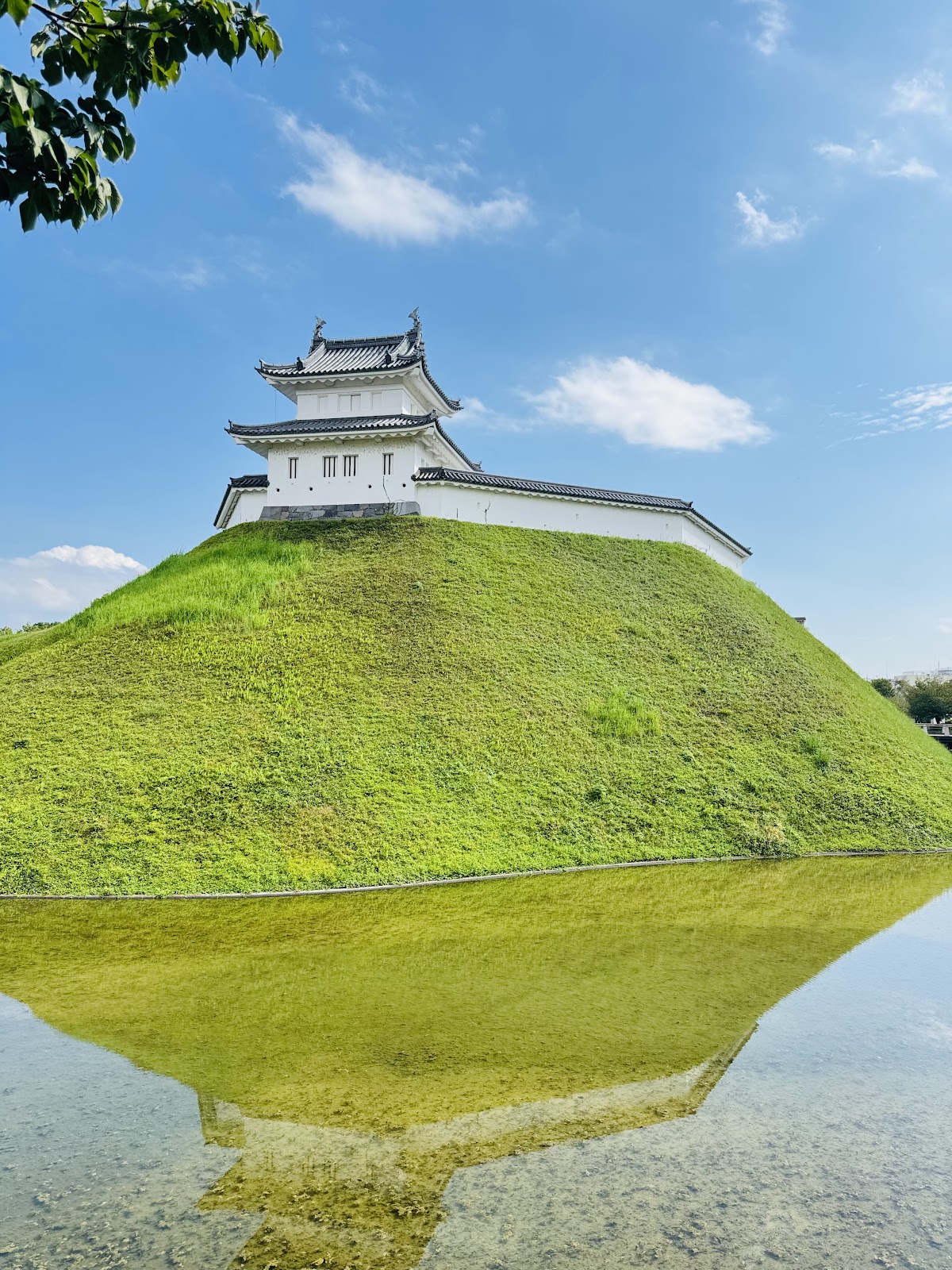
Restored Seimeidai Turret
The Seimeidai Turret was located at the southwest corner of the main enclosure and was one of the important defensive strongholds within the castle. The restored Seimeidai Turret has a three-story structure, and the interior is open to the public as an exhibition facility.
Inside the turret, historical materials, models, and artifacts unearthed during archaeological excavations related to Utsunomiya Castle are on display, allowing visitors to learn about the castle’s history. From the top floor, you can enjoy a panoramic view of Utsunomiya city and imagine the scenery that the castle lords and generals of the time gazed upon.
Restored Fujimi Turret
The Fujimi Turret, as its name suggests, was a turret from which Mount Fuji was said to be visible on clear days. Located on the east side of the main enclosure, the Fujimi Turret, along with the Seimeidai Turret, was an important defensive structure for the main enclosure.
The restored Fujimi Turret is also open to the public, featuring exhibits on the history of Utsunomiya Castle and Utsunomiya. The earthen wall between the turrets has also been restored, allowing visitors to experience the atmosphere of the main enclosure during the Edo period.
Restoration of Earthworks and Moats
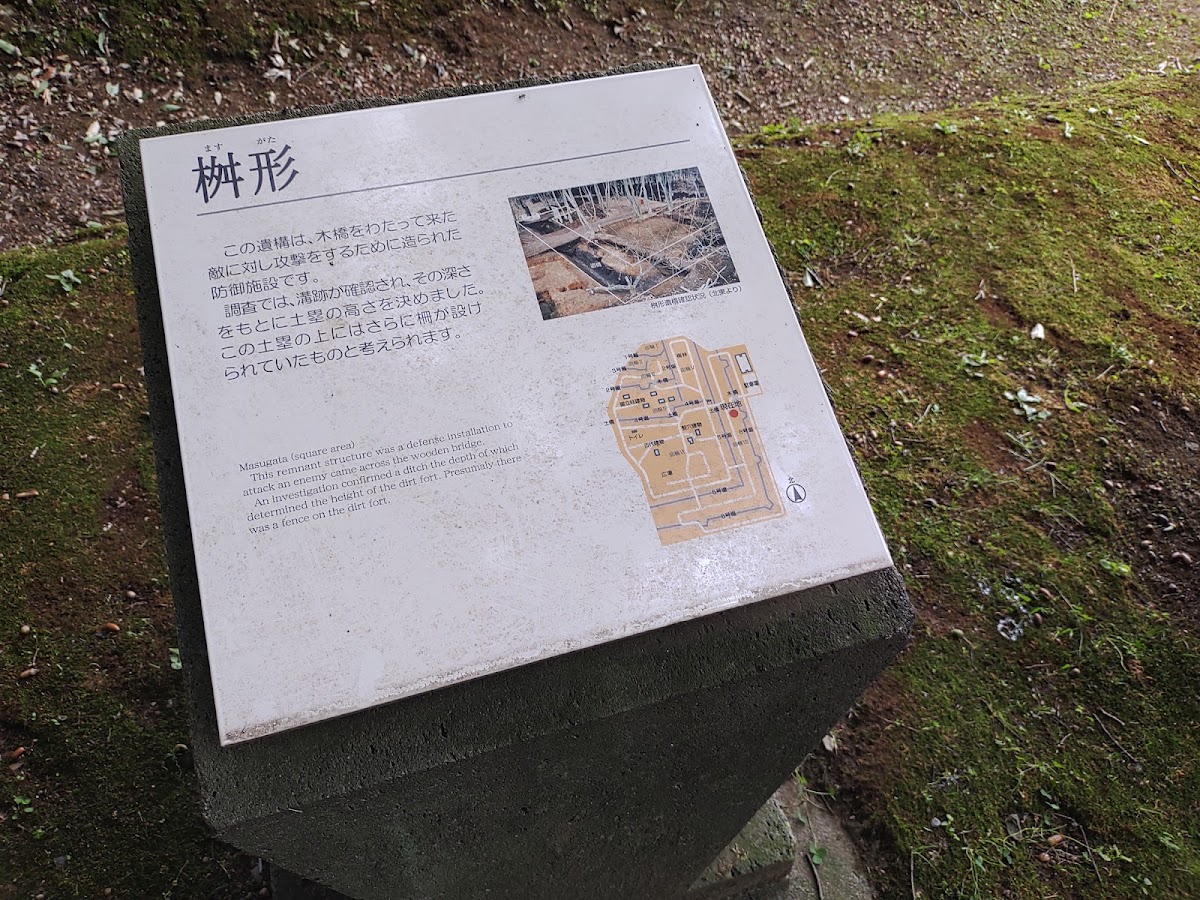
Along with the restoration of the turrets, a portion of the earthworks surrounding the main enclosure has also been restored. Earthworks are a fundamental defensive structure for castles, and Utsunomiya Castle was known for its emphasis on earthworks for defense.
The restored earthworks reach a height of approximately 7 meters, and their sheer size conveys the strength of Utsunomiya Castle. A portion of the moat has also been restored, allowing visitors to imagine the castle’s appearance in its heyday.
Successive Lords of Utsunomiya Castle and the Utsunomiya Domain
The Utsunomiya Clan Era (Heian Period to Azuchi-Momoyama Period)
The Utsunomiya Castle has had 47 successive lords since its construction in the Heian period. Of these, the first 22 lords were members of the Utsunomiya clan.
The first lord of the Utsunomiya clan is said to be Fujiwara no Sōen, and subsequent lords, such as Asatsuna, Naritsuna, and Yasutsuna, consistently used the character “Tsuna” in their names. During the Kamakura period, they served the shogunate as retainers while maintaining their power as influential warlords in Shimotsuke Province. During the Muromachi period, they demonstrated their presence through their relationships with the Kantō Kanrei Uesugi clan and the Koga Kubō.
The 22nd and final head of the Utsunomiya clan, Utsunomiya Kunitsuna, left Utsunomiya due to the confiscation of his domain by Toyotomi Hideyoshi.
Lords of the Castle in the Edo Period
During the Edo period, the following daimyo served as lords of Utsunomiya Castle:
Gamo Hideyuki and Tadaaki (1601-1627): The Gamo clan, who were transferred from Aizu, took control of the castle. Hideyuki was the son of Gamo Ujisato, a senior retainer of Toyotomi Hideyoshi, and was a daimyo with a domain of 180,000 koku.
Okudaira Tadamasa (1627-1633): The son of Okudaira Nobumasa, son-in-law of Tokugawa Ieyasu. He was granted a domain of 100,000 koku.
Honda Masazumi (1619-1622): He served as lord of the castle for a time, but was dispossessed of his domain due to suspicions of involvement in the Utsunomiya Ceiling Incident. This incident involved an alleged attempt by Honda Masazumi to assassinate Tokugawa Hidetada. While the veracity of the allegations is uncertain, it led to Masazumi’s downfall.
Toda Clan (1681-1868): The Toda clan served as lords of the castle for a long period during the late Edo period. The Utsunomiya Domain was ruled by the Toda Tadazane family until the Boshin War at the end of the Edo period.
The Utsunomiya Domain’s rice yield fluctuated depending on the period, but generally remained between 70,000 and 150,000 koku. Due to its important role as a lodging place for the Shogun during his pilgrimages to Nikko, it was characteristic that trustworthy fudai daimyo (hereditary vassals) were often appointed as castle lords.
Structure and Characteristics of Utsunomiya Castle
Characteristics as a Flatland Castle
Although Utsunomiya Castle was a flatland castle, it was built on a river terrace along the Tagawa River, allowing for a slight difference in elevation for defense. While no main keep was built, a multi-layered defensive system consisting of multiple turrets, earthworks, and moats was constructed.
The castle’s layout was a concentric structure with the main keep at the center, surrounded by the second and third baileys. Earthworks reaching 7 meters in height surrounded the main keep, and a wide moat was dug outside of that.
Defense Centered on Earthen Embankments
The most distinctive feature of Utsunomiya Castle is its defensive structure, which primarily utilizes earthen embankments rather than stone walls. Many castles in the Kanto region are earthen castles without stone walls, and Utsunomiya Castle was a typical example.
The earthen embankments were firmly compacted using the rammed earth construction method, and grass was planted on the surface. The high earthen embankments posed a significant obstacle for attacking forces and also offered greater resistance to cannon fire than stone walls.
The Existence of the Shogun’s Palace
The main keep housed the Shogun’s Palace. This was a facility for the Shogun’s accommodation during his visits to Nikko, and it was a magnificent building in the Shoin-zukuri style.
The Shogun’s Palace had upper, middle, and lower rooms, and possessed a formality befitting the Shogun’s reception. A garden was also constructed around the palace, demonstrating consideration for the Shogun’s comfort during his stay.
Existing Remains and Historical Sites
Remaining Earthworks
While much of Utsunomiya Castle’s remains were lost due to destruction during the Boshin War and development after the Meiji Restoration, some earthworks still remain.
Around the site of the main keep, in addition to the restored sections, small remnants of the original earthworks still exist, and their height and scale give a real sense of the castle’s strength. Furthermore, archaeological excavations have confirmed the presence of moat remains and building foundations underground.
Relocated Structures
Some of Utsunomiya Castle’s buildings were relocated to temples and shrines within the city after the castle’s abandonment and still exist today. Parts of gates and walls are preserved at their relocated sites, providing valuable information about the architectural style of Utsunomiya Castle.
Relationship with Futara-san Shrine
An essential aspect of understanding the history of Utsunomiya Castle is its relationship with Futara-san Shrine. The Utsunomiya clan originally descended to the area as priests of Futara-san Shrine, and the castle and shrine were closely intertwined.
Futara-san Shrine still stands in the heart of Utsunomiya City and attracts many visitors, especially during New Year’s visits. The shrine grounds also contain historical sites related to the Utsunomiya clan, and visiting both the shrine and the castle ruins allows for a deeper understanding of Utsunomiya’s history.
Highlights of Utsunomiya Castle Ruins Park
Park Development
Utsunomiya Castle Ruins Park is currently developed as a place of relaxation for citizens. In addition to the restored turrets and earthworks, there are also plazas and rest facilities, creating a space where visitors can relax and learn about history.
Information boards and explanatory panels are installed throughout the park, allowing visitors to learn in detail about the castle’s history and structure. Volunteer guides are also available, allowing for a more in-depth learning experience about Utsunomiya Castle.
Events and Use
Utsunomiya Castle Ruins Park hosts various events throughout the year. It is bustling with cherry blossom viewers during the cherry blossom season and offers beautiful autumn foliage. Furthermore, historical events and samurai armor experiences are regularly held, making it a facility that can be enjoyed by people of all ages, from children to adults.
Access and Surrounding Facilities
Utsunomiya Castle Ruins Park is approximately a 20-minute walk or a 10-minute bus ride from JR Utsunomiya Station. Parking is also available, making it convenient to access by car.
The surrounding area includes government offices such as Utsunomiya City Hall and Tochigi Prefectural Government, making it the administrative center of Utsunomiya. Within walking distance are Futarasan Shrine and Utsunomiya’s downtown area, allowing visitors to enjoy sightseeing in Utsunomiya starting from the castle ruins park.
Positioning as One of the Seven Famous Castles of the Kanto Region
Utsunomiya Castle is counted as one of the seven famous castles of the Kanto region. The Seven Famous Castles of the Kanto Region are a selection of representative castles in the Kanto area. Besides Utsunomiya Castle, other notable castles include Kawagoe Castle (Saitama Prefecture), Maebashi Castle (Gunma Prefecture), Kanayama Castle (Gunma Prefecture), Karasawayama Castle (Tochigi Prefecture), Oshi Castle (Saitama Prefecture), and Ota Castle (Ibaraki Prefecture) (there are various theories regarding the selection).
Among these castles, Utsunomiya Castle holds a special position due to its function as lodging for the shogun throughout the Edo period. Furthermore, its large-scale earthen ramparts, despite being a flatland castle, give it significant importance in the history of castles in the Kanto region.
Utsunomiya Castle and Regional Culture
Role in Utsunomiya’s History
Utsunomiya Castle was not merely a military facility; it functioned as the political, economic, and cultural center of Utsunomiya. Developing as a castle town, Utsunomiya also flourished as a post town on the Nikko Kaido road, a crucial transportation hub connecting Edo (Tokyo) and Nikko.
The castle lords and samurai contributed to the promotion of local culture, and cultural practices such as tea ceremony, flower arrangement, and martial arts took root in the castle town. Furthermore, the development of commerce and industry was closely related to the castle’s existence, and it can be said that the foundation of Utsunomiya as a city was formed around the castle.
Utsunomiya Castle in the Modern Era
In modern Utsunomiya City, Utsunomiya Castle plays an important role as a symbol of the city’s historical identity. The restored castle ruins park is a place where citizens can feel closer to history and is also used as an educational space.
The history of Utsunomiya Castle is covered in local history lessons in elementary and junior high schools, providing children with an opportunity to learn about local history. It is also attracting attention as a tourist resource, and many tourists visiting Utsunomiya visit the castle ruins park.
Future Development Plans
Utsunomiya City is planning further development of Utsunomiya Castle Ruins Park. Currently, only a part of the main keep has been restored, but future plans include the restoration of other turrets and gates, and the expansion of the moat.
Furthermore, emphasis is placed on collaboration with surrounding areas, and development is underway to create a historical zone encompassing Futarasan Shrine and the former castle town area. This is expected to enhance historical tourism centered around Utsunomiya Castle.
Digital technology initiatives have also begun, with consideration being given to introducing a system that allows visitors to experience the castle’s appearance in its heyday using AR (augmented reality) and VR (virtual reality).
Summary
Utsunomiya Castle boasts a long history dating back to the Heian period and holds an important position as one of the seven most famous castles in the Kanto region. Its history, encompassing nearly 500 years of rule by the Utsunomiya clan, its role as lodging for the shogun during the Edo period, its destruction during the Boshin War, and its restoration in the Heisei era, reflects the history of Tochigi Prefecture, and indeed, the history of Japan itself.
Currently, the castle ruins, developed as Utsunomiya Castle Park, allow visitors to imagine its former glory through the restored Seimeidai Turret and Fujimi Turret, as well as earthworks and moats. Its excellent location in the heart of Utsunomiya City is also a major draw, making it a must-visit spot when you’re in Utsunomiya.
Although it lacked a main keep, Utsunomiya Castle, with its robust defensive structures centered around earthworks and a magnificent palace for receiving the shogun, holds unique value in the history of castles in the Kanto region. Learning about its history and culture will be a valuable opportunity to understand Japanese castle culture and the history of the region.
--765x450.png)