Complete Guide to Tokura Castle: A Thorough Explanation of the History and Highlights of the Two Tokura Castles in Musashi and Izu Provinces
Introduction: About the Two Tokura Castles
In the history of Japanese castles, the name “Tokura Castle” actually refers to two different castles. One is a mountain castle located in Tama District, Musashi Province (present-day Akiruno City, Tokyo), and the other is a mountain castle located in Suntō District, Izu Province (present-day Shimizu Town, Suntō District, Shizuoka Prefecture). Both castles played an important strategic role under the rule of the Hōjō clan during the Sengoku period.
This article will comprehensively explain these two Tokura Castles, including their history, structure, remains, and current visitor information.
Tokura Castle, Musashi Province (Akiruno City, Tokyo)
History of Tokura Castle, Musashi Province
Tokura Castle, Musashi Province, is a mountain castle located in Tokura, Akiruno City, Tokyo, and is protected as a Tokyo Metropolitan Government designated historical site. It was built on a highly isolated peak at the tip of a ridge extending eastward from Mount Usuki, which rises to an elevation of 434 meters. It is known as a natural stronghold, surrounded on three sides by deep valleys carved by the Akigawa and Bonborigawa rivers.
Construction and Early History
It is said that the castle was built during the Sengoku period by the Komiya clan, a branch of the Uesugi clan and a key member of the Musashi Rebellion. Later, this region was incorporated into the sphere of influence of the Later Hojo clan.
As the Retirement Castle of Oishi Sadahisa
In 1546, Oishi Sadahisa, the lord of Takiyama Castle, adopted Hojo Ujiteru, the second son of Hojo Ujiyasu, and handed over the family headship. It is said that Sadahisa then moved to Tokura Castle and retired. During this period, Tokura Castle played an important role as a relay point between Takiyama Castle, where Ujiteru resided, and Hinohara Castle, which controlled the Koshu front.
Position in the Hojo Clan’s Defense Network
Tokura Castle functioned as a key castle in the Hojo clan’s western defense line. Under the control of Hojo Ujiteru, whose base was Takiyama Castle, it was an important base for preparing for invasions by the Takeda clan, working in conjunction with castles such as Hinohara Castle and Hachioji Castle.
Abandonment
In 1590, Toyotomi Hideyoshi’s “Odawara Campaign” took place. With the fall of Hachioji Castle, Tokura Castle was abandoned along with the downfall of the Hojo clan. This marked the end of Tokura Castle’s history.
Structure and Remains of Tokura Castle in Musashi Province
Characteristics of the Castle Layout
Tokura Castle has the typical structure of a mountain castle, with multiple baileys arranged around the main enclosure. Its layout is characterized by its skillful use of the ridge terrain, maximizing the defensive design that utilizes the natural topography.
Major Remains
Main Enclosure (Hon-kuruma)
Located at the mountaintop, the main enclosure was where the castle’s central facilities were situated. Even today, the flat terrain remains, allowing us to imagine the former living space of the castle lord.
Earthworks
Earthworks were built around each enclosure, enhancing its defensive capabilities. Some of these earthworks remain in good condition.
Moats and Horizontal Moats
Moats cutting across the ridge and horizontal moats dug along the slopes can be seen. These were important defensive structures to prevent enemy intrusion.
Well Remains
Well remains also exist within the castle grounds, illustrating how water sources were secured during sieges.
Main Approach Road
Traces of the main approach road leading to the castle can be seen, allowing us to trace the route taken at the time.
Highlights of Tokura Castle in Musashi Province
Views
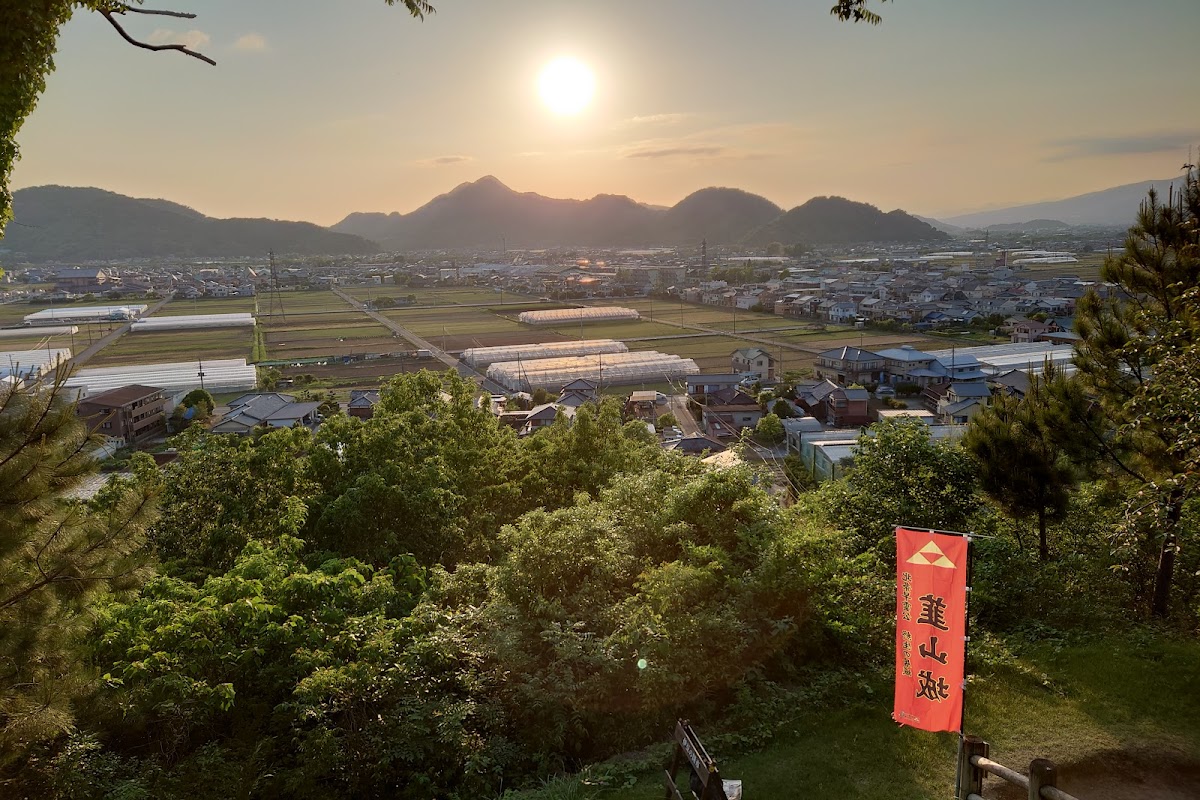
From the mountaintop, you can enjoy a panoramic view of the Akigawa Valley and the surrounding mountains. If the weather is good, you can see the direction of other castles belonging to the Hojo clan, giving you a real sense of the defensive network of the Sengoku period.
Harmony with Nature
Tokura Castle Mountain is also a popular hiking course, allowing you to enjoy the changing seasons while strolling through the castle ruins. It is especially beautiful during the fresh greenery of spring and the autumn foliage, making it a valuable spot where you can enjoy both historical exploration and nature walks simultaneously.
Well-Preserved Remains
Because it is protected as a Tokyo Metropolitan Government-designated historical site, remains such as earthworks and moats are preserved in relatively good condition. It is an ideal place to learn about the structure of a mountain castle from the Sengoku period.
Access to Musashi Province Tokura Castle
Access by Public Transportation
By Train and Bus
Get off at Musashi-Itsukaichi Station on the JR Itsukaichi Line, then take a Nishi-Tokyo Bus and get off at the “Jurigi” or “Nishi-Tokura” bus stop. From the Shinmei Shrine entrance, take the hiking trail and reach the summit in about 40 minutes to 1 hour.
Access by Car
Approximately 30 minutes by car from the Hachioji IC on the Chuo Expressway or the Akiruno IC on the Ken-O Expressway. There is parking space near the trailhead, but spaces are limited, so using public transportation is recommended.
Precautions When Climbing the Castle
- As it is a mountain castle, comfortable clothing and hiking boots are essential.
- Bring drinking water and snacks.
- Don’t forget insect repellent in summer and warm clothing in winter.
- Be careful as the ground can be slippery during and after rain.
Izu Province Tokura Castle (Shimizu Town, Shizuoka Prefecture)
History of Izu Province Tokura Castle
Tokura Castle in Izu Province was a mountain castle located in Tokura, Shimizu Town, Suntō District, Shizuoka Prefecture. It was built on the summit of a small mountain now called Honjōyama.
Construction by Hojo Ujitsuna
Tokura Castle is believed to have been built by Hojo Ujitsuna. Located on the border between Izu Province and Suruga Province, it was an extremely important strategic base for the Hojo clan.
The Era of the Kō-Sō-Sun Tripartite Alliance
In 1554 (Tenbun 23), the Kō-Sō-Sun Tripartite Alliance was formed between the Takeda, Hojo, and Imagawa clans, ushering in a period of relative stability in the region. Tokura Castle also enjoyed a peaceful era under Hojo rule.
Takeda Shingen’s Invasion of Suruga
In 1568 (Eiroku 11), Takeda Shingen launched his invasion of Suruga, and the Tripartite Alliance collapsed. As a result, Tokura Castle became a frontline fortress, and from 1568 (Eiroku 11) to 1571 (Genki 2), it became the stage for fierce battles between the Takeda and Hojo clans.
The Defection of Kasahara Masataka and the Takeda Clan’s Rule
Around 1580, Takeda Katsuyori attacked Tokura Castle, held by the Odawara Hojo clan, using Sanmaibashi Castle as his base. In 1581, the castle commander, Kasahara Masataka, defected to the Takeda clan, and Tokura Castle became part of the Takeda’s territory.
Subsequent Changes
However, with the fall of the Takeda clan in 1582, Tokura Castle returned to the control of the Hojo clan. After Toyotomi Hideyoshi’s siege of Odawara in 1590, the castle was abandoned along with the fall of the Hojo clan.
Structure and Remains of Tokura Castle in Izu Province
Topography of Honjoyama
Honjoyama, where Tokura Castle was built, is not particularly high in elevation, but it is an isolated hill offering panoramic views of the surrounding area, occupying a strategically important position.
Main Enclosure and Enclosure Layout
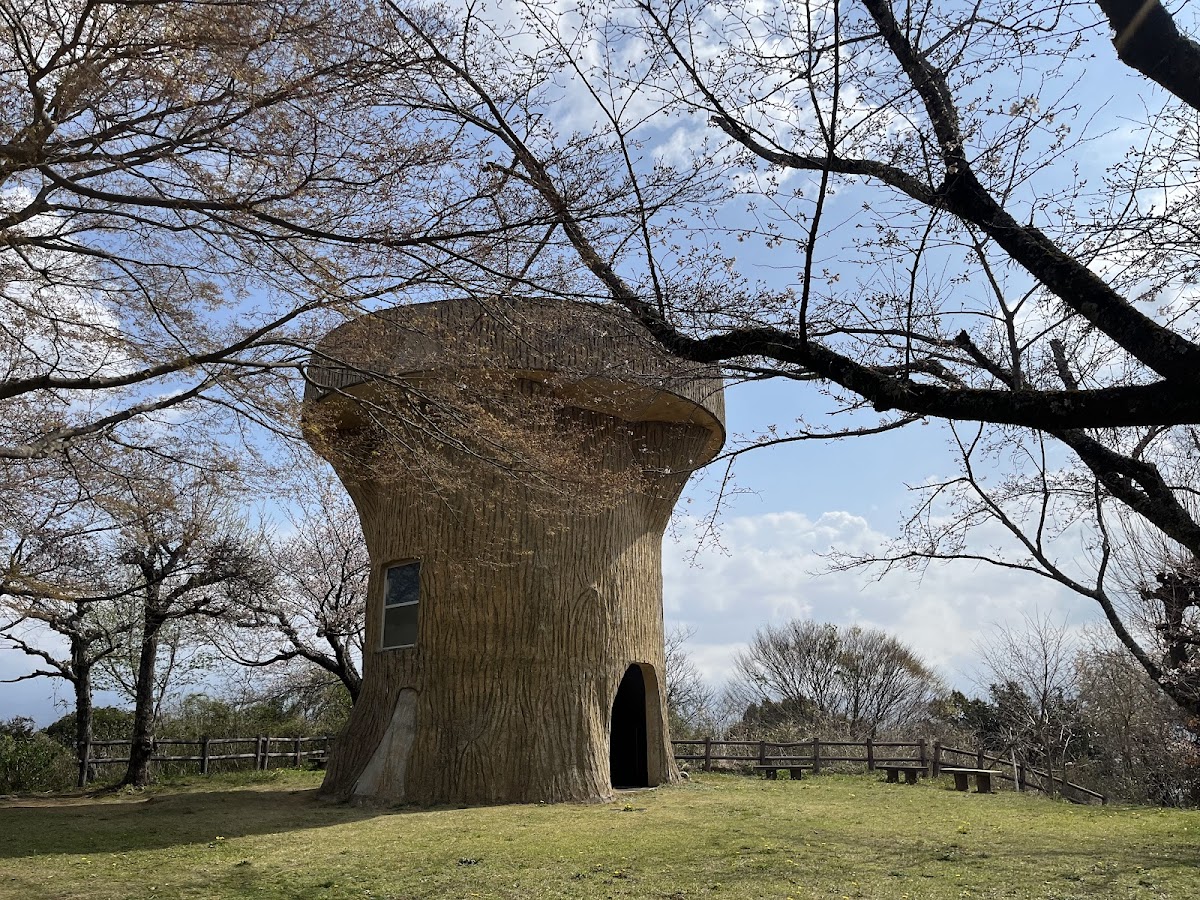
The castle grounds consisted of multiple enclosures arranged in a stepped pattern, centered around the main enclosure at the mountaintop. Currently, the site is maintained as Honjoyama Park, and an observation deck has been installed at the main enclosure site.
Residence Site
A flat area remains at the foot of the mountain, believed to be the site of the lord’s residence, offering a glimpse into the lord’s living space during peacetime.
Highlights of Tokura Castle in Izu Province
View of Mount Fuji
From the observation deck at Honjoyama Park, you can enjoy a magnificent view of Mount Fuji on a clear day. This view is one of the greatest attractions of visiting Tokura Castle.
Honjoyama Park
Currently, the castle ruins are maintained as Honjoyama Park, a place of relaxation for local residents. It is also known as a cherry blossom viewing spot, attracting many visitors in spring.
The Battlefield of the Takeda-Hojo Clan
The battles between the Takeda and Hojo clans, which unfolded from the Eiroku to Genki periods, were one of the most important battles in eastern Japan during the Sengoku period. Standing on this site, you can feel the tension of that time.
Access to Tokura Castle in Izu Province
Access by Public Transportation
By Train and Bus
Take a bus from JR Tokaido Line “Mishima Station” or “Numazu Station” and get off at the “Tokura” bus stop. It’s about a 15-minute walk to Honjoyama Park.
Access by Car
Approximately 10 minutes from the Tomei Expressway “Numazu IC”. There is a parking lot at Honjoyama Park, making access relatively easy.
Points to Note When Visiting
- As it is maintained as a park, it is easier to visit than Musashi Province’s Tokura Castle.
- There are stairs to the observation deck, so comfortable walking shoes are recommended.
- Crowds are expected during the spring cherry blossom season.
Comparison of the Two Tokura Castles
Similarities
Both castles were under the control of the Hojo clan and occupied strategically important locations. They also both share the commonality of being abandoned after the Siege of Odawara in 1590. Their mountain castle structures are similar, characterized by a layout centered around the main enclosure.
Differences
Location and Role
Musashi Province’s Tokura Castle functioned as a relay base within the territory controlled by Hojo Ujiteru, while Izu Province’s Tokura Castle, located on the border between Suruga and Izu, was a frontline castle and the stage for more direct military conflicts.
Historical Events Tokura Castle in Izu Province was the site of fierce battles during Takeda Shingen’s invasion of Suruga Province, and boasts a more dramatic history, including the defection of castle commanders.
Current Status While Tokura Castle in Musashi Province is a Tokyo Metropolitan Government-designated historical site with relatively well-preserved remains of the mountain castle, Tokura Castle in Izu Province has been developed into a park, making it more accessible to visitors.
Related Historical Sites in the Surrounding Area
Around Tokura Castle, Musashi Province
Takiyama Castle The base of Hojo Ujiteru, closely related to Tokura Castle. Designated a National Historic Site, it retains magnificent remains.
Hinohara Castle An important castle controlling the Koshu entrance, functioning as a relay point to Tokura Castle.
Hachioji Castle A magnificent mountain castle built by Hojo Ujiteru, and one of Japan’s 100 Famous Castles. Known as a tragic castle that fell during the Siege of Odawara.
Komiya Castle
Like Tokura Castle, this was a mountain castle in the Tama region, under the control of the Hojo clan.
Around Tokura Castle, Izu Province
Sanmaibashi Castle
This castle was used by Takeda Katsuyori as a base for his attack on Tokura Castle.
Nirayama Castle
This castle was the base of Hojo Soun and is known as a strong fortress that withstood the fierce attacks of the Toyotomi army during the Siege of Odawara.
Points to Note When Visiting Tokura Castle
Understanding the Historical Background
Learning about the history of the Hojo clan, Takeda Shingen’s invasion of Suruga, and Toyotomi Hideyoshi’s Siege of Odawara before your visit will allow you to enjoy the castle ruins more deeply.
Using Maps and Guides
Especially since Tokura Castle in Musashi Province is a mountain castle, it is important to check a map and understand the hiking route beforehand. Utilize GPS apps on your smartphone.
Time Allocation
For Tokura Castle in Musashi Province, allow approximately 2-3 hours for climbing and sightseeing. Tokura Castle in Izu Province is maintained as a park, so it can be visited in about an hour.
Photography
Both castles offer magnificent views, so bringing a camera is recommended. The view of Mt. Fuji on a clear day is especially a must-see.
Seasonal Selection
Each season has its own charm, from the cherry blossoms in spring and the fresh greenery to the autumn foliage. However, be aware of the heat and insects during the summer.
Materials and Research on Tokura Castle
Historical Documents
Descriptions of Tokura Castle can be found in historical materials such as the “Shinpen Musashi Fudoki-ko” and “Hojo Godaiki.” Excavation reports have also been published, providing more specialized information.
Castle Research
In recent years, research on mountain castles from the Sengoku period has advanced, and new insights into Tokura Castle have been gained. The creation of layout maps and detailed investigations of the remains have made the castle’s structure much clearer.
Summary
The two castles known as Tokura Castle, while each possessing different histories and characteristics, played important roles within the Hojo clan’s sphere of influence. Musashi Province’s Tokura Castle served as a relay point within Hojo Ujiteru’s territory, while Izu Province’s Tokura Castle was a frontline castle on the Suruga-Izu border, each fulfilling its respective mission.
Currently, remains of both castles remain and are open to visitors. Musashi Province’s Tokura Castle offers the charm of a mountain castle and the beauty of nature, while Izu Province’s Tokura Castle offers views of Mount Fuji and a well-maintained park.
Why not visit these castle ruins while reflecting on the history of the Sengoku period? You’ll be able to feel the spirit of the castle lords and samurai of that time from the remains such as earthworks and moats. Visiting both castles will allow you to gain a more comprehensive understanding of the extent of the Hojo clan’s territory and the complex political and military situation in eastern Japan during the Sengoku period.