A Complete Guide to the History and Highlights of Hoshoji Castle (Nanbu-cho, Saihaku-gun, Tottori Prefecture)
Hoshoji Castle is a Japanese mountain castle located in Hoshoji, Nanbu-cho, Saihaku-gun, Tottori Prefecture. Also known as Ozaki Castle, it played a crucial role in the history of Hoki Province during the Sengoku period as an important military base in western Hoki. This article provides a detailed explanation of Hoshoji Castle’s historical background, construction history, changes in its lords, existing remains, and access methods.
Basic Information on Hoshoji Castle
Hoshoji Castle is a mountain castle built on a small hill in Hoshoji, Nanbu-cho, Saihaku-gun, Tottori Prefecture, located to the right of the Chugoku Mountains overlooking the town of Hoshoji.
Location and Geographical Characteristics
- Location: Hoshoji, Nanbu-cho, Saihaku-gun, Tottori Prefecture
- Former Province: Hoki Province
- Classification/Structure: Mountain Castle
- Alternate Name: Ozaki Castle
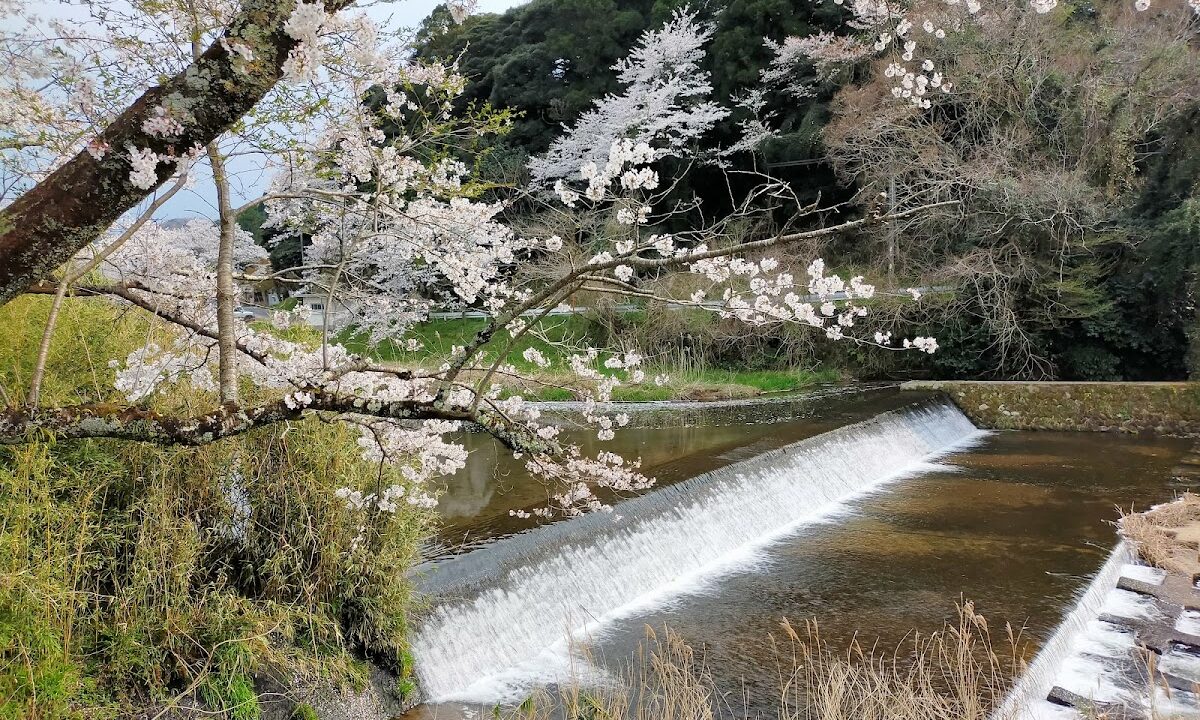
Hoshoji Castle was surrounded by the Hoshoji River to the east and west, with a steep cliff on the south side and a dry moat (dry trench) on the west side leading to the second bailey. This geographical arrangement is a defensive design that makes maximum use of the natural terrain, indicating its importance as a strategic point in western Hoki.
Construction Date and Builder
The specific construction date of Hoshoji Castle is unknown, but the Hoshoji area was considered important as a strategic point in western Hoki, and it is believed that some kind of castle facility existed there relatively early. The only clear record in historical documents is that it was fully constructed by the Mori clan in Eiroku 7 (1564).
The History of Hoshoji Castle
The history of Hoshoji Castle is closely related to the conflict between the Mori and Amago clans in Hoki Province during the Sengoku period.
Construction by the Mori Clan and its Strategic Significance
In 1564 (Eiroku 7), Mori Motonari constructed Hoshoji Castle to solidify his control over western Hoki Province. This construction was driven by the Mori clan’s strategy to isolate Gassan-Toda Castle in Izumo Province, a stronghold of the Amago clan.
The Mori clan was working to cut off supply lines from Hoki Province by suppressing the remaining forces in western Hoki that were allied with the Amago. After capturing Emi Castle and Fudogadake in Hino District, and beginning their invasion of the isolated Yatsuhashi Castle in eastern Hoki, Hoshoji Castle played a crucial role as a frontline base.
Mimura Iechika’s Appointment as Castle Lord and His Achievements
In the winter of Eiroku 7 (1564), Mimura Iechika, a retainer of Kikkawa Motoharu, was appointed lord of Hoshoji Castle as the military commander of Hoki Province by order of Mori Motonari.
Mimura Iechika distinguished himself by using Hoshoji Castle as his base, including successfully capturing Yatsuhashi Castle, a stronghold of the Amago clan. Due to these achievements, Hoshoji Castle played a crucial role in establishing the Mori clan’s control over western Hoki Province.
The Mori Mototsugu Theory and the Attack by Yamanaka Shikanosuke
One theory suggests that the lord of Hoshoji Castle was Mori Mototsugu. According to this theory, while Mori Mototsugu was the lord, the castle fell to an attack by Yamanaka Shikanosuke (Yamanaka Yukimori), a renowned general of the Amago clan, and he committed suicide.
While this theory lacks some historical evidence, it is an important tradition indicating that Hoshoji Castle was the stage for fierce conflicts between the Mori and Amago clans.
Abandonment of the Castle After the Battle of Sekigahara
Hoshoji Castle functioned as a military base throughout the Sengoku period, but its role ended after the Battle of Sekigahara in 1600.
Following his military achievements at the Battle of Sekigahara, Nakamura Kazutada was appointed lord of Hoki Province, and Hoshoji Castle was abandoned. During this period, many Sengoku-era mountain castles were abandoned, and a transformation into modern castles progressed. Hoshoji Castle, too, lost its military function during this historical transition.
Remains of Hoshoji Castle
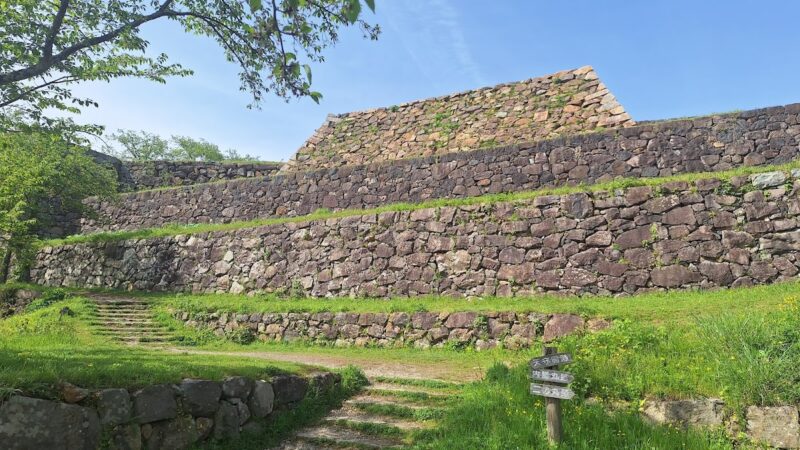
Currently, the Hoshoji Castle site is maintained as Shiroyama Park, a valuable historical site that preserves the appearance of a Sengoku-era mountain castle.
Main Existing Remains
The following remains exist at the Hoshoji Castle site:
Enclosures (Kuruwa)
The remains of several enclosures (kuruma), including the main enclosure (honmaru), the central part of the castle, can be confirmed. Enclosures were the basic defensive units of a castle and are important remains for understanding the scale and structure of Hoshoji Castle. The topography suggests that the main enclosure was located on the flat area at the mountaintop, with secondary enclosures surrounding it.
Earthworks (Dorui)
The remains of earthworks (dorui) surround the enclosures. Earthworks are defensive structures made by piling up earth, serving to prevent enemy intrusion and maintain visibility from within the castle. The earthworks of Hoshoji Castle remain in good condition in some parts, providing insight into the castle construction techniques of the time.
Dry Moats (Karabori)
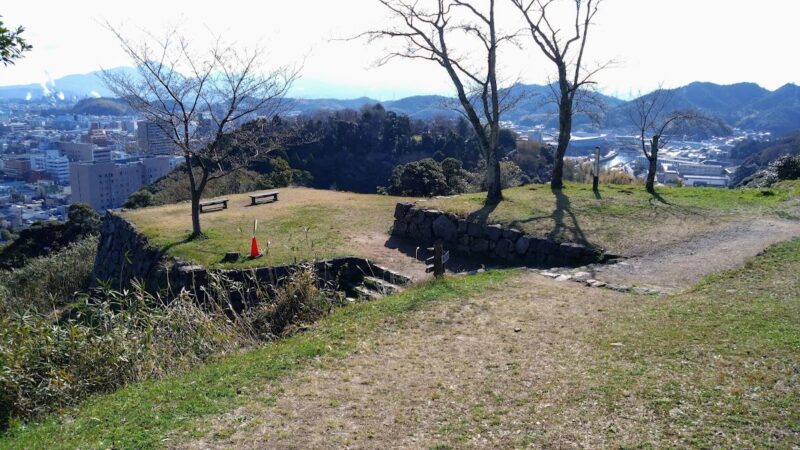
The remains of a dry moat (karabori) can be confirmed on the west side. Dry moats are moats that do not contain water and were important defensive structures for hindering enemy advances. The dry moat of Hoshoji Castle, located between the main enclosure and the second bailey, represents one aspect of the castle’s defensive structure.
Moat (Horikiri)
A moat, a defensive feature unique to mountain castles, also remains. A moat dug to cut across a ridge served to limit enemy incursions and facilitate defense.
Preservation of Remains and Points of Interest
Despite more than 400 years having passed since the castle’s abandonment, the remains of Hoshoji Castle are preserved in relatively good condition. The earthworks and moats, in particular, are valuable resources for understanding the structure of mountain castles during the Sengoku period.
When visiting the castle ruins, paying attention to the following points will allow you to more deeply appreciate the history of Hoshoji Castle:
- Utilization of Topography: The layout utilizes steep cliffs and rivers as natural defensive lines.
- Layout of Enclosures: Multiple layers of defense through the continuous layout from the main enclosure to the secondary enclosure.
- Securing Visibility: The location overlooking the town of Hoshoji provides a surveillance function.
Access to Hoshoji Castle and Surrounding Information
Access Methods
Using Public Transportation:
- Approximately 20 minutes by car from JR San’in Main Line “Yonago Station”
- If using a local bus, take a bus bound for Hoshoji, get off at the Hoshoji bus stop, and walk for approximately 15 minutes.
Using a Car:
- Approximately 10 minutes via National Route 180 from Yonago Expressway “Mizoguchi IC”
- There is some parking space near Shiroyama Park (please check with Nanbu Town Hall for details).
Visitor Information
- Free to Visit: The castle ruins have been developed into a park and can be freely visited.
- Visiting Hours: There are no specific restrictions, but visiting during daylight hours is recommended.
- Admission Fee: Free
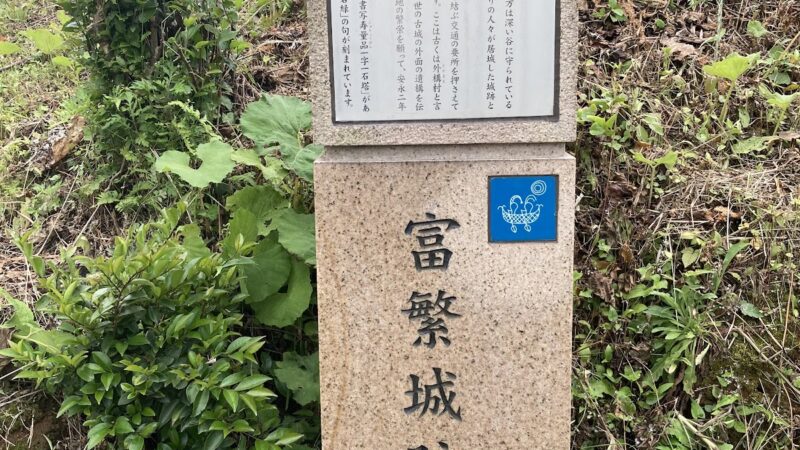
- Facilities: Information boards and stone monuments are installed.
Nearby Tourist Attractions
When visiting Hoshoji Castle, we recommend also visiting nearby tourist attractions:
Hoshoji Townscape
Hoshoji is an area that flourished as an old post town, and its historical townscape remains. The view of Hoshoji town from the castle ruins conveys the scenery that the castle lords must have seen in the past.
Historical Heritage of Nanbu Town
Besides Hoshoji Castle, Nanbu Town has many other historical heritage sites. Those interested in the history and culture of the region can obtain information at the Nanbu Town Hall or local museums.
Historical Significance of Hoshoji Castle
Hoshoji Castle was a symbolic representation of the Mori clan’s rule over western Hoki Province during the Sengoku period. Its historical significance can be summarized as follows:
Importance as a Strategic Base
Hōshōji Castle was a crucial strategic base for the Mōri clan to isolate Gassan-Toda Castle, the Amago clan’s stronghold. Located at a key point in western Hōki Province, it functioned as a frontline base for invasions into eastern Hōki.
Establishment of the Mōri Clan’s Control over Hōki
Military actions based at Hōshōji Castle, such as the capture of Yatsuhashi Castle by Mimura Iechika as its lord, established the Mōri clan’s control over Hōki. This regional control was a crucial step towards the later establishment of the Mōri clan’s hegemony in the Chūgoku region.
Transition Period from Mountain Castles to Early Modern Castles
The abandonment of Hōshōji Castle symbolizes a major transition period for castles during the Keichō era. The shift from mountain castles of the Sengoku period to flatland castles and hill castles of the Edo period was a significant change in the history of Japanese castles, and Hōshōji Castle is one of the castles situated at this historical turning point.
Research and Preservation of Hoshōji Castle
Archaeological Investigation
Detailed archaeological investigations have been conducted on Hoshōji Castle, yielding new insights into its construction techniques and structure. In particular, structural analysis of earthworks and moats has revealed characteristics of mountain castle construction techniques from the Sengoku period.
Historical Document Research
Historical document research on Hoshōji Castle is also progressing. The castle’s historical role is being clarified through primary sources such as military chronicles like the “Intoku Taiheiki” and documents from the Mōri family. In particular, the activities of Mimura Iechika have been revealed through multiple historical sources.
Preservation and Utilization
Currently, the Hoshōji Castle ruins are preserved as a historical site by Nanbu Town. By developing it as Shiroyama Park, it serves as a place of relaxation for local residents and is also used as a site for historical education.
Going forward, the challenge is to pass on this valuable historical heritage to future generations while balancing further preservation of the remains with its utilization as a tourist resource.
Points to Note When Visiting Hoshoji Castle
When visiting the ruins of Hoshoji Castle, please note the following:
- Consider the Mountain Castle: Hoshoji Castle is a mountain castle, so a certain level of physical fitness is required to climb it. Please wear comfortable shoes and clothing.
- Consider the Weather: The ground can become slippery during and after rain. We recommend checking the weather before visiting.
- Protection of the Remains: The remains, such as earthworks and moats, are valuable cultural assets. Please be careful not to damage them while viewing them.
- Consider the Season: In summer, vegetation can be overgrown, making the remains difficult to see. Insect repellent is also necessary. Visiting from autumn to spring is generally easier.
- Gather Information in Advance: We recommend contacting the Nanbu Town Hall or the Tourism Association before your visit to obtain the latest information.
Summary
Hōshōji Castle, located in Nanbu-cho, Saihaku-gun, Tottori Prefecture, is a Sengoku period mountain castle that served as an important strategic base for the Mōri clan’s control of western Hōki Province. Built in 1564 by the Mōri clan, it was ruled by Mimura Iechika, a retainer of Kikkawa Motoharu.
The remains of the castle, including baileys, earthworks, dry moats, and trenches, are still well-preserved, making it a valuable historical site for understanding the structure of Sengoku period mountain castles. It has been developed as Shiroyama Park and is freely accessible for visitors.
Learning the history of Hōshōji Castle is extremely valuable for understanding the history of Hōki Province during the Sengoku period, the conflict between the Mōri and Amago clans, and the transition from mountain castles to modern castles in the history of Japanese castles. When visiting Saihaku-gun, Tottori Prefecture, be sure to visit this historic castle site.